





 English
  Francês
  Alemão
  Italiano
  Japonês
  Norueguês
  Portuguese
  Spanish
  4 min of reading
  0 comments



Learn How to Identify Adulterated Fuel, Avoid Fake Fuel, and Protect Yourself from Frauds at Irregular Gas Stations.
The increase in cases of adulterated fuel in Brazil has raised an alert among drivers, regulatory agencies, and industry experts.
The Legal Fuel Institute highlights the issue, revealing recent data showing that almost 30% of gasoline, ethanol, and diesel sold in the country have some kind of irregularity.
This scenario affects consumers throughout the nation, occurs mainly at irregular gas stations, and happens through practices like fake fuel and fuel pump fraud, increasing mechanical, environmental, and even health risks.
-
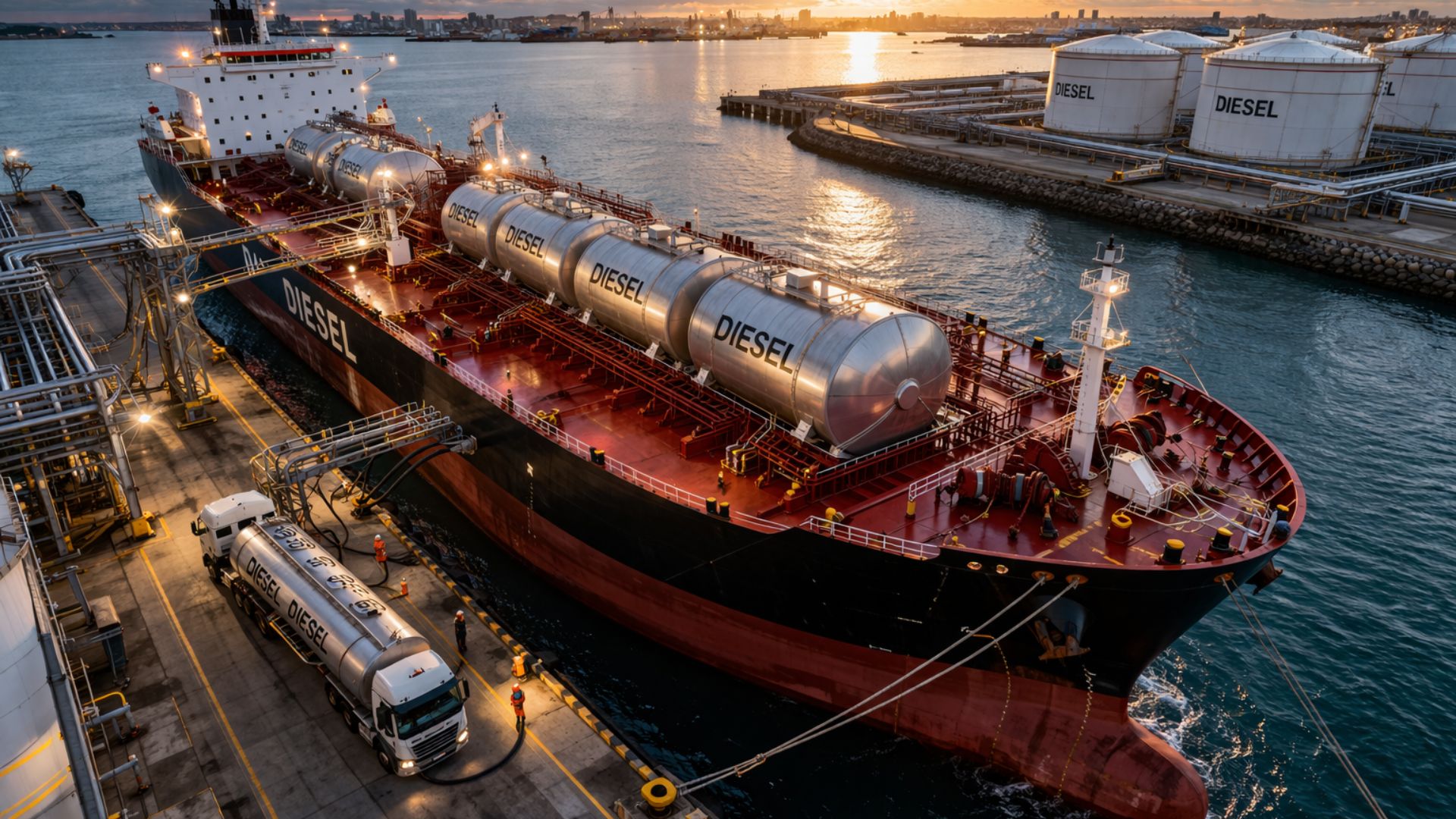
Former president of IBP highlights that dependence on diesel imports pressures prices in Brazil, increases vulnerability to global crises, and underscores the need for more robust and sustainable energy policies.
-
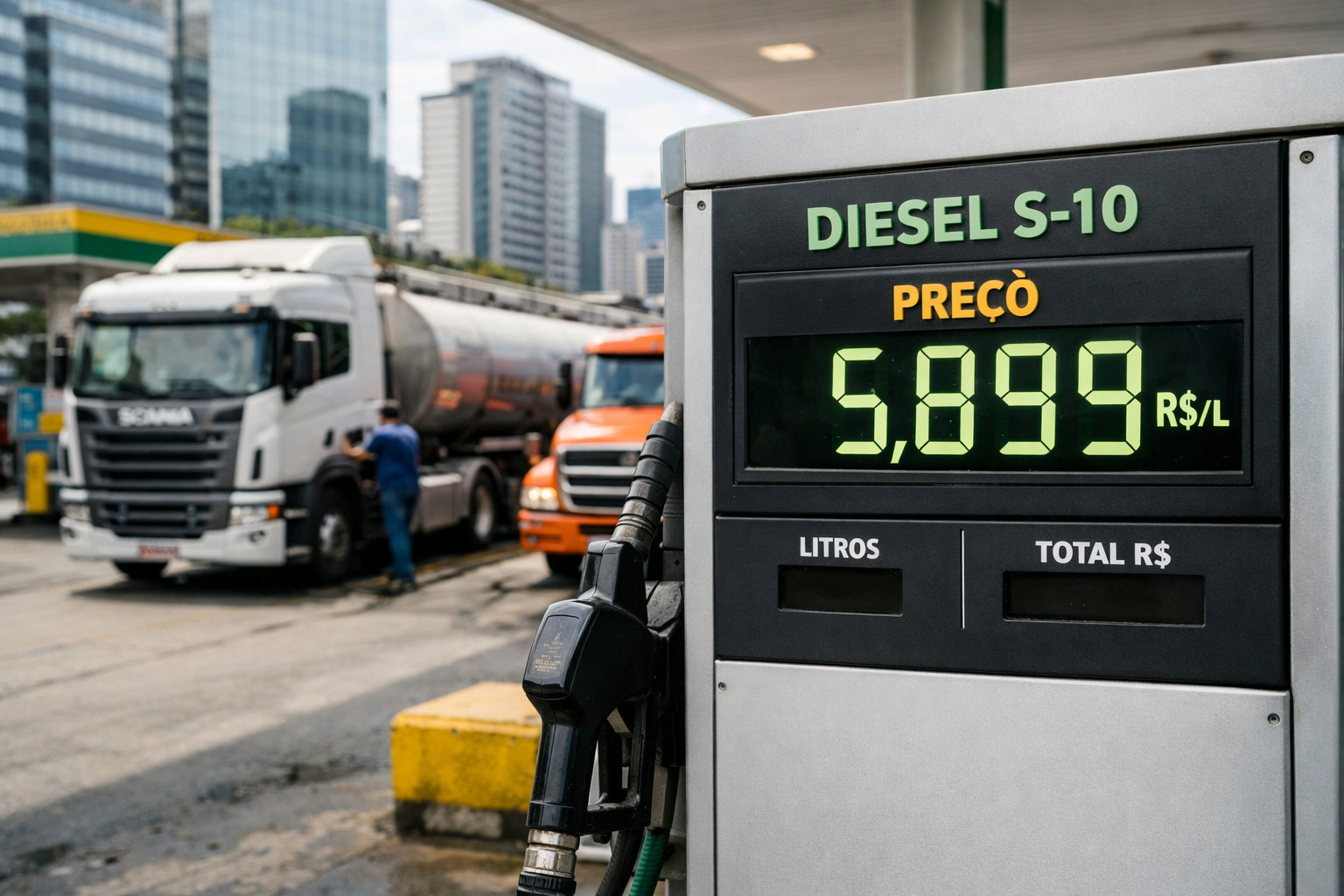
Middle East War Drives Up Oil Prices, And Petrobras Increases Diesel: Fuel Reaches R$ 3.65 Per Liter At Distributors
-
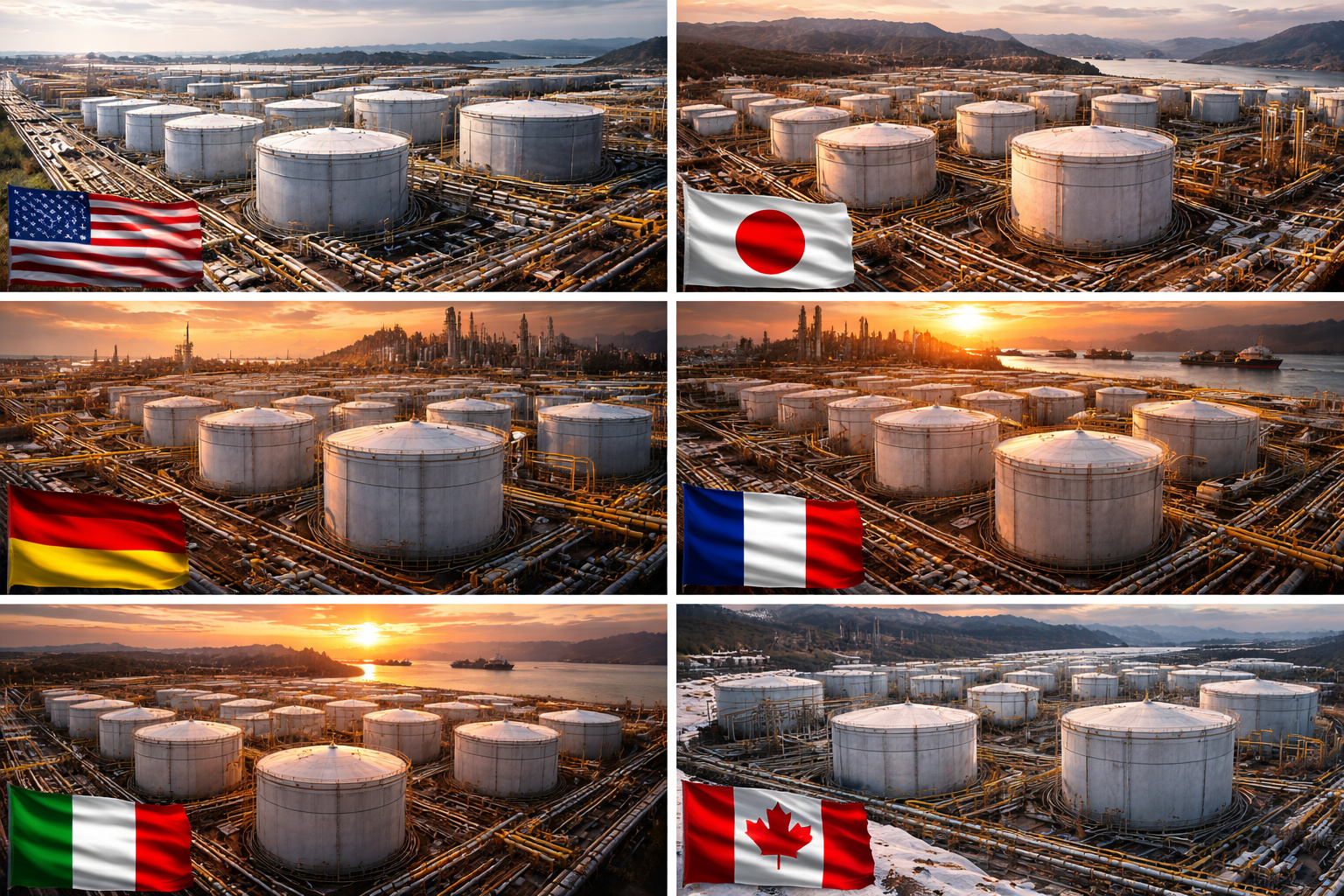
Oil Soars to Nearly $120, Middle East Tensions Shake Global Market, and a Little-Known Detail Returns to Energy Debate: The Gigantic Strategic Reserves Hidden by G7 Countries — See How Many Millions of Barrels Each Nation Holds in Reserve to Face a Global Crisis
-
Gasoline And Diesel May Change Course In Brazil: International Oil Pressure Renews Debate On Prices And Direct Impact On Drivers’ Wallets
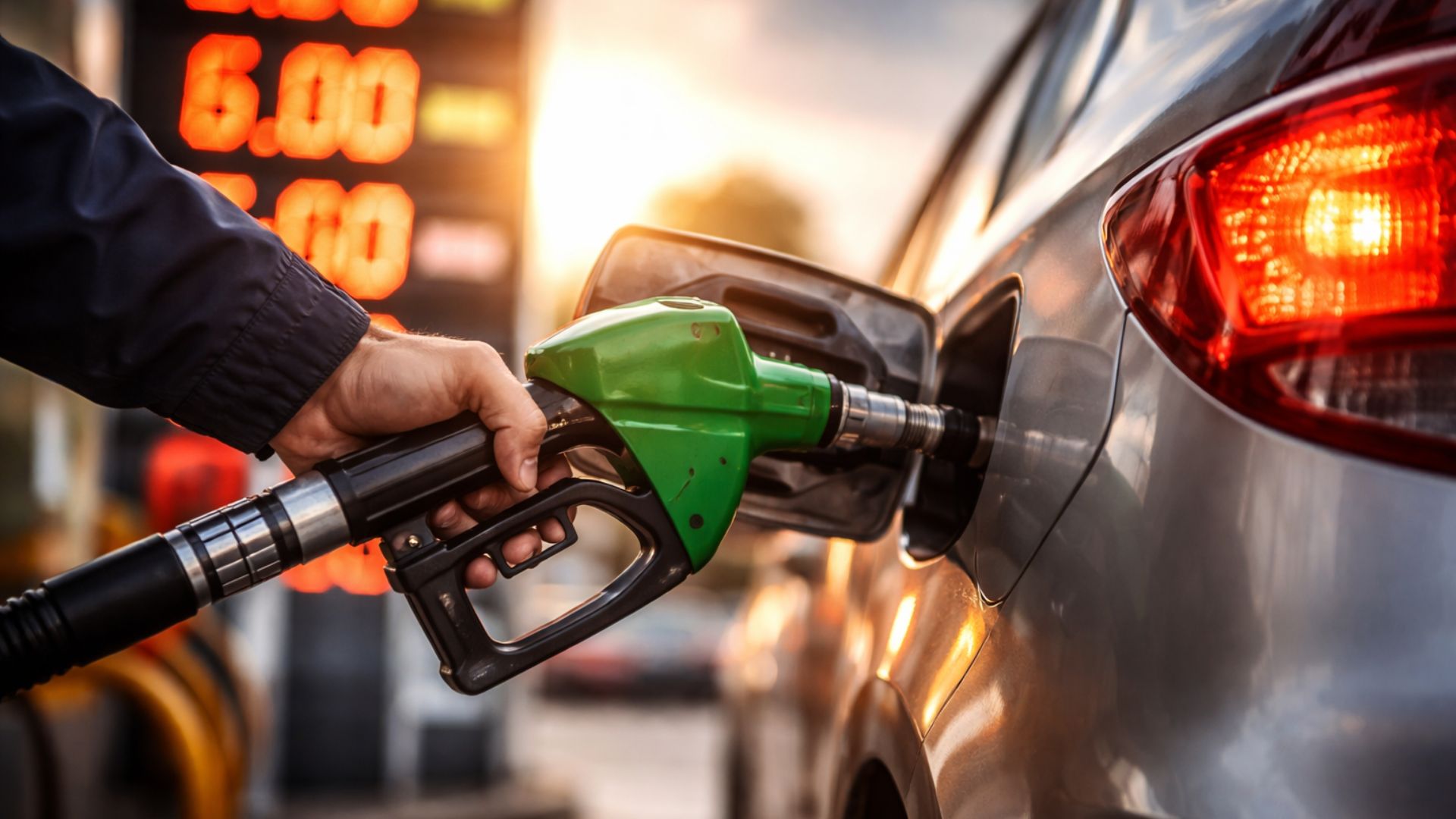

In light of this, experts suggest simple and legal measures that help consumers protect themselves while refueling.
Adulterated Fuel Grows and Concerns Consumers
The problem of adulterated fuel goes beyond immediate financial losses.
Gasoline, ethanol, or diesel that are outside standards can cause engine damage, increased consumption, mechanical failures, and higher emissions of pollutants.
Moreover, the impact extends to the environment and public health.
Irregular mixtures increase the release of harmful gases and compromise the performance of vehicles, especially modern ones that use sensitive electronic systems.
Given this scenario, understanding how to identify adulterated fuel has become a basic necessity for those who rely on their cars daily.
Very Low Prices May Indicate Fake Fuel
Aggressive promotions attract attention but require caution.
Prices significantly below the regional average are one of the main signs of fake fuel.
This happens because adulteration illegally reduces costs, allowing for artificially lower prices.
Therefore, when encountering offers outside the standard, consumers should be wary and seek market references before refueling.
Thus, what seems like immediate savings can turn into a high cost for maintenance.
Increased Attention to Irregular Gas Stations
Another critical point is the so-called irregular gas stations, commonly known as “cloned stations” or “pirate stations.”
These establishments often copy the colors and visual identity of large brands, but operate without official branding.
For this reason, they are more vulnerable to illegal practices, such as the sale of adulterated fuel.
In this regard, checking whether the station has a recognized brand and good reputation among consumers is an essential preventive measure.
Receipt is Protection Against Adulterated Fuel
Requesting a receipt after refueling is a consumer’s right and one of the most effective means of legal protection.
This document is crucial if the driver needs to prove the origin of the fake fuel in case of mechanical failure or legal actions.
Without the receipt, it becomes much more difficult to hold the supplier accountable.
Therefore, even during quick refueling, the receipt should not be ignored.
Fuel Pump Fraud Requires Attention
The so-called fuel pump fraud, also known as “ghost pump,” occurs when the display shows a volume greater than what was actually dispensed.
Although it is not always easy to identify, the driver can use logic as an ally.
Knowing the total tank capacity and observing the level before refueling helps to notice inconsistencies.
If the tank is half full and the pump indicates an incompatible volume, the alert should be immediate.
Suspicion Grants the Right to Testing at the Station
Few consumers know, but the law provides the right to request quality tests at the time of refueling.
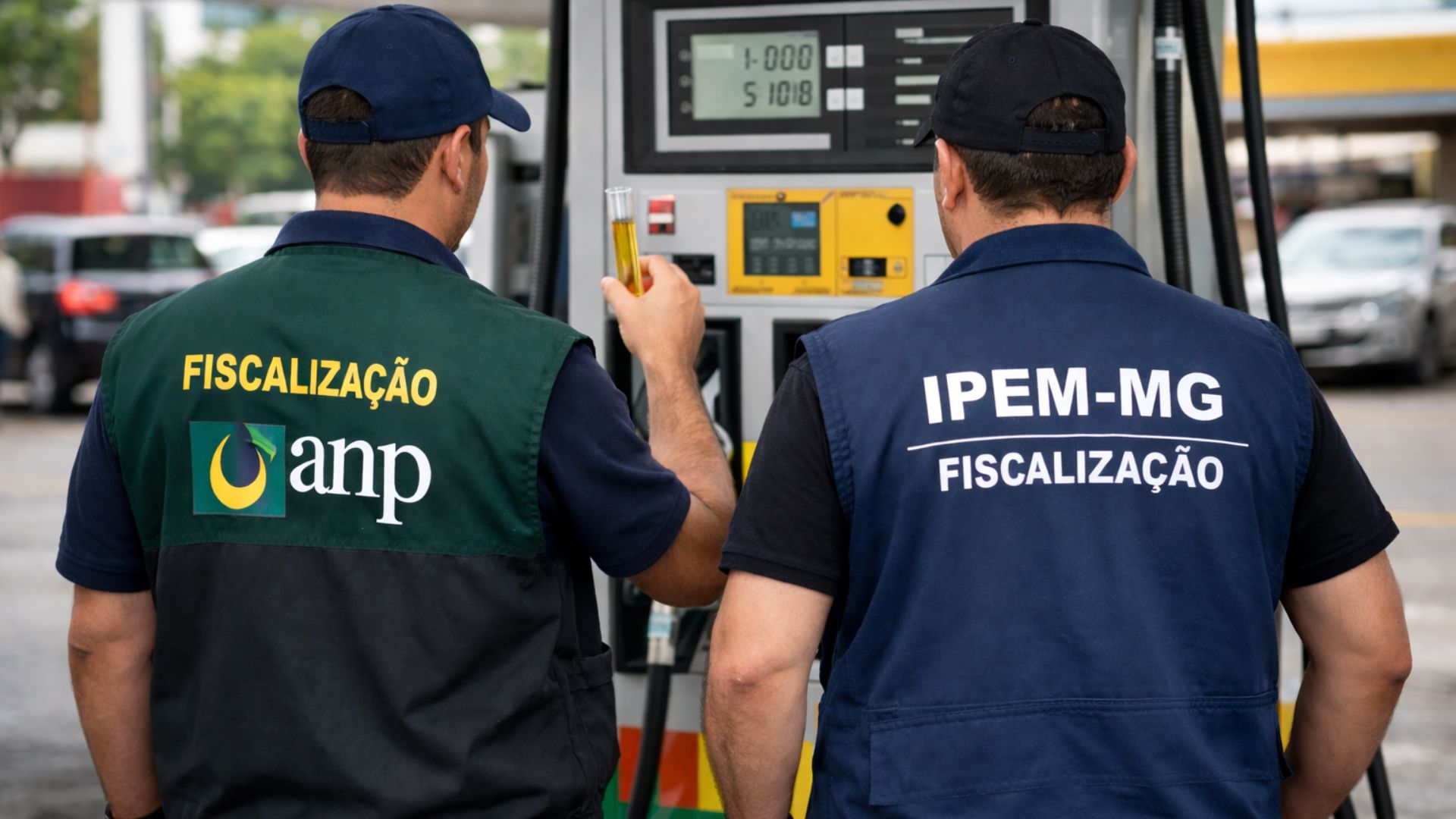
If there is suspicion of adulterated fuel, the driver may demand tests with a measuring cylinder or densitometer, which check if the product meets legal standards.
The station is required to perform the procedure on the spot.
If the result is irregular, the establishment can be reported to the relevant authorities, reinforcing the fight against irregular gas stations.
Information is the Best Defense for Consumers
In light of the rise of fake fuel, being well-informed makes all the difference.
Small actions, such as being suspicious of very low prices, requesting receipts, and observing the refueling process, significantly reduce risks.
Furthermore, knowing how to identify adulterated fuel enhances the consumer’s role in combating illegal practices.
The greater the vigilance, the less room for fraud in the fuel market.
In an increasingly challenging scenario, attention and information remain the best allies for those who want to refuel safely.
See more at: 5 Tips to Avoid “Fake Fuel” When Refueling – Canaltech









-

-

-

4 pessoas reagiram a isso.