





 Portuguese
  English
  Spanish
  4 min of reading
  0 comments


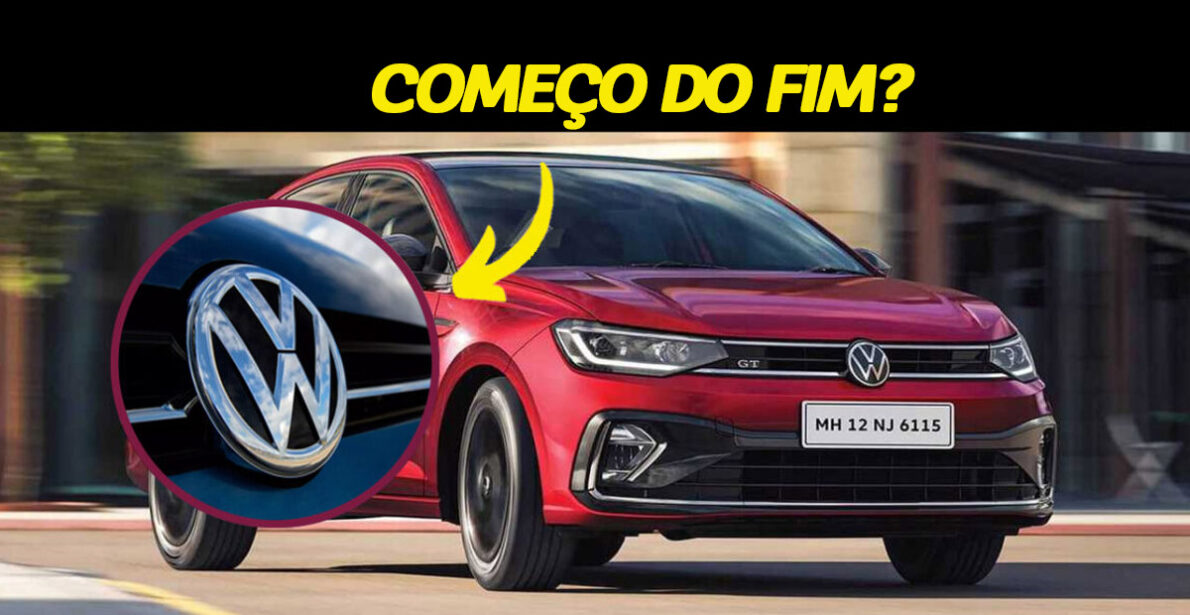
Volkswagen Ends A Three-Decade Agreement That Guaranteed Jobs In Its Factories. The Decision, Part Of A Cost-Cutting Strategy, Prepares The Manufacturer For A Direct Confrontation With Unions.
In a move that could mark the beginning of a profound transformation in the German labor market, Volkswagen, one of the pillars of the global automotive industry, surprises by announcing the end of an agreement that guaranteed stability for workers in its factories.
The decision raises numerous questions about the future of the company and the automotive sector itself, leaving many wondering: how far will the impact of this measure go? The news, recently revealed, is a clear sign that the manufacturer is prepared to make radical changes.
Volkswagen Ends Three Decades Of Guarantees
This Tuesday (10), Volkswagen officially announced the end of an agreement that, for three decades, ensured employment for workers in its factories in Germany until 2029.
-
Engineers propose a fourth traffic light for intersections – the change promises to affect crossings, queues, and waiting times.

-
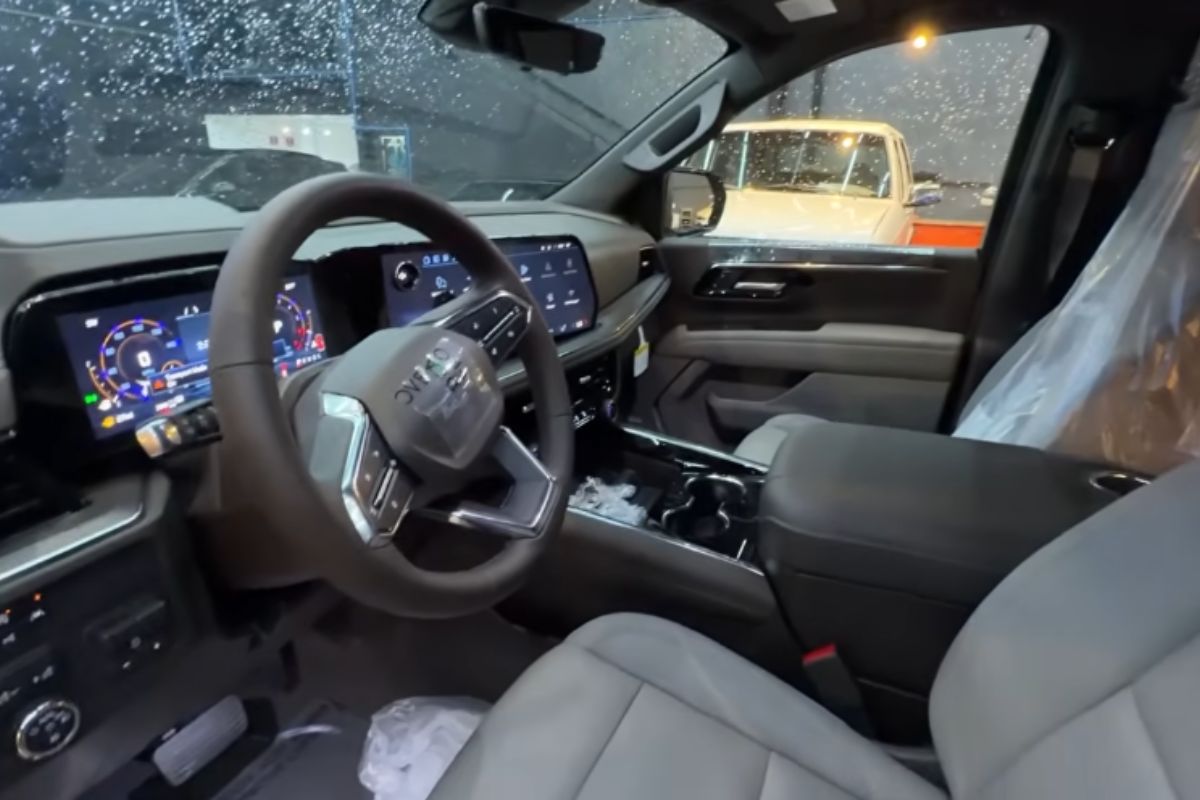
Chevrolet Suburban Z71 lands in Brazil with a V8 engine, off-road design, air suspension, seven seats, and colossal size, a rare version imported for around R$ 1.3 million with luxury and exclusivity.
-
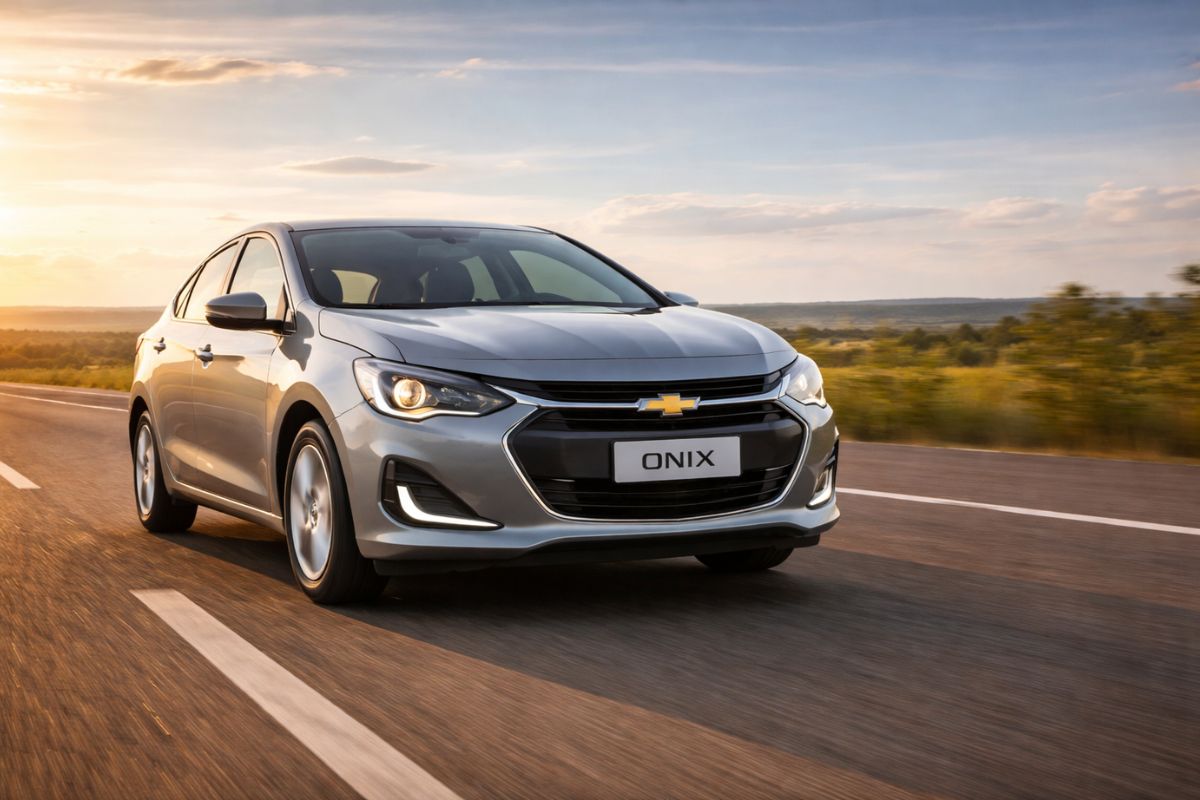
The Chevrolet Onix 1.0 turbo achieves 17.7 km per liter on the highway and ranks among the three most economical cars in Brazil in 2026, alongside two more expensive Toyota hybrids available at dealerships.
-
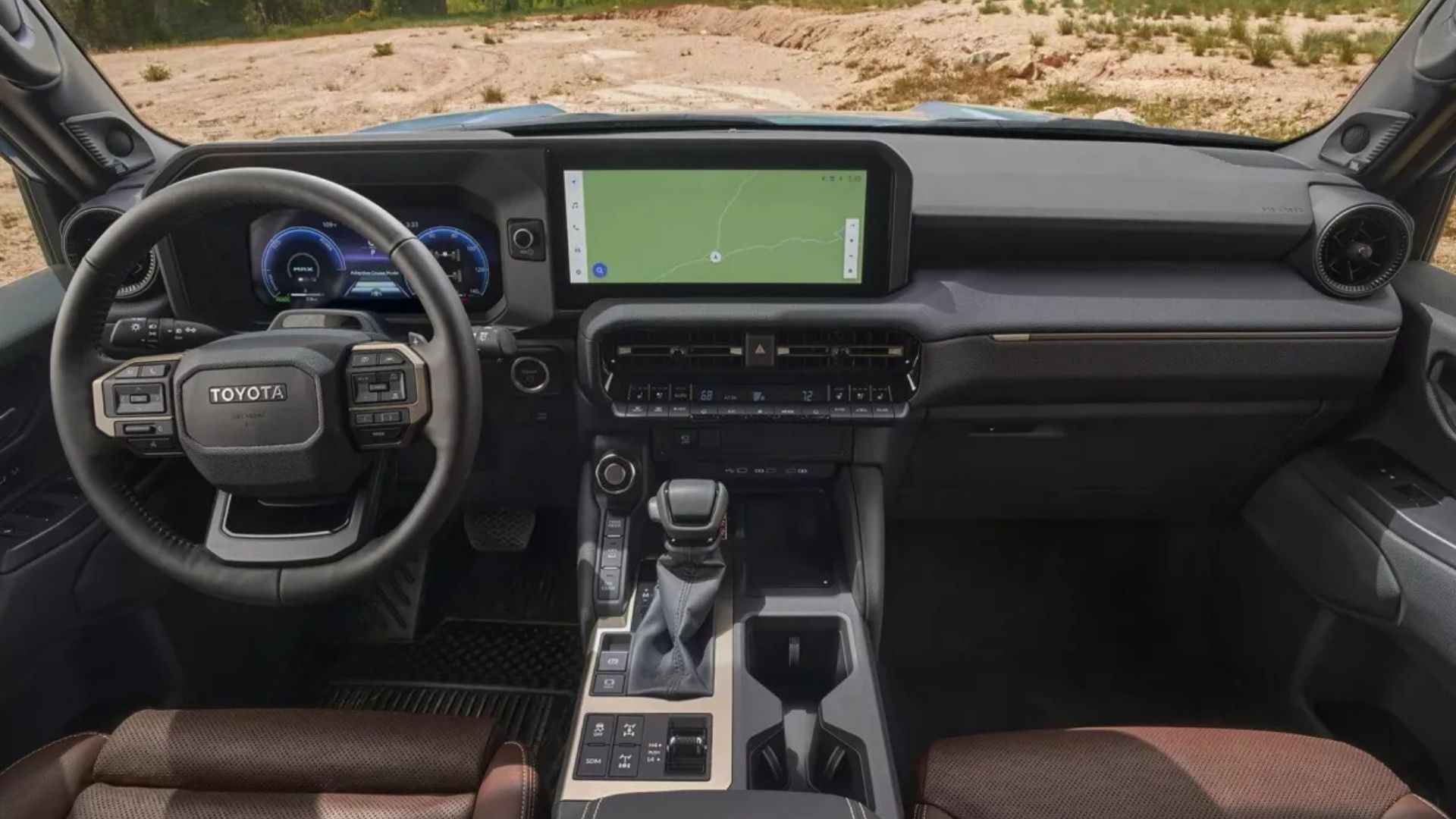
Little sister of the Hilux: Toyota launches Land Cruiser FJ with 4 radical versions, 2.7 engine with 166 hp and 4×4 traction with locking.

This decision is part of a broader cost-cutting strategy, necessary to face a series of challenges that are putting pressure on the German automotive industry. The guarantees will end as early as 2025, marking a new phase in the company’s relationship with its employees and unions.
According to Volkswagen itself, the measure aims to align production costs in Germany to a more competitive level in the global scenario. “We need a leaner cost structure,” said Gunnar Kilian, head of human resources at the manufacturer.
This change directly affects VW’s main passenger car brand, which has already been struggling to adapt to the transition to electric vehicles, as well as a slowdown in consumption.
Economic Crisis And International Competition
The situation at Volkswagen is not unique. Other European automakers also face similar challenges, particularly regarding competition with innovative companies like Tesla and the rise of Chinese manufacturers, such as BYD.
The global electric vehicle market has become a true race for leadership, and companies that take too long to adapt may suffer severe consequences. According to experts, VW’s factories are struggling to keep up with the new competitive reality.
The manufacturer, which employs nearly 300,000 people in Germany, faces additional obstacles. One of the main issues is the company’s governance structure, where half of the seats on the supervisory board are occupied by worker representatives.
Additionally, the state of Lower Saxony, which holds 20% of Volkswagen’s shares, often aligns with union interests, complicating any attempts at deep cost-cutting measures.
Confrontation With Unions
According to Folha de S. Paulo, Volkswagen’s decision has already caused an immediate reaction among workers. Daniela Cavallo, the main representative of VW employees and a member of the supervisory board, was emphatic in stating that the union will not accept this change without a fight.
“We Will Fiercely Resist This Historic Attack On Our Jobs,” said Cavallo in a statement. She further assured that as long as the unions have a voice, “there will be no layoffs.” This promise suggests that the confrontation between the company and employees is just beginning.
Furthermore, Volkswagen justified its plan to close factories by arguing that the market can no longer sustain the number of production units that the company has in the country.
With Car Sales Declining, the manufacturer stated that it already has two factories more than necessary. This excess capacity may have been one of the factors that precipitated the decision to end job guarantees.
Impact On The German Labor Market
The end of job guarantees affects not only Volkswagen but also generates repercussions in the German economy as a whole.
Germany, known for its robust automotive industry, may face a broader restructuring in its industrial sector, especially if other companies follow Volkswagen’s example.
The transition to electric vehicles and global competition are forcing the country to rethink its labor and investment policies.
Meanwhile, the German government and unions face a difficult task: negotiating the best possible conditions to avoid a job crisis.
Analysts Warn that Volkswagen’s decision may be just the beginning of a broader movement of cuts and adjustments in the sector, with significant implications for the country’s labor market.
Volkswagen’s Situation In Brazil
In Brazil, Volkswagen remains one of the main manufacturers operating, with four factories and a consolidated presence in the national market.
Although the company also faces challenges related to the transition to electric vehicles, the Brazilian factories are not directly affected by the recent announcement of job guarantee cuts in Germany.
However, the global automotive industry landscape, including the need for cost reduction and adaptation to new technologies, may influence the manufacturer’s future decisions in Brazil.
Could Drastic Changes In Germany Reflect Similar Adjustments In Volkswagen’s Operations In Brazil, Also Affecting Workers Here?








Seja o primeiro a reagir!