





 Portuguese
  English
  Spanish
 3 min of reading
  0 comments



The Strengthening of the Rice, Bean and Seed Trade Between Brazil and Costa Rica Opens New Opportunities in Agricultural Exports and Sustainability, Strengthening the Regional Agri-Food Market
The rice, bean and seed trade between Brazil and Costa Rica gained new momentum with the business roundtable held between September 24 and 26 in San José, promoted by the Ministry of Agriculture and Livestock (Mapa).
The initiative was coordinated by the Agricultural Attaché of Brazil, Priscila Rech Pinto Moser, with support from the Embassy of Brazil, bringing together Brazilian companies and Costa Rican importers, according to a report published.
The meeting aimed to expand commercial cooperation, explore new export opportunities, and consolidate Brazil as a strategic partner in supplying essential products for local consumption.
-
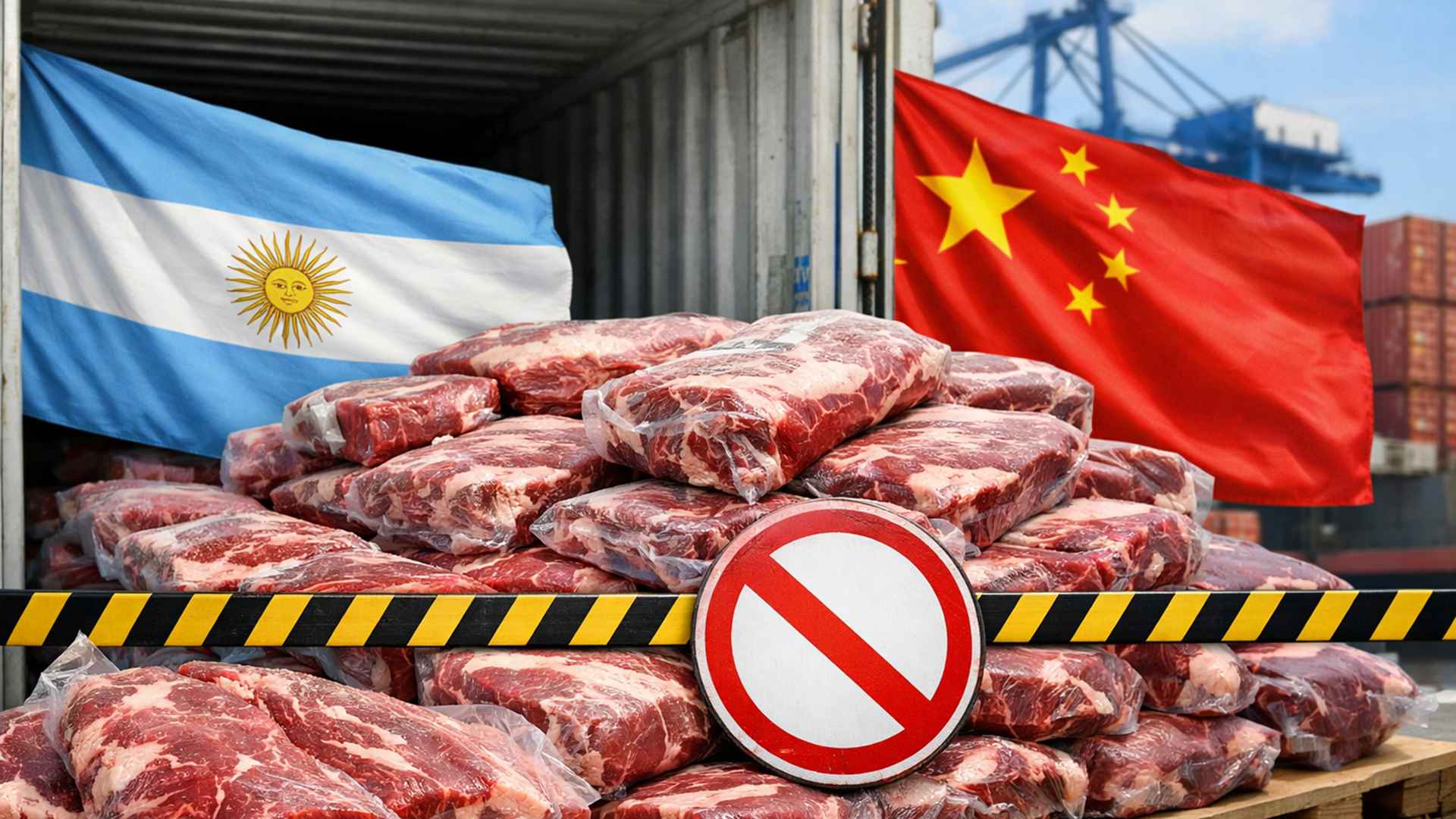
China banned the export of 22 tons of meat from Argentina.
-
While Russia dominates the global wheat market, Brazil emerges as an unexpected competitor in the Cerrado, offering grain available in July and August when stocks in the Northern Hemisphere are at their lowest point of the year.

-
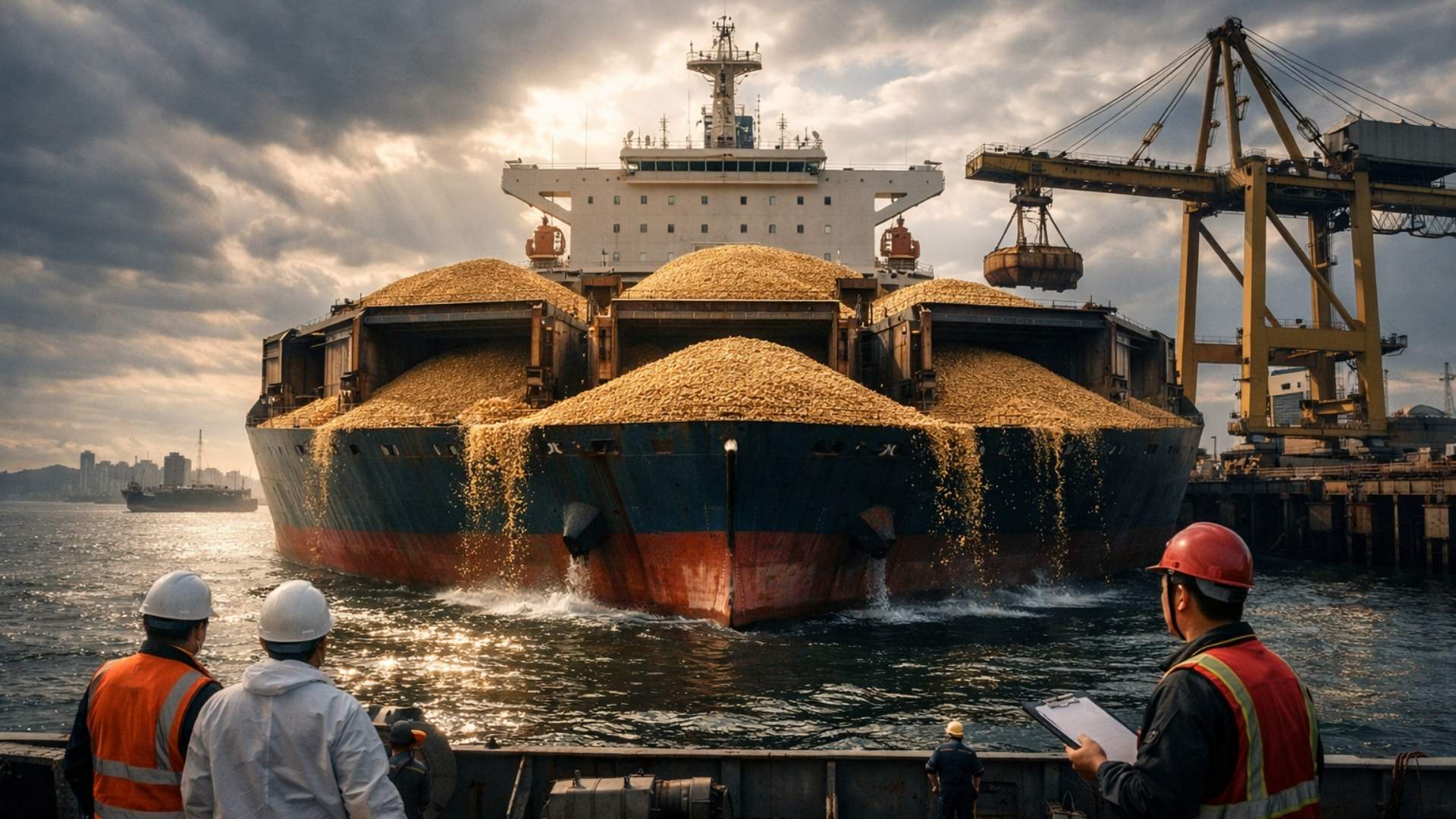
China returned almost 20 Brazilian ships with soybeans, but now everything could change: the country that buys 80% of the grain is considering relaxing regulations after impurities held up shipments of thousands of tons and caused million-dollar losses.
-
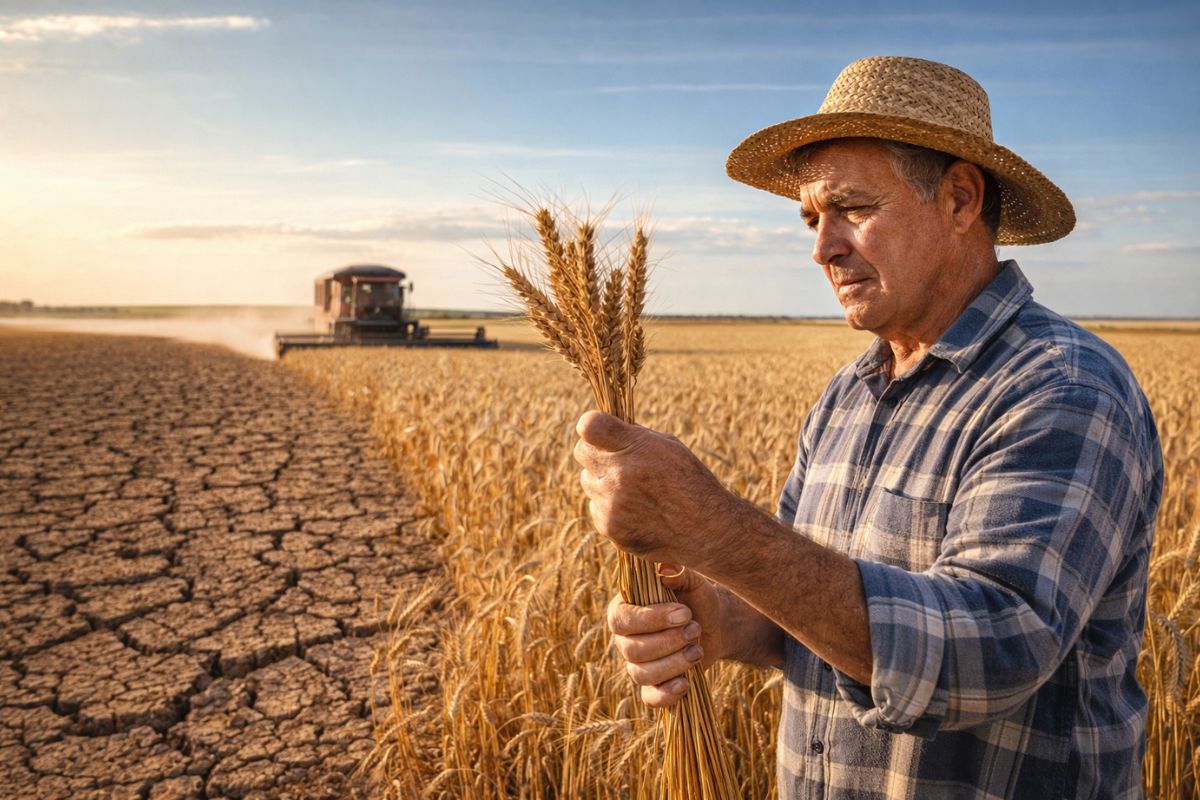
The drought of the cerrado was considered an enemy of wheat, but Brazilian scientists turned the lack of rain into a competitive advantage by creating a grain with quality that is already attracting the attention of international mills around the world.

During the three days of the event, meetings were held at the Embassy, visits to supermarkets, and inspections at food sector companies to understand production, packaging, and distribution processes.
The Brazilian delegation also attended a meeting with the National Production Council (CNP), the body responsible for policies of support for family farming, inclusion of small and medium producers, and quality control of imported beans.
Brazilian Agricultural Exports Advance in the Costa Rican Market
The expansion of the rice, bean and seed trade is directly linked to the consumption potential of Costa Rica, a country with about 5 million inhabitants and a per capita GDP of US$ 12,508.
The average annual consumption of 48 kg of rice per capita and 12 kg of beans per capita demonstrates the essential role of these foods in the local diet, present in typical dishes such as casado and gallo pinto, consumed daily at breakfast, lunch, and dinner.
According to Agricultural Attaché Priscila Moser, the roundtable was “extremely positive,” reinforcing the attractiveness of the Costa Rican market and its openness to new partnerships.
In 2024, Brazil exported over US$ 272 million in agricultural products to the country, highlighting cereals, flours, food preparations, and soy complex.
This result signals a growing movement of economic integration and diversification of the trade agenda between the two countries.
Agricultural Sustainability and High-Quality Seeds Gain Prominence
The strengthening of the rice, bean and seed trade also reflects the bilateral commitment to agricultural sustainability and technological innovation.
The technical visits conducted at companies in Costa Rica allowed for the exchange of experiences regarding the use of certified seeds, origin tracking practices, and phytosanitary control, fundamental aspects to ensure quality and productivity in the field.
The National Production Council (CNP) has played an important role in promoting productive inclusion programs and seed distribution for small farmers, strengthening local supply chains and promoting food security.
This alignment of public policies creates opportunities for Brazil to expand its presence as a reliable supplier of seeds and technologies adapted to the Central American climate, favoring joint growth and environmental balance.
Gastronomic Tourism and International Demand Boost Agri-Food Sector
Another highlight in the rice, bean and seed trade is the impact generated by gastronomic tourism and the growing demand from the HORECA sector (hotels, restaurants, and cafés).
In 2024, Costa Rica received 2.6 million tourists, strengthening the need for a continuous supply of quality food.
This movement creates new opportunities for the Brazilian agribusiness, which can serve the market with standardized, traceable and high value-added products.
The strategic location of Costa Rica in Central America and its urban middle-class profile reinforce the importance of sustainable and technological partnerships.
The exchange between producers and importers has the potential to expand trade flow and consolidate Brazil’s image as a reliable and innovative supplier, integrating productive efficiency and environmental commitment.








Seja o primeiro a reagir!