





 Portuguese
  English
  Spanish
 3 min of reading
  0 comments


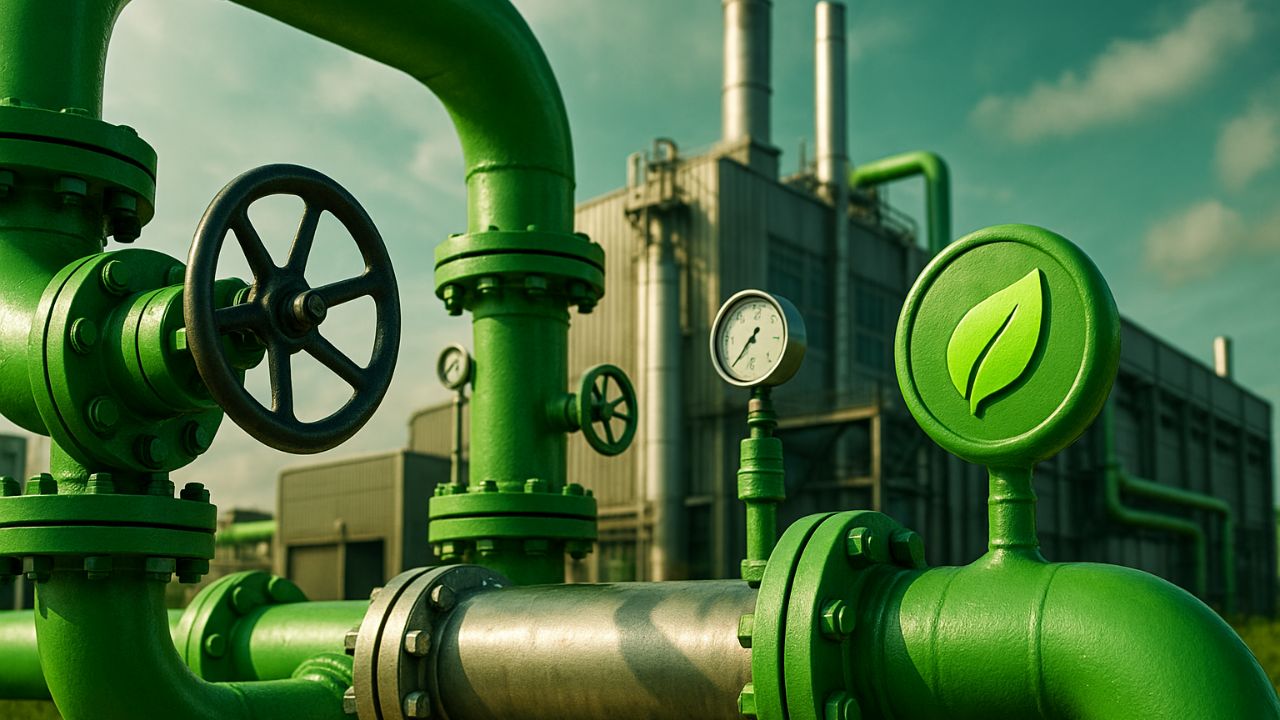
Comgás Opens New Call for Biogas Purchase and Drives Decarbonization in Agriculture and the Paulista Industry.
A Comgás opened a new public call on Monday (11/03) to acquire biogas and expand the use of renewable fuel in São Paulo.
The initiative, aimed at supplying companies, runs until December 3, 2025, and seeks to reinforce the commitment to decarbonization in the energy sector.
The largest natural gas distributor in Latin America aims to serve captive market consumers, especially industries and heavy vehicles, and strengthen the regional energy transition by integrating biogas into its network.
-
The Economist states that Brazil has a “secret weapon” against expensive oil and highlights how the country can reduce economic impacts even in international scenarios of high volatility.
-
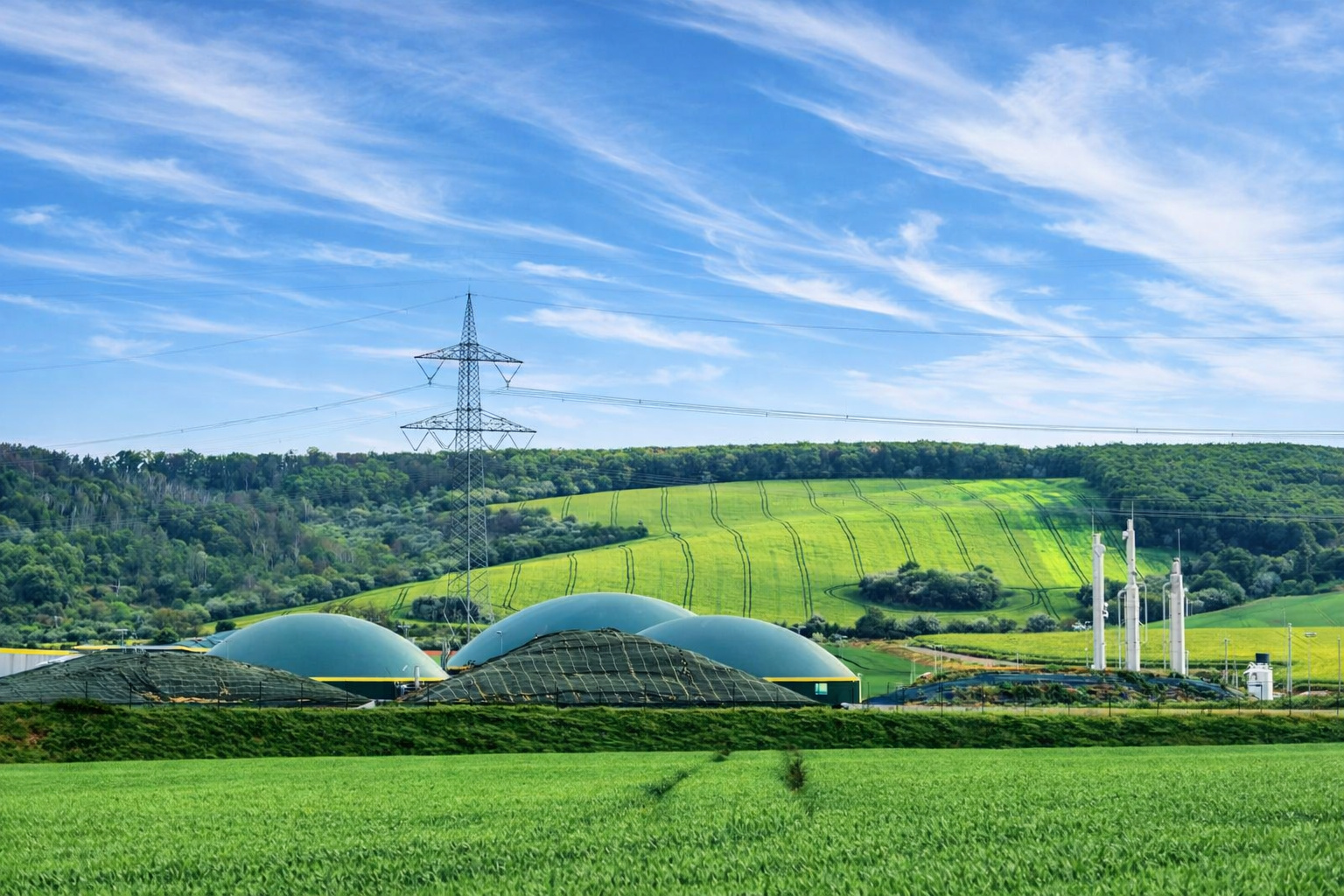
Brazil accelerates decarbonization in the South: International forum in Foz do Iguaçu gathers leaders to discuss the advancement of biomethane in the energy matrix and the potential of “caipira pre-salt.”
-
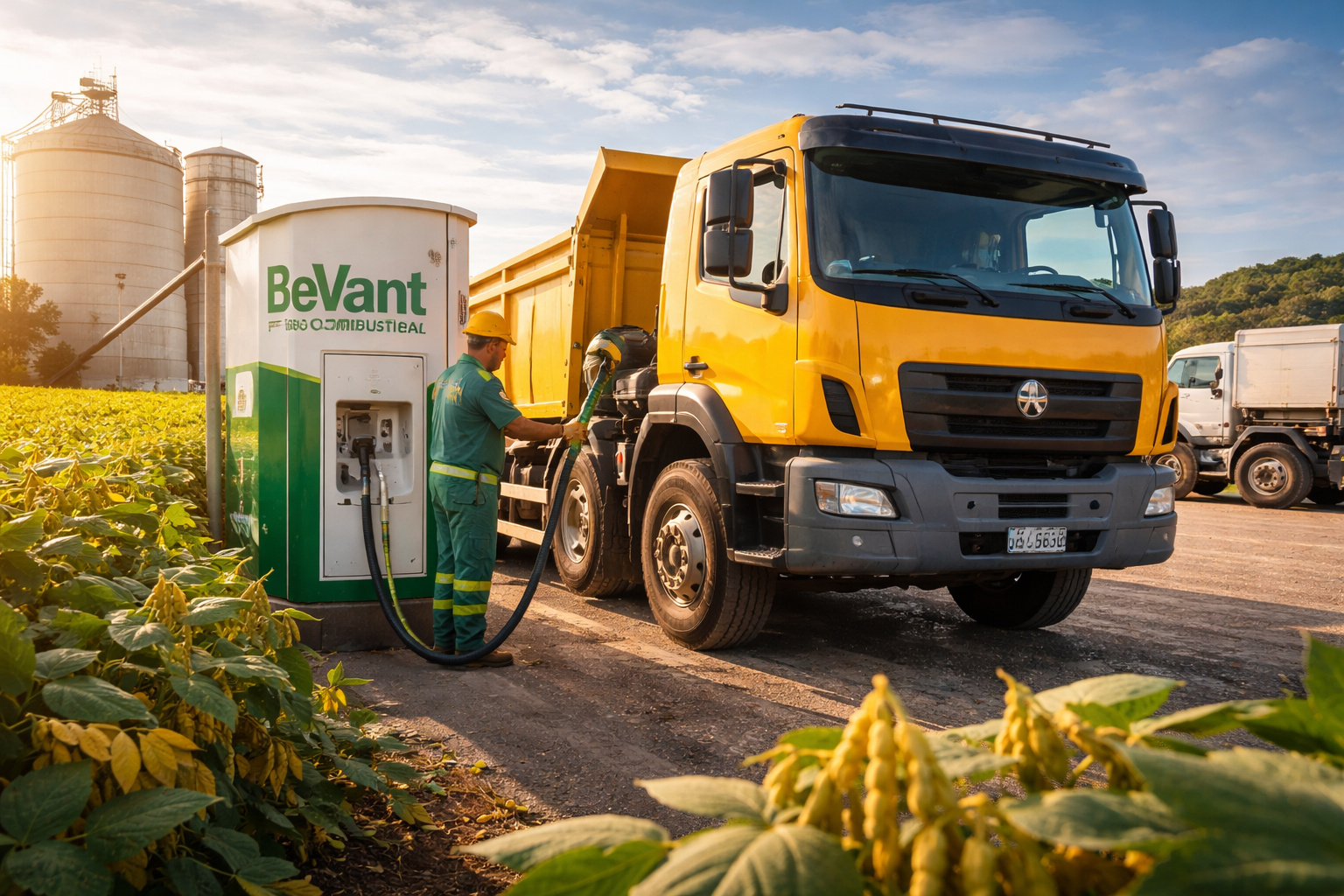
As diesel prices soar due to conflicts in the Middle East, a Brazilian city decides to test a little-known biofuel that promises to completely replace fossil fuel without adaptation and could change the future of energy in the country.
-
Innovation with biofuel engines transforms agribusiness by replacing diesel without the need for major adaptations, ensuring energy efficiency and helping to reduce dependence on oil.
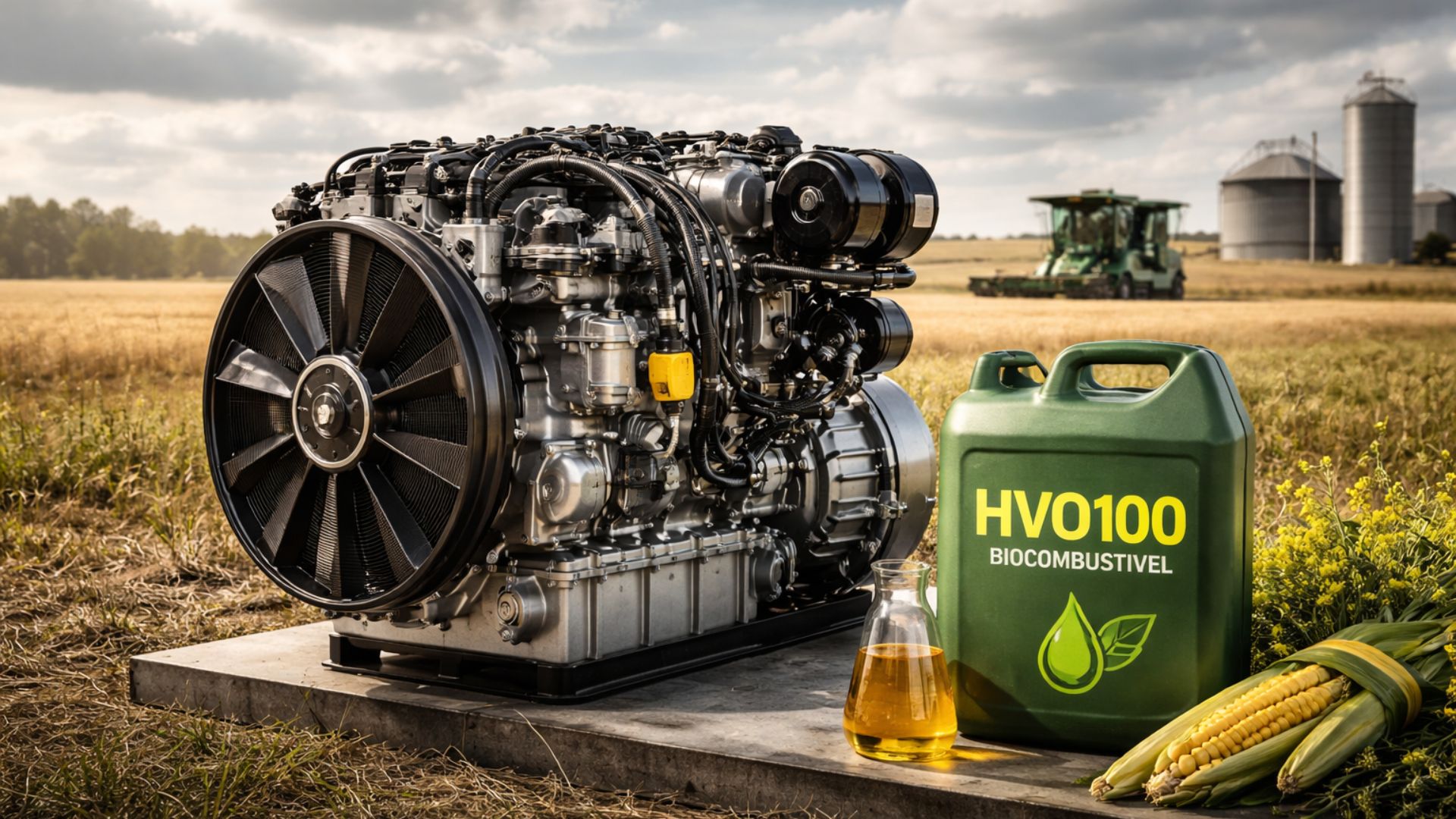

This movement comes amid the advancement of national public policies that encourage the substitution of conventional natural gas with biogas and biogas, strategic sources for reducing emissions and generating value in agriculture and industry.
Thus, the company reinforces its position as a protagonist in the clean energy and innovation agenda.
Biogas Takes Center Stage in the New Phase of the Paulista Energy Transition
The public call from Comgás aims to intensify the purchase of biogas — renewable gas purified from biogas — to inject it directly into the existing infrastructure without the need for technological adaptations.
Thus, the company optimizes the current network while expanding the supply of this sustainable fuel.
According to the distributor, the focus is on supplying industries and fleets of heavy commercial vehicles, segments responsible for a significant part of gas consumption and carbon emissions.
With this, biogas positions itself as a crucial solution to accelerate economic decarbonization and offer sustainable competitiveness to the Paulista market.
Agriculture and Circular Economy: Waste Gains Energy Value
Biogas is obtained from the decomposition of organic waste, such as agricultural residues, urban waste, agricultural waste, and industrial materials.
In other words, it transforms environmental challenges — such as waste management — into opportunities for agriculture and the circular economy.
Additionally, the fuel’s main component is methane (CH₄) and replaces natural gas with similar efficiency, directly contributing to emission reductions and energy matrix diversification.
Decarbonization and Government Goals Drive Biogas in the Country
The Comgás plan is aligned with the federal mandate for biogas, which establishes mandatory mixing targets for the renewable gas in the urban distribution network.
This policy aims to anticipate demand, attract investments, and consolidate the sector as a strategic axis of the energy transition in Brazil.
According to the company, “the fuel can be injected directly into the existing distribution network, without the need for technological adaptations,” reinforcing the technical and economic feasibility of the measure.
With regulatory predictability and incentives for biogas and biogas, new projects and production plants are likely to multiply, especially benefiting regions with strong agro-industrial activity, such as the interior of São Paulo.







-

Uma pessoa reagiu a isso.