





 Portuguese
  English
  Spanish
  4 min of reading
  0 comments


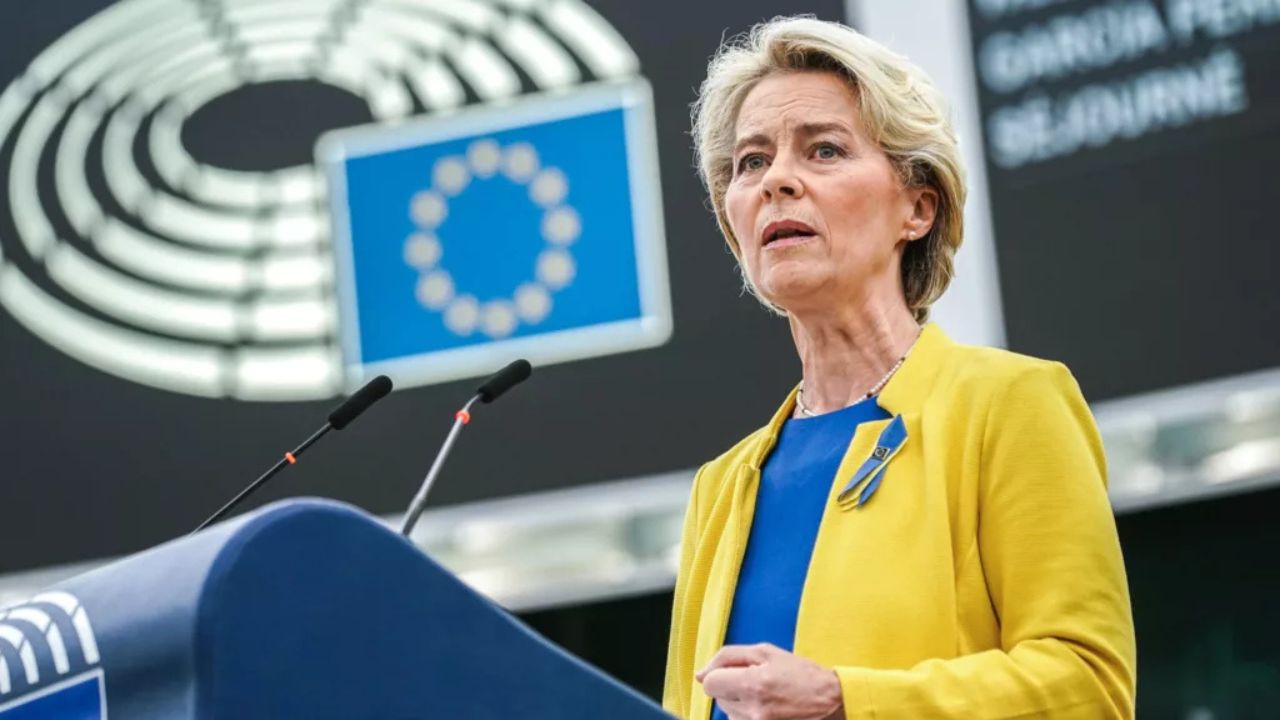
The European Commission Strengthens Its Climate Strategy With New Funding For Renewable Energy Projects In Africa, Accelerating The Energy Transition On The Continent
On September 27, 2025, during the Global Citizen Festival, the President of the European Commission, Ursula von der Leyen, announced a package of € 545 million aimed at accelerating the energy transition in Africa.
The announcement, made through a video message in the context of the United Nations General Assembly, represents a strategic step by the European Union to foster sustainable development and expand access to renewable energy in the African continent.
European Commission Leads Strategic Investment In Renewable Energy
The initiative is part of the Global Gateway investment plan, which aims to mobilize up to € 300 billion in sustainable projects by 2027. The announced package reinforces the European commitment to global decarbonization, the generation of green jobs, and the promotion of economic stability in African countries.
-
Renewable energy advances over protected areas in Brazil, and a survey by the Energy Transition Observatory reveals silent impacts that challenge environmental conservation and pressure sensitive traditional territories.

-
Rio Grande do Sul accelerates energy transition: State invests in renewable technologies and consolidates decarbonization strategies and pathways to attract billions in new industrial investments.

-
With 160,000 m² of collectors, an area larger than 20 football fields, Silkeborg, in Denmark, hosts a solar thermal plant that heats 19,500 homes and could become the largest solar heating plant in the world.

-
A study reveals the expansion of renewable energy procurement in Brazil and shows how companies are taking advantage of opportunities to reduce expenses, ensure energy efficiency, and strengthen strategic environmental commitments.

The European Commission, through the Global Gateway plan, is intensifying its efforts to support Africa in the energy transition. The € 545 million package will be directed to projects involving:
- Electrification of rural communities
- Modernization of electric grids
- Expansion of access to renewable energy
- Strengthening energy efficiency
According to the official statement, the goal is to contribute to the global targets set at COP28, which include tripling renewable energy capacity and doubled energy efficiency by 2030.
Ursula von der Leyen, emphasizing the continent’s central role in the fight against climate change, stated that the decisions made by Africa today are shaping the future of the global community.
Africa And Its Untapped Energy Potential
Africa has over 60% of the global solar potential still untapped, according to IRENA. However, about 600 million Africans still live without reliable access to electricity. This energy paradox makes the continent fertile ground for investments in renewable energy.
The European package seeks to turn this potential into reality by promoting projects that bring light, development, and sustainability to millions of people. The initiative also aims to position Africa as a global leader in clean energy production.
Energy Transition As A Driver Of Economic Development
The energy transition in Africa is not only an environmental issue but also an economic and social one. The European Commission’s investments promise:
- Creating thousands of green jobs
- Reducing energy poverty
- Stimulating sustainable economic growth
- Strengthening regional energy security
Studies from the International Energy Agency (IEA) indicate that the transition to renewable sources could create up to 13 million jobs in the energy sector by 2030, many of them in developing countries.
Furthermore, access to electricity is a decisive factor for advancing education, health, and productivity in rural and urban communities. Renewable energy provides a scalable and sustainable solution to these challenges.
Global Gateway: Architecture Of Green Cooperation
The Global Gateway is more than an investment plan. It is a partnership philosophy between the European Union and developing countries. The strategy seeks to promote sustainable infrastructure in the areas of energy, transportation, health, education, and digitalization.
In the African context, the Global Gateway has already financed projects such as:
- Solar parks in Burkina Faso and Kenya
- Transmission networks in Mozambique
- Technical training in renewable energies in Senegal
The European Commission intends to expand these actions with the new package, prioritizing projects that have a direct impact on people’s lives and that are aligned with the UN Sustainable Development Goals (SDGs).
Renewable Energy And Social Inclusion In Africa
Renewable energy has the power to transform entire communities. By bringing electricity to isolated regions, it promotes social inclusion, improves quality of life, and strengthens local autonomy. The European package seeks precisely this type of impact.
With the support of the European Commission, more African countries are expected to adopt public policies focused on energy transition, creating favorable regulatory environments and attracting private investments. Technical training will also be essential to train local professionals capable of operating and maintaining energy systems.
Challenges Of The Energy Transition In Africa
Despite the optimism, the energy transition in Africa faces significant challenges:
- Limited infrastructure
- Lack of local financing
- Regulatory barriers
- Insufficient technical training
The European Commission acknowledges these obstacles and intends to work together with local governments, multilateral organizations, and the private sector to overcome them. The success of the initiative will depend on the ability to articulate integrated solutions that are adapted to the realities of each country.
Additionally, it is necessary to ensure that projects respect the rights of local communities, promote gender equity, and align with the principles of climate justice.


Renewable Energy As A Driver Of Geopolitical Stability
The European investment in renewable energy in Africa also has geopolitical implications. By strengthening the continent’s energy security, the European Union contributes to regional stability and reduces dependence on imported fossil fuels.
With greater energy autonomy, African countries can reduce conflicts related to access to natural resources, as well as improve their position in international negotiations on climate and trade. The European Commission sees this transformation as part of a new global energy order that is more balanced and sustainable.
Open Paths For A Shared Future
The announcement by the European Commission in September 2025 marks a turning point in the relationship between Europe and Africa in the energy sector. The € 545 million package represents more than a financial investment — it is a commitment to the future of the planet.
By supporting the African Energy Transition, the European Union strengthens its global climate leadership and contributes to the construction of a more resilient and inclusive energy system. For African countries, this is a historic opportunity to transform their natural potential into sustainable development.







Seja o primeiro a reagir!