





 Portuguese
  English
  Spanish
 4 min of reading
  0 comments


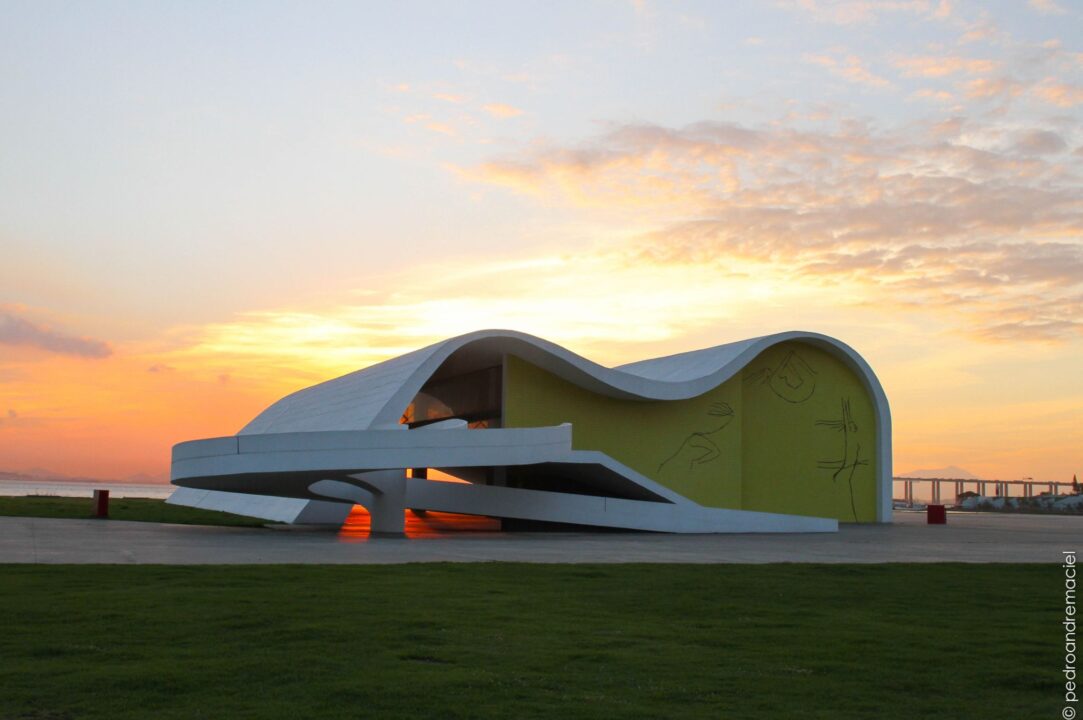
Blue Economy Moves Over US$3 Trillion Annually. Brazil Advances in the Ocean Economy with Events Like Tomorrow Blue Economy in Niterói in December 2024.
The blue economy generates more than US$3 trillion annually. Brazil is making significant advancements in the blue economy, driven by important events like Tomorrow Blue Economy, scheduled to take place in Niterói in December 2024.
The blue economy landscape demonstrates strong acceleration in Brazil, being recognized for its active participation in the ocean economy. Events like Tomorrow Blue Economy not only highlight this relevance but also foster discussions and policies aimed at new opportunities in the blue economy. These initiatives are essential for the sustainability and economic development of the country.
With 00 km of coastline, Brazil is advancing discussions on the economic potential of the oceans and their importance for sustainable development
-
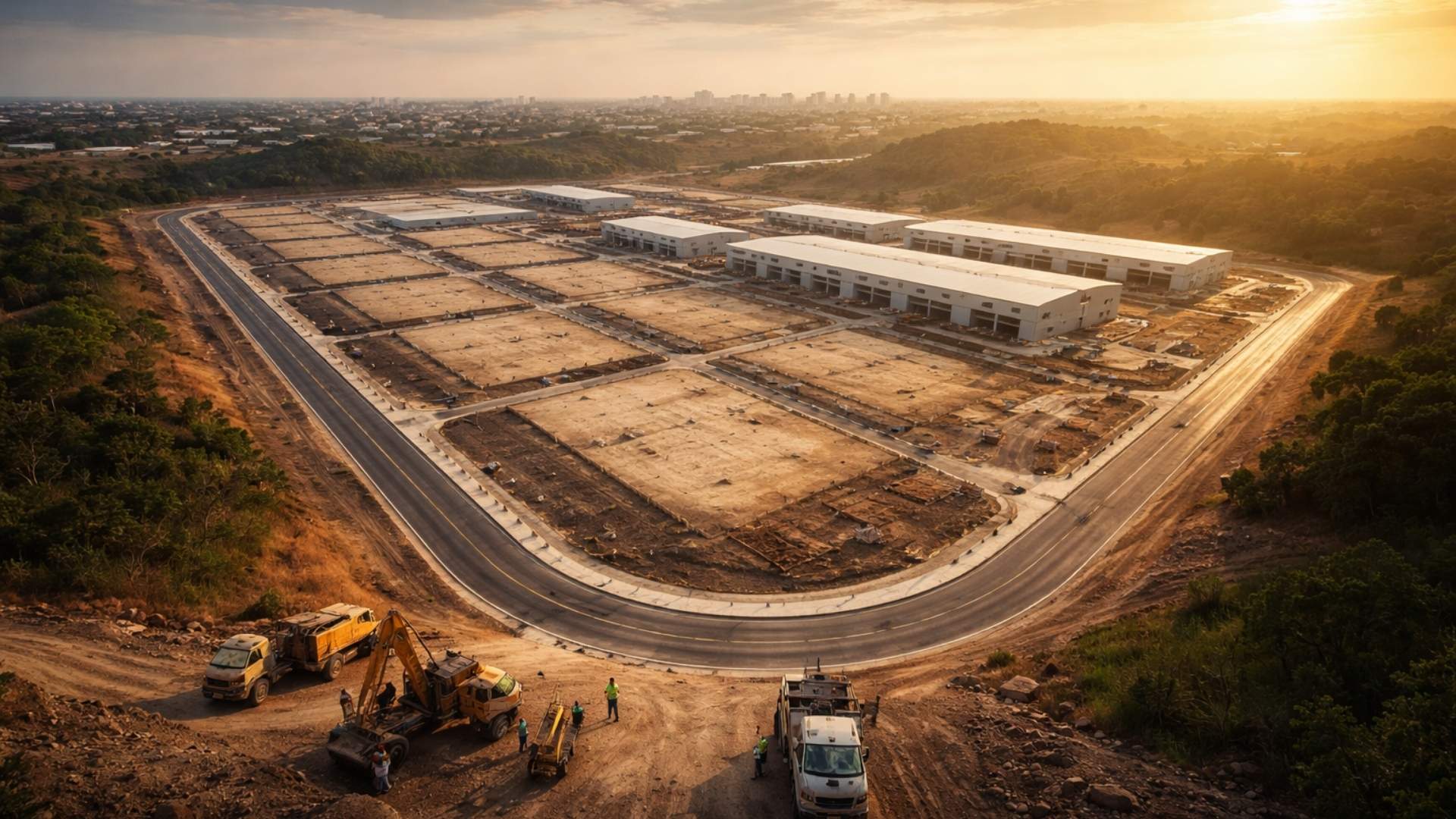
Brazilian city gains industrial hub for 85 companies that is equivalent to 55 football fields.

-
Peugeot and Citroën factory in Argentina cuts production by half and opens a layoff program for more than 2,000 employees after Brazil drastically reduced purchases of Argentine vehicles.

-
A Brazilian city gains a factory worth R$ 300 million with the capacity to process 200 thousand tons of wheat per year, a mill of 660 tons/day, silos for 42 thousand tons, and an industrial area of 276 thousand m².

-
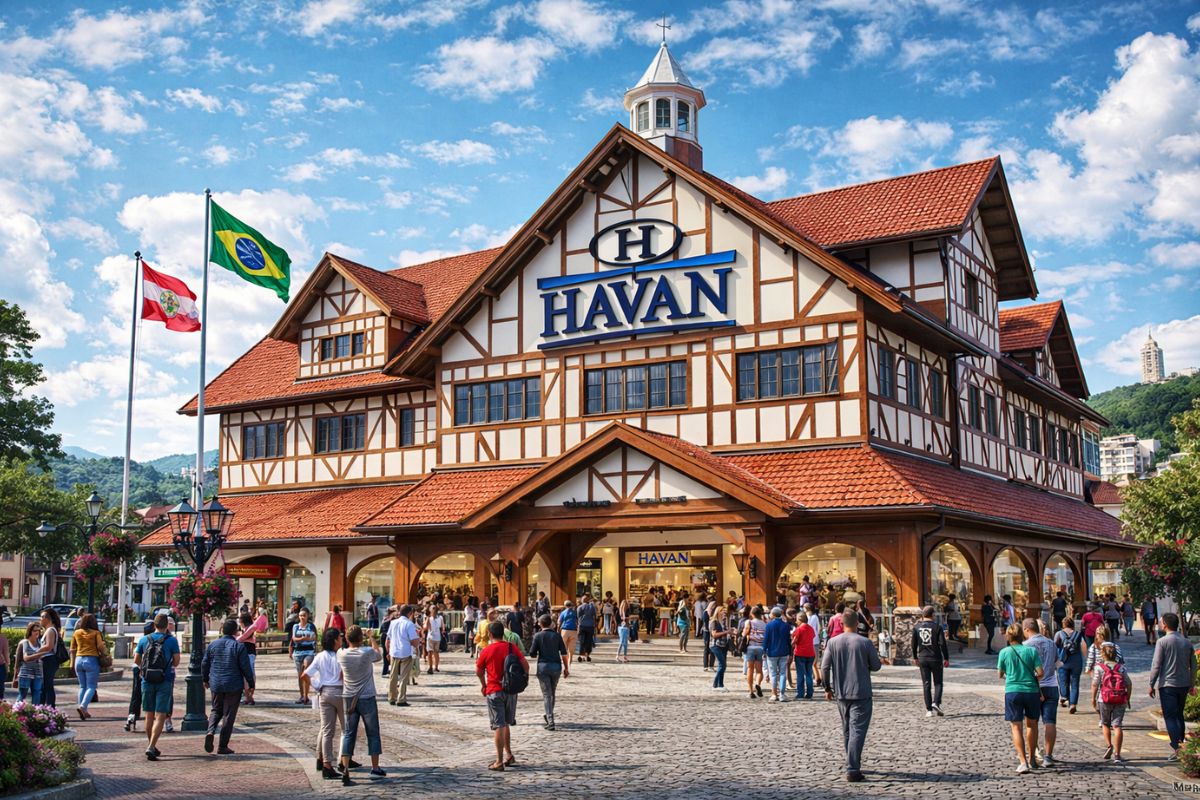
Havan will leave the shopping mall in Blumenau to inaugurate something that the chain has never done before: a megastore in half-timbered style in the Historic Center of the city, which is expected to be completed in May and change the landscape of local retail.
São Paulo, September 2024 — More than 40% of the global population lives within 100 km of coastlines, and in Latin America, 27% of the population relies directly on marine resources.
The Role of Blue Economy in a Sustainable Future
The importance of the economy generated through the ocean will be addressed on December 4 and 5, 2024, in Niterói, when the city will host one of the most important global events dedicated to the sustainable future of the oceans: Tomorrow Blue Economy.
For the first time in Brazil, this international congress, organized by iCities – a pioneering company in smart cities in the country – with the endorsement of FIRA Barcelona and in partnership with the Niterói City Hall, will bring together experts, enthusiasts, and industry leaders to explore the vast opportunities of the blue economy.
Niterói was chosen as the host city due to its strategic location and commitment to sustainability.
Blue Economy and the Infrastructure of Niterói
With direct access to the Atlantic Ocean and a rich marine biodiversity, the city has heavily invested in infrastructure, including basic sanitation and the dredging of the São Lourenço canal, which boost the local economy in key sectors such as fishing and shipbuilding.
Blue economy: the potential of the oceans. According to the UN, more than 3 billion people depend on the oceans for survival, highlighting the relevance of the so-called ocean economy or ‘Blue Economy’.
According to the World Bank, the term ‘Blue Economy’ refers to the sustainable use of ocean resources for economic growth, improved livelihoods, and jobs, while preserving the health of the ecosystem. With an ocean economy that generates between US$3 trillion and US$6 trillion annually, according to UN data, the importance of the oceans is unquestionable.
The Importance of Blue Economy in Brazil
In Brazil, a country with about 8,000 kilometers of coastline, 80% of the population lives within 200 km of the coast. A large part of the Brazilian economy is driven by marine resources: according to ANTAQ (National Agency of Waterway Transportation), more than 95% of the foreign trade is transported by sea, and a significant portion of the country’s oil and natural gas is extracted from offshore areas.
The blue economy also encompasses sectors like fishing, coastal tourism, renewable energy, marine mining, and much more.
Expectations for Tomorrow Blue Economy
The event is expected to attract about 2,000 participants and will be a showcase for innovative and strategic discussions on crucial topics, including: — Coastal Resilience to Climate Change — Blue Economy and Sports — Sustainable Ports and Innovative Technologies — Water Governance
‘We are at a crucial moment to discuss the blue economy, which already represents the 8th largest economy in the world and continues to grow rapidly. This topic is more relevant than ever, as it directly impacts various aspects of our lives, businesses, and the future of the planet. Investing in blue economy is not just an economic opportunity but an urgent necessity to promote sustainability and the responsible use of marine and aquatic resources’, states Beto Marcelino, co-founder of iCities.
Global Experience in Blue Economy
In Spain, the blue economy event has been held for 5 years and has become a global reference, attracting more than 10,000 participants from 50 countries. It is known for bringing heavyweight speakers, such as the CEO of the World Ocean Council, Paul Holthus.
This year, at the global event, Holthus will lead a lecture on sustainable practices in the blue economy and will participate in a panel discussing strategies for integrating sustainability and economic growth in the maritime sector.
In Brazil, Tomorrow Blue Economy, which will bring together different actors from the ecosystem, such as companies, the public sector, and students in the field, will also have an area dedicated to the corporate audience (B2B), focused on technical content and business, aiming to ensure not only a wide exchange of knowledge but also extensive networking among the guests.
To access the event website and see more information about speakers, participation, and partnerships, click here.
Source: ICITIES Press








Seja o primeiro a reagir!