





 Portuguese
  English
  Spanish
  6 min of reading
  0 comments



The Advancement of Solar and Wind Energy in Brazil Boosts the Energy Transition and Expands Opportunities for Renewable Project Engineers, A Strategic Profession in the Implementation of Power Plants
The accelerated expansion of solar and wind energy in Brazil is already directly impacting the job market and strengthening the national energy transition. Data from the National Electric Energy Agency show that solar energy has solidified itself as one of the fastest-growing sources in the Brazilian electric matrix, while wind energy maintains consistent growth, especially in the Northeast.
In this context, the demand for renewable project engineers is increasing, professionals responsible for planning, structuring, and executing power plants that enable the expansion of solar and wind energy. According to an article published by the Market Monitor on February 16, the appreciation for this career accompanies the advancement of the energy transition, a movement that seeks to reduce greenhouse gas emissions and increase the participation of sustainable sources in the electric matrix.
Expansion of Solar and Wind Energy Accelerates the Brazilian Energy Transition
Brazil already has one of the most renewable electric matrices in the world. According to the Ministry of Mines and Energy, more than 80% of national electricity generation comes from renewable sources, including hydropower, biomass, wind, and solar. In recent years, solar and wind energy have come to lead the expansion of installed capacity.
-
The Brazilian state accelerates industrial competitiveness with a focus on the extraction of strategic minerals to boost the energy transition in Goiás.

-
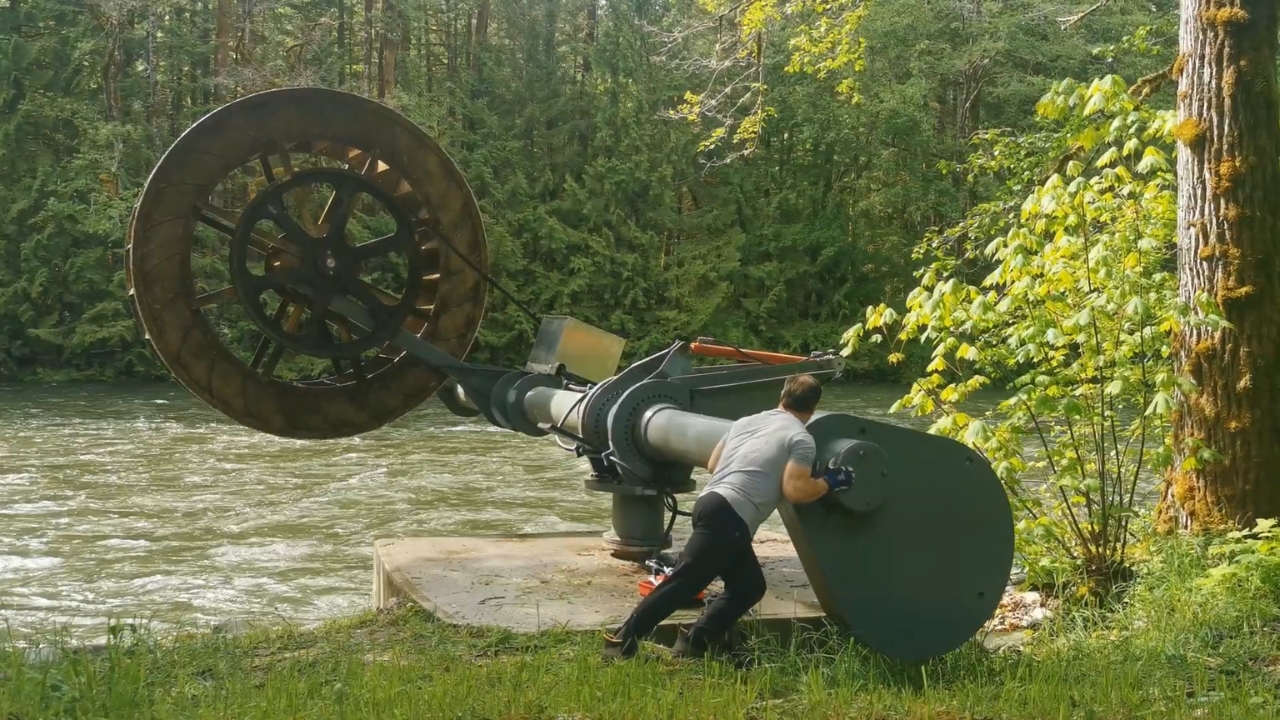
A Canadian retiree creates a hydroelectric system on a real river, generating energy continuously throughout the day and demonstrating how the power of water can supply a house with stability even in a simple structure.
-
Petrobras reaffirms its commitment to the market and ensures that it will carry out the energy transition safely to maintain national sovereignty.

-
Researchers discover a possible hydrogen deposit of up to 46 million tons beneath an ancient coal basin, and the volume could exceed half of the entire global production.


Public data from the National Electric Energy Agency indicate that photovoltaic solar energy has recorded significant growth in both centralized and distributed generation. Wind energy, in turn, already accounts for a significant portion of the electric matrix, with emphasis on states like Bahia and Rio Grande do Norte, which host large wind farm complexes.
This expansion is essential for the energy transition, as it reduces the need to activate thermoelectric plants powered by fossil fuels during periods of water scarcity. Furthermore, it contributes to the fulfillment of international commitments made by Brazil under the Paris Agreement.
As new projects are auctioned and connected to the National Interconnected System, the need for professionals capable of coordinating complex undertakings increases. It is in this scenario that the renewable project engineer assumes a strategic role.
The Role of Renewable Project Engineers in Consolidating Solar and Wind Energy
The renewable project engineer acts from the initial phase of feasibility studies to the operational delivery of the project. Their work involves technical analysis, financial management, and institutional coordination.
Among their main responsibilities are:
- Technical and economic feasibility studies for new solar and wind farms;
- Management of suppliers and equipment contracts;
- Monitoring of civil and electromechanical works;
- Interface with environmental and regulatory agencies.
Projects that combine solar and wind energy at the same connection point, known as hybrid projects, require even greater technical capacity. It is necessary to synchronize different generation profiles, optimize transmission infrastructure, and ensure grid stability. This level of complexity reinforces the importance of the renewable project engineer in consolidating the energy transition.
In addition to technical mastery, the professional must have a deep understanding of the regulations of the National Electric Energy Agency and the grid procedures established by the National Electric System Operator.
Why Solar and Wind Energy Expand the Demand for Renewable Project Engineers
The continuous expansion of solar and wind energy increases the demand for qualified specialists. This occurs for different structural reasons.
The first factor is the growth of installed capacity. Each new park requires detailed planning, energy resource analysis, and financial structuring. Without a renewable project engineer, the technical and economic risk increases significantly.
The second factor is regulatory complexity. The Brazilian electric sector has specific rules for granting, energy commercialization, grid connection, and environmental licensing. The professional needs to integrate these requirements into the project schedule to avoid delays and penalties.
The third factor is technological innovation. The advancement of storage systems, digitization of networks, and hybrid projects makes enterprises more sophisticated. The integration between solar and wind energy demands multidisciplinary knowledge and strategic vision aligned with the energy transition.
Technical and Regulatory Challenges in the Energy Transition
The implementation of renewable power plants involves significant challenges. In the case of solar energy, land issues and irradiation analysis are crucial for feasibility. In wind energy, the transportation of large towers and blades presents complex logistical challenges.
Hybrid projects of solar and wind energy add new layers of complexity, such as integrated power control and optimization of the grid connection point. The renewable project engineer needs to use simulation software to predict generation, model dispatch scenarios, and ensure operational stability.
Another important challenge is environmental licensing. Environmental impact studies, public hearings, and compliance with conditions are part of the process. Efficiency in conducting these stages is critical for the success of the project and for advancing the energy transition.


Salaries and Appreciation of Renewable Project Engineers in the Solar and Wind Energy Market
The market recognizes the strategic importance of this professional. Compensation varies depending on experience, project size, and region of the country. In leadership positions in large projects, salaries can reach high levels, such as R$ 22,000 depending on the project and level of experience, reflecting the technical and financial responsibility involved.
The appreciation of the renewable project engineer is directly related to the expansion of solar and wind energy. The professional manages million-dollar contracts, coordinates multidisciplinary teams, and assumes responsibility for deadlines and energy performance.
In addition to compensation, there is job stability. The energy transition is a long-term movement, driven by climate goals, investor pressure for sustainable assets, and the need to diversify the electric matrix.
Education and Skills to Act in the Energy Transition with Solar and Wind Energy
To work as a renewable project engineer, it is advisable to have a degree in Electrical, Mechanical, Energy Engineering, or related fields. Specializations in renewable sources and project management increase competitiveness.
Among the most valued skills are:
- Knowledge of photovoltaic systems and wind turbines;
- Mastery of energy simulation software;
- Understanding of electric sector regulations;
- Contract and schedule management capabilities;
- Leadership and communication skills.
Working on solar and wind energy projects requires constant updating, as technologies and business models evolve rapidly. Continuous learning is a fundamental part of the career.
Perspectives for Those Who Wish to Act as Renewable Project Engineers in Solar and Wind Energy
The Brazilian scenario indicates continuity in the expansion of renewables. Energy auctions, growth of distributed generation, and private investments support the upward trajectory of solar and wind energy.
For the renewable project engineer, this means concrete opportunities for action in different regions of the country. Northeastern states continue to lead wind projects, while solar generation is growing both in large power plants and in distributed systems.
The Brazilian energy transition depends on qualified professionals to transform natural potential into effective, safe, and economically viable generation. More than a promising career, it is a strategic role for the sustainable development of the country.
Those who choose this path participate directly in building a cleaner, more resilient, and competitive electrical system. The expansion of solar and wind energy not only increases professional opportunities but also redefines the role of engineering in contemporary society.









Seja o primeiro a reagir!