





 English
  Francês
  Alemão
  Italiano
  Japonês
  Norueguês
  Portuguese
  Spanish
  4 min of reading
  0 comments


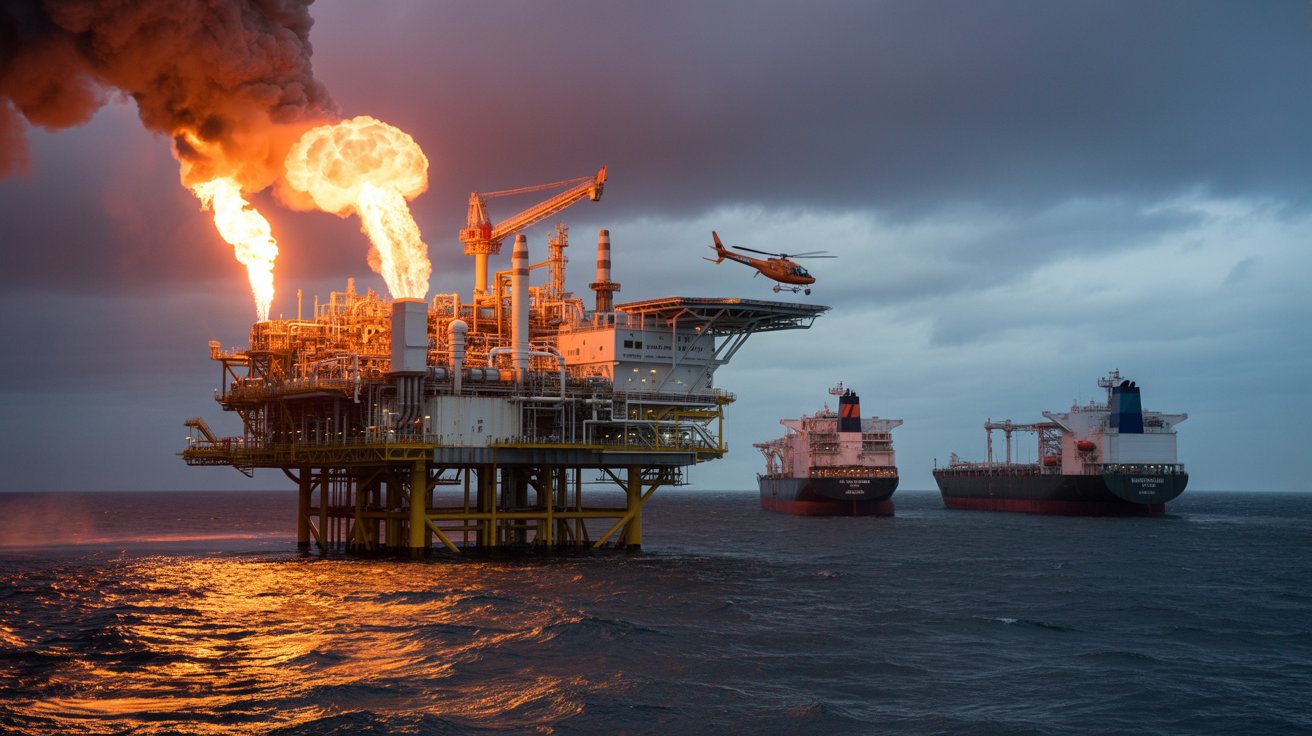
With the Increase of Tensions in the Middle East, the Whole World Is on Alert — and So Is Your Wallet. Understand How This Conflict May Directly Affect the Price of Gasoline Here in Brazil.
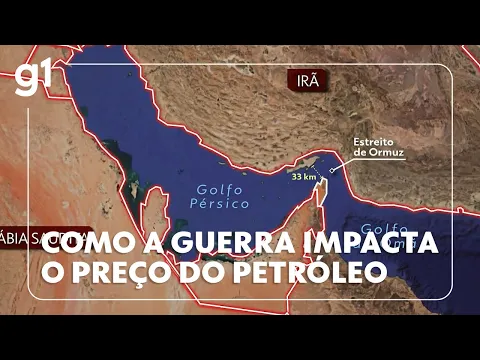
The world is watching what is happening in the Middle East. At this moment, the United States and Iran are protagonizing a troubling escalation, with bombings, threats, and political decisions that can directly impact the global economy. One of the main points of tension: the possible closure of the Strait of Hormuz — through which about 20% of the world’s oil and natural gas flows.
This strait, located between Iran and the United Arab Emirates, is a true “vein of oil” globally. If it is blocked, even partially, the price of oil is likely to soar. And guess who might feel it first in their wallet? Brazil.
Why Would Brazil Be One of the First to Suffer?
Even being one of the largest oil producers in the world, Brazil still depends on the import of finished products, such as gasoline and diesel. In other words, the price we pay at the pumps is tied to the international value of the barrel. If it goes up, fuel prices here will rise as well.
-
Expansion of Federal Institutes: 38 new campuses and R$ 200 million for public education; see the cities included.

-
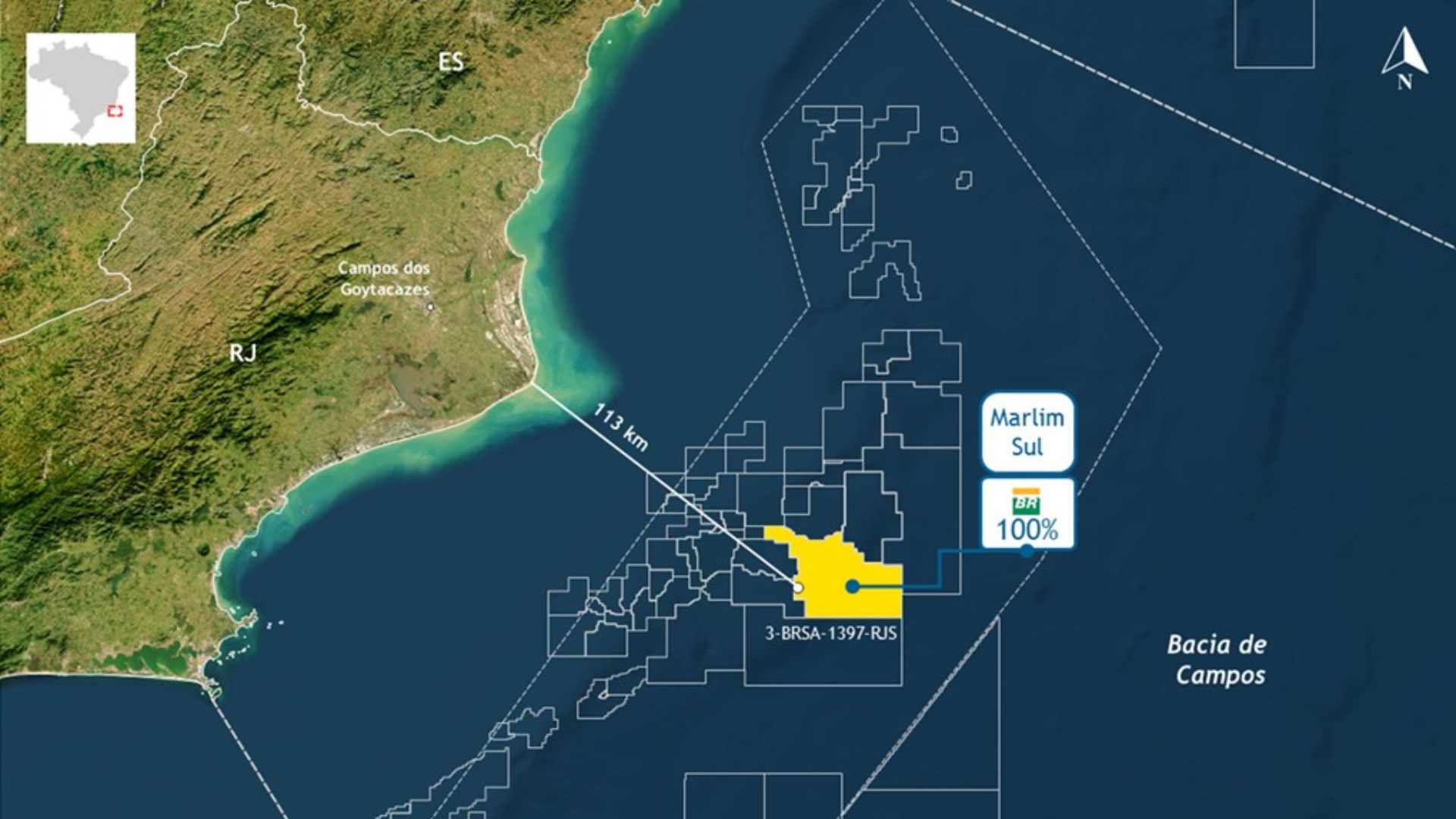
Petrobras announces new oil discovery in the pre-salt of the Campos Basin and reinforces Brazil’s prominence with high-quality reserves that can increase production and energy revenues.
-
Alert in the fuel market: Analysts and a former director of ANP warn that oil prices may worsen in the coming months due to global instability.
-
Lula’s government changes rule in important benefit and thousands of Brazilians will no longer receive it; see what has changed.



Furthermore, a prolonged spike in oil prices puts pressure on freight, food, and basic goods. Everything gets more expensive, and inflation tends to rise. In response, the Central Bank may hold back interest rate cuts, making credit and consumption more difficult. Result? Less economic growth and tighter budgets for families.
Europe and Asia Are Also Vulnerable
In Europe, the situation is even more delicate. Without being able to count on energy from Russia, the countries in the bloc heavily rely on oil from the Middle East. A supply cut could lead to blackouts and recession, analysts warn.
In Asia, countries like China, India, and South Korea import a large portion of their oil through the Strait of Hormuz. A closure would force these countries to seek new routes and suppliers — which could spark a competition for available barrels and drive prices even higher.
And Iran, Will It Really Close the Strait?
The Iranian parliament has already approved the blockade. But for it to become a reality, the measure still needs the approval of the National Security Council and the Supreme Leader, Ayatollah Ali Khamenei. The problem is that this decision would affect even countries that are currently neutral or sympathetic to Iran, such as China itself. Closing the strait would therefore be a diplomatic own goal, in addition to escalating the conflict even further.
Even so, the threat is already enough to shake up the markets. This Monday, the price of the barrel rose and reached the highest levels in the last five months.
What Could Happen in the Coming Days?
Behind the scenes, diplomats from the European Union, the United States, and the White House are trying to contain the escalation. The head of European diplomacy, Caia Kalas, warned that any retaliation involving the Strait of Hormuz “would not be good for anyone.” On the American side, the White House insists that it does not seek a regime change in Iran, but states that the U.S. is ready to respond to any new attack.
Meanwhile, investors are assessing the risks. For now, stable oil prices ease the market, but everyone knows that any misstep could trigger a new global energy crisis.
Conclusion: It Affects Our Wallets
With the tension in the Persian Gulf, Brazil may be one of the first countries to feel the economic impact. This is because, despite exporting oil, it imports finished fuels and has an economy still vulnerable to fluctuations in international prices. If the barrel shoots up, the price of gasoline, diesel, inflation — and difficulties for the Central Bank to cut interest rates — will rise along with it.
Once again, a conflict on the other side of the world may quickly reach your wallet. And for now, the only certainty is uncertainty.
The information in this article was based on journalistic coverage published by the portal G1 on June 23, 2025, including data on the escalation of the conflict in the Middle East, impact on the oil market, and global diplomatic reactions.
With higher gasoline prices, pressured freight costs, rising food prices, and the specter of a new truckers’ strike in the air — what more could this conflict trigger? We must stay alert for the upcoming developments.







Seja o primeiro a reagir!