





 Portuguese
  English
  Spanish
  6 min of reading
  8 comments


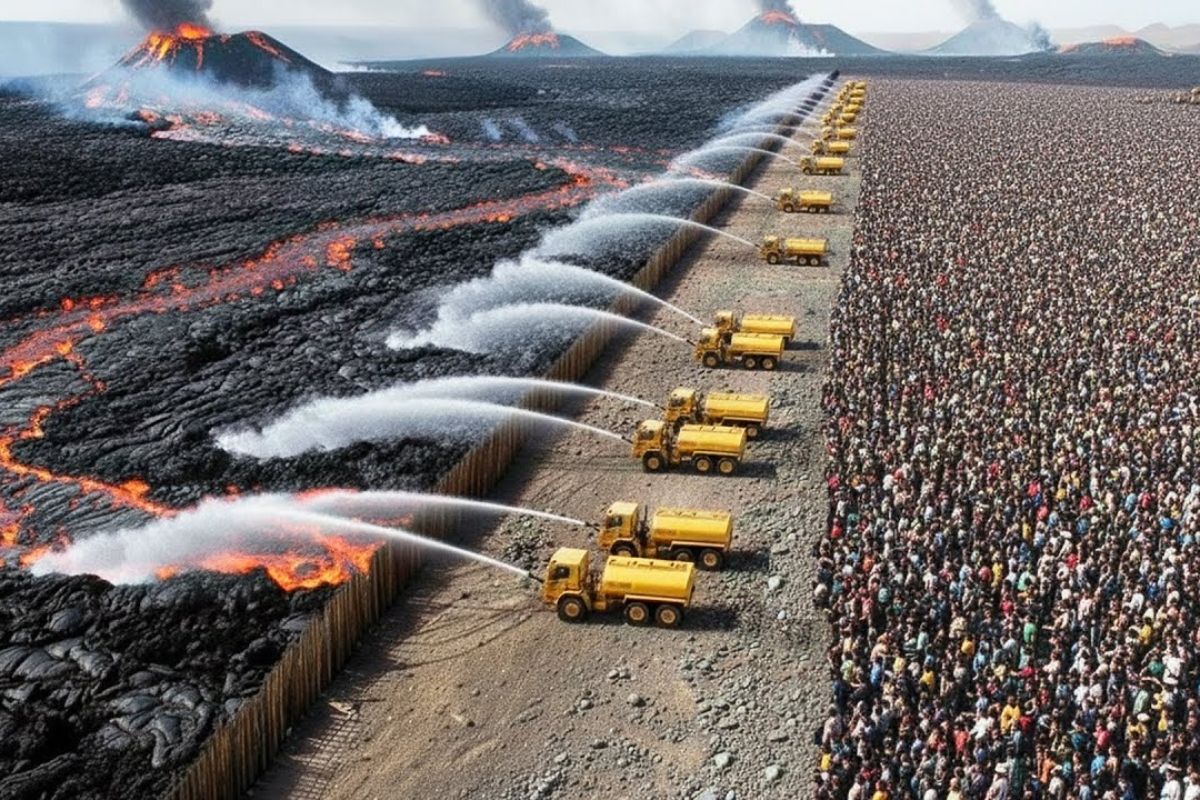


In Iceland, giant walls of earth and rock were erected to slow lava above 1,100 °C and protect critical areas, including a geothermal plant. In accelerated operations, more than 3 million m³ were displaced and the barrier reached 20 meters, but the lava overflowed and required water to cool, gain time, and reinforce the containment.
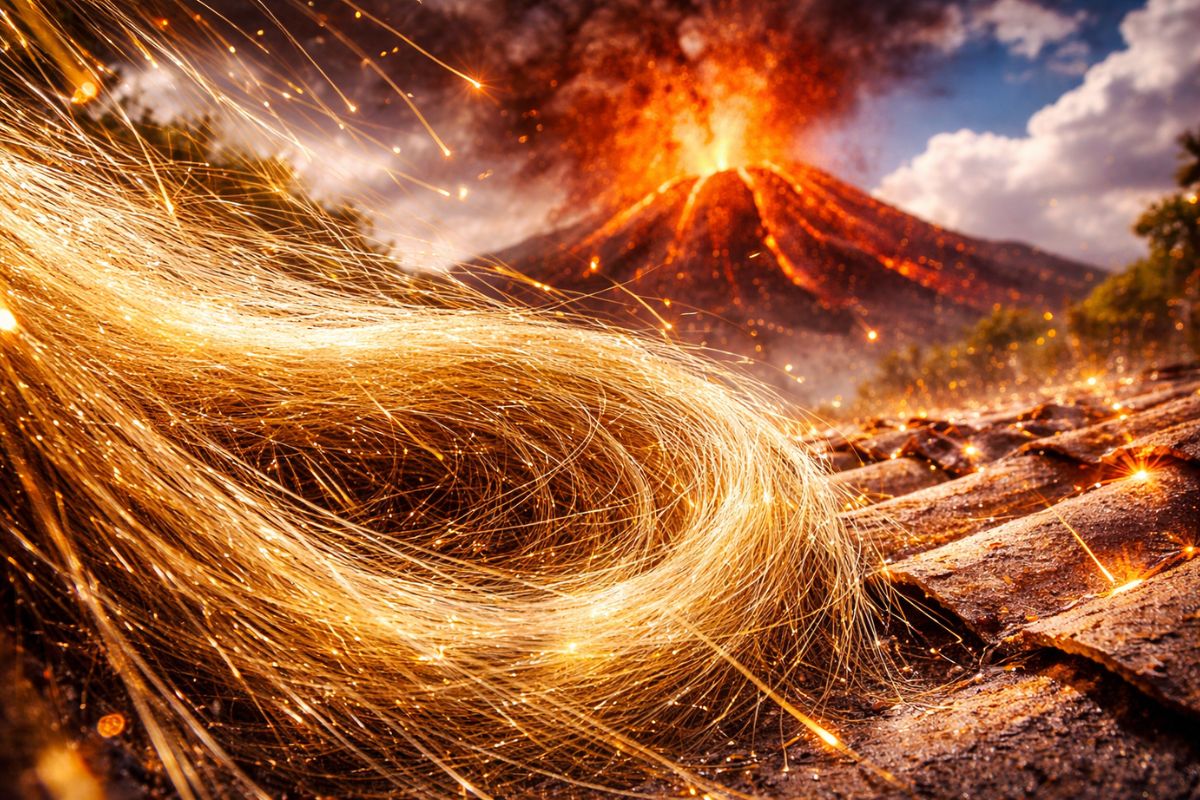
In Iceland, the crust beneath the country shifts centimeters, in a slow and silent movement that supports more than 130 active volcanic systems and fissures that can release rivers of lava with temperatures exceeding 1,100 °C.
Faced with this power, the response is not to defeat the volcano, but to buy time. The giant walls became the practical bet to slow the flow’s advance, force diversions, and protect cities, infrastructure and energy systems, even when the lava insists on overflowing.
Why Iceland Needs to Coexist with Eruptions and Decide Quickly
Despite its nickname as the land of ice, Iceland sits on one of the most geologically active points on the planet, at the boundary between two giant tectonic plates that are continuously separating.
-
A megaproject worth R$ 89 billion is advancing in Iraq and promises to change the game in global trade by creating a new corridor between Asia and Europe, reducing traditional routes and repositioning the country as a logistics powerhouse.

-
Goodbye bedside table: floating shelves become a trend in 2026 by freeing up space in the bedroom, improving circulation, bringing visual lightness, and integrating technology without taking up floor space.

-
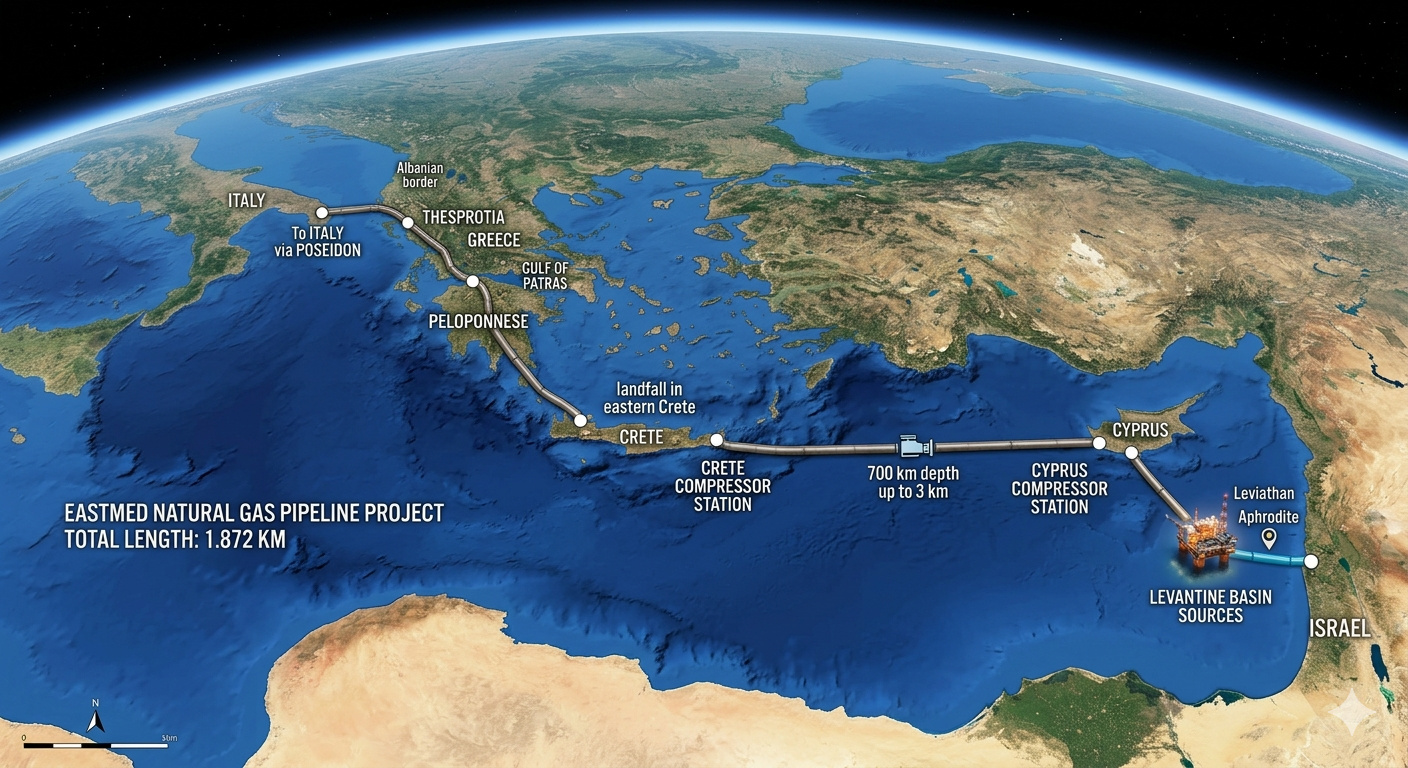
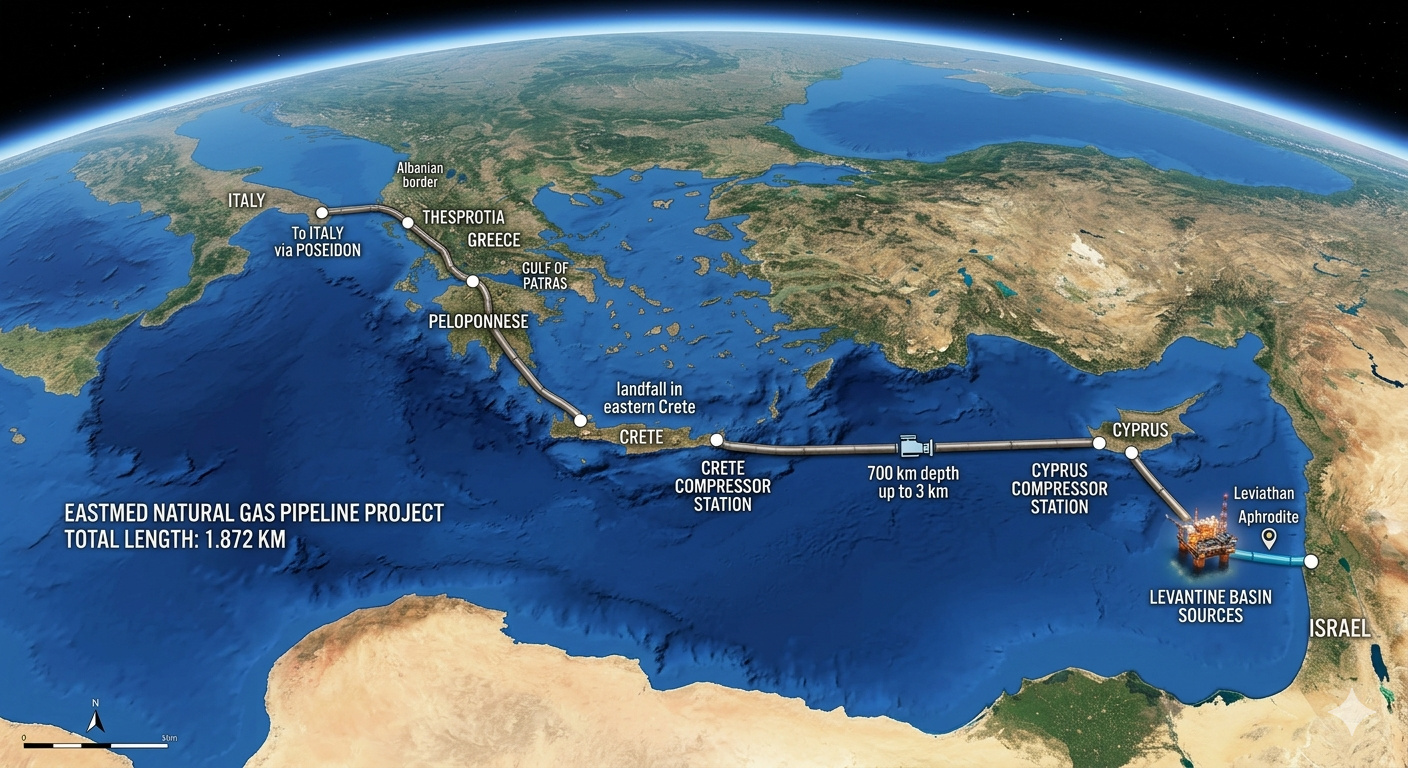
Israel, Greece, and Cyprus signed an agreement in 2020 to transport gas from the Mediterranean to Europe via a 1,872 km pipeline, but Turkey claimed sovereignty over part of the maritime route, and the project never materialized.
-
Israel, Greece, and Cyprus signed an agreement in 2020 to transport gas from the Mediterranean to Europe via a 1,872 km pipeline, but Turkey claimed sovereignty over part of the maritime route, and the project never materialized.

This separation opens a path for magma to rise from the depths and trigger volcanic eruptions.
Most of the time, lava flows run through uninhabited fields of black rock.
The problem begins when the direction changes and the flow approaches populated areas or critical facilities. Iceland records about four eruptions per year, and no one can accurately predict where the next one will be.
Thus, when lava points towards a sensitive target, the window for action is short and every hour defines what will be lost.
The Eruption Started in 2023 and the Race to Build Giant Walls

When the eruption that began in 2023 covered an area of approximately 15 square kilometers, the reaction was almost immediate.
A large-scale operation was launched to construct lava barriers, with a single and direct goal: to use giant walls of earth to slow the flow’s advance and push the lava in another direction.
The backdrop of this urgency was clear. The wall protected a geothermal plant, a facility that provides hot water and energy to much of the country’s population.
If the lava reached that location, the impact would go beyond physical destruction. The routine of tens of thousands of people could be affected, with cascading consequences on daily infrastructure, supply, and services.
At the peak of the effort, the wall reached approximately 20 meters high. Over six months, more than 3 million cubic meters of material, primarily volcanic rock and soil, were displaced to form the barrier.
What Lava Barriers Are Like on the Inside: Simple in Idea, Brutal in Scale
From a structural standpoint, lava barriers are not complex works like concrete dams or hydraulic barriers. Essentially, they are enormous embankments built layer by layer, with each layer around 1 meter high.
The difference is not in sophistication, but in the target. Lava does not seep into the ground like water. With high viscosity and extreme temperature, it mainly flows over the surface and is strongly influenced by altitude and terrain shape.
This allows efforts to be concentrated on increasing height and shaping the barrier, as long as it is high enough to slow down and force a change in direction. When necessary, the wall continues to be built, 1 meter at a time, until the lava stops naturally or chooses another path.
The Fleet of Machines: Speed as the Only Chance to Stay Ahead of the Lava
To keep up the pace, Iceland mobilized a fleet of heavy machines rarely seen gathered at a single construction site.
On the ground were Komatsu, Liebherr, Caterpillar D11, and a large number of articulated dump trucks.
The scale was not aesthetic. It reflected a harsh reality: every passing hour, the lava advances further. Only by moving material at maximum speed can a wall have a chance to stay ahead of the molten rock.
The giant walls rely less on perfect design and more on continuous execution, with ongoing adjustments as the flow changes.
Construction on Old Lava: Breaking Basalt to Make a Wall
The construction of the barrier begins directly on cooled and solidified lava from previous eruptions. Over time, this lava becomes thick, heavy basalt rock, extremely difficult to separate.
Heavy tractors use crusher teeth to fracture the rock, concentrating weight on contact points to crush the material.
Then, the tractors push the pieces into piles for excavators to load onto trucks. Transport is continuous to the wall site, where the old lava is deposited and compacted, layer by layer.
Each meter of height is calculated to ensure that new flows slow down and change direction. Infrastructure already destroyed by lava becomes containment material, in a pragmatic response to try to preserve what can still be saved.
When Lava Overflows: Water Directly to Cool and Buy Time
The limit appears when the lava insists. The text describes that the molten rock overflowed the top of the wall at several points, and then the plan changes phases.
Teams were forced to pour water directly on the lava to cool it and slow down the advance, buying additional time to reinforce the containment.
This synthesizes the real role of the giant walls. They are not an off switch. They are a way to delay, reduce the flow’s energy, push the threat out of the way, and open a decision window.
Barriers Are Not Always Enough: New Fissures, Smooth Surfaces, and Eruption in 2024
There is not always time to build a wall, especially when flows last only dozens of hours and appear far from critical areas.
This limitation was exposed in the Reykjanes eruption in 2024. The lava not only surpassed earth barriers through newly formed fissures but also broke through sections built on paved road surfaces, where the low friction allowed the molten rock to pass more easily.
In such situations, engineering must accept that lava will find shortcuts. The choice shifts from “stop” to “reduce damage,” moving resources, isolating areas, and saving what can be preserved within the available time.
Extreme Measures and the Case Where Iceland Cooled Lava with Seawater
When options are limited, humans have resorted to more extreme measures. In Hawaii, in 1935 and 1942, military aircraft dropped 600-pound bombs on lava tubes of Mauna Loa in an attempt to disrupt the flow structure and force leaks at the explosion point.
The results were inconsistent, sometimes briefly slowing the flow, and other times failing completely, but they expose the impulse to intervene when the alternative is merely watching the lava advance.
In contrast, there are successful records with simpler methods. One cited example is the 1973 eruption in Iceland when the lava advanced toward the port, and seawater was sprayed directly onto the flow.
By cooling and solidifying the surface, a natural barrier formed that forced the lava behind to change direction. The volcano was not extinguished, but the time bought was sufficient to protect critical infrastructure.
What Iceland Proves by Erecting Giant Walls Against Lava at 1,100 °C
Lava engulfs roads, buries houses, and forces the abandonment of areas that have been part of people’s lives for generations.
Still, the text shows that the meaning does not end in devastation. The giant walls are a practical measure of the limits of technology, because they make it clear that engineering can redirect and slow down, but cannot exert absolute control.
The real outcome of these operations is time. Time to protect plants, power grids, hot water, roads, residential areas, and, most importantly, people.
When the lava cools, life returns differently, more cautious and more aware of limits. And it is this awareness that defines the Icelandic strategy: not to pretend that it is possible to control volcanoes, but to build enough to preserve what can still be saved.
In your opinion, how far should one go to erect giant walls and buy time against lava, even knowing that the volcano can always find another path?






Yo como me corra bien por la poIIa, también desbordo los muros.
Formar varios caminos con muros paralelos para que la lava llegue al mar de manera un poco más manejable .
Me parece maravilloso lo que hacen, preservar la vida de la humanidad es la tarea mas difícil, y salvar vidas es la tarea de todos, que Dios siempre los Bendiga y cuide para que no pierdan nunca la Fé que todo se puede hacer para salvar las vidas de lis seres humanos.