





 Portuguese
  English
  Spanish
  3 min of reading
  0 comments


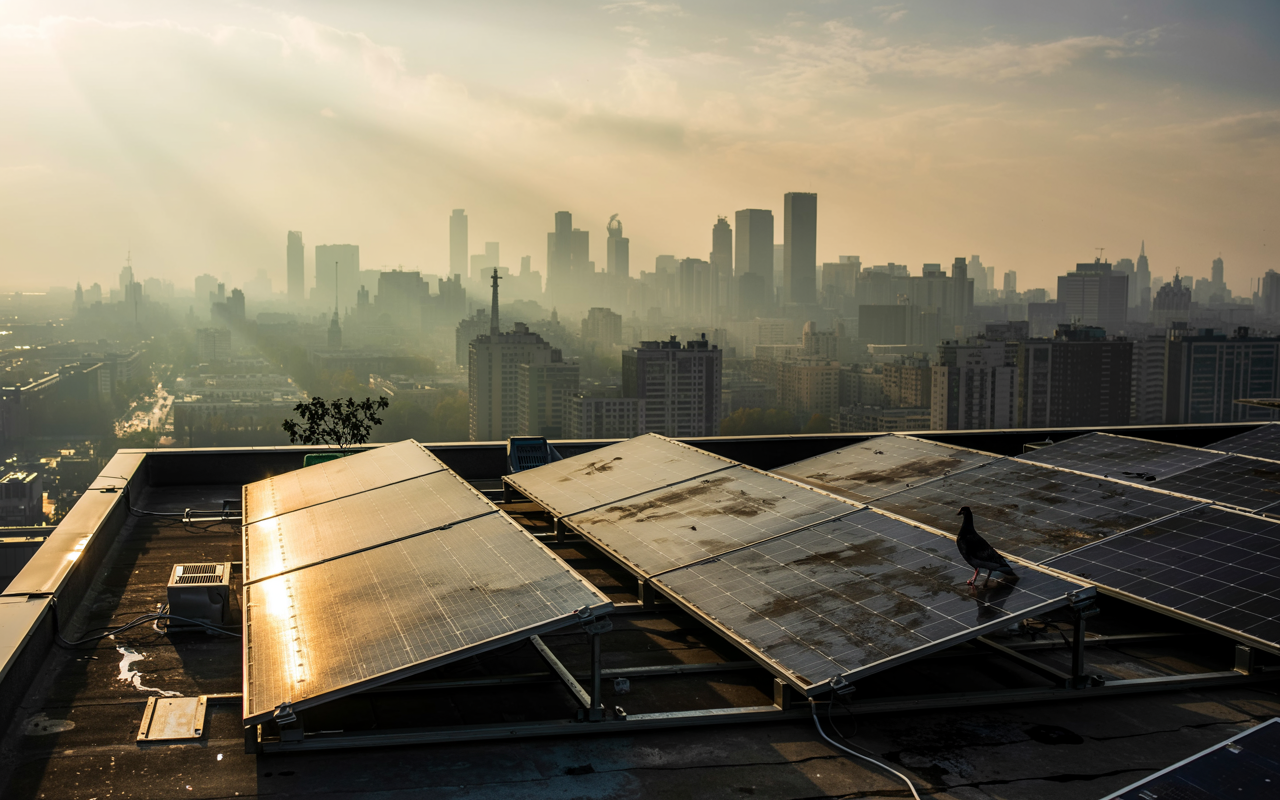
Studies Show That Air Pollution Reduces Solar Energy Production by Blocking Radiation and Soiling Panels, Harming the Efficiency of Photovoltaic Systems.
The efficiency of solar energy can be compromised by the presence of pollutants in the air. In urban and industrial areas, the concentration of atmospheric particles reduces the direct incidence of sunlight on solar panels, interfering with electricity generation. This issue becomes more important with the expansion of solar energy in Brazil. With the popularization of photovoltaic systems, understanding the impact of pollution on energy generation has become essential for both consumers and companies in the sector.
Particles in the Air Interfere with Solar Radiation
Solar radiation is the primary source of energy generation in photovoltaic systems. However, when the air is laden with pollutants such as dust, soot, and industrial aerosols, some of this radiation is diverted or absorbed before reaching the solar panels.
Studies indicate that the presence of air pollution can reduce solar energy generation efficiency by up to 20% in some regions. This impact of pollution on energy generation occurs because direct radiation, which is more effective for conversion to electricity, is replaced by diffuse radiation, which is less efficient for this type of system.
-
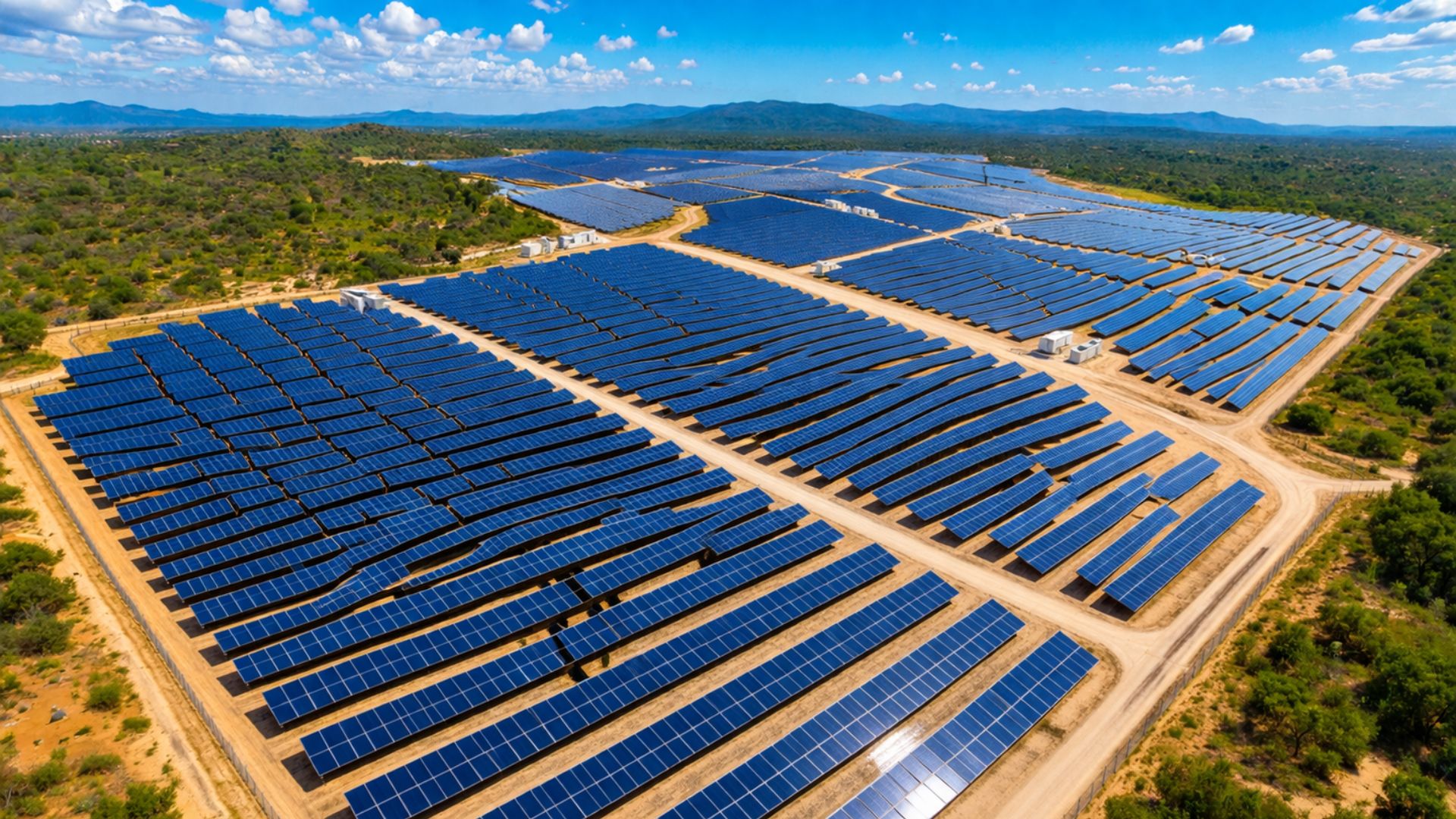
The Sol do Agreste Photovoltaic Complex begins operations in Pernambuco and accelerates the expansion of solar energy in Brazil, directly impacting the reduction of emissions and strengthening the sustainable energy matrix.
-
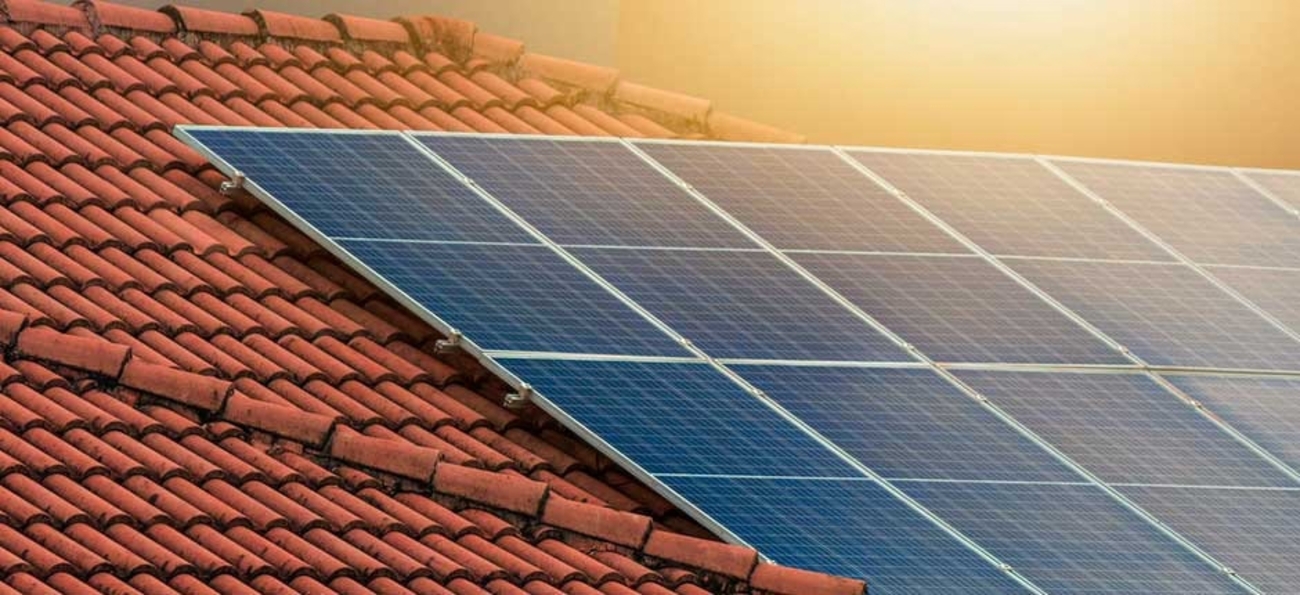
Roraima bets on the sun to escape high tariffs: Amid the energy crisis and price hikes, solar energy is growing in Roraima and transforming consumption in the North region.
-
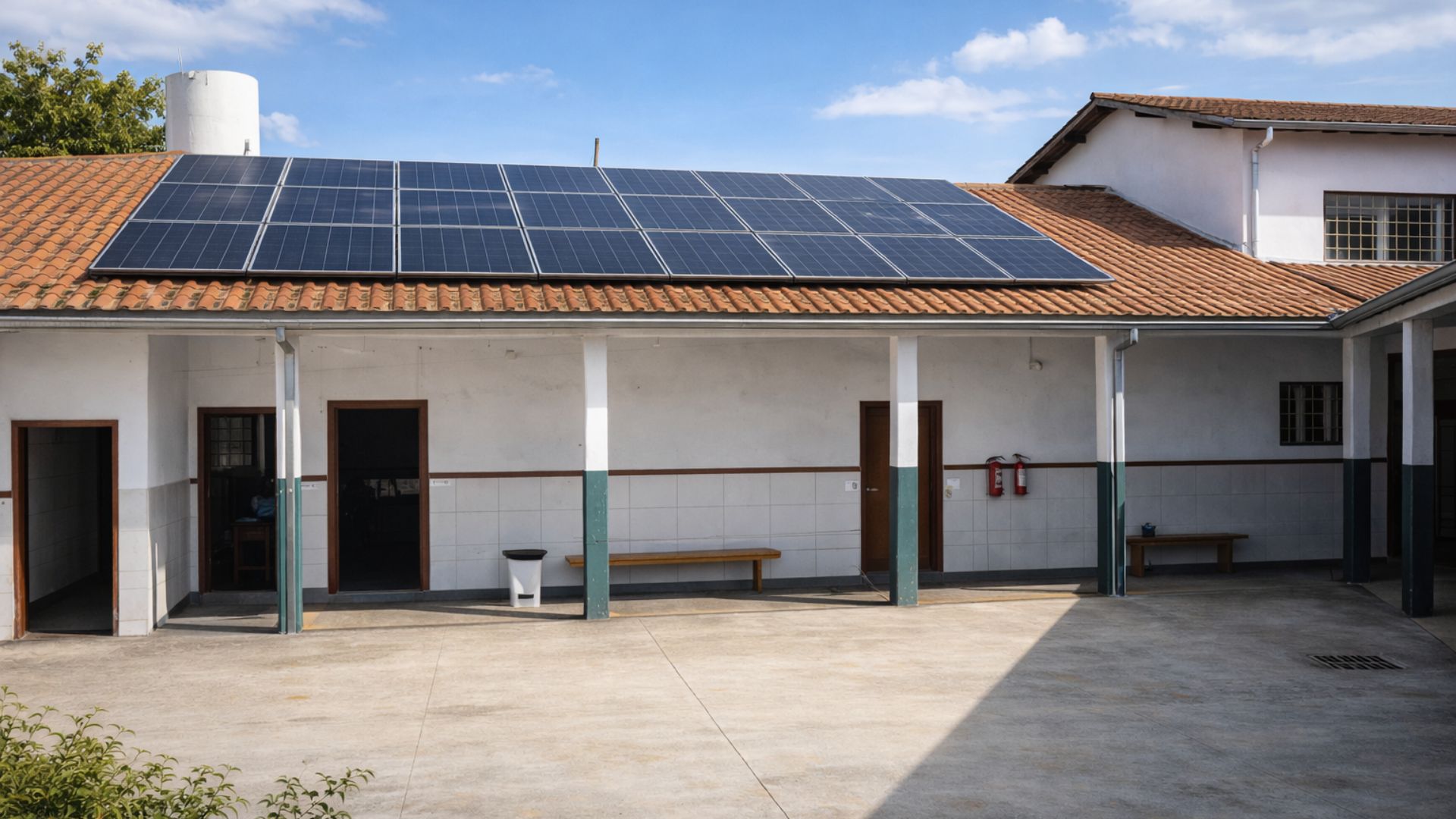
Copel boosts solar energy in Paraná and brings innovation to public schools, promoting savings on electricity bills, energy efficiency, and a direct impact on the quality of education.
-
Brazil reaches historic milestone in solar energy: Sector surpasses 2 million accumulated green jobs and generates billions in the national economy even under market pressure.
Soiling Harms the Functioning of Solar Panels
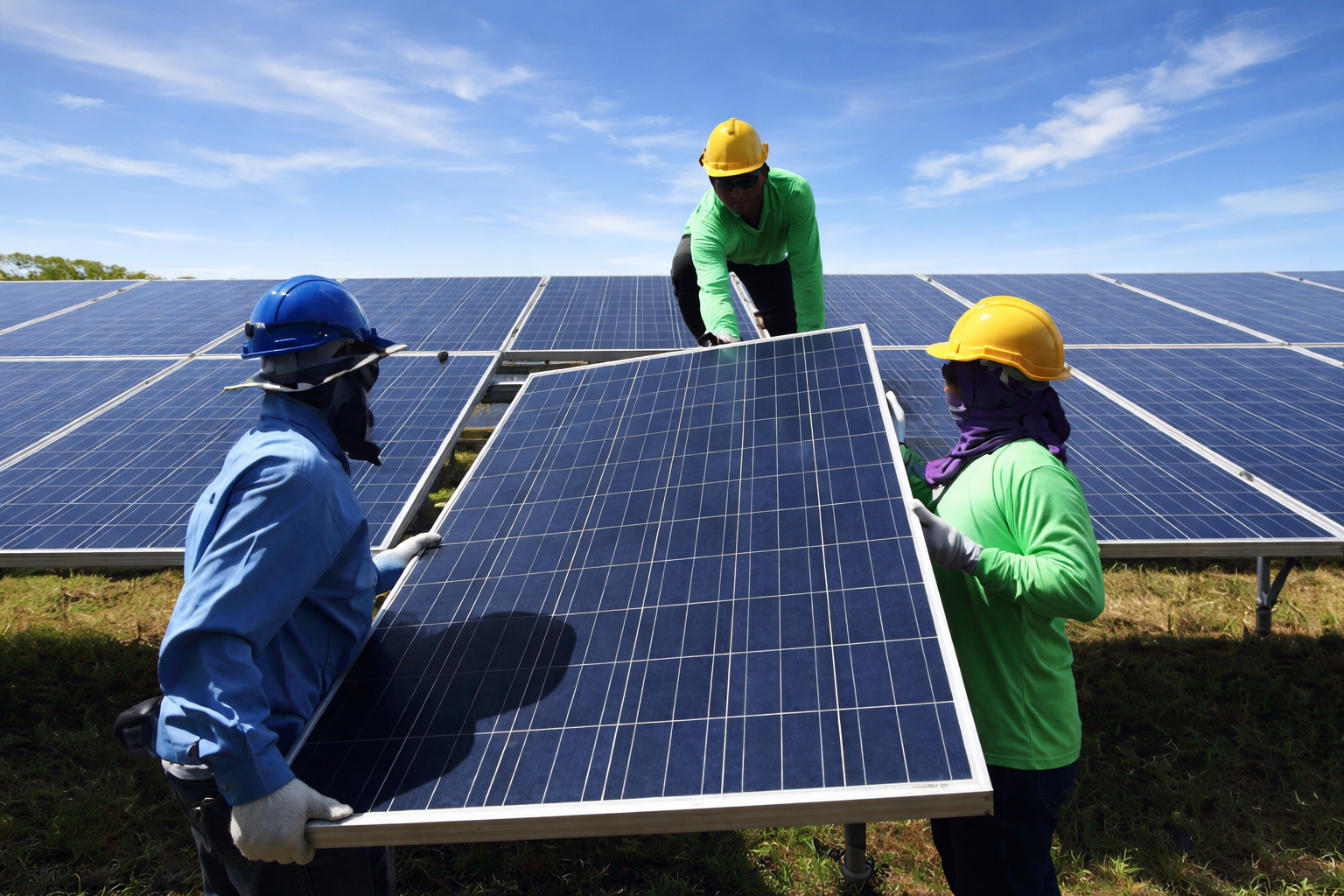
In addition to blocking sunlight in the atmosphere, pollution also directly affects the surface of solar panels. The deposition of solid particles, such as dust and residues from the burning of fossil fuels, creates a layer that hinders light absorption.
This process, known as “soiling,” can result in losses of between 3% and 4% in energy production over the year, depending on the frequency of equipment cleaning and the level of local pollution. In areas with low rainfall, this accumulation tends to be more lasting.
Fires and Emissions Worsen the Problem in Brazilian Regions
In Brazil, factors such as wildfires and emissions of pollutants from vehicles and industries contribute to the increase of particles suspended in the air. During dry periods, cities like São Paulo, Goiânia, and Cuiabá report a decline in air quality, which interferes with the efficiency of photovoltaic systems.
Studies conducted in the Midwest region indicate a noticeable reduction in solar energy generation during the most critical wildfire months. In some locations, there are reports of losses exceeding 10% in daily production.
Proper Maintenance Reduces the Effects of Pollution
To reduce the effects of pollution, experts recommend periodic cleaning of solar panels. The ideal frequency varies according to the level of dirt in the environment, but in urban or industrial areas, the interval may be shorter than in rural areas.
The use of sensors and automated monitoring systems helps identify drops in production that may be related to dirt accumulation. Solar energy companies are also investing in technologies to minimize the adhesion of particles on panels.
Growth of Solar Energy Requires Attention to Air Quality
With the advance of solar energy in the country, which has already surpassed 40 GW of installed capacity, monitoring air quality becomes crucial for system efficiency. Large plants and residential systems must consider pollution as a factor influencing performance.
Measures to control emissions, such as promoting low-emission public transport and combating deforestation, indirectly contribute to the efficiency of solar energy. The reduction of particles in the air benefits not only the environment but also the productivity of photovoltaic systems.
The relationship between solar energy and air pollution requires attention in the planning and maintenance of photovoltaic systems. The blocking of solar radiation and the accumulation of dirt on solar panels are factors that directly affect energy generation, leading to economic and operational consequences.
Sources: Solar Builder Magazine, UNIFESP Journals, Wikipedia, Elo Fotovoltaico









Seja o primeiro a reagir!