





 Português
  Inglês
  Espanhol
  4 min de leitura
  0 comentários


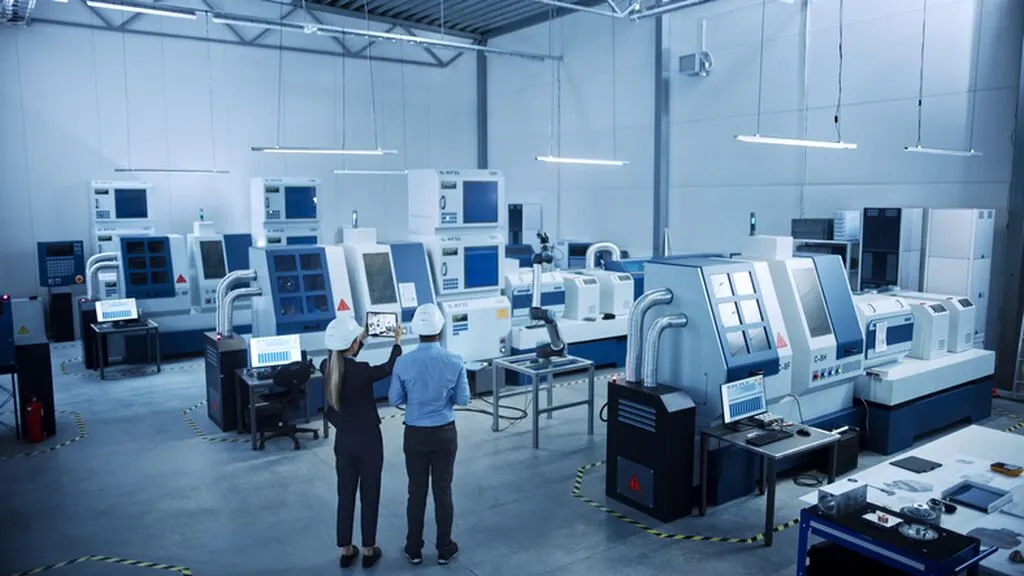
Experts from Schneider Electric Explain How Innovations Can Ensure a More Sustainable Future
São Paulo, May 2024 – According to the 2023 “Emissions Gap Report” from the United Nations Environment Programme (UNEP), global low-carbon transformations are necessary to reduce greenhouse gas (GHG) emissions projected for 2030. To meet the Paris Agreement targets, these emissions must be reduced by between 28% and 42% by that date.
The need to reduce GHG emissions has driven the quest for the use of cleaner and renewable energy sources across various sectors. However, the industry, one of the most polluting productive areas, still faces numerous challenges on this journey.
-
A bright yellow mushroom imported from Asia escaped from a cultivation farm in the United States in 2010 and is now aggressively spreading across 25 states, destroying entire communities of native fungi in American forests.

-
Buried under China, a colossal machine weighing 20,000 tons began operating as the largest neutrino detector on the planet and, in just 59 days, surpassed results that science took half a century to achieve.

-
Iran enters the center of a climate alert after the war emitted 5.6 million tons of CO2 in two weeks, surpassing the annual pollution of entire countries.

-
Lunar exploration may change after a Chinese probe finds a “cavity” of radiation that reduces the impact on astronauts by up to 20% at certain times on the Moon.


Regis Ataides, Vice President of Industrial Automation and Head of Digitalization at Schneider Electric, states that companies may lack the internal knowledge necessary to assess, implement, and manage renewable energy solutions. They may also be unaware of the benefits and risks of continuing to rely on fossil fuels.
“Concern for a more sustainable future in industries must be accompanied by the modernization of the industrial park, as outdated technology is responsible for reducing efficiency and increasing GHG emissions,” says Ataides. “By adopting new technologies available in the market, such as universal automation based on OPEN Automation guided by an international standard, industries can tackle many challenges, meet environmental goals, and reap significant economic benefits.”
Schneider Electric, a global leader in energy management and automation solutions, plays a crucial role in accelerating the transition to renewable energy sources in the industry. In response to the growing need for sustainability and environmental responsibility, the company continues its commitment to provide solutions to assist in the energy transition.
5 Solutions to Boost the Energy Transition in Industry
Mathieu Piccin, LATAM Director of the Sustainability Business at Schneider Electric, explains that the adoption of renewable energies in the sector should not just be a desire, but a vital requirement to ensure a more sustainable future.
“With experience and a continuous commitment to innovation, the Sustainability and Energy Consulting area of Schneider Electric, Sustainability Business, is assisting the sector in this transition,” emphasizes Piccin, listing how the company can help:
- Energy Procurement: Industries can purchase renewable energy through the Free Energy Market (MLE) – a commercial environment that allows consumers to freely choose from whom to buy electricity. This helps achieve better prices, conditions, and access to 100% clean energy, considering that, in this market, renewable energy can be purchased with or without a traceability certificate.
- Energy Efficiency: Energy efficiency measures are essential to promote sustainable growth, avoiding resource wastage. Schneider Electric is a pioneer in solutions that improve efficiency at all levels of industry – from building management to industrial process optimization. The company’s innovations aim to minimize energy consumption and carbon emissions.
- Electrification: Helps companies reduce emissions by transitioning from the use of fossil fuels to electric sources in processes. When powered by clean sources, electrification not only leads to decarbonization but also increases energy efficiency and reduces operational costs.
Digitalization and Renewable PPAs
- Digitalization: A holistic view of data across the company with shared KPIs is fundamental in any decarbonization strategy and allows identifying the best opportunities, prioritizing investments, and scaling quickly. Having a platform that acts as a single source of truth helps companies make smarter decisions and track and audit progress in energy procurement, efficiency initiatives, and ESG goals.
- Renewable Power Purchase Agreements (PPAs): These are long-term agreements for buying and selling clean energy, typically associated with a specific wind or solar power generation asset, at a price negotiated between seller and buyer. PPAs are excellent risk mitigation tools and can help lower energy costs. The upside of purchasing clean energy PPAs is the certificates that prove the electricity is renewable and its “additionality,” as the company is helping to increase the amount of renewable energy in the country’s power grid.
About Schneider Electric
Schneider’s purpose is to empower everyone to get the best results from our energy and resources, leveraging progress and sustainability. We call this “Life Is On.” Our mission is to be your digital partner for sustainability and efficiency. We drive digital transformation by integrating process and energy technologies, product connectivity in the cloud, controls, software, and services, throughout the product lifecycle, providing integrated management of enterprises, homes, buildings, data centers, infrastructure, and industries. We are the most local of global companies. We advocate for open standards and partnership ecosystems excited about our meaningful and inclusive proposition and our empowerment values.
Source: Gustavo Fritz – RPMA Comunicação.







Seja o primeiro a reagir!