





 Português
  Inglês
  Espanhol
  5 min de leitura
  1 comentário


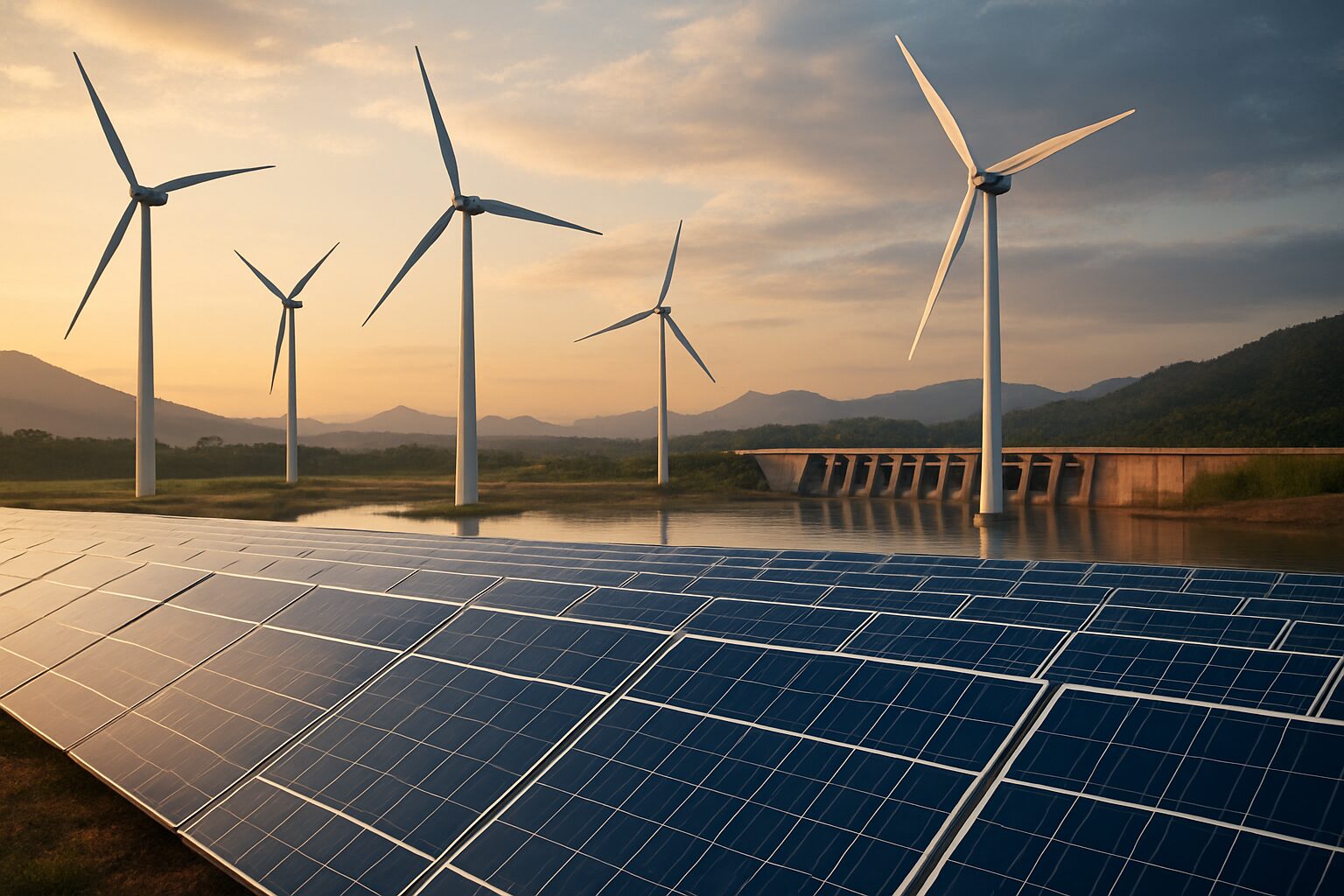

Discover How to Leverage Renewable Energy Opportunities and Transform Environmental Challenges into Sustainable Solutions for the Present and Future.
Since the dawn of civilization, humanity has sought efficient ways to obtain energy to drive its development.
However, for a long time, this search focused almost exclusively on non-renewable sources, such as coal, oil, and natural gas.
Therefore, by understanding this historical context, we realize that renewable energy opportunities arose as a necessary response to the limits of these resources and the environmental impacts caused.
-
Renewable energy advances over protected areas in Brazil, and a survey by the Energy Transition Observatory reveals silent impacts that challenge environmental conservation and pressure sensitive traditional territories.

-
Rio Grande do Sul accelerates energy transition: State invests in renewable technologies and consolidates decarbonization strategies and pathways to attract billions in new industrial investments.

-
With 160,000 m² of collectors, an area larger than 20 football fields, Silkeborg, in Denmark, hosts a solar thermal plant that heats 19,500 homes and could become the largest solar heating plant in the world.

-
A study reveals the expansion of renewable energy procurement in Brazil and shows how companies are taking advantage of opportunities to reduce expenses, ensure energy efficiency, and strengthen strategic environmental commitments.


According to data from the International Energy Agency (IEA), global consumption of fossil fuels grew rapidly during the 19th and 20th centuries, following the Industrial Revolution, which began around 1760.
The Industrial Revolution marked the beginning of intensive coal use, which became the main driver for factories, transportation, and urban growth.
Additionally, with the rise of environmental awareness starting in the second half of the 20th century, new forms of energy began to gain ground, pointing towards a more sustainable future.
On the other hand, it is important to remember that the use of natural sources for energy generation is not a recent idea.
Since ancient civilizations, for example, water and wind power were used for basic tasks, such as grinding grains and pumping water. These records show that humanity already recognized the potential of renewable sources long before industrialization.
However, it was only with the consolidation of the fossil fuel-based economy during the Industrial Revolution that the dominant energy model was established.
This transition brought rapid economic growth but also a series of environmental problems, such as air pollution and the increasing emission of greenhouse gases, which have only been perceived in their true dimension in recent decades.
Thus, the interest in renewable energy opportunities has become even more urgent and evident. In addition to offering clean alternatives, these sources present greater cost stability and higher potential to expand energy access.
The Historical Transition to Renewable Sources
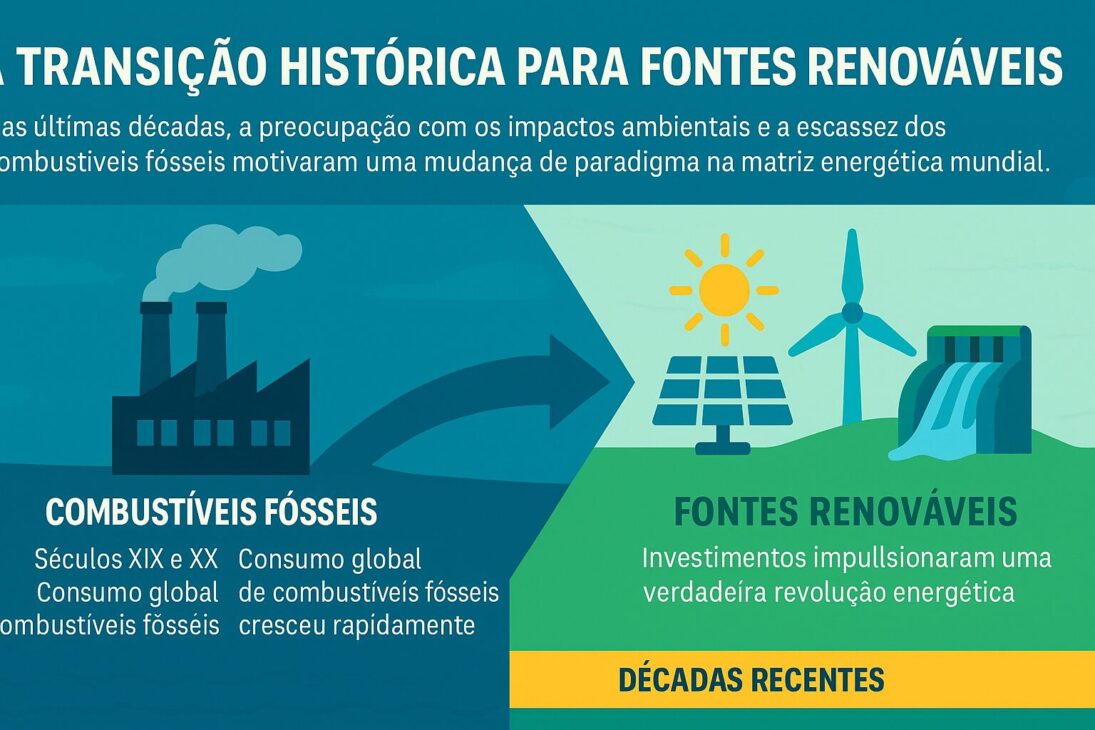
In recent decades, concern about environmental impacts and the scarcity of fossil fuels has motivated a paradigm shift in the global energy matrix.
As a result, governments, international organizations, and companies have begun to invest significantly in renewable energy, elevating these opportunities to a new level.
Consequently, technologies that were once expensive and inefficient have started to rapidly develop, promoting a true energy revolution.
According to the Renewables 2023 report from the International Renewable Energy Agency (IRENA), the global installed capacity of renewable energy grew 8.5% per year between 2010 and 2022, an accelerated pace that indicates the urgency and viability of the transition.
Furthermore, historical events such as the oil shocks of the 1970s were decisive milestones for countries to seek to reduce their dependence on fossil fuels and invest in alternative sources.
This combination of economic, environmental, and technological factors has driven the growth of renewable energy.
These measures have reinforced that the expansion of renewable sources is not just a trend but an urgent global necessity to curb climate warming.
Solar Energy and the Photovoltaic Revolution
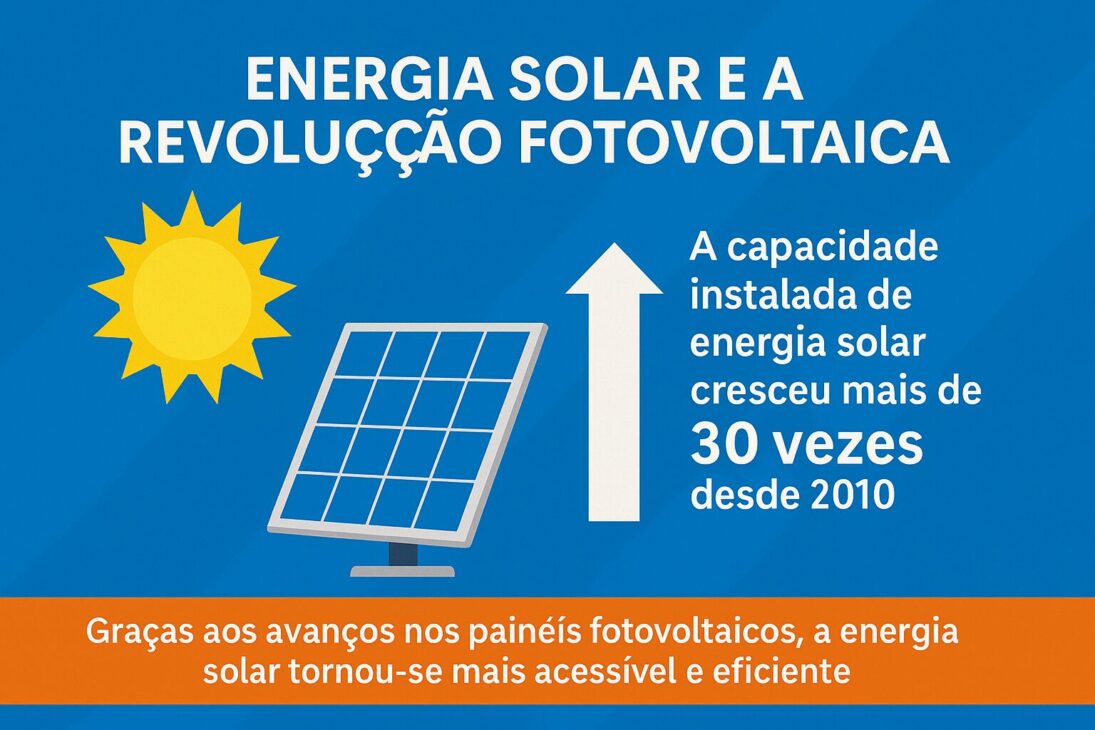
Among renewable sources, solar energy stands out as one of the main drivers of this transformation.
Thanks to the evolution of photovoltaic panels, solar energy has become more accessible and efficient, allowing homes and businesses to generate their own electricity.
This decentralization of energy generation reduces dependence on large distributors and promotes greater autonomy for consumers.
According to the Solar Power Europe 2024 report, the installed capacity of solar energy has grown more than 30 times since 2010, with expectations that it will become the main source of electricity in several countries by 2030.
Moreover, solar energy does not emit polluting gases during operation, directly contributing to the reduction of negative environmental impacts.
The versatility of solar energy is another advantage: it can be installed in everything from small homes to large power plants, including off-grid systems for remote areas.
This considerably expands renewable energy opportunities, bringing clean electricity to regions historically disconnected from the power grid.
The Power of Wind and the Expansion of Wind Energy
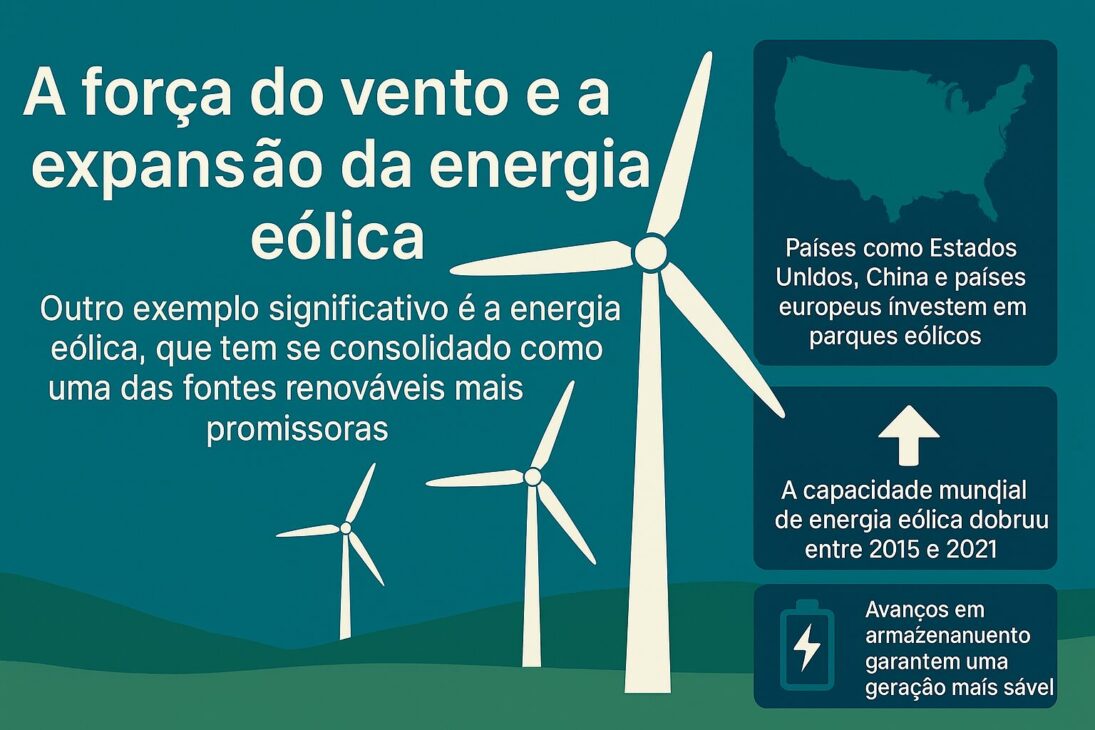
Another significant example is wind energy, which has established itself as one of the most promising renewable sources.
From ancient mills to modern wind farms, the power of winds is harnessed to generate electricity efficiently and sustainably.
Countries with large coastlines, such as the United States, China, and European countries, are increasingly investing in offshore wind farms, using constant sea winds to generate energy on a large scale.
The Global Wind Energy Council (GWEC) reports that the global capacity of wind energy doubled between 2015 and 2023, driven by technological advances and government incentives.
In addition, the development of storage technologies, such as advanced batteries, has helped overcome the intermittence of wind, ensuring more stable and reliable generation.
Thus, wind energy not only diversifies the energy matrix but also reinforces supply security.
Hydropower: Legacy and Challenges
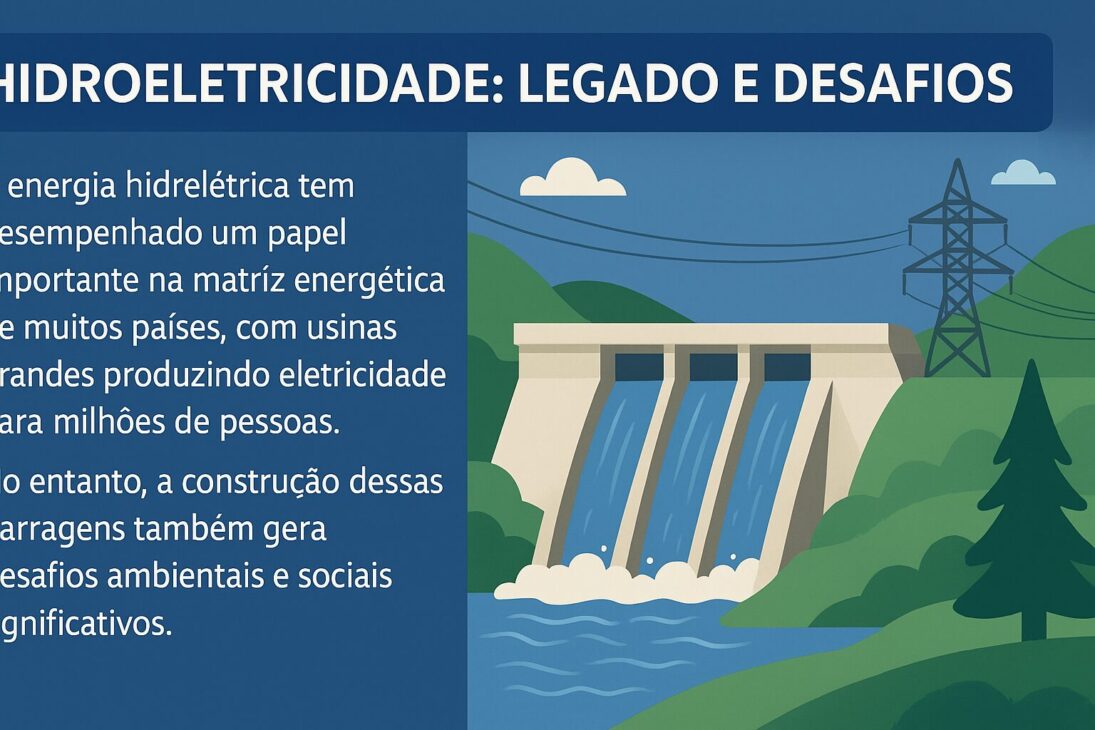
Hydropower plays a traditional and important role in the energy matrix of several countries, especially in Brazil.
Since the early 20th century, large hydroelectric plants have been transforming the power of water into electricity for millions of people.
According to data from the Brazilian Ministry of Mines and Energy (MME), in 2023, hydropower accounted for approximately 63% of the Brazilian electricity matrix.
However, the construction of large dams generates significant environmental and social impacts, such as the displacement of communities and the alteration of ecosystems.
Therefore, recent research and policies have focused on modernizing these plants and expanding Small Hydropower Plants (PCHs), which have lower environmental impact and allow for energy to reach isolated communities.
This way, hydropower remains a pillar of renewable energy but with growing concern for sustainability.
Renewable Energy as a Pillar of a New Development Model
Looking to the future, renewable energy appears as the basis for a new sustainable economic model.
Investing in these sources means ensuring economic development without compromising natural resources and the quality of life for future generations.
Moreover, the clean energy sector generates new jobs, fosters innovation, and values human capital.
Preparing qualified professionals to work in this growing market is essential to consolidate these opportunities.











Gostei muito da matéria foi de grande conhecimento e aprendizado para meus alunos, mas queria as imagens sem cortes para melhor leitura dos encartes.