





 Português
  Inglês
  Espanhol
  7 min de leitura
  0 comentários


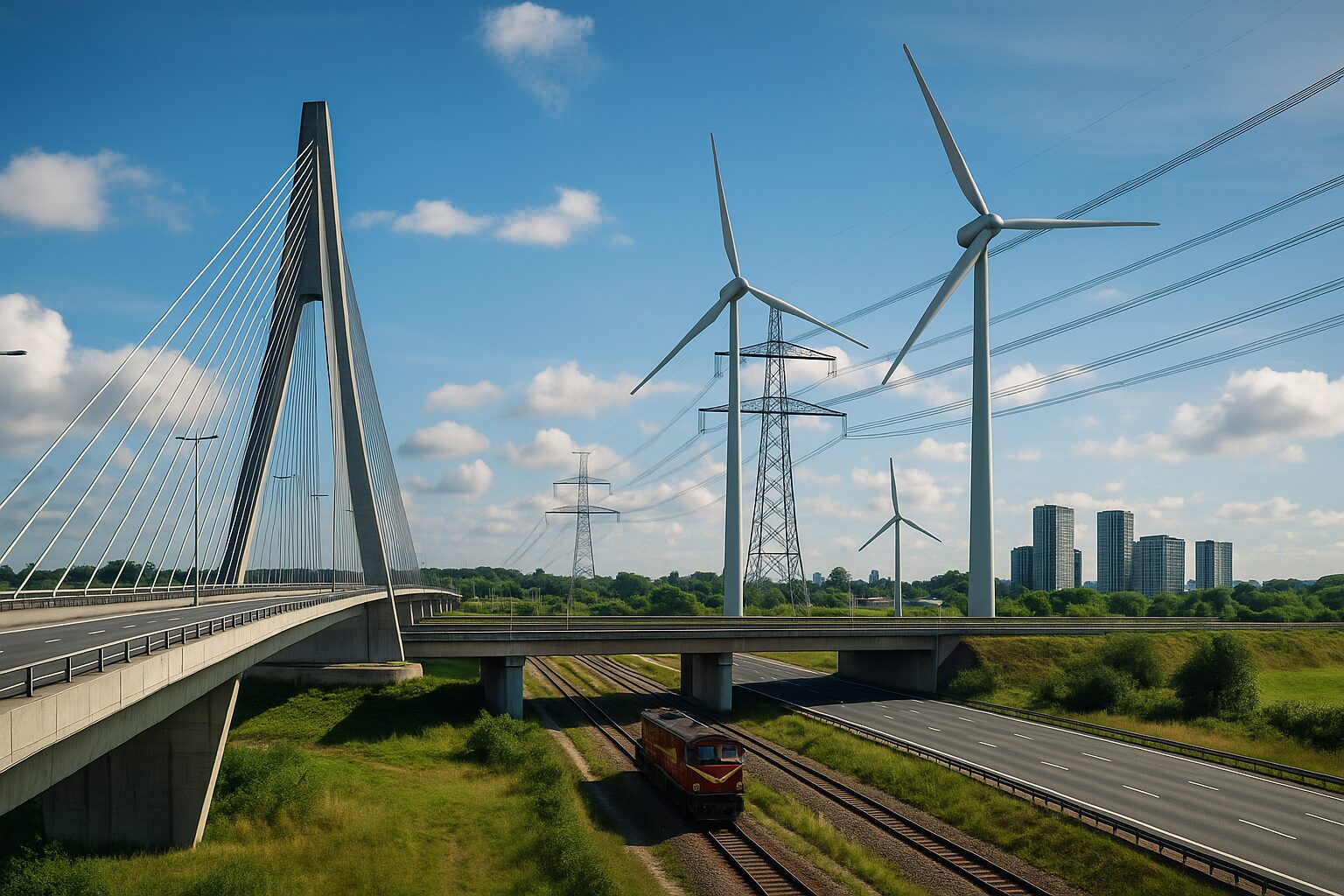
Understand How the Benefits of Infrastructure Transform Societies, Drive Economies, and Promote Inclusion with Lasting and Timeless Solutions.
When we think of infrastructure, it is common to imagine large works such as highways, bridges, and energy systems.
However, infrastructure goes far beyond that: it is the backbone of the development of any society.
From ancient times to the present, the benefits of infrastructure have been crucial for economic growth, the well-being of the population, and social stability.
-
Employee Fired After Accumulating 114 Days of Medical Leave in One Year, Labor Court Upholds Company’s Decision

-
Employee Fired While Treating Depression Wins in Court and Vale Is Required to Rehire Him Following Decision Based on the CLT and INSS Benefits

-
Workers Should Be Aware! March 6 Will Be The Fifth Business Day Of March And The Final Deadline For Companies To Pay Salaries According To The CLT

-
2026 FGTS Anniversary Withdrawal Is Released According to Birth Month, Sets Amounts by Balance Range, Establishes Deadlines for March and April, and Changes Rules in Case of Dismissal


It is not limited to physical development, but also encompasses the creation of an environment conducive to innovation and prosperity.
By providing the foundation for continuous growth, infrastructure has a direct impact on quality of life. It promotes social inclusion, security, and environmental sustainability.
The Evolution of Infrastructure in Human History
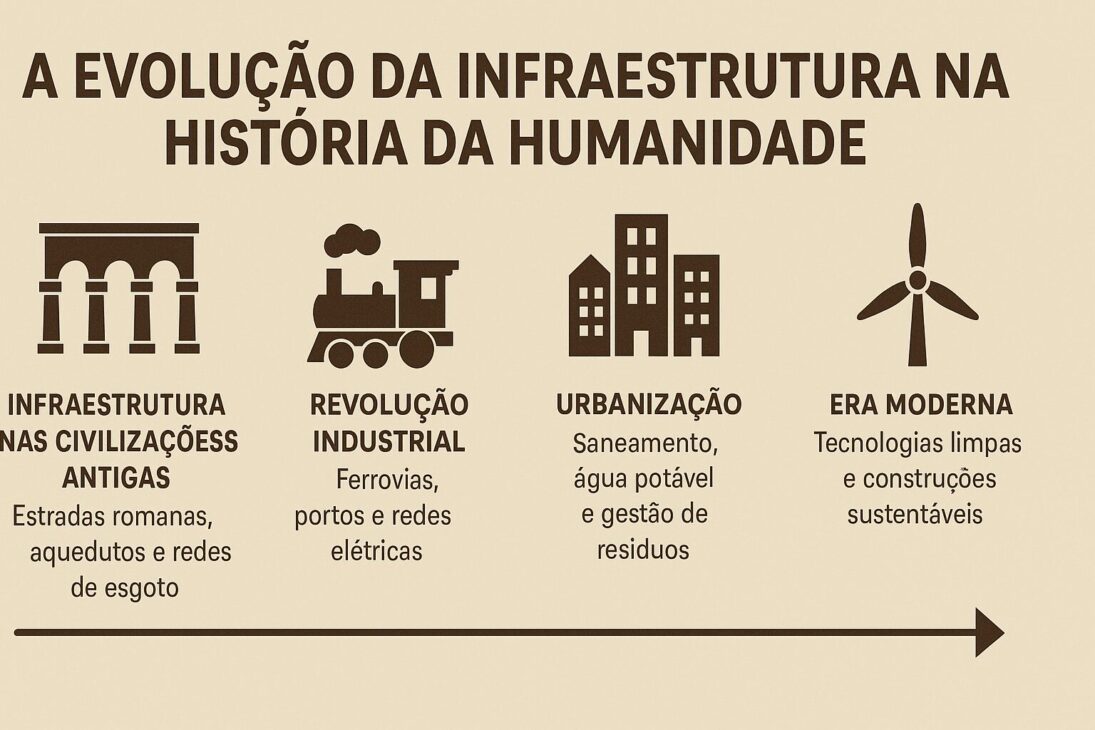
The importance of infrastructure can be perceived from the earliest civilizations.
The Romans, known for their ability to build roads, aqueducts, and sewage networks, transformed the way people lived and moved.
According to historian and archaeologist Robert G. Darby, Roman roads were more than just simple transport ways; they were symbols of power and civilization.
These works were not just functional — they represented a vision of progress, organization, and power.
As time passed, each technological advancement generated new structural needs. The Industrial Revolution, in the 18th century, was an important turning point.
Railways, ports, and electrical networks emerged to meet the growth of factories and rapid urbanization. This period marked a drastic change in how infrastructure was conceived.
It was no longer something that served only governments but became essential for the economy and the everyday functioning of cities.
The invention of the steam engine by James Watt, for example, was a milestone that transformed transportation and industrial production.
According to the Institute of the History of Technology, the changes brought by the Industrial Revolution are seen as the largest technological transformations in modern history.
Similarly, the growing urbanization generated a need for new models of urban infrastructure.
Cities expanded, creating a demand for new systems of sanitation, potable water supply, and waste management.
The first public sewage network in modern history, established in London in 1858, was a clear example of the growing importance of infrastructure for public health and social well-being.
As mentioned by engineer John Snow, who studied and publicized the importance of sanitation to prevent the spread of diseases like cholera.
Infrastructure and Economic Growth Go Hand in Hand
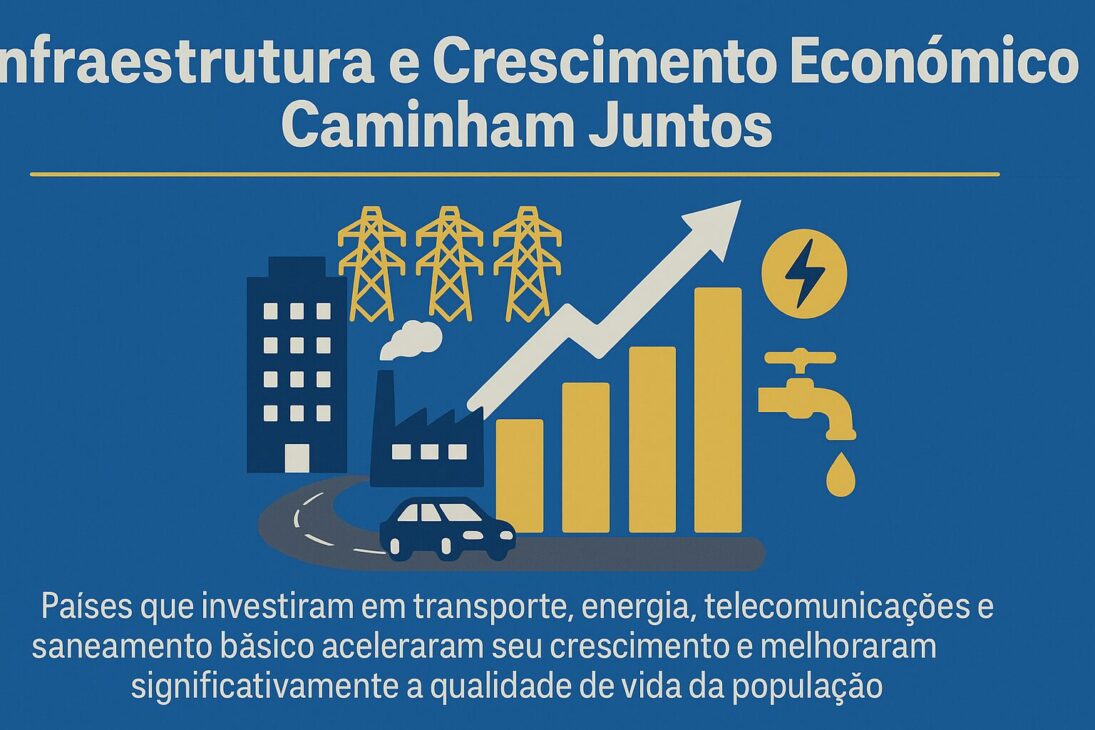
Starting in the 20th century, it became even clearer that infrastructure is a fundamental pillar for progress.
Countries that invested in transport, energy, telecommunications, and basic sanitation accelerated their growth and significantly improved the quality of life of the population.
According to the World Bank, investment in quality infrastructure can increase per capita GDP and generate new jobs at a significantly higher rate in developing countries.
The relationship between infrastructure and the economy is direct: the better the basic services available, the greater the chances of attracting investments, generating jobs, and increasing productivity.
In developing countries, for example, the lack of basic infrastructure can limit access to markets and generate high operating costs for companies.
The World Economic Forum’s 2021 report points out that insufficient infrastructure is one of the main obstacles to economic growth in many African nations.
On the other hand, countries with well-developed infrastructure stand out in a highly competitive global scenario.
Moreover, an efficient transport system, for example, reduces logistics costs, shortens distances, and increases access to markets.
Stable energy networks ensure the continuous operation of industries, commerce, and residences.
Basic sanitation, in turn, directly impacts public health, reducing diseases and improving social indicators. These elements form the foundation of any prosperous and sustainable economy.
According to the UN Human Development Report 2020, a robust infrastructure is essential for the advancement of societies and for the reduction of social inequalities.
Thus, the benefits of infrastructure are not just technical — they also involve human, social, and environmental issues. Investing in infrastructure is investing in the future of the next generations, creating an environment conducive to the growth of all areas of society.
Infrastructure as an Instrument of Inclusion and Social Justice
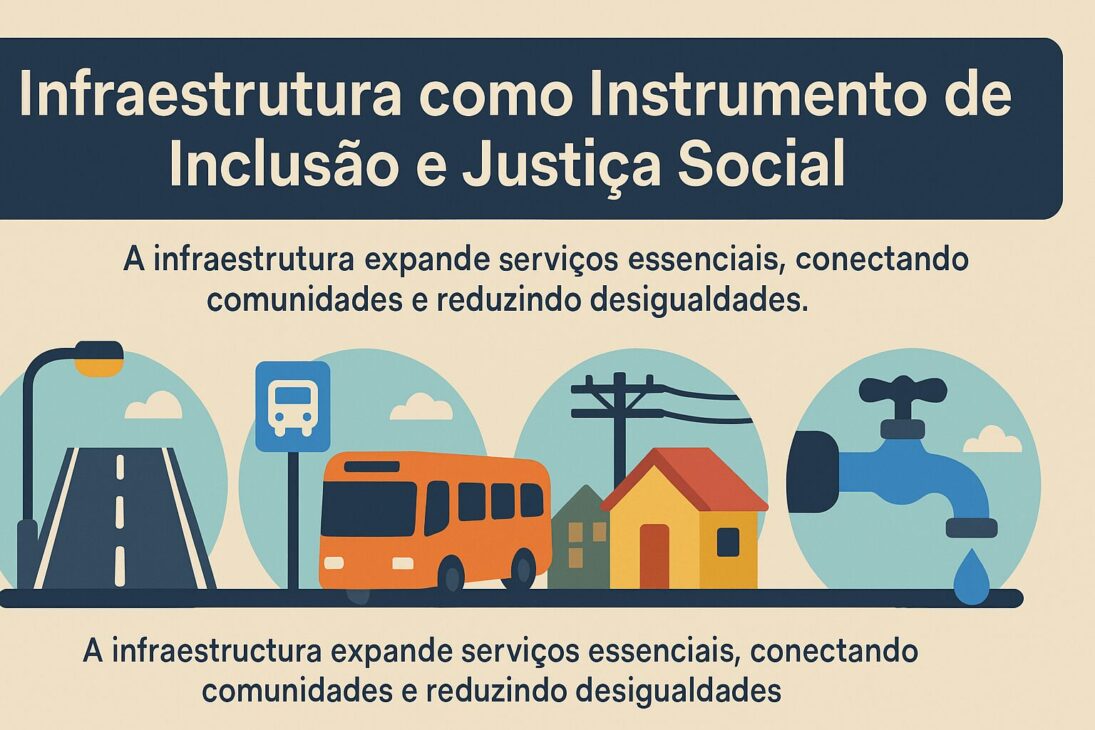
Another important point that often goes unnoticed is the role of infrastructure in promoting social equity.
When remote neighborhoods receive paving, public lighting, and collective transport, they become more integrated into the city.
This reduces inequalities, expands access to jobs, education, and health, and promotes a better quality of life for all.
The expansion of infrastructure is not just a matter of comfort, but of social justice.
For those who live in peripheral or rural areas, the lack of access to basic services can be a significant barrier to their development.
In 2018, the Institute for Applied Economic Research (IPEA) published a study indicating that the lack of infrastructure is a crucial factor for maintaining social inequalities in Brazil.
The absence of access to transport, quality education, and basic sanitation in many rural and urban communities is one of the main obstacles to social mobility.
Likewise, the expansion of the internet to rural or urban peripheral areas represents a new form of inclusion.
Today, digital infrastructure is as important as roads. It enables small businesses to reach new customers, students to have access to distance learning, and public services to become more efficient.
According to a study by the National Telecommunications Commission (CNT), the increase in connectivity in remote areas has been a driver of local economic growth.
Thus, the benefits of infrastructure are increasingly linked to social transformation and the democratization of resources.
Infrastructure is a bridge that connects people and opportunities, allowing everyone to have access to the same development potential.
Sustainability: The New Pillar of Modern Infrastructure
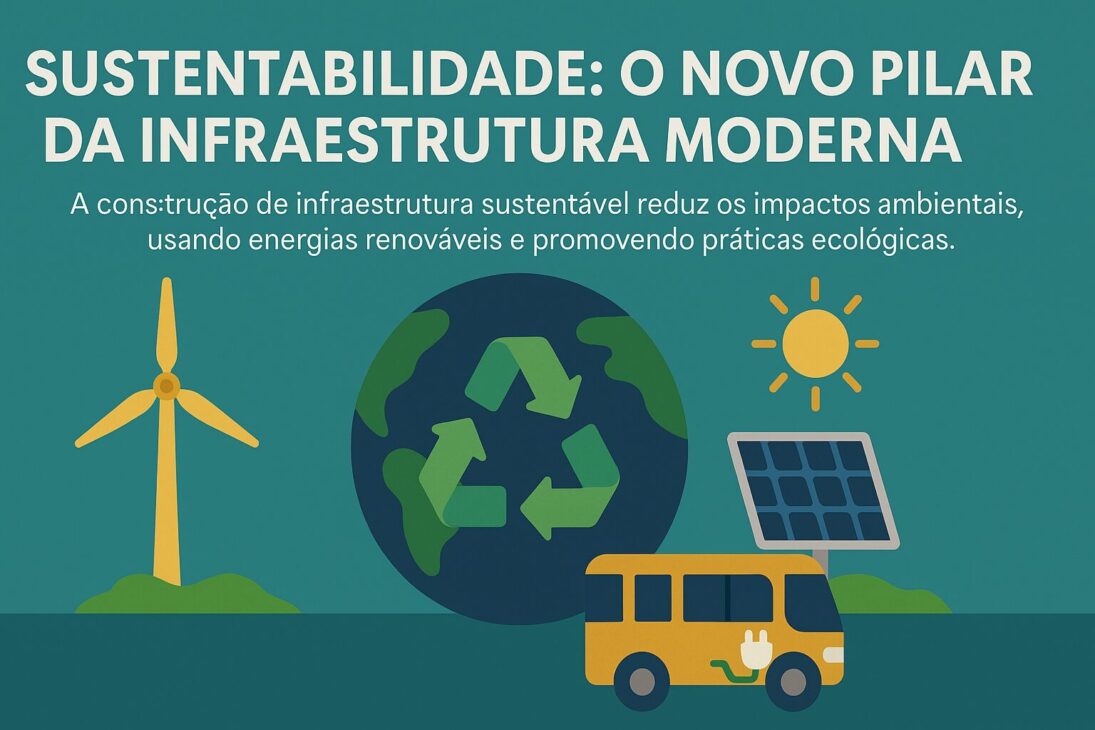
With the rise of environmental concerns over the past decades, the construction of infrastructure has begun to require a new approach.
What was once done with a focus solely on efficiency and expansion now needs to also consider sustainability and long-term impacts.
The adoption of clean technologies, the rational use of natural resources, and environmental preservation have become part of modern infrastructure projects.
The growing adoption of renewable energy sources, such as solar and wind, has transformed energy infrastructure projects.
The decentralization of energy generation, with solar panels installed on homes and businesses, is one way to mitigate environmental impacts while ensuring energy self-sufficiency for many locations.
The Ministry of Mines and Energy, in its 2022 report, highlighted that Brazil is among the countries with the greatest potential for the use of renewable energies, especially due to the increase in investments in solar and wind infrastructure.
Moreover, the construction of highways with lower environmental impact, the implementation of electric public transport systems, and the development of sustainable buildings are clear examples of how it is possible to obtain the benefits of infrastructure without compromising the planet’s future.
These projects have been encouraged by global public policies and international organizations, such as the United Nations (UN), which established the Sustainable Development Goals, aiming to reduce the environmental impact of infrastructures on the planet.
This shift in mindset shows that harnessing the benefits of infrastructure requires, today, a careful eye on the balance between growth and preservation.
Infrastructure projects must be designed with responsibility so that future generations can benefit from the same or even better solutions without harming the environment.
Maintenance and Adaptation: The Foundations of Lasting Infrastructure
An essential characteristic of good infrastructure is its capacity for adaptation.
This means it should adapt to social, economic, and technological transformations with flexibility. A transport network can start small, but should allow for expansion.
A data system can start locally, but needs to accommodate regional or national growth.
Additionally, maintenance is a crucial part. It is not enough to build; it is necessary to ensure that structures remain functional over time.
Neglect in this regard can nullify all the benefits generated initially, resulting in resource wastage and negative impacts on the population.
According to the World Health Organization (WHO), maintaining basic infrastructure is essential to prevent disease outbreaks and ensure the quality of life for populations.
Efficient management also plays a crucial role in adaptation and maintenance.
Countries and cities that invest in monitoring and failure prediction technologies can anticipate problems and avoid high costs with unexpected repairs.
The National Electric Energy Agency (ANEEL) has invested in technologies for real-time monitoring of electrical infrastructure, for example, aiming to optimize services and avoid interruptions.
The Future of Infrastructure: Technology Serving Efficiency
In the coming years, technological advances promise to transform the infrastructure sector even further.
Terms like “smart cities”, “digital infrastructure”, and “5G technology” are already part of the vocabulary of managers and urban planners.
The idea is that sensors, artificial intelligence, and big data will be used to make public services more efficient, secure, and personalized.
Garbage collection can be automated, traffic can be managed in real-time, and energy networks can adjust according to demand.
These innovations will further amplify the benefits of infrastructure, creating more functional and sustainable urban environments.











Seja o primeiro a reagir!