





 Portuguese
  English
  Spanish
  6 min of reading
  0 comments


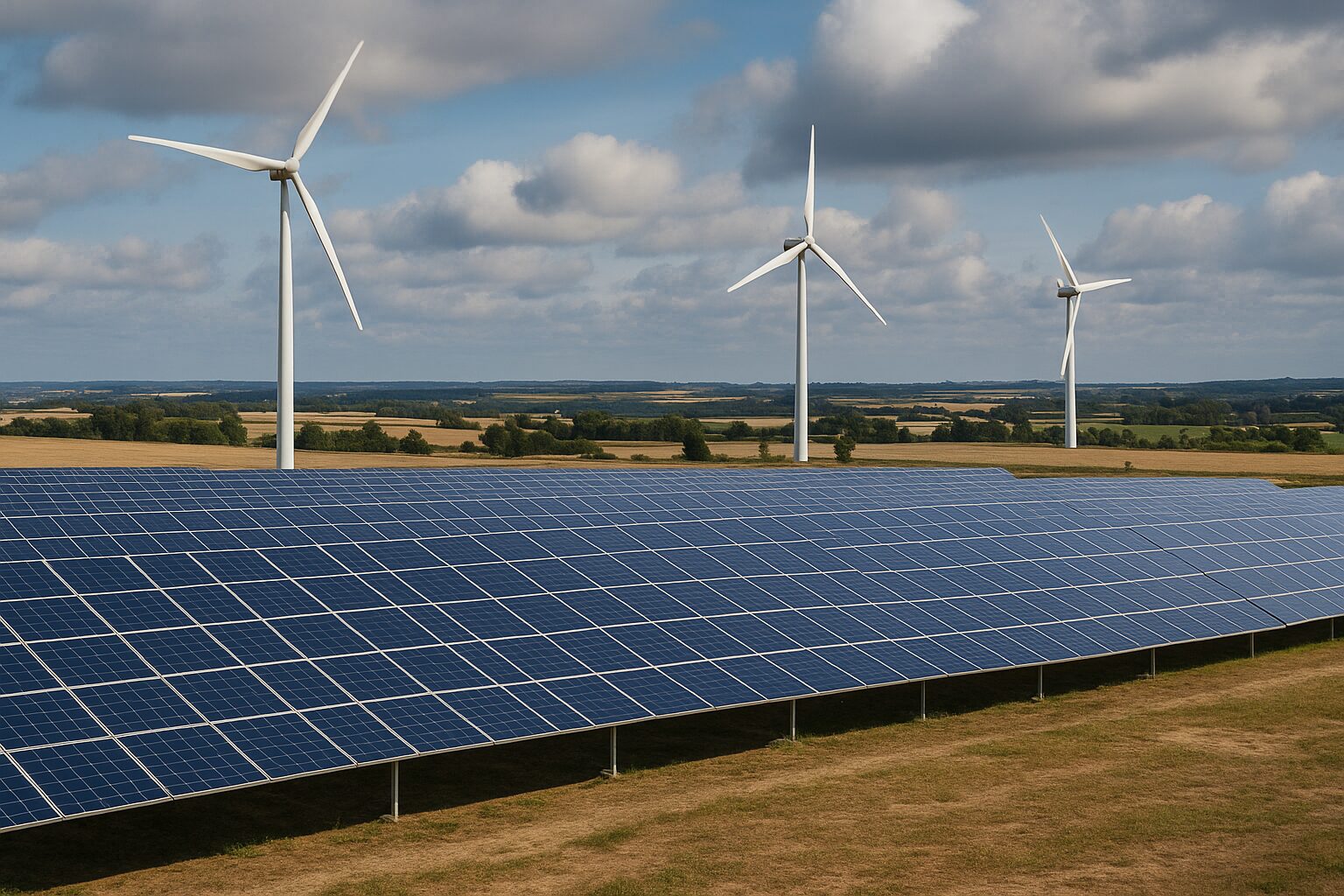
Discover How to Overcome the Main Challenges of Renewable Energy and Understand the Paths to a Cleaner, More Efficient, and Sustainable Energy Transition.
Today, the search for clean energy sources has become one of the greatest priorities of the modern world.
With the growing environmental concern, climate change, and the depletion of fossil resources, the energy transition to sustainable sources has ceased to be merely a trend and has become an urgent necessity.
According to the International Energy Agency (IEA), in its 2023 report:
-
Renewable energy advances over protected areas in Brazil, and a survey by the Energy Transition Observatory reveals silent impacts that challenge environmental conservation and pressure sensitive traditional territories.

-
Rio Grande do Sul accelerates energy transition: State invests in renewable technologies and consolidates decarbonization strategies and pathways to attract billions in new industrial investments.

-
With 160,000 m² of collectors, an area larger than 20 football fields, Silkeborg, in Denmark, hosts a solar thermal plant that heats 19,500 homes and could become the largest solar heating plant in the world.

-
A study reveals the expansion of renewable energy procurement in Brazil and shows how companies are taking advantage of opportunities to reduce expenses, ensure energy efficiency, and strengthen strategic environmental commitments.

The global demand for renewable energy has grown by more than 10% over the last decade, highlighting an upward trajectory driven by environmental policies and technological advances.
Despite the advances and incentives, the sector still faces many challenges of renewable energy that require understanding and strategic action.
Historically, renewable energy is not something new. Ancient civilizations already harnessed the power of the winds to move boats, as the Phoenicians did around 1200 BC.
Solar rays were used to heat spaces and dry food, common practices among Egyptians and Romans.
Moreover, the water wheel, used to grind grains, dates back to ancient Greece, approximately in the 3rd century BC.
With the technological advances of the 20th century, sources such as solar, wind, biomass, geothermal, and hydro gained momentum, becoming real alternatives to replace coal and oil.
However, the integration of these sources into the global energy system brings a series of challenges that go beyond the simple installation of equipment.
Understanding these difficulties helps governments, businesses, and society invest judiciously and effectively, ensuring that renewable energy fulfills its role in combating climate change and promoting sustainable development.
Intermittency and Storage Challenges
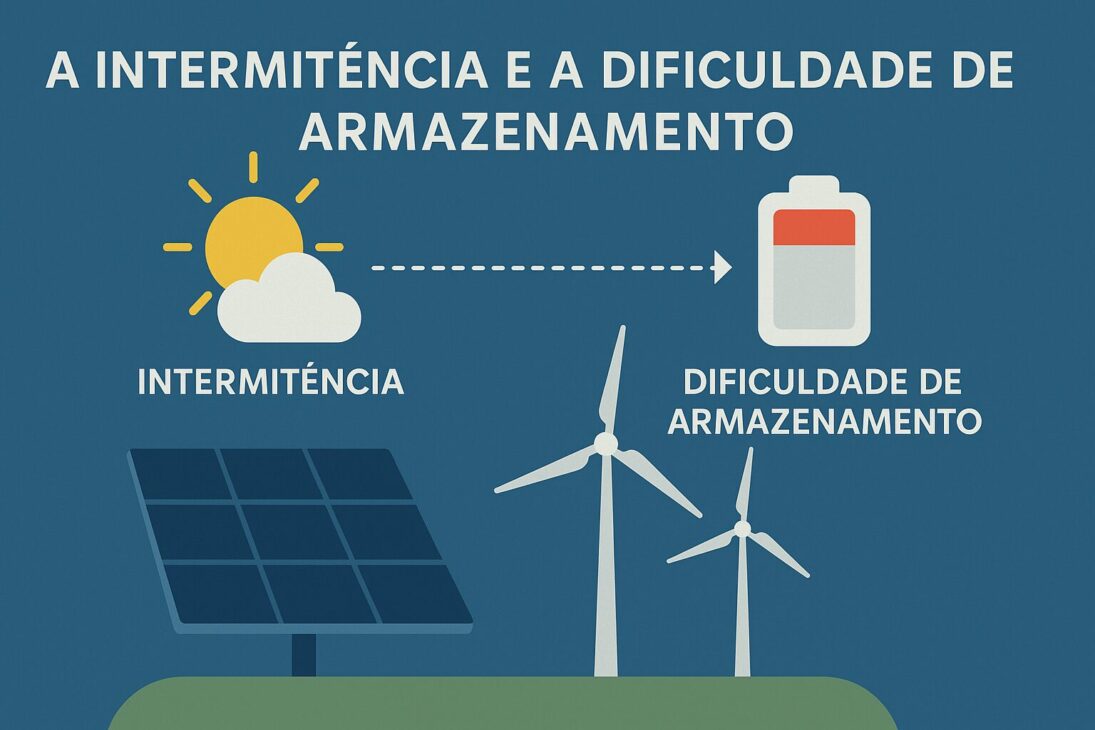
One of the biggest challenges of renewable energy is its intermittency.
Unlike fossil fuels, which generate energy continuously, many renewable sources depend on climatic and environmental factors.
For example, the sun does not shine at night, and on cloudy days, solar energy generation plummets.
Additionally, winds do not blow with the same intensity all the time. These fluctuations can compromise the stability of electrical grids.
According to the International Renewable Energy Agency (IRENA), in the Global Renewables Outlook 2022 report, intermittency is one of the biggest obstacles to the massive integration of renewables, making the development of technological solutions to overcome this limitation crucial.
To mitigate this problem, various strategies are being developed.
Firstly, integrating multiple renewable sources that complement each other over time, such as the combination of solar and wind energy to reduce production gaps.
Furthermore, the advancement of storage technologies, especially high-capacity batteries and systems like pumped hydro storage, which uses the displacement of water to store energy, has been fundamental.
Currently, widely used lithium batteries are expensive and have limitations in durability, environmental impact, and scalability.
Thus, researching more accessible and sustainable storage technologies is crucial for advancing the energy transition.
Emerging technologies like solid-state batteries and hydrogen systems show potential to revolutionize storage and ensure continuous supply.
Costs, Infrastructure, and Unequal Access
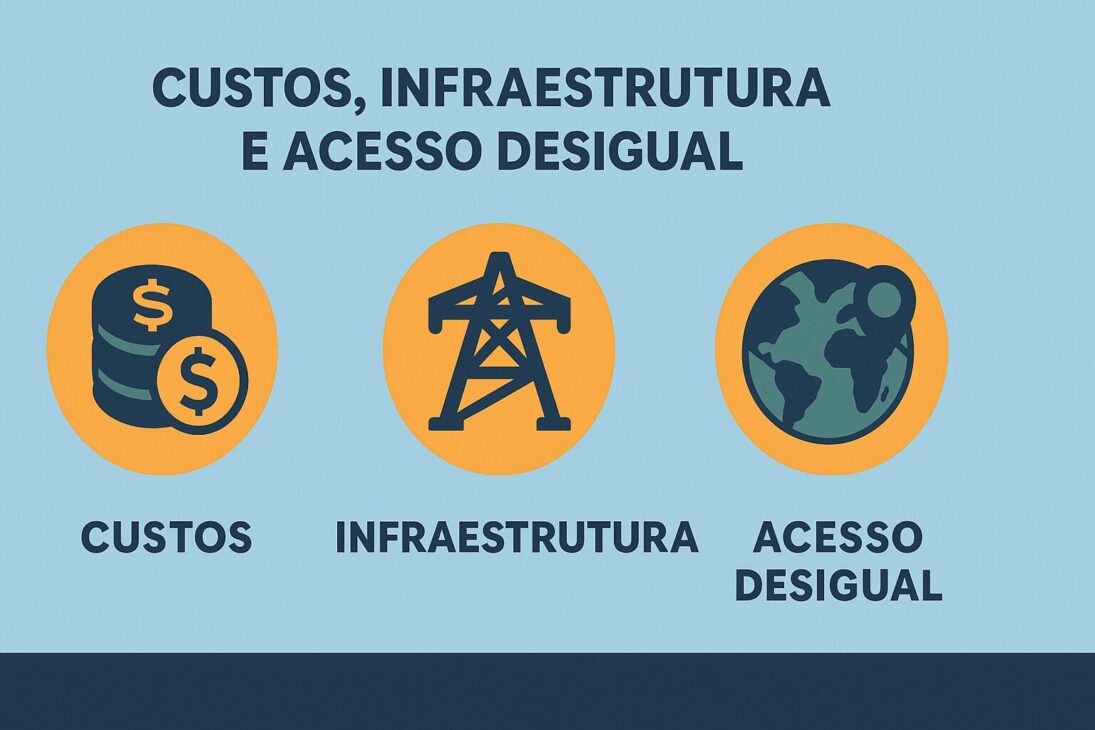
Another relevant factor involves the cost of deploying renewable systems, which still represents a barrier for many countries.
Although the prices of technologies like solar panels and wind turbines have decreased in recent decades, installing large generation parks requires high upfront investments.
According to the World Bank, in the study “Scaling up Renewable Energy” from 2021:
The initial costs of renewable projects are still a challenge for low- and middle-income nations, which need financial support and public policies to accelerate the adoption of these technologies.
Incentive public policies, accessible financing, and subsidies are essential to promote a fair and effective transition.
Despite the initial costs, the operation and maintenance of renewable sources demand less spending than conventional sources.
This characteristic makes renewable projects more competitive in the long run, especially when considering the environmental costs associated with fossil fuels.
Additionally, the existing electrical infrastructure also represents a hindrance.
Many distribution networks were built to transport energy from large centralized plants to end consumers.
With renewable energies, especially solar, generation decentralizes, with thousands of small producers generating energy in their homes or properties.
Consequently, this necessitates the upgrading of transmission and distribution networks to operate in a bidirectional and smart manner, absorbing and redirecting energy according to demand.
This transformation of infrastructure requires investments in technology, such as smart grids, which enable real-time monitoring, optimize energy use, and enhance distribution safety.
Therefore, countries that invest in these systems are better prepared to harness the benefits of renewable energies.
Challenges of Renewable Energy: Environmental and Social Impacts of Implementation
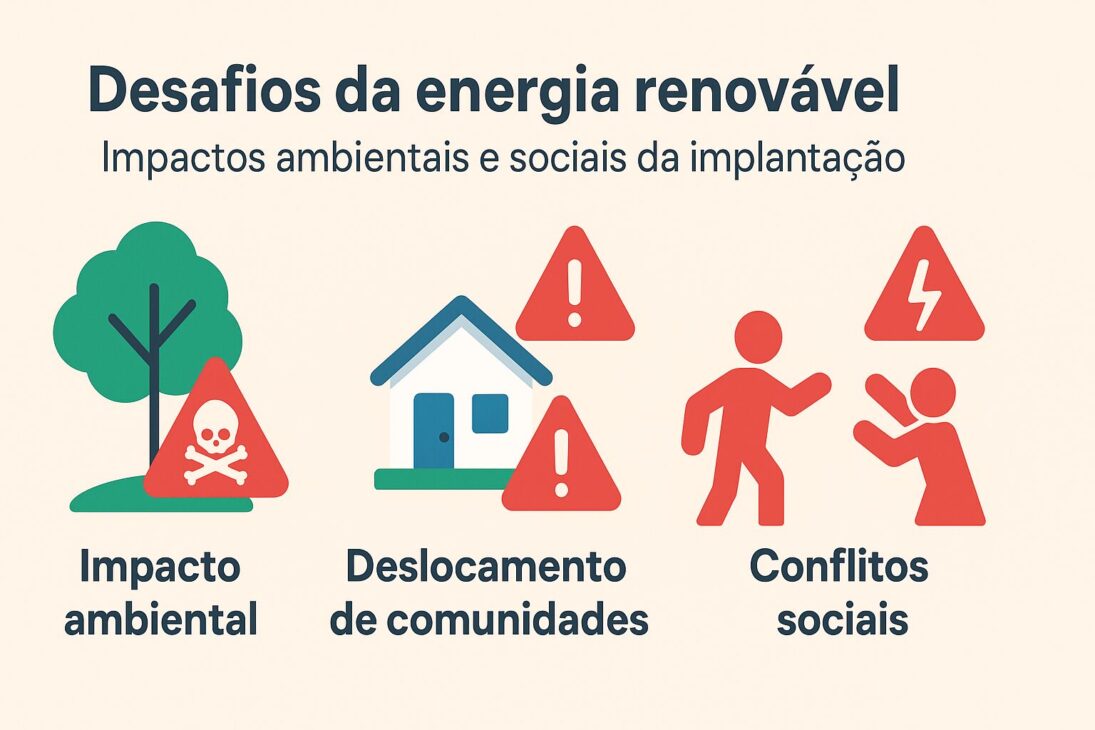
Another important challenge refers to the environmental and social impact of implementing some renewable projects.
While considered clean, sources like hydropower can cause significant damage when involving the construction of large dams, which flood natural areas and displace communities.
For example, the construction of the Belo Monte Dam in Brazil, initiated in 2011, generated intense debates regarding environmental and social impacts, according to the Socio-Environmental Institute (ISA, 2023).
Additionally, wind energy faces criticism for its visual impact on landscapes, noise from turbines, and potential effects on migratory birds.
Solar energy, while quiet and discreet, requires large land areas and uses polluting materials in its manufacturing.
Therefore, environmental and social planning must ensure that these impacts are minimized and that projects are implemented sustainably and ethically.
In this regard, ongoing dialogue with affected communities promotes social inclusion and respect for local rights.
Moreover, there is a cultural and educational issue. In many places, there is still a lack of knowledge and trust in renewable sources.
Thus, changing consumption habits, encouraging energy efficiency, and promoting environmental awareness are essential steps for the population to engage in this transformation.
Environmental education in schools, dissemination of good practices, and encouragement of conscious energy use make all the difference.
Therefore, training programs and community engagement prove to be powerful tools to increase acceptance and success of renewable projects, strengthening a culture of sustainability that endures for future generations.
Politics, Economy, and the Future of Renewable Energy
Finally, we cannot forget the political and economic aspects.
The energy matrix is deeply linked to strategic and geopolitical interests.
Many major powers still depend on oil, coal, and natural gas as the backbone of their economy.
According to the report “World Energy Outlook 2023” from the International Energy Agency (IEA), the energy transition must address these realities, requiring international agreements and economic reforms to enable renewable energies to become predominant.
In addition, the advancement of renewable energy drives new markets and creates jobs, especially in areas of technological innovation, manufacturing of equipment, and installation and maintenance services.
This creates opportunities for countries that invest in the energy transition and can help reduce economic inequalities.
Despite these challenges, the advancement of renewable energy is undeniably and irreversibly occurring.
Each year, new technologies emerge to improve system efficiency, reduce costs, and minimize negative impacts.
For example, the growth of smart cities, the use of artificial intelligence in energy management, and the creation of microgrids are innovations that help overcome existing limitations.
Moreover, international cooperation, through climate agreements and green funding programs, accelerates this transition globally, ensuring that all countries can contribute to a more sustainable future.
That is, understanding that the future depends on conscious decisions in the present. After all, the energy of the future depends on the choices we make now.










Seja o primeiro a reagir!