





 Portuguese
  English
  Spanish
  3 min of reading
  88 comments


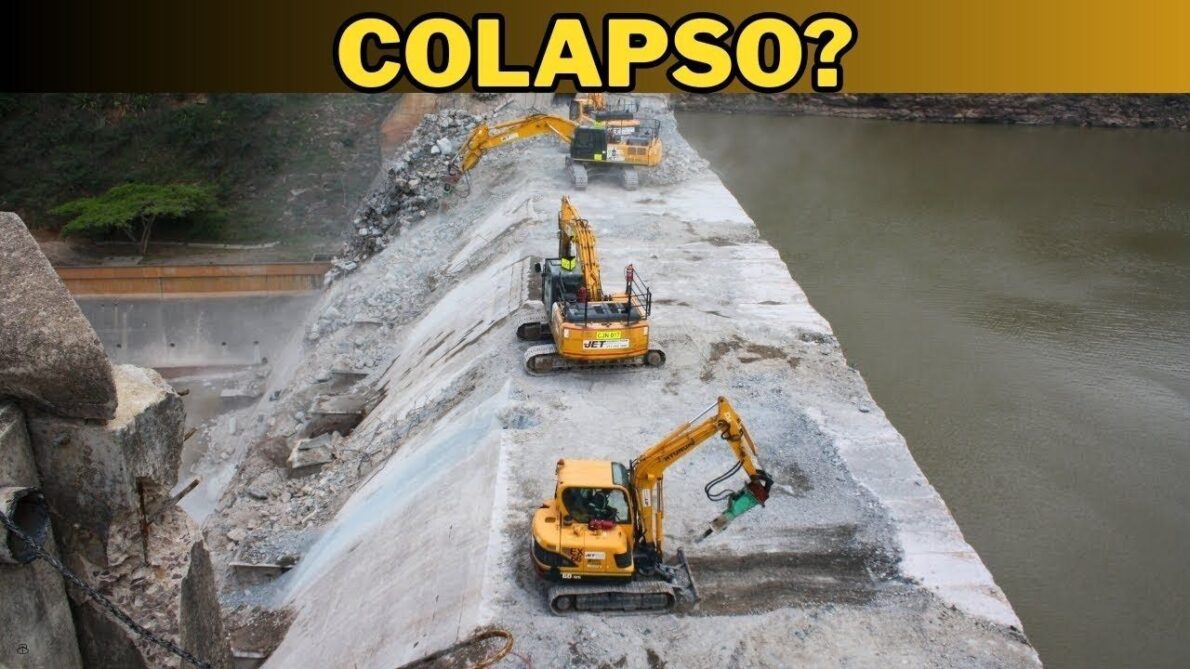

Discover Why Europe Is Removing Its Dams and the Benefits of This Action for the Environment.
For centuries, Europe built a vast network of over 150,000 dams. These structures, some dating back to the early 20th century, were a symbol of progress and power. They generated electricity, controlled floods, and fueled industrial growth. However, at a hidden cost: dams interrupt the natural rhythms of rivers, damaging ecosystems and threatening the survival of migratory fish. Now, many of these structures are reaching the end of their lifespan and becoming dangerous and costly to maintain.
Removing dams helps restore rivers to their natural state, benefiting the environment. Without dams, rivers can flow freely, which is crucial for the health of aquatic ecosystems and the survival of species like migratory fish. Dams also accumulate sediments that may contain pollutants. When removed, these sediments are released, potentially revitalizing habitats downstream.
The Hiitolanjoki River in Finland Is a Success Story in Dam Removal
This 53 km river, which flows into Lake Ladoga, is home to the last naturally isolated salmon population from the sea in Finland. For over a century, dams like Kangaskoski, Lahnasenkoski, and Ritakoski disrupted the river’s flow, making it difficult for salmon to migrate.
-
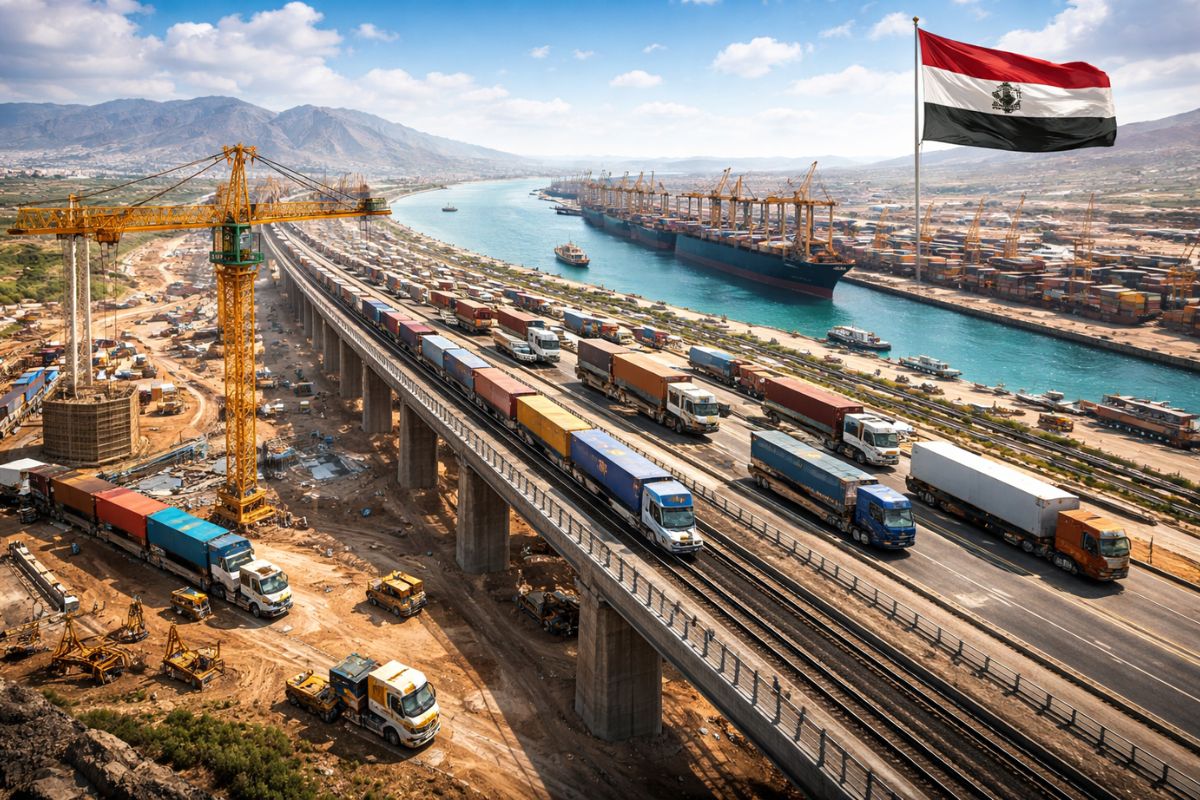
A megaproject worth R$ 89 billion is advancing in Iraq and promises to change the game in global trade by creating a new corridor between Asia and Europe, reducing traditional routes and repositioning the country as a logistics powerhouse.
-
Goodbye bedside table: floating shelves become a trend in 2026 by freeing up space in the bedroom, improving circulation, bringing visual lightness, and integrating technology without taking up floor space.

-
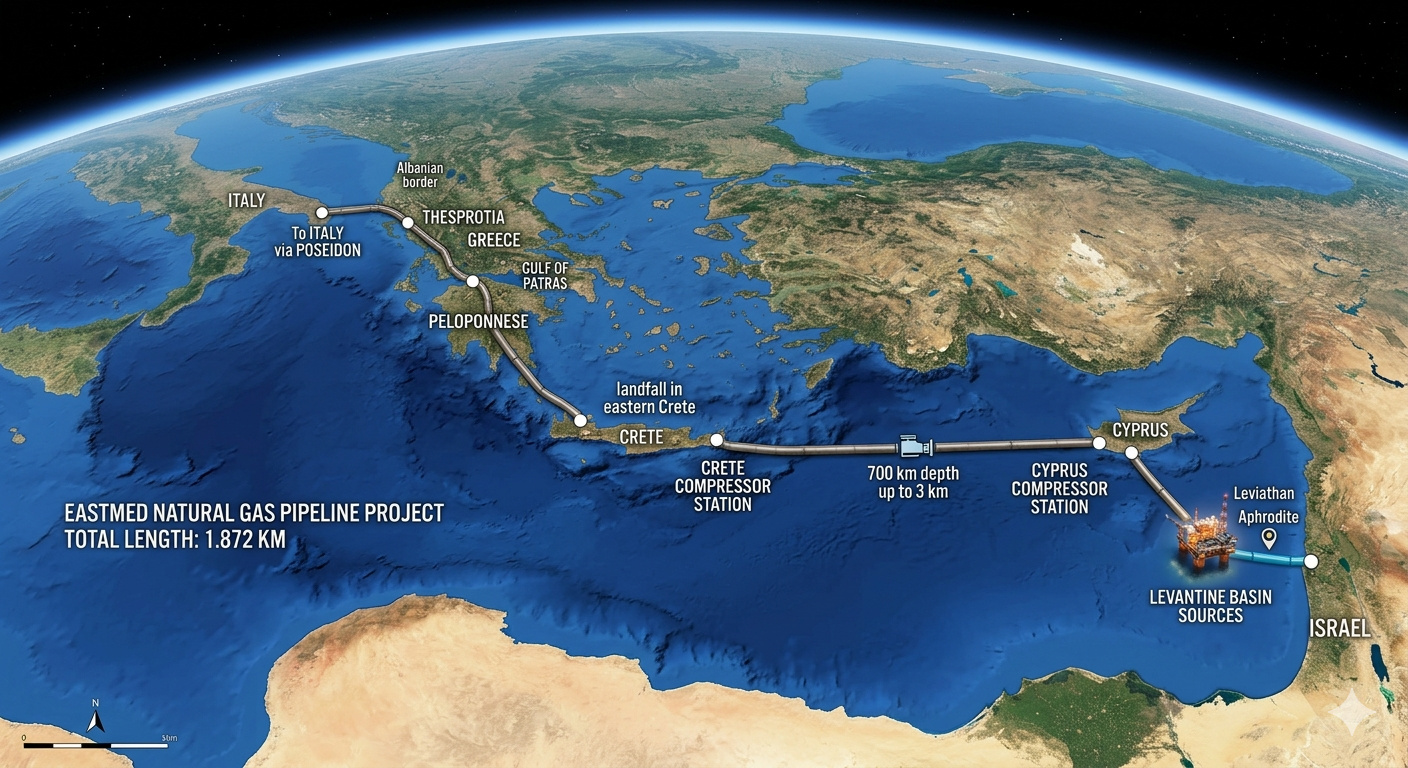
Israel, Greece, and Cyprus signed an agreement in 2020 to transport gas from the Mediterranean to Europe via a 1,872 km pipeline, but Turkey claimed sovereignty over part of the maritime route, and the project never materialized.
-
Israel, Greece, and Cyprus signed an agreement in 2020 to transport gas from the Mediterranean to Europe via a 1,872 km pipeline, but Turkey claimed sovereignty over part of the maritime route, and the project never materialized.

In 2021, the Kangaskoski dam was demolished, resulting in an immediate ecological response: within weeks, salmon nests appeared in the new section of the river. In 2022, the Lahnasenkoski dam was also removed. The final step involved the removal of the Ritakoski dam in 2023. The total cost of the project was approximately €750,000, funded by public and private donors.
Removing a Dam Is a Major Engineering Challenge. Each Dam Is Studied Individually to Determine the Best Approach. Here Are Some Common Methods:
Notching and Release Method: Engineers make strategic cuts in the dam, allowing water to gradually exit. This helps to redistribute sediments in a controlled manner, revitalizing habitats downstream.
Rapid Release Method: A tunnel is created at the base of the dam, quickly releasing water and sediments. It’s a faster and cheaper method but can cause flooding and erosion.
Excavation and Draining Method: The reservoir is emptied, and accumulated sediments are removed with heavy machinery. It’s an expensive and slow process, used when sediments are contaminated.
Bypass Method: In some cases, a new channel is built to divert the river around the dam, leaving the sediments in place.
In 2022, a Record Number of 325 Dams Were Removed in Europe
Reopening important waterways. Countries like Spain, Sweden, and France are leading these efforts, with new participants such as Latvia and Luxembourg joining the cause. The removal of dams improves biodiversity, helping to reverse species loss and creating healthier habitats.
Europe is removing its dams to restore rivers and benefit the environment. This movement, although complex and costly, brings enormous ecological benefits, helping to reverse decades of damage to river ecosystems. The removal of dams symbolizes a commitment to sustainability and the preservation of nature for future generations.






Sim…aí geram energia “limpa” queimando carvão…que material ****
A questão hoje não é mais criticar o que foi feito ou por quem foi feito. A grande questão que vivemos hoje é se diante do que conhecemos e das possibilidades técnicas que temos se ainda é necessário manter as barragens existentes, respeitando-se obviamente as barragens que foram feitas para conter enchentes, mantendo-as se ainda não tiver uma solução mais adequada e tomando medidas para mitigar os problemas oriundos de uma barragem no leito do rio. Os tempos mudaram, o nosso conhecimento evoluiu e não devemos continuar aqui procurando culpados, somos todos responsáveis, nós não temos um planeta B!
E como vão resolver o problema de produção de energia, ponto fraco da Europa? Usina a base de combustíveis fósseis? Térmica? Nuclear? Solar?