





 Portuguese
  English
  Spanish
  3 min of reading
  0 comments



The Fuels Of The Future Are Revolutionizing The Transport Sector With Clean, Efficient, And Sustainable Solutions To Address The Challenges Of Climate Change.
The transport and logistics sector is in the spotlight due to the growing demands for cleaner and more efficient solutions. Thus, the fuels of the future and green hydrogen stand out. After all, these alternatives promise to lead the global energy transition. However, many still question what these options are and how they can truly impact the market.
Why Are The Fuels Of The Future Essential Now?
Certainly, the world is facing a critical moment regarding climate change. Therefore, the transport sector, responsible for a large portion of global emissions, must adapt quickly. In this sense, the fuels of the future emerge as indispensable and extremely promising solutions.
Among the most prominent alternatives are:
-
The Economist states that Brazil has a “secret weapon” against expensive oil and highlights how the country can reduce economic impacts even in international scenarios of high volatility.

-
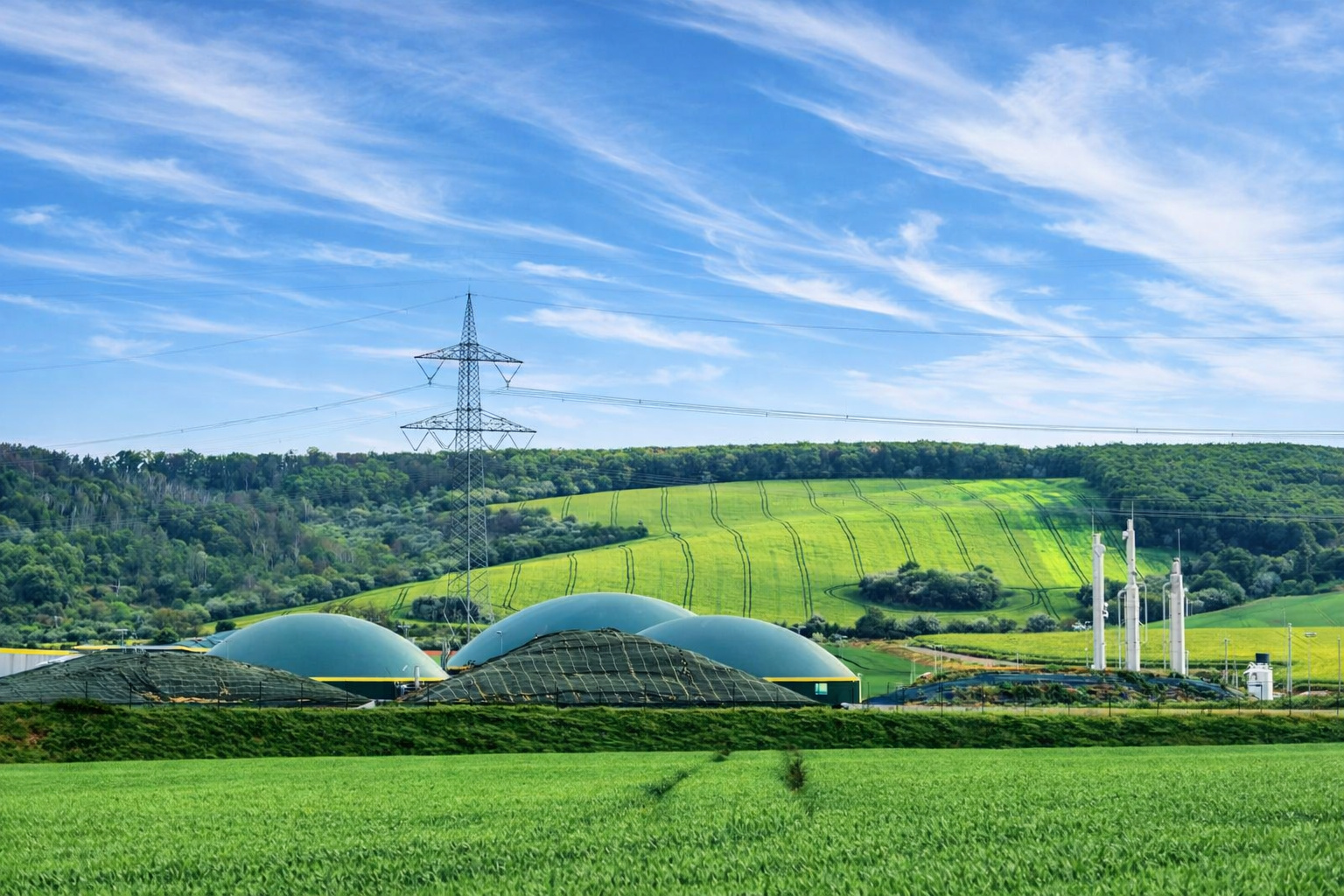
Brazil accelerates decarbonization in the South: International forum in Foz do Iguaçu gathers leaders to discuss the advancement of biomethane in the energy matrix and the potential of “caipira pre-salt.”
-
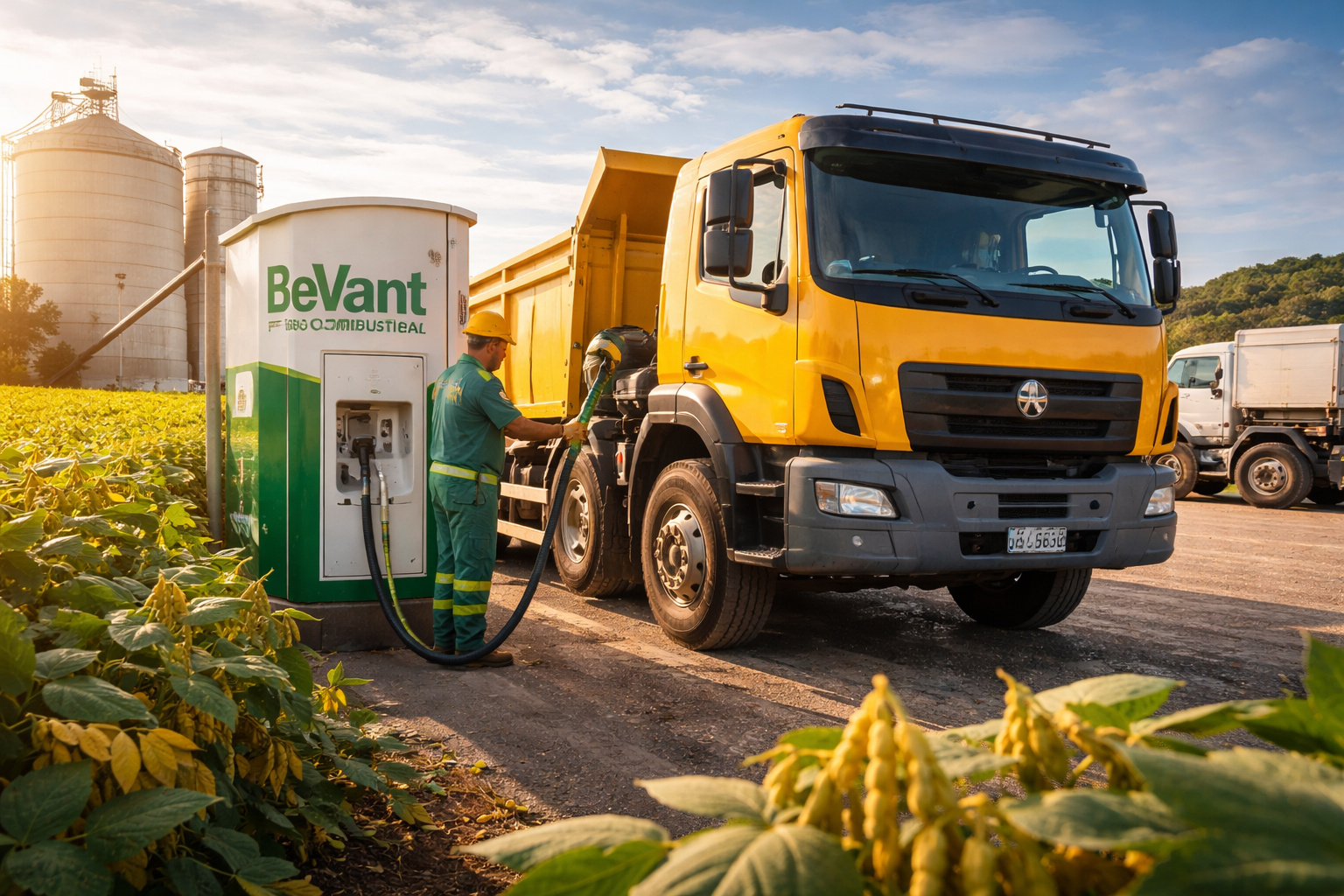
As diesel prices soar due to conflicts in the Middle East, a Brazilian city decides to test a little-known biofuel that promises to completely replace fossil fuel without adaptation and could change the future of energy in the country.
-
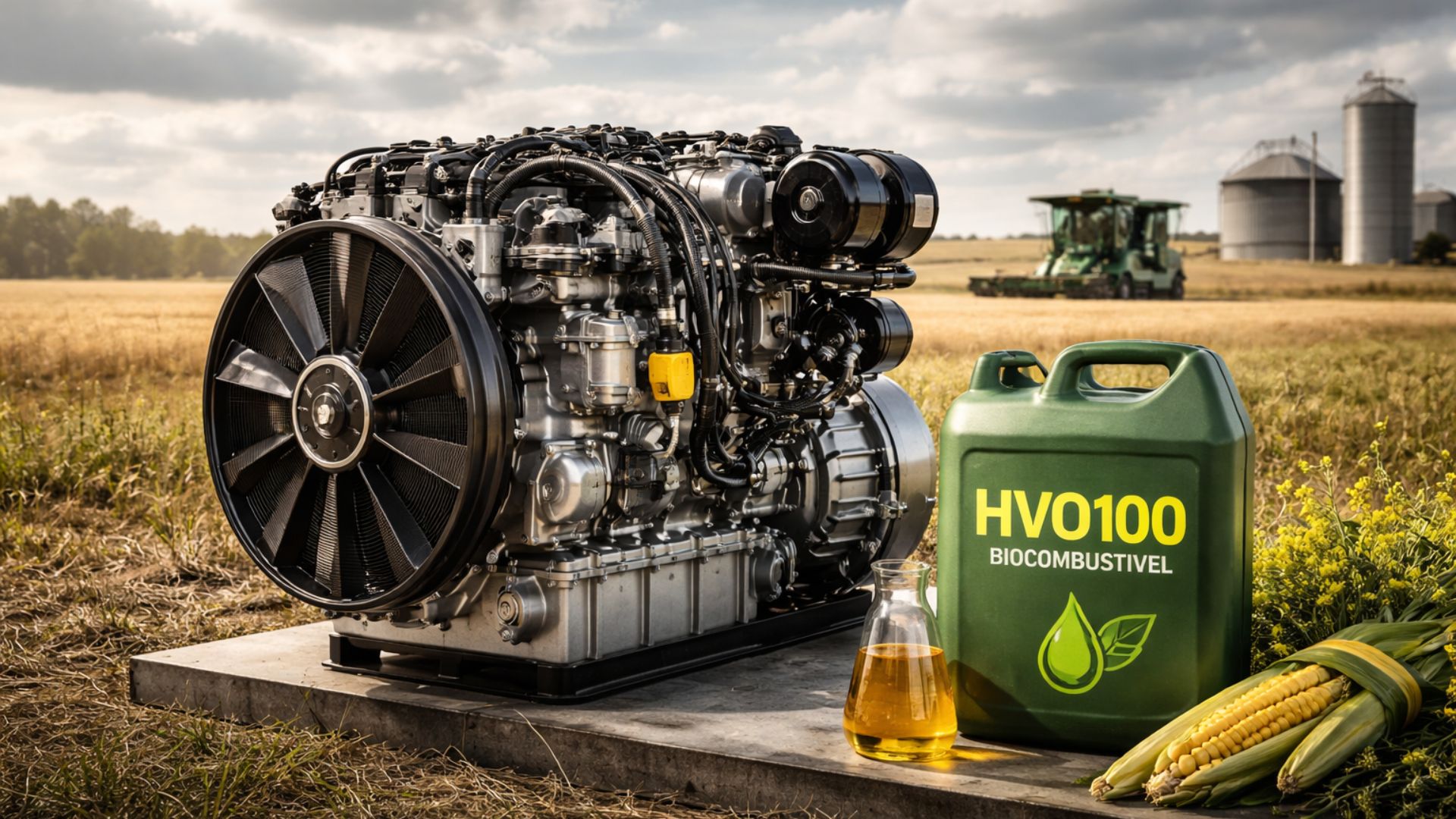
Innovation with biofuel engines transforms agribusiness by replacing diesel without the need for major adaptations, ensuring energy efficiency and helping to reduce dependence on oil.

- Green Hydrogen: produced exclusively from renewable sources, making this solution sustainable.
- Advanced Biofuels: derived from agricultural and forestry waste, contributing to the circular economy.
- Synthetic Fuels (e-fuels): compatible with current technologies, facilitating large-scale implementation.
Certainly, these options not only reduce the carbon footprint but also promote a smoother and more efficient transition to sustainable energy matrices.
Green Hydrogen: The Rising Star In Transportation
Why Is Hydrogen A Promising Solution?
Undoubtedly, green hydrogen stands out as one of the most viable options for heavy transport and public transport. Furthermore, it is produced exclusively through renewable energy. Thus, it has the potential to:
- Replace fossil fuels on a large scale, reducing carbon emissions.
- Be stored and transported efficiently, expanding its applicability.
Therefore, this technology can revolutionize transportation, especially in regions with public policies that encourage it.


Advanced Biofuels: From Waste To Fuel
In addition to green hydrogen, advanced biofuels have proven to be extremely sustainable options. After all, they utilize agricultural, forestry, and even urban waste to generate energy. Among the main benefits of these alternatives are:
- Reduction of Dependence On Fossil Fuels, essential for energy diversification.
- Utilization Of Waste That Would Be Discarded, promoting a more sustainable economy.
Consequently, this circular approach transforms environmental problems into efficient and practical energy solutions.
Synthetic Fuels (e-fuels): The Bridge To Transition
Although hydrogen and biofuels are promising, e-fuels have a significant advantage: compatibility with existing infrastructure. This means they can be used in internal combustion engines without major adaptations. Additionally, they:
- Facilitate the transition to a low-carbon economy, essential for global goals.
- Can be applied in various sectors, including maritime transport and aviation.
Therefore, e-fuels offer practical solutions to accelerate changes in the transport sector.
Challenges And Opportunities In The Adoption Of Alternative Fuels
Although technologies are advancing, there are still significant challenges that need to be faced. Among the main obstacles are:
- Limited Infrastructure: the lack of refueling stations hinders adoption.
- High Costs: initial investments for implementation are still high.
- Lack Of Regulation: the absence of clear policies can delay progress.
However, the opportunities are vast. Companies like Excel are investing heavily in innovations that combine operational efficiency with sustainability.
Road Transport In Brazil: A Challenging Scenario
Although Brazil has a clean energy matrix, road transport faces specific challenges. Currently, diesel fuels about 90% of trucks and buses in circulation. However, it is essential to highlight that:
- The transition to biofuels could eliminate emissions from the sector by 2050.
- Natural gas is a viable alternative, emitting up to 70% less CO₂.
Even so, the lack of infrastructure and high initial costs remain significant barriers.
The Future Of Transportation Is Closer Than Ever
Based on what has been presented, it is evident that the fuels of the future represent a unique opportunity. After all, they not only reduce carbon emissions, but also promote energy efficiency significantly. Therefore, with investments in technology, infrastructure, and public policies, achieving a more sustainable transport system is feasible.










Seja o primeiro a reagir!