





 Portuguese
  English
  Spanish
  4 min of reading
  0 comments



Young Entrepreneurs Who Sold Products from China Without Stock Face New Taxation Rules. Understand the Impact of Digital Gold and the Future of National Dropshipping
Dropshipping has emerged in Brazil as a highly attractive business model, especially for young entrepreneurs. The promise of achieving digital gold by selling products from China without the need for physical inventory has driven a new wave of online entrepreneurship. However, the implementation of new taxation rules by the Federal Revenue has drastically changed the landscape, turning the opportunity into a major challenge.
Understand the rise of dropshipping, the impact of the “tax bomb,” the adaptation strategies, and the future of this dynamic market in Brazil.
What Is Dropshipping and the Search for Digital Gold with Products from China?
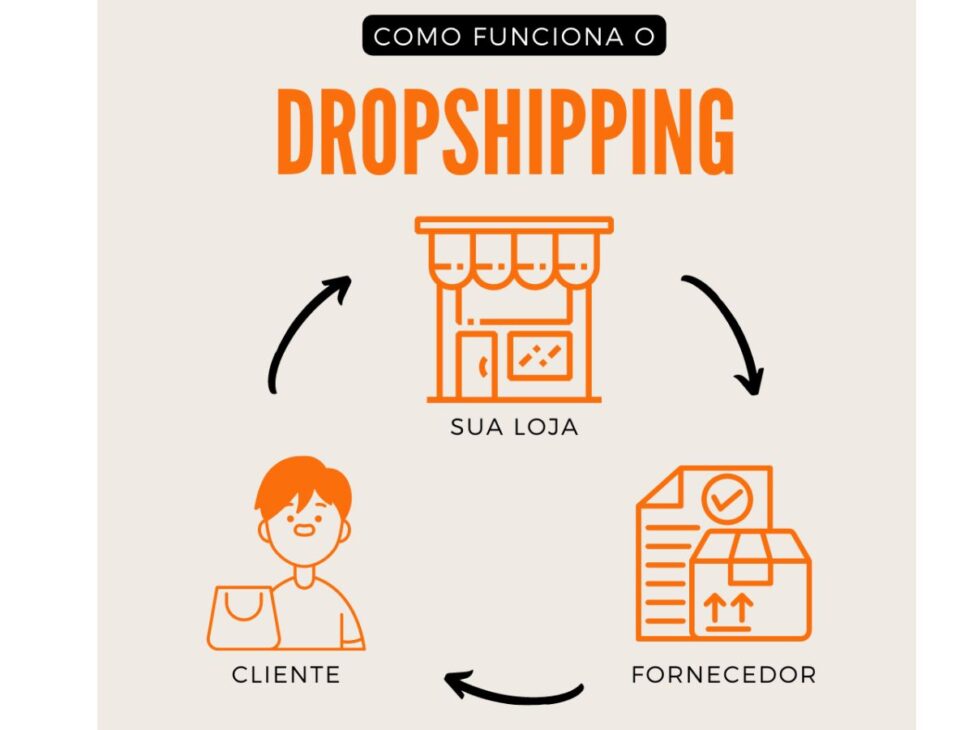
Dropshipping is a retail model where the merchant sells products directly to customers without maintaining inventory. When a sale is made, the supplier is responsible for packaging and shipping the product to the buyer. Profit comes from the difference between the retail and wholesale prices.
-
A forgotten cord on the floor of a basement in Vienna leads a plumber to a box containing 30 kilograms of gold with Mozart’s face, hidden before World War II. The treasure, worth 2.3 million euros, was just centimeters away from a worker who ignored the sign a day earlier.

-
A new Brazilian shopping center worth R$ 400 million will be built in an area equivalent to more than 4 football fields, featuring 90 stores, 5 cinemas, a supermarket, a college, and parking for 1,700 cars, potentially generating 3,000 jobs.

-
A couple buys an old chalet, breaks the kitchen floor for renovation, and finds over a thousand coins of gold and silver hidden since the English Civil War over 4 centuries ago.

-
Rigid bags with their days numbered: new trend prioritizes comfort in 2026.


This model has become popular among young Brazilians due to its low initial capital requirement, minimal expenses, and flexibility. The vast range of products from China, with competitive prices, has become the main source for dropshippers, fueling the search for digital gold. Platforms like Shopify and the popularity of marketplaces like Shein and Temu have facilitated entry into this market.
How the Remessa Conforme Program Changed the Game
The dropshipping landscape has been transformed by the Remessa Conforme Program (RCP), launched by the Federal Revenue in 2023. The goal is to regulate and simplify the control of international shipments. Companies that join the program, such as AliExpress and Shein, must follow new taxation rules.
Purchases up to US$ 50: the Import Tax (I.I.) is 20%, plus 17% ICMS.
Purchases above US$ 50: a rate of 60% I.I. plus 17% ICMS applies.
Increase in 2025: starting in April 2025, the ICMS rate may rise to 20% in some states, further increasing the tax burden.
The impact was immediate. After the implementation of the “blouse tax” (the 20% tax), purchases on foreign platforms fell by 11%. In November 2024, the Federal Revenue announced a 40% reduction in imports via RCP.
The Reaction of Dropshippers and the Frustration with Taxes
The online dropshipping community, especially in forums like Reddit, reflects frustration with the new rules. The dominant perception is that “dropshipping died with the remessa conforme” and that the taxation, which can reach up to 92% of the product value in some cases, is “zeroing the profit margin”.
The fiscal complexity and bureaucracy to formalize the business are also identified as challenges. The dream of easy and quick digital gold, based on cheap Chinese products, seems to have come to an end for many.
The Growth of National Dropshipping as an Alternative
In response to the taxation of imports, national dropshipping has emerged as a promising solution. The search for local suppliers has become a powerful strategy to evade high taxes and customs bureaucracy.
The advantages are clear:
More Affordable Prices: without import taxes, costs are lower.
Cheaper and Faster Shipping: national logistics is more agile and economical.
Greater Control: proximity to suppliers allows for better quality and inventory control.
Major players, such as AliExpress, are already investing in localized products in Brazil, and the Brazilian E-Commerce Association (ABCOMM) projects that 80% of Brazilian SMEs will use dropshipping by 2030.
The Future of Dropshipping in Brazil, Strategies to Survive and Thrive

The reconfigured landscape due to taxation requires new strategies. The search for digital gold now depends less on finding ultra-cheap products from China and more on sophisticated and sustainable business management.
Focus on Added Value: customer experience, branding, and quality service become more important than low prices.
Exploration of Niches: focusing on specific markets with less competition allows for building a strong brand and customer loyalty.
Local Partnerships: collaborating with Brazilian suppliers is essential to reduce costs, speed up deliveries, and ensure tax compliance.
Diversification of Channels: avoiding reliance on a single sales platform, like Shopify or marketplaces, and considering creating one’s own online store offers greater control and resilience.
Dropshipping in Brazil has not died; it is maturing. The initial “fever” is giving way to a more professional business model, integrated into the local economy, with a promising future for entrepreneurs who know how to adapt.









-

-

-

6 pessoas reagiram a isso.