





 Portuguese
  English
  Spanish
  5 min of reading
  0 comments


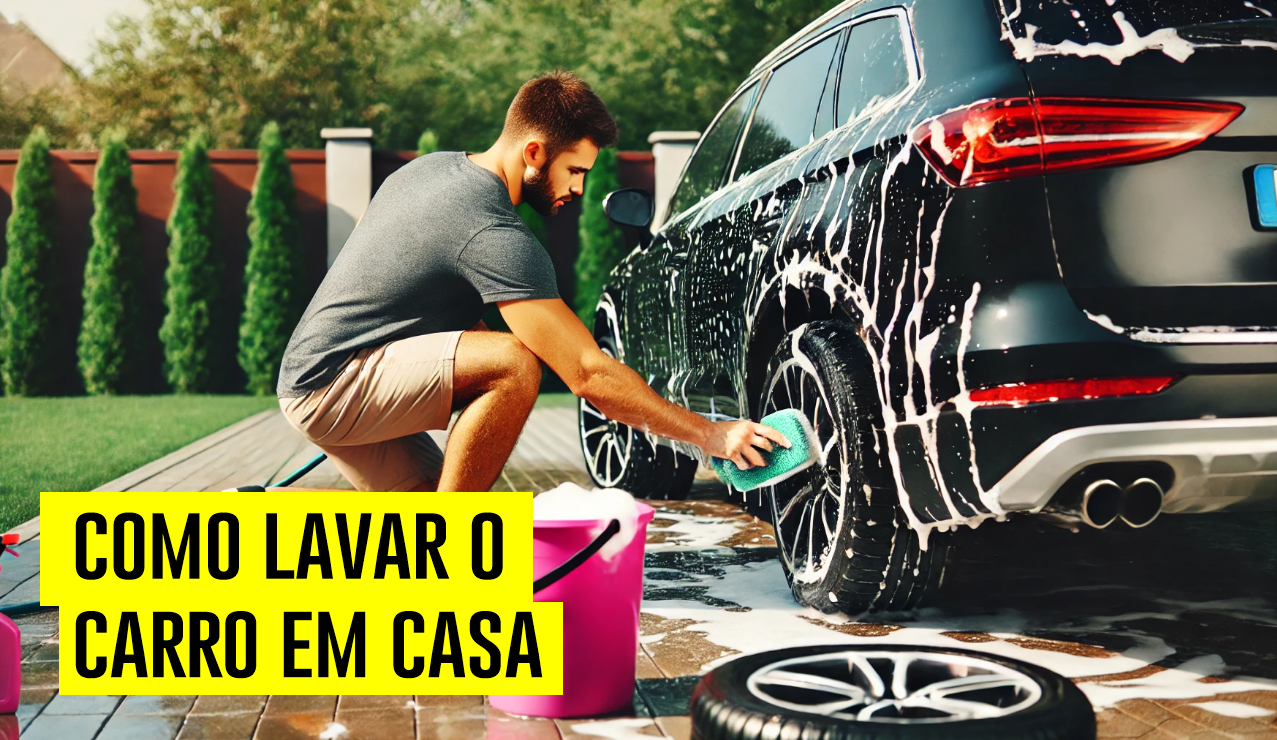
Washing Your Car at Home Can Be Simple and Safe. Learn the Best Practices to Avoid Damaging the Paint and Components of the Vehicle While Saving.
Keeping the car clean goes beyond aesthetics; it is a way to preserve the paint, internal comfort, and overall durability of the vehicle. Washing the car at home is a viable option, provided the correct techniques are followed and appropriate products are used.
In this guide, we will detail all the steps so you can perform the task safely and achieve professional results.
Choose the Right Place to Wash the Car
Washing the car in direct sunlight is one of the most common mistakes. This happens because the water and soap dry quickly on hot surfaces, leaving streaks on the paint that can be difficult to remove. Therefore, choose a covered and well-ventilated location.
-
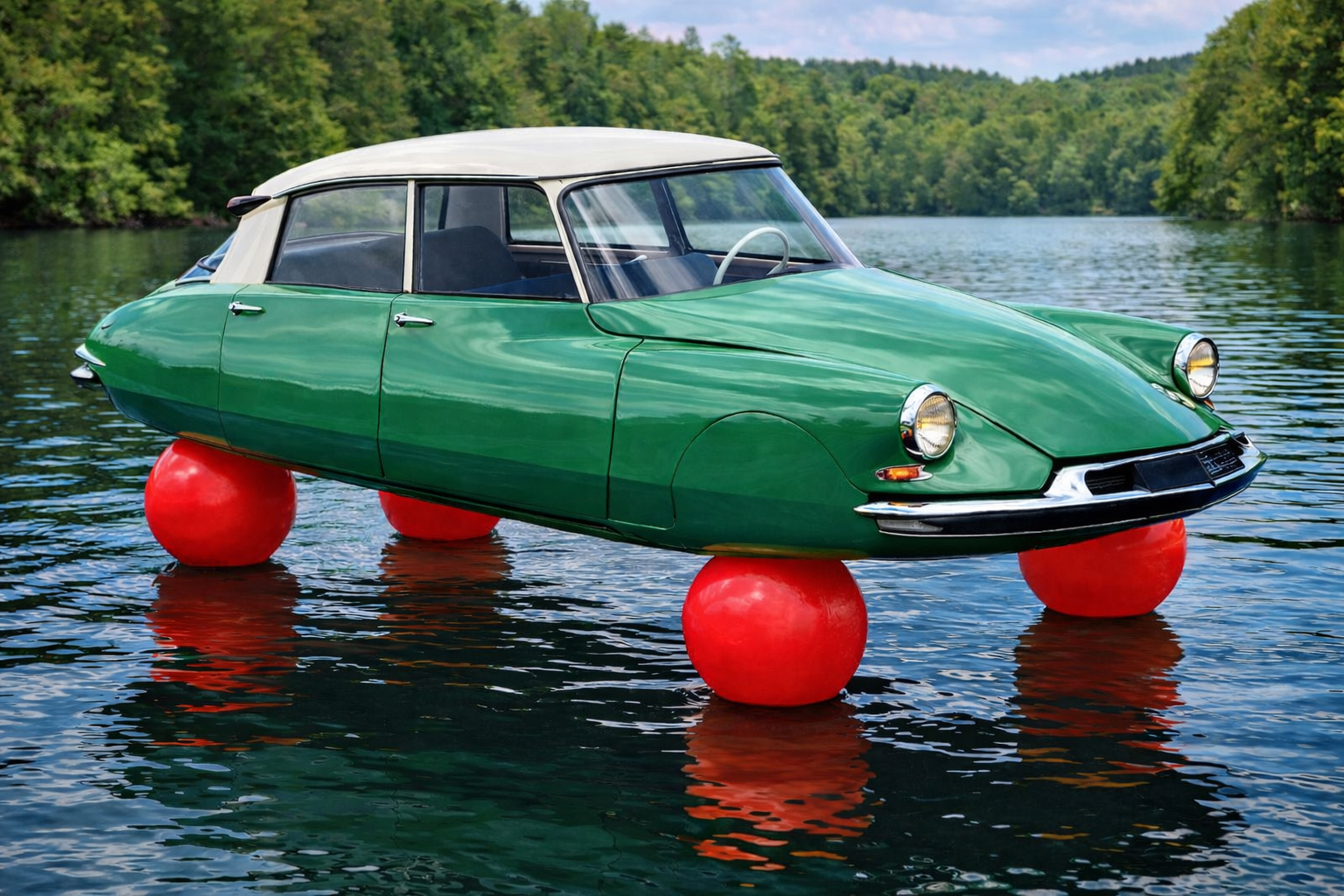
A French brand placed a car on four huge red balloons to prove that its suspension made the vehicle “float,” and the surreal scene became one of the most iconic and unusual images in automotive history.
-
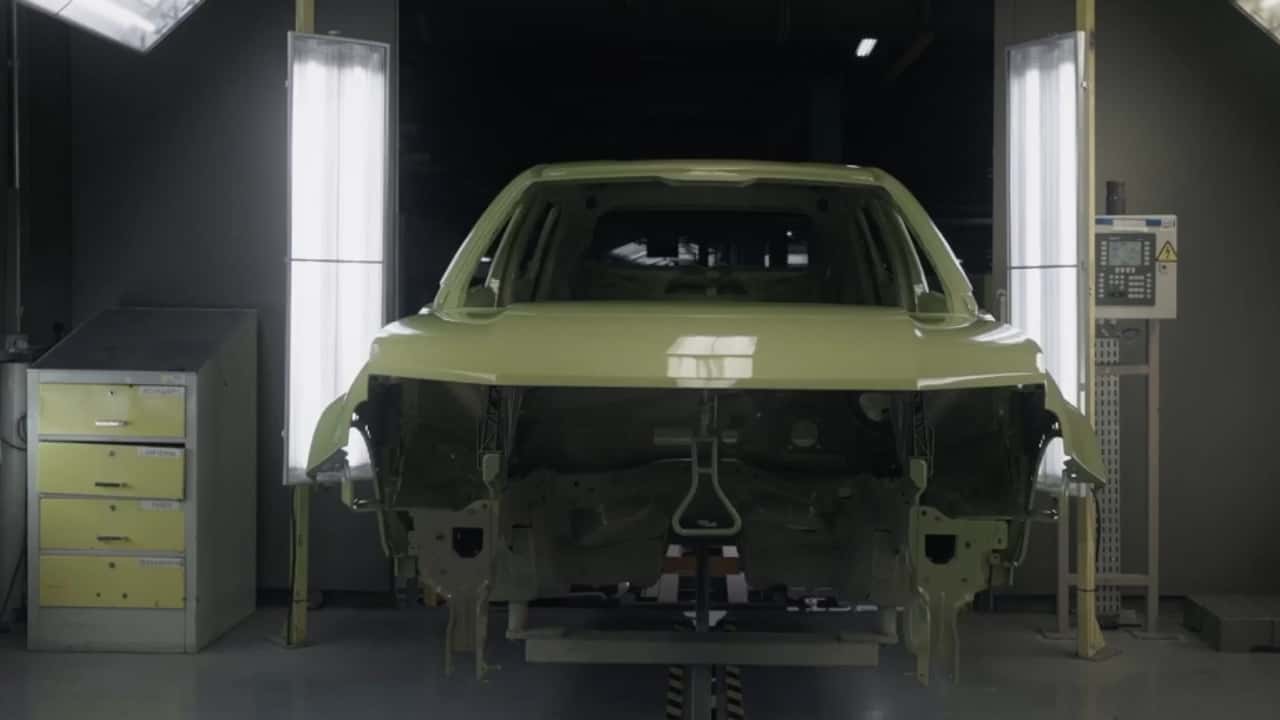
Jeep Avenger begins production in Brazil, debuting as the brand’s new entry-level SUV and inaugurating an unprecedented phase by becoming the first national Jeep manufactured outside of Goiana, as part of a R$ 3 billion plan.
-
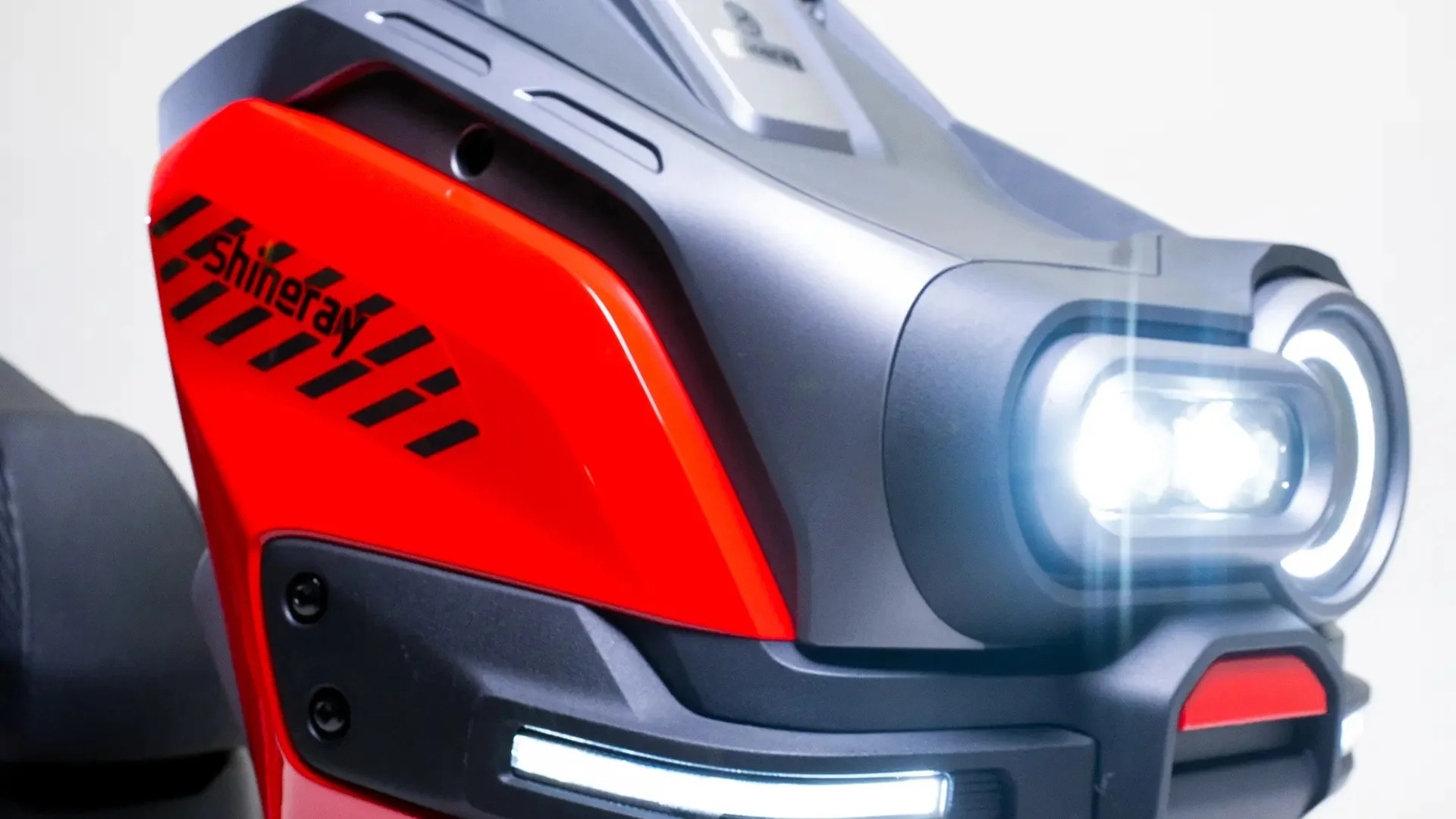
Costing R$ 12,490, the new Shineray Urban Lite 150 “cheap one” arrives in Brazil with a CVT transmission, digital dashboard, and LED lights, making it more affordable than the Biz and targeting those who want to abandon the bus.
-
Ducati brings to Brazil the Superleggera V4 Centenario: 228 hp that become 247 with a track kit, carbon fiber and carbon-ceramic brakes, estimated price between R$ 1.5 and 2 million, deliveries only in 2027.


In addition to protecting the paint, this makes the process more comfortable, especially on hot days.
A garage or a covered area in the yard is ideal. If you do not have such a space, try washing the car during times when the sun is milder, such as early morning or late afternoon.
Remember that excessive sun exposure can also affect the shine and durability of the paint over time.

Appropriate Products
The choice of the right products makes all the difference when washing the car. Many end up using household cleaning products, such as laundry detergent, dish soap, or degreasers, which contain abrasive agents that can scratch the paint and compromise the finish.
Prefer automotive shampoos specifically formulated to preserve shine and protect the surface. They contain ingredients that remove dirt without damaging the paint.
Additionally, use appropriate tools, such as soft sponges, microfiber gloves, or cotton towels. Avoid rough cloths or materials that could cause scratches.


Washing the Paint
One of the most important steps is cleaning the paint. To do this, start by using buckets with clean water and automotive shampoos.
This method is more efficient and eco-friendly than using hoses, and it reduces water waste.
Divide the car into sections, washing one area at a time to prevent the water and soap from drying before being rinsed.
For those living in areas with water restrictions, dry cleaning is an excellent alternative. Use a cleaning product made for dry cleaning, applying it with a spray bottle and removing the dirt with microfiber cloths. This technique is effective, does not generate waste, and conserves water resources.
Internal Cleaning
Ceiling: Start internal cleaning with the ceiling, as dirt that falls from this area can land on already clean areas. Use a soft-bristle brush to remove dust and small particles.
Next, apply a multi-purpose cleaner or a product specific for upholstery and wipe with a soft cloth to finish. Make sure to let the ceiling dry completely, keeping the doors open for ventilation.
Seats: The seats accumulate dust, stains, and odors over time, making their cleaning essential. Start by vacuuming the entire surface to remove debris.
Then, apply a cleaner made for upholstery with the help of a spray bottle and gently scrub with a microfiber towel. If the seats are leather, use a specific conditioner to moisturize the material and prevent cracking.
Avoid overusing the product to prevent soaking the seats, which could lead to mold or unpleasant odors. Keep the car ventilated until all components are completely dry.
Windows: Windows require special care, both inside and out. Apply an automotive glass cleaner to a slightly damp cloth and clean the entire surface. This helps prevent the product from dripping onto other parts of the car, such as panels or upholstery.
For the external windows, which accumulate more dirt due to environmental exposure, it may be necessary to repeat the process. Use a dry cloth to finish, ensuring there are no streaks or residues.
Mats and Carpet: Mats and carpets are areas that frequently accumulate dirt, dust, and even microorganisms harmful to health.
Start by removing all mats from the car and wash them with automotive soap and water. Be sure to rinse thoroughly to remove any product residue and let them dry completely before putting them back.
For the carpet, use a vacuum cleaner to remove debris and dust. Then, apply a specific cleaner with a spray bottle and use a damp cloth to gently scrub. Keep the car open to ensure complete drying.
Wheels and Tires
The wheels and tires are often neglected, but their cleaning is essential for the car’s overall maintenance.
Start by removing excess dirt with a brush. Then, apply a specific cleaning product with a sprayer and scrub well. For the wheels, use a detailing brush to access harder-to-reach areas.
Finally, rinse the entire area thoroughly and dry with a soft cloth to avoid stains or rust. This care not only improves the car’s appearance but also helps preserve the materials for a longer time.
Drying
The drying step is crucial to avoid streaks and ensure a flawless finish. Use microfiber cloths, which are highly absorbent and gentle, preventing scratches on the paint. Start at the top of the car and gradually work your way down, ensuring no area remains wet.
If you prefer, use a silicone cloth to complement the drying, especially in hard-to-reach places, such as emblems and door crevices. The result will be a shiny car free of water spots.
Frequently Asked Questions
Is it expensive to hire professional cleaning? Services like Acquazero offer affordable solutions for professional and sustainable automotive cleaning. Request a quote to know the prices.
Can I wash the engine at home? It is not recommended to wash the engine without professional help. Certain parts of the engine should not get wet. Consult specialists for this type of service.
How often should I wash my car? Perform a weekly cleaning and a deep sanitization every 15 days to keep the vehicle in good condition.
With these detailed tips, you can wash your car at home efficiently, conserving resources and ensuring your vehicle is always in great condition.










-

-

-

6 pessoas reagiram a isso.