





 Portuguese
  English
  Spanish
  5 min of reading
  4 comments


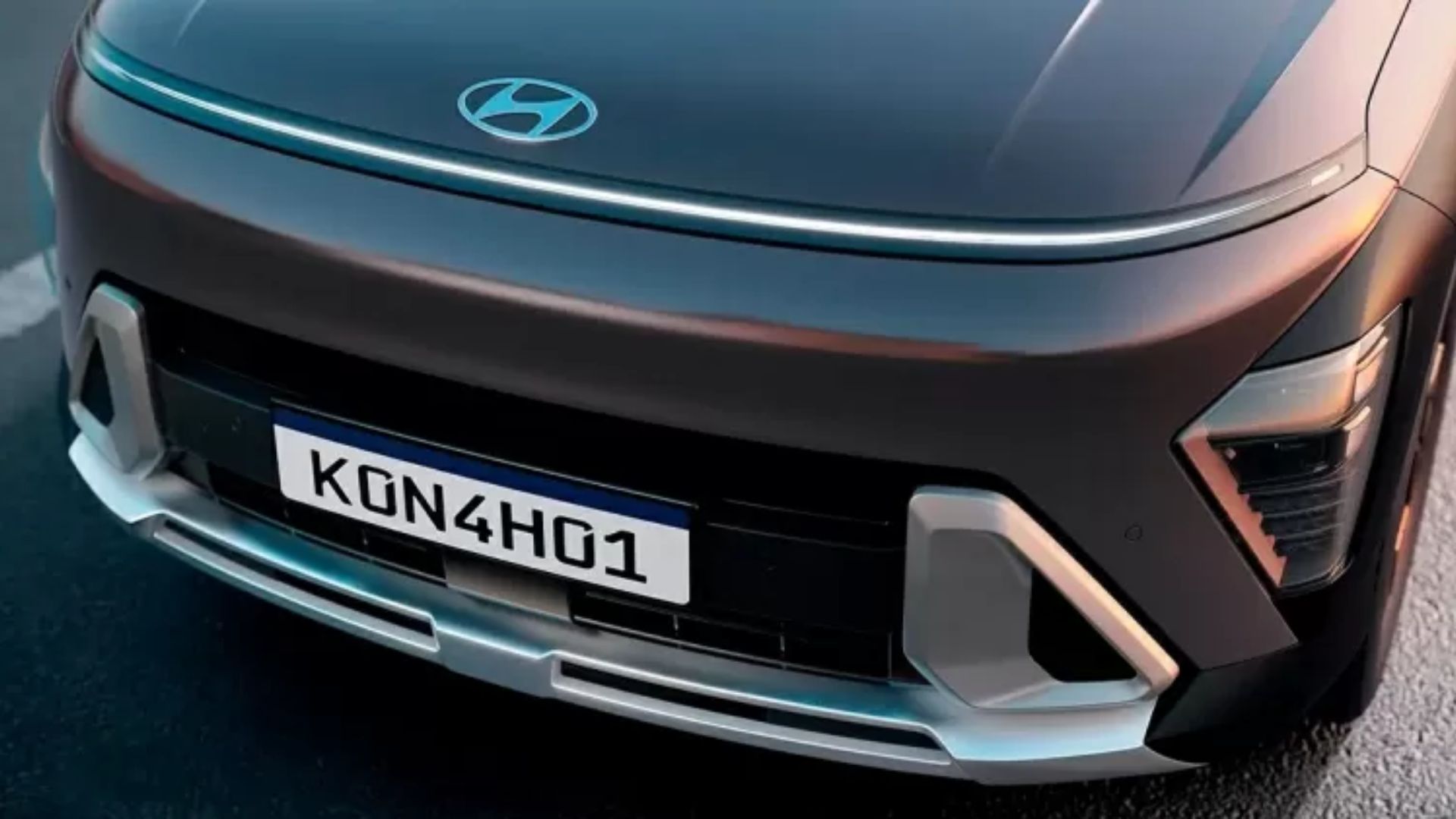


Hyundai Hybrid SUV Surprises With Low Fuel Consumption, Innovative Design, and Technology Package, Taking a Leading Position Among Direct Competitors in the Segment and Delivering a Complete Experience in Economy, Comfort, and Safety.
The Hyundai Kona returned to the Brazilian market in May 2025, bringing with it an innovative proposal in the compact SUV segment.
Positioned above the Creta in price and equipment level, the model arrived in its second generation and, unlike its debut in 2023, is offered exclusively in the hybrid configuration — while the first generation also included a fully electric version.
The standout feature of the Hyundai Kona is its fuel consumption performance, which reaches 18.4 km/l in the city, according to official measurements from Inmetro (National Institute of Metrology, Quality, and Technology).
-
OMODA & JAECOO grows in Europe in 2026 with an integrated strategy of sales, innovation, local production, and technological advancement in the United Kingdom, Italy, and Spain.

-
OMODA & JAECOO expands after-sales service in Brazil with competitive maintenance, a 7-year warranty, and high availability of parts for technological SUVs.
-
OMODA & JAECOO appoints Alessandra Souza as executive marketing director in Brazil and accelerates brand expansion with a focus on innovation, networking, and hybrid portfolio.

-
Jaecoo 7 with super hybrid SHS system exceeds 1,200 km of combined range with a 1.5 turbo engine, high-density battery, and intelligent energy management.
This number positions the compact SUV as a reference in economy compared to direct rivals such as Toyota Corolla Cross, Honda HR-V, and the Creta itself.
The proposal, combined with the onboard technology package, highlights the model as a differentiated alternative in the segment.
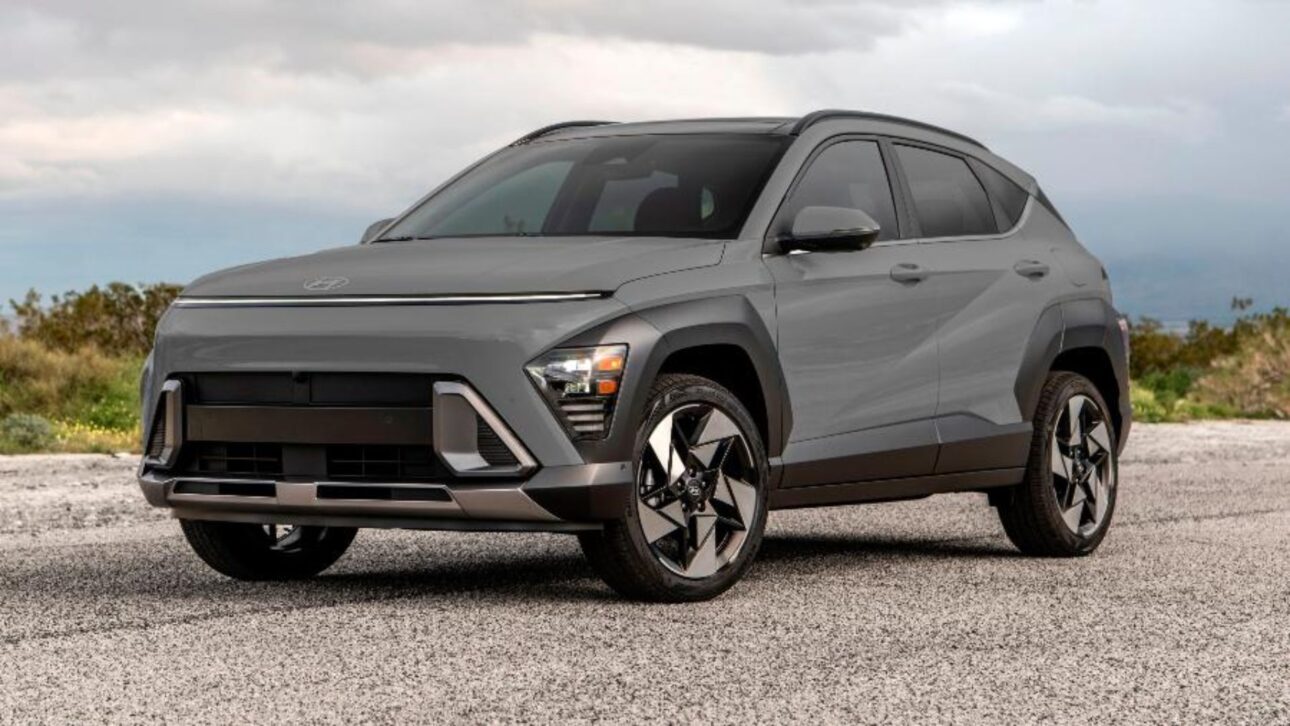
Hyundai Kona: Hybrid Technology Ensures Record Economy
The performance of the Hyundai Kona in terms of economy results from a combination of efficient engineering and advanced hybrid technologies.
The SUV features a 1.6 naturally aspirated direct injection engine, coupled with an electric motor producing 57 hp.
Together, they deliver 141 hp of combined power and torque of 27 kgfm.
In urban use, the full hybrid system — in which the 1.32 kWh battery is recharged by the car’s own operation and braking — allows the vehicle to run for long periods using only electricity, drastically reducing gasoline consumption.
According to automotive industry experts, the relatively powerful electric motor of the Kona helps the SUV operate efficiently for longer periods in electric mode at the low speeds typical of urban traffic.
Additionally, energy regeneration during braking and deceleration optimizes energy use, allowing averages close to 18 km/l on daily routes.
Efficiency is also enhanced by an active aerodynamic system, installed at the front, which automatically adjusts the opening of the flaps to cool the engine or reduce air drag, further aiding in consumption reduction.
According to technical information from Hyundai Motor Brazil, this feature is a differentiator compared to major competitors.
Hyundai Kona’s Consumption Surpasses Rivals in the SUV Segment
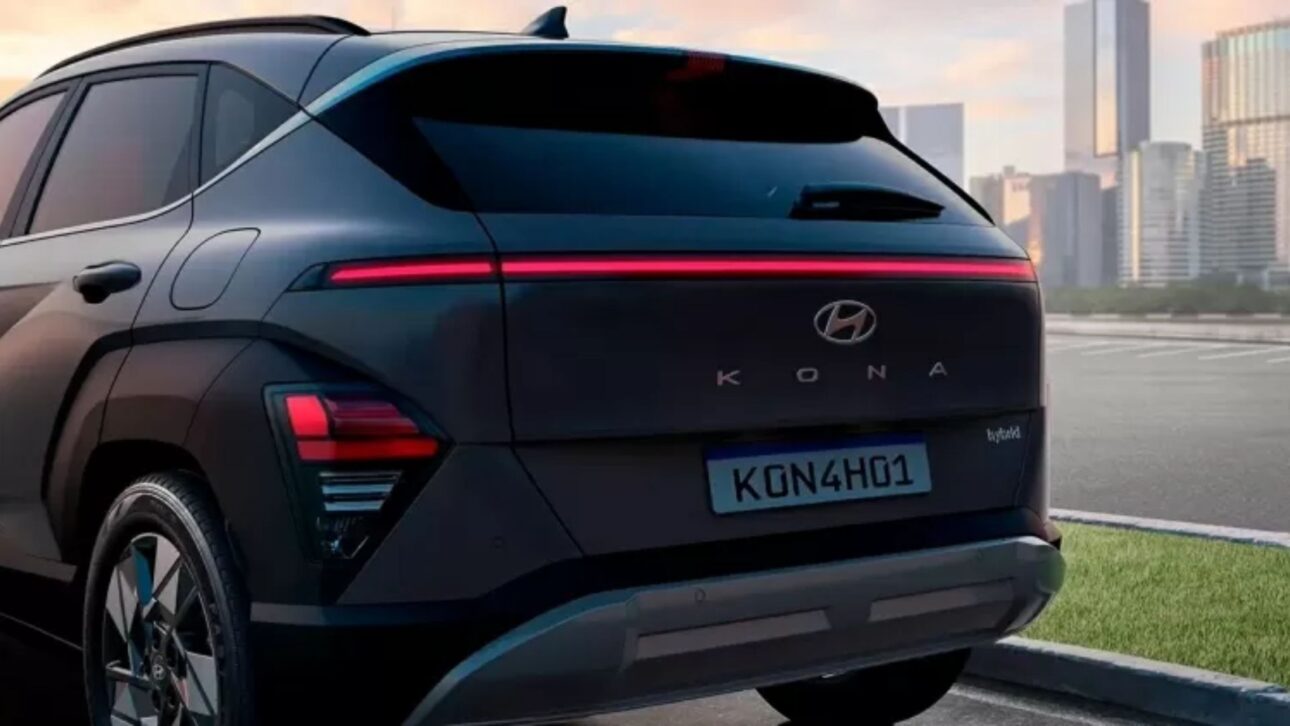
In the urban consumption ranking released by Inmetro in 2025, the Hyundai Kona outperforms its main competitors.
The Toyota Corolla Cross Hybrid, a traditional reference for economy in the segment, records averages of up to 17 km/l in the city, while the Honda HR-V in its turbo configuration reaches around 11.6 km/l, and the Creta in its combustion versions delivers even lower figures.
The advantage of the Kona is confirmed in both real conditions and laboratory tests, with averages of 18 km/l in the city and 16 km/l on the highway.
In highway use, efficiency remains high, with averages of 16 km/l according to Inmetro.
The difference between urban and highway consumption is explained by the fact that, at lower speeds, the electric motor operates more frequently, and the energy recovered during braking is greater — factors that especially benefit use in cities.
Innovative Design and Advanced Technology Highlight the Hyundai Kona
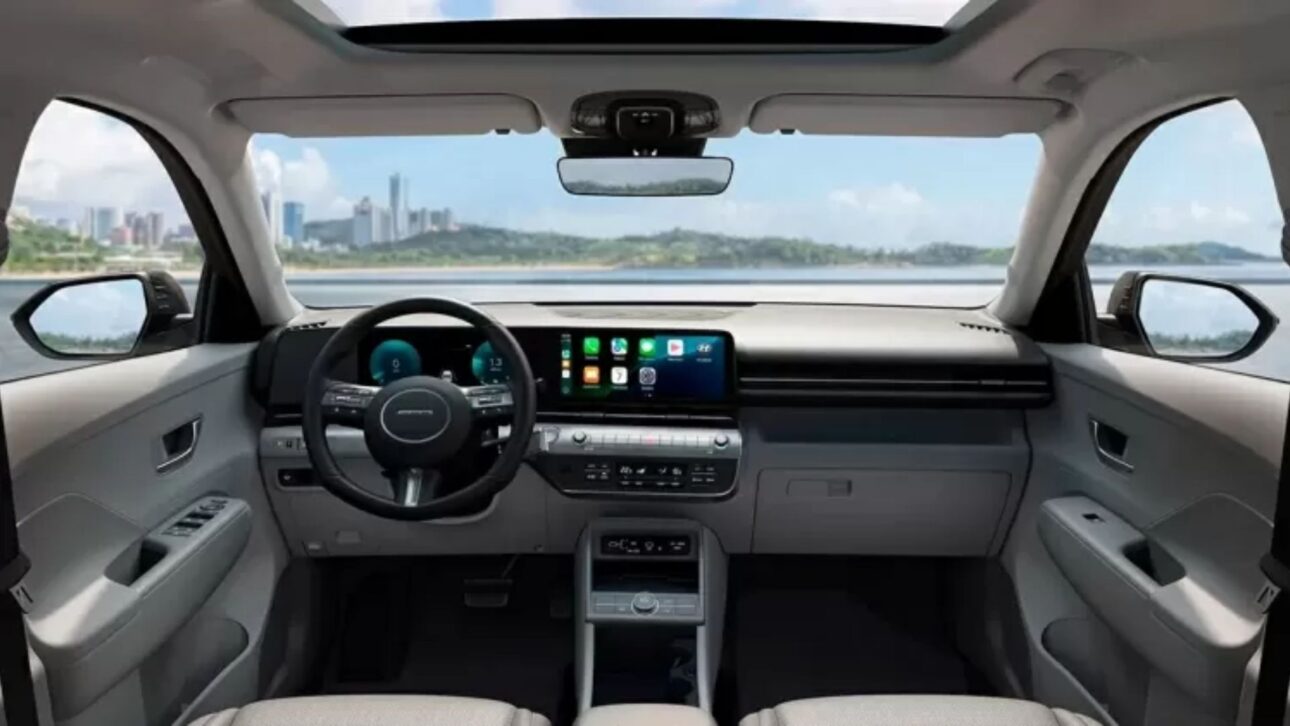
The Hyundai Kona also stands out for its daring design, inspired by futuristic concepts.
The front features a slim LED strip under the hood, a feature that is also repeated at the rear, and optical elements positioned at the edges of the bumpers.
The model measures 4.35 meters in length and 2.66 meters in wheelbase, surpassing the Creta in these dimensions and ensuring better interior space.
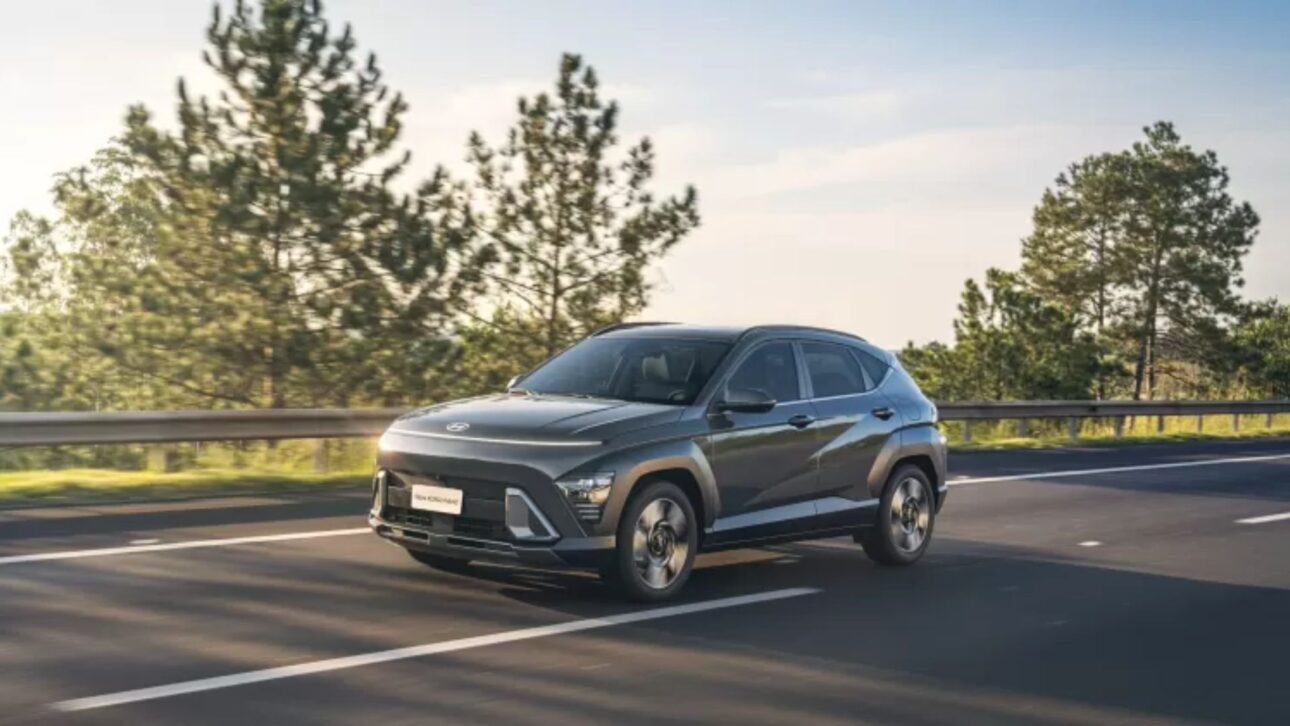
The interior features sophisticated finishes, with leather upholstery on parts of the doors and seats, as well as options for light or dark tones.
Ergonomics are enhanced by solutions such as the gear selector on the steering column, freeing up space in the center console, which includes cup holders, built-in shelves, and a large storage compartment.
The digital dashboard and the 12.3-inch multimedia center, combined into a single piece, offer an intuitive interface, tactile controls, and wireless connectivity for Android Auto and Apple CarPlay.
Among the standard equipment, the Hyundai Kona Signature includes:
- Sunroof
- Wireless phone charger
- Power-adjustable seats
- Dual-zone air conditioning with rear outlets
- Keyless entry
- Push-button start
- Leather-covered multifunction steering wheel
Hyundai Kona: Enhanced Safety and Driving Assist Features
The Kona offers six standard airbags, providing frontal, lateral, and curtain protection, in addition to advanced driving assistance systems.
The package includes adaptive cruise control with “stop and go” function, automatic emergency braking with collision warning, lane keeping assist, rear cross traffic alert, blind spot cameras, front and rear sensors, and tire pressure monitoring.
The model also features a 360-degree camera system for monitoring the surroundings.
According to the chief engineer of Hyundai, “the goal was to combine energy efficiency with high standards of safety and comfort, positioning the Kona as a reference among hybrid SUVs in the country.”
Hyundai Kona Price, Warranty, and Positioning Against Rivals

With a suggested starting price of R$ 214,990 and going up to R$ 234,990 for the Signature version, the Hyundai Kona presents a set of attributes that justifies the investment for those seeking economy, technology, and safety in a compact SUV.
The model is imported from South Korea, with a five-year warranty and scheduled maintenance to strengthen consumer confidence.
The direct competition with Toyota Corolla Cross, Honda HR-V, and Hyundai Creta forces brands to invest in hybrid technology, but few manage to offer such a favorable balance between consumption, comfort, performance, and standard features.
Hyundai Kona Consumption: Reference in Hybrid Technology and Economy
The Hyundai Kona stands out for its balance between low fuel consumption, onboard technology, and safety package.
The ability to achieve up to 18.4 km/l in the city, combined with an efficient hybrid engine and the latest generation equipment, positions the South Korean SUV as a highlight in the segment.
The model is designed for discerning consumers who seek innovation, modern design, and low running costs.
Given this scenario, do you believe that the popularization of hybrid SUVs like the Hyundai Kona can accelerate the transformation of the Brazilian automotive market towards more sustainable mobility?








Eles em vez de fazer um carro bonito para o público deles fazem um modelo totalmente esquisito na frente tudo bem mas a na parte de trás e horrível a laacabaramnterna em cima do para lama traseiro acabaram com o carro nem eu que se quisesse compraria uns 4 carros desse nem passaria pela minha cabeça em comprar
Kia Niro é melhor e mais carro nem foi comentado. O mais engraçado que a Kia pertence Hyundai kkkk
Faltou uma tabela comparativa.
Essa medida é com E25 ou E30?