





 English
  Francês
  Alemão
  Italiano
  Japonês
  Norueguês
  Portuguese
  Spanish
  3 min of reading
  0 comments



Comparison Between Hiroshima and Chernobyl Shows How The Amount of Nuclear Material, Radiation Dispersion, and Half-Life of Elements Determined Completely Different Outcomes After The Two Disasters
The difference between Chernobyl and Hiroshima continues to raise questions about why two nuclear tragedies had such distinct consequences. While the Japanese city was rebuilt and now has over a million inhabitants, the area of the Chernobyl accident remains practically uninhabited.
Although both are considered major nuclear disasters of the 20th century, factors such as the amount of radioactive material released, the way radiation was dispersed, and the elements involved explain why the environmental impacts were so different.
Scale of The Nuclear Material Present
The first central difference between Hiroshima and Chernobyl lies in the amount of radioactive material present in each event.
-
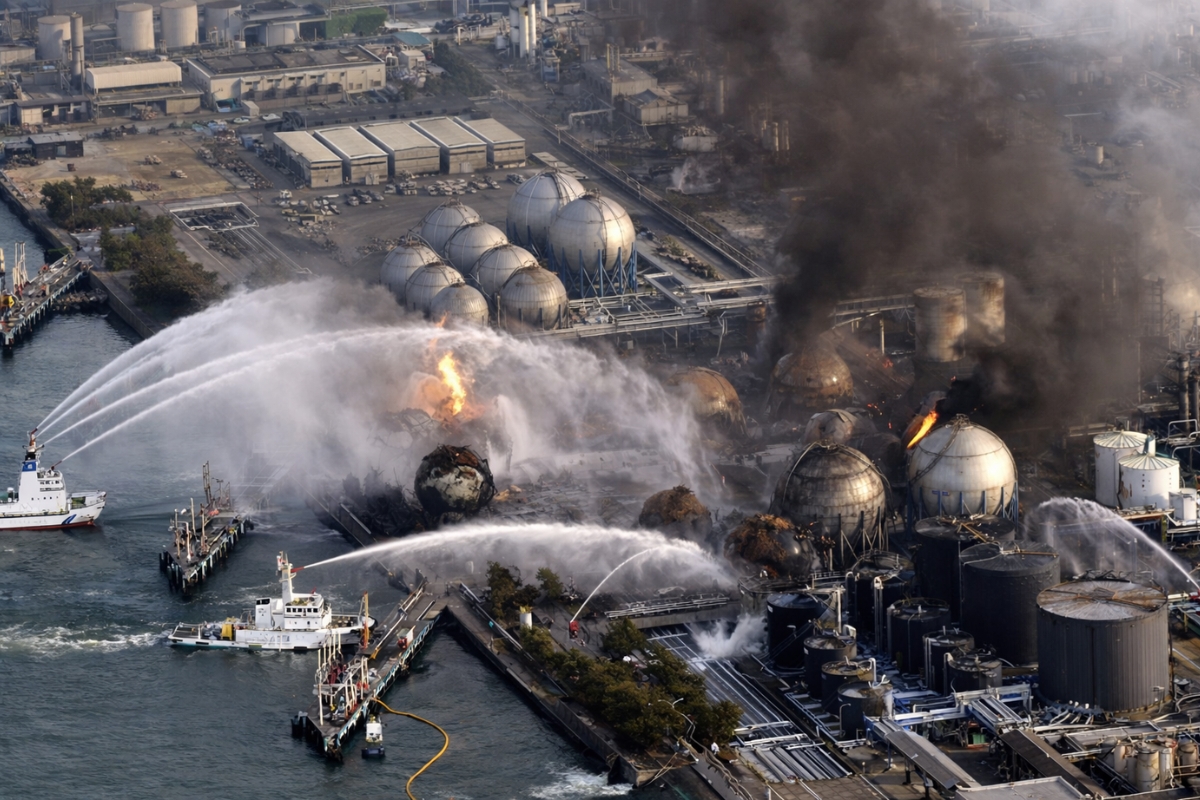
Fukushima Marks A Turning Point In Japan’s Energy Policy: After The Disaster, The Country Shut Down Its 54 Nuclear Reactors And, 15 Years Later, Only A Small Portion Have Returned To Operation
-
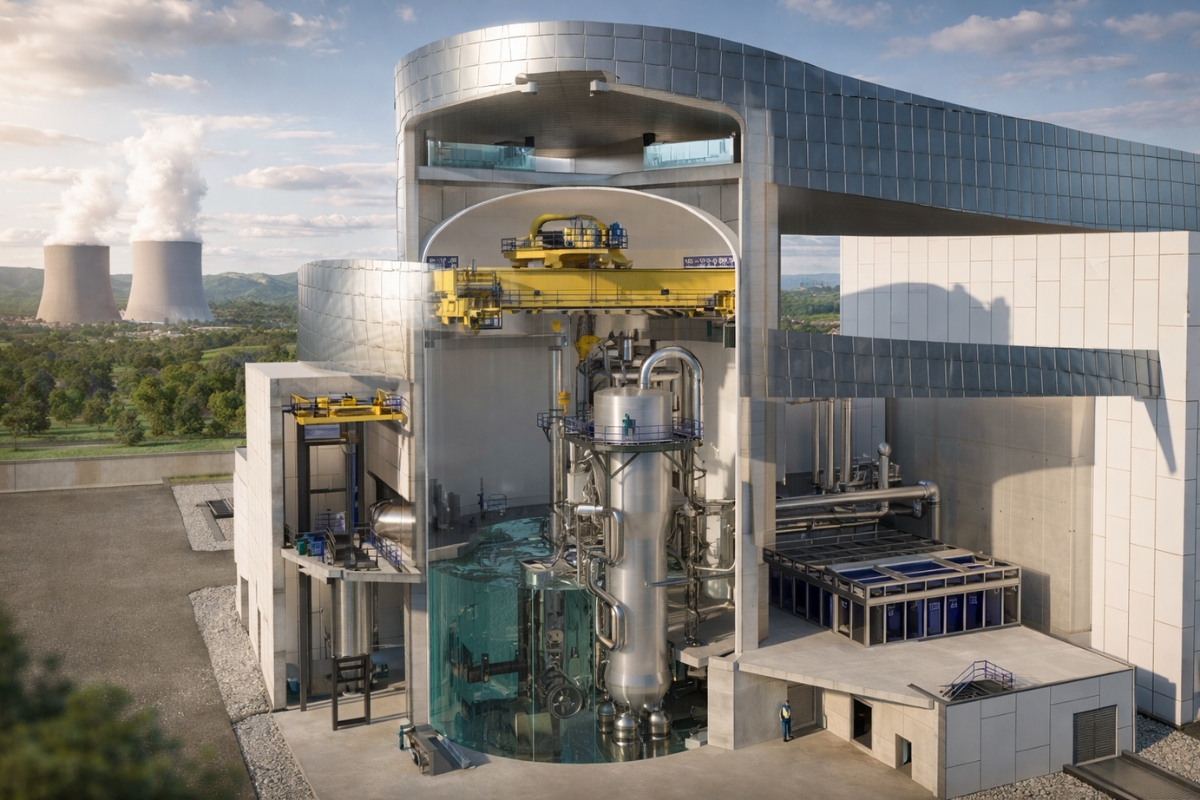
Bill Gates Receives Historic Approval to Build Giant 345 MW Nuclear Plant in the U.S. and Promises to Generate Up to 500 MW of Energy with Innovative Technology

-
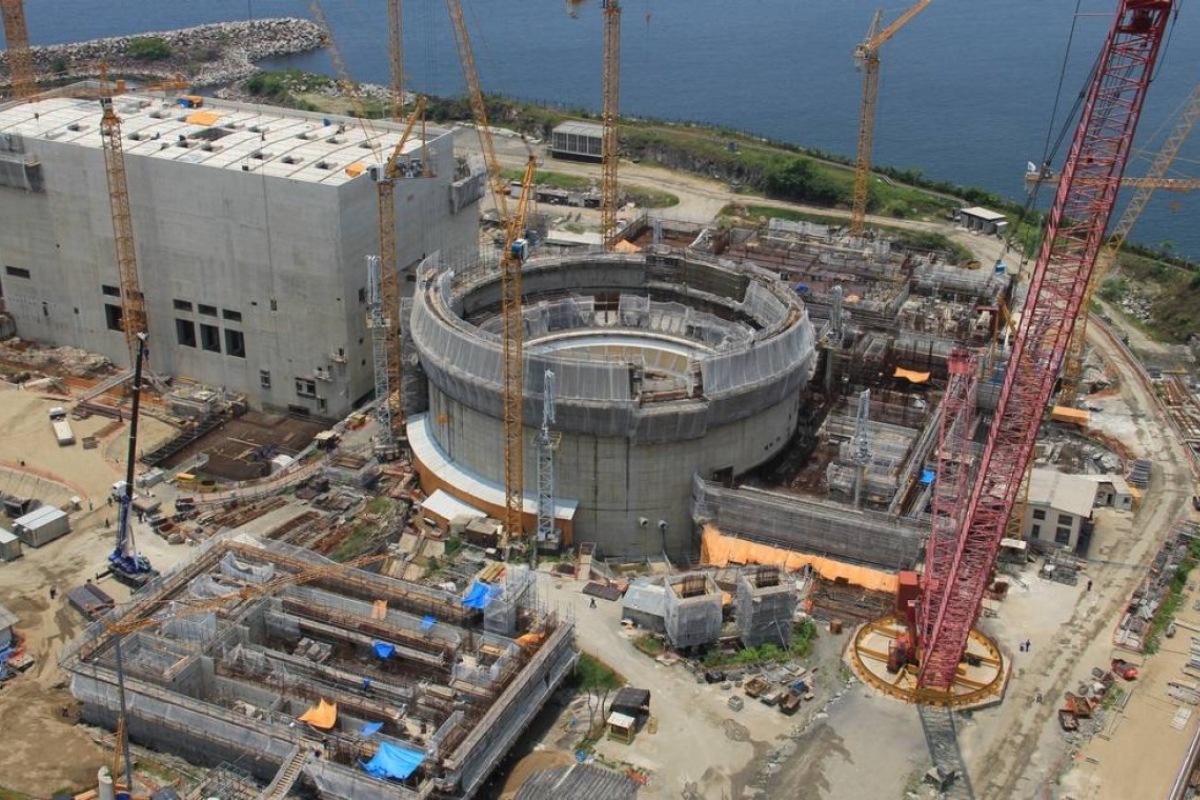
India Opens Nuclear Energy to Private Capital to Accelerate Projects and Attract Billions, While Brazil Remains Stalled at Angra 3 and Discusses Who Will Foot the Bill for Completion
-
Startup Received $10 Million in Grants and Raised $90 Million to Develop Nuclear Energy, but Molten Salt Mini-Reactors Plan Collapsed After Estimating $2 Billion Need and Facing Financial Crisis


The atomic bomb called “Little Boy,” dropped on Hiroshima in 1945, carried about 64 kilograms of uranium. However, only a small fraction of this material participated in the nuclear reaction that generated the explosion.
In the case of the Chernobyl accident, reactor number 4 at the plant contained approximately 180 tons of nuclear fuel.
Estimates suggest that around seven tons of fissile material were released into the atmosphere after the reactor explosion, drastically increasing the reach of radioactive contamination in the Chernobyl disaster.
How The Radiation Spread
Another decisive factor in explaining the differences between Hiroshima and Chernobyl was the way radiation was dispersed in the environment.
In Hiroshima, the bomb detonated in the air at about 580 meters altitude. This airborne explosion caused much of the radioactive particles to be carried by air currents before hitting the ground.
This process reduced the concentration of radioactive waste deposited on the surface of the city.
In the case of Chernobyl, the explosion occurred directly at ground level, destroying the nuclear reactor and initiating a fire that lasted approximately ten days.
During this prolonged period, radioactive material continued to be released into the environment, allowing contaminating particles to penetrate the soil and reach groundwater, contaminating the ecosystem much more deeply.
Types of Radioactive Elements Involved
The type of radioactive elements released also helps explain why Hiroshima managed to recover, while Chernobyl remains an exclusion zone.
The nuclear explosion in Hiroshima mainly produced isotopes with short half-lives.
These elements lose radioactivity relatively quickly, and within a few weeks, radiation levels had already decreased significantly, allowing the reconstruction of the city to begin in the following years.
Persistent Elements in Chernobyl
In the Chernobyl disaster, on the other hand, large amounts of cesium-137 and strontium-90 were released into the environment.
These elements have a half-life of about 30 years, prolonging the time required for radiation levels to decrease to safe levels.
Additionally, plutonium waste was also released. This material remains active for much longer periods, potentially posing a risk for centuries.
These differences help explain why Hiroshima was rebuilt and repopulated, while areas near the Chernobyl reactor remain within an exclusion zone.
Even after almost four decades since the accident, the territory affected by the nuclear disaster at Chernobyl remains marked by lasting contamination and residential restrictions.
With information from Xataka.








Seja o primeiro a reagir!