





 Portuguese
  English
  Spanish
  3 min of reading
  18 comments


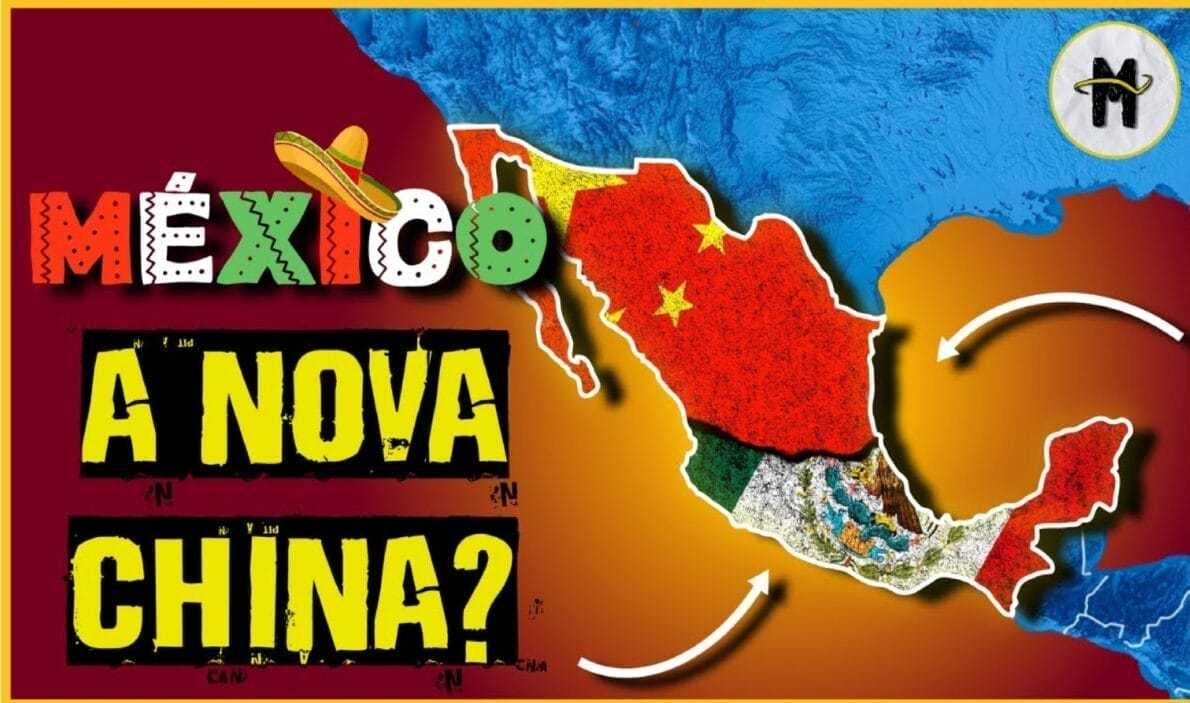

Companies Migrate From China to Mexico in Search of Competitive Advantages in the Country Considered the “Factory of the World”
In the 90s, Brazil witnessed an unprecedented phenomenon: the proliferation of R$ 1.99 stores. This trend was driven by the opening of exports and the implementation of the Real Plan, which controlled inflation and artificially increased the currency value. These stores offered a variety of products, from toys and tools to household items and electronics, with most items being manufactured in China, according to the video from the Global Knowledge channel.
Over time, the landscape changed drastically. Single-price stores almost disappeared, and China evolved from a manufacturer of low-quality products to a technological powerhouse. The cheap labor, which was the main advantage of Chinese products, is in the past. Along with other factors such as the pandemic and rising shipping costs, this has increased production costs in China. As a result, many companies began to seek new locations for their factories, with Mexico emerging as a preferred destination.
Why Mexico Is Attractive to Companies and Is Being Considered the “Factory” of the World?
The geographic proximity of Mexico to the United States, the largest economy in the world, is a clear advantage. The country shares a border of over 3,145 km with the U.S. and has 48 crossing points, as well as access to both the Atlantic and Pacific Oceans. This significantly reduces transportation time and costs compared to China. A shipping trip from Shanghai to California takes at least 15 days, while transport from Mexico to the U.S. can be done in as little as four days.
-
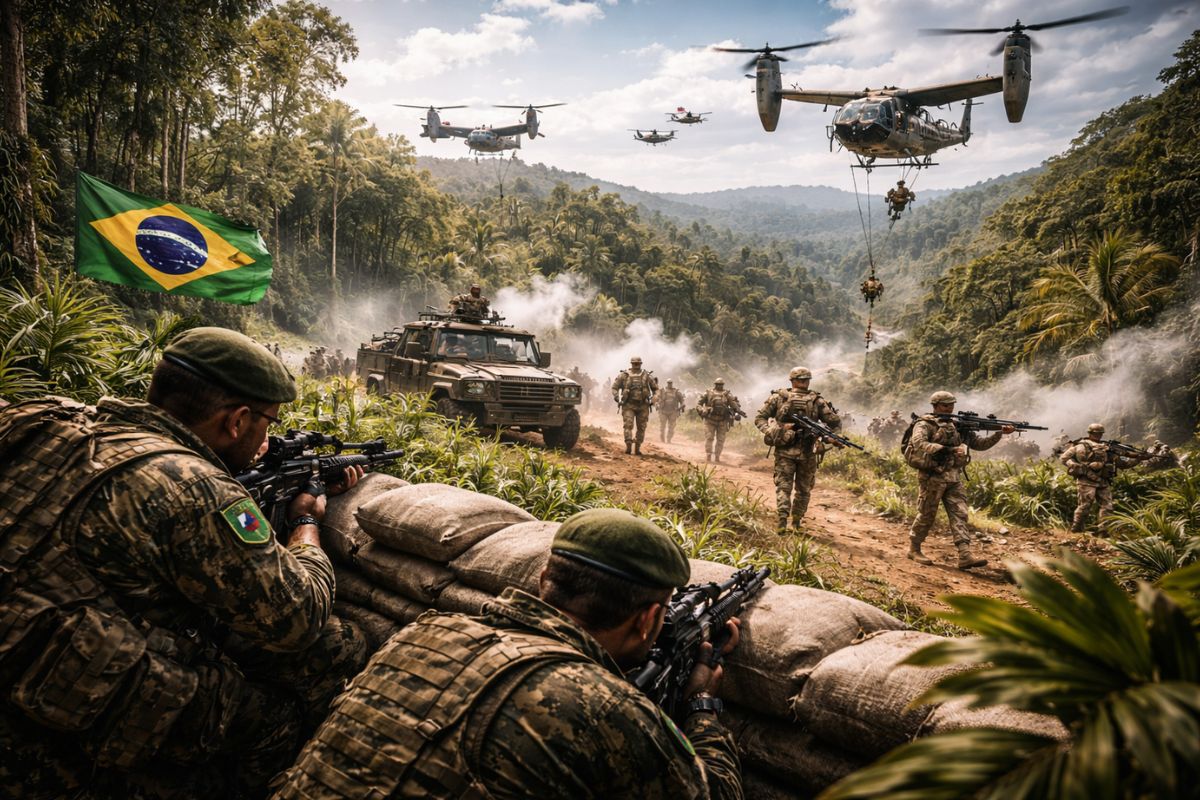
If the USA were to go to war with Brazil, Washington’s greatest fear would not be the attack itself, but facing a vast territory, prolonged resistance, and a costly, chaotic, and unpredictable occupation.
-
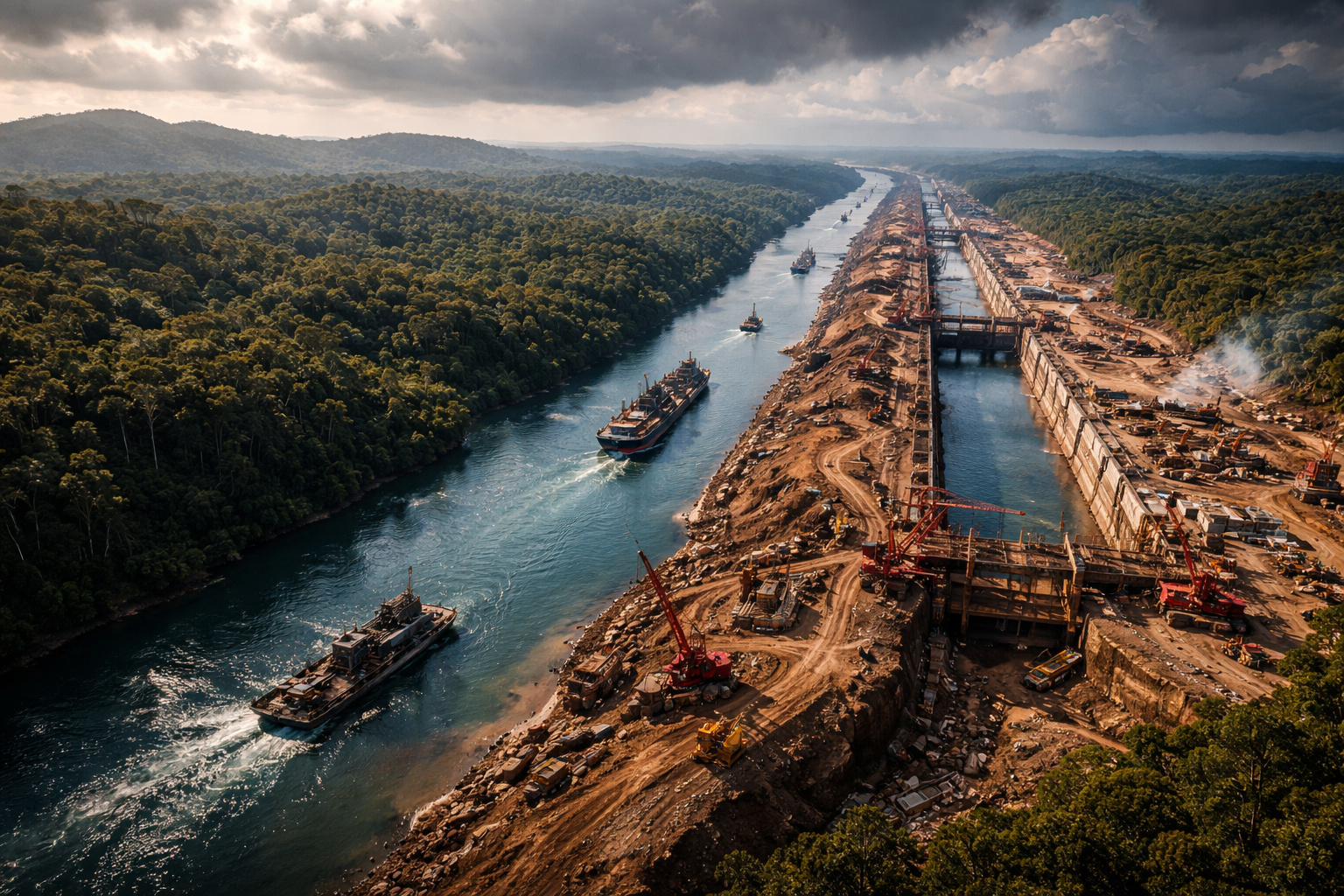
In 2013, Nicaragua sold the concession for a canal to rival Panama to a Chinese billionaire who lost 85% of his fortune, disappeared, and was declared bankrupt. Now the project resurfaces with a new route, a new Chinese partner, and a cost of $64.5 billion.
-
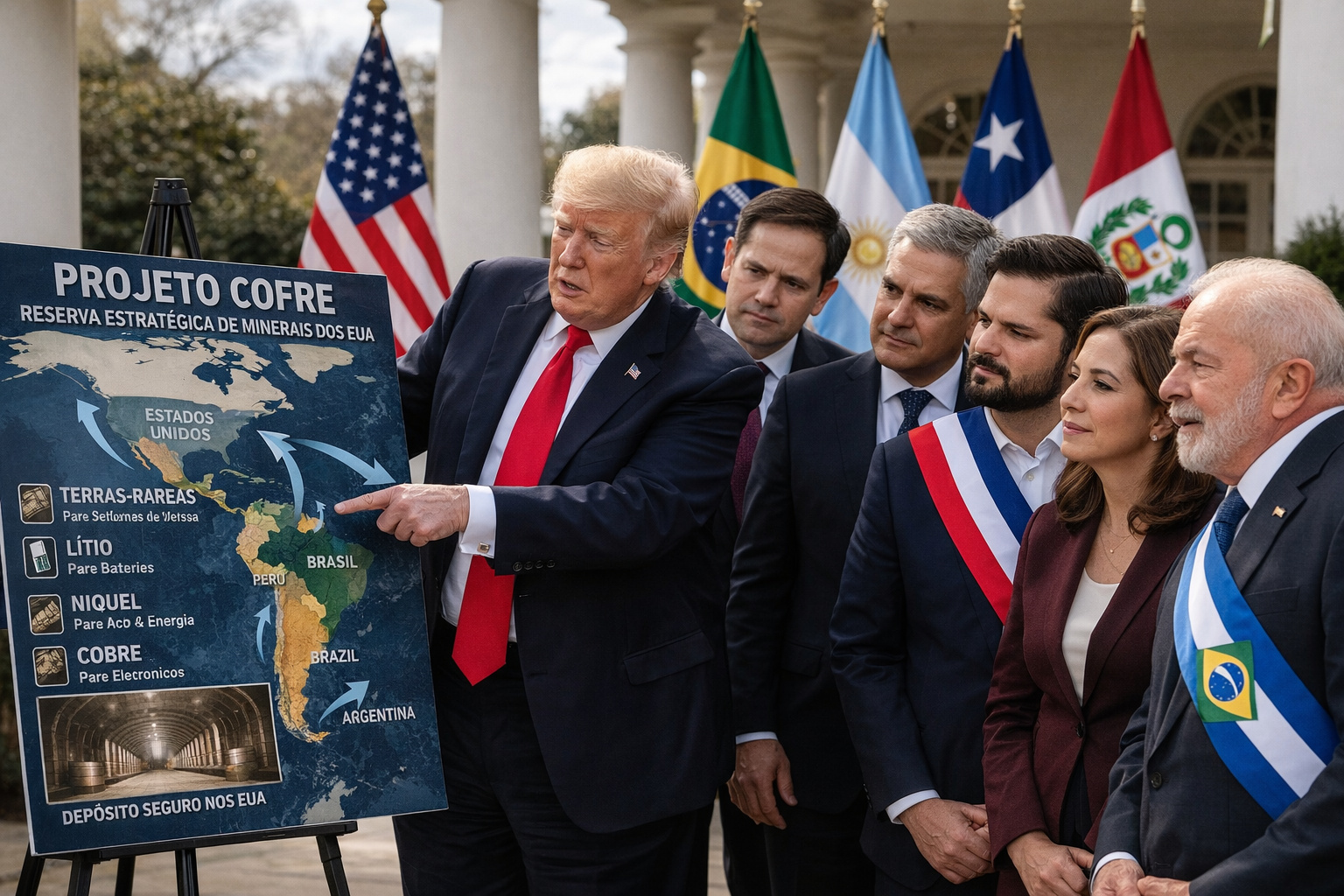
The USA announces a mysterious billion-dollar vault project to store critical minerals, but what intrigues experts is not just the plan itself, but why Latin America, including Brazil, has entered the center of this global dispute against China.
-
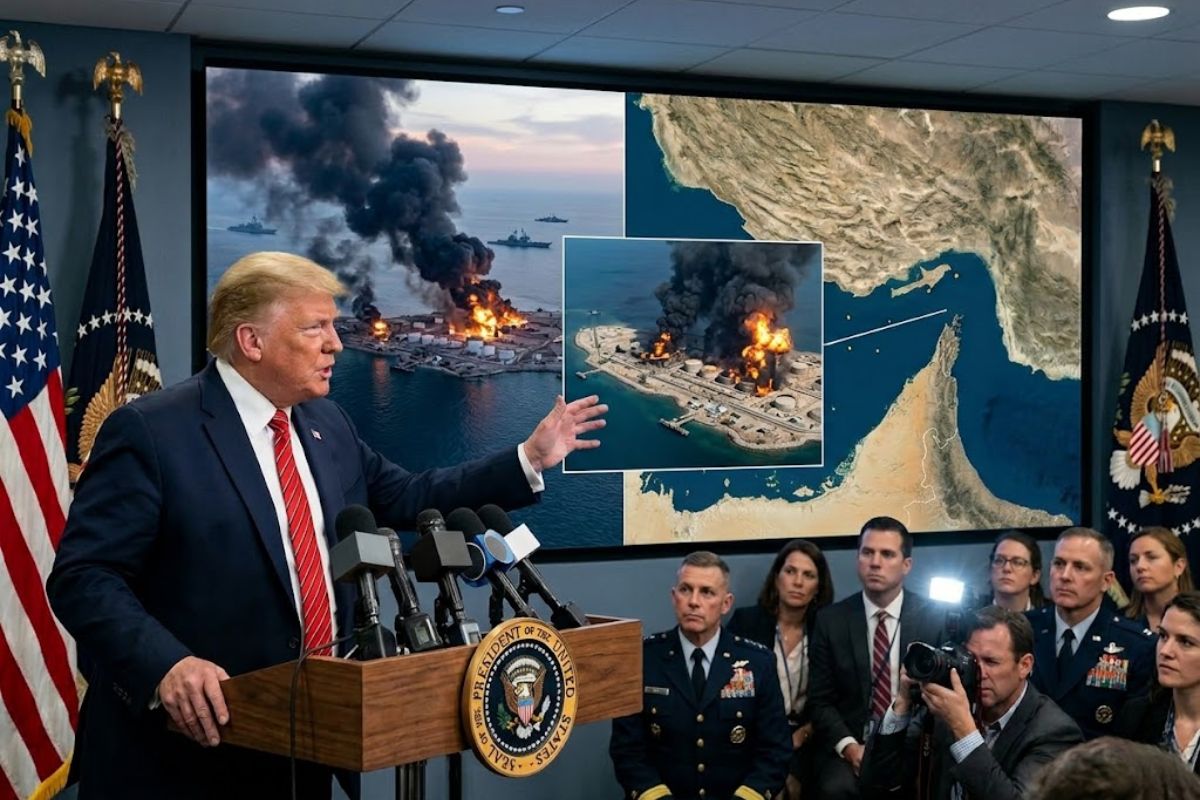
Trump Announces Bombing of U.S. Military Targets on Iranian Island Responsible for About 90% of Iran’s Oil Exports, Warns of Further Attacks if Navigation in Strategic Strait of Hormuz Is Threatened

Additionally, Mexico has been part of an economic bloc with the United States and Canada since 1994 through NAFTA, which was restructured in 2018 to the USMCA. These agreements removed barriers and tariffs for the movement of goods, encouraging companies, especially American ones, to settle in Mexico.
Learn More About This Expansion of Mexico


Transformations in Global Commerce
Since the 80s, globalization has eliminated barriers for the movement of goods, capital, and people, allowing companies to outsource production to countries like China. Companies like General Electric, IBM, and Motorola were pioneers in this movement. However, with rising costs in China and trade tensions, the concept of “nearshoring” is gaining traction, leading companies to consider Mexico as a viable alternative.
Challenges and Opportunities
China, despite still being an important consumer market, faces increasing competition from other Asian countries like India, Vietnam, and Thailand, which also offer cheap labor and are attracting companies. India, for example, is becoming a technology production center, with Apple planning to manufacture iPhones in the country. However, Mexico has its own competitive advantages, including its proximity to the U.S. and favorable trade agreements.
The Mexican industrial park already hosts renowned brands like Volkswagen, Ford, General Motors, Toyota, and BMW, as well as companies from other sectors like Boeing, Siemens, Alibaba, and Lego. Tesla recently announced plans to build a gigafactory in Monterrey, with an investment of US$ 5 billion and an expectation to generate up to 7,000 jobs.
Internal Obstacles
Despite the advantages, Mexico faces significant internal challenges. Violence in the country and energy policies that prioritize fossil fuels over renewable energy can hinder growth. Infrastructure also needs improvement, with ports and other essential facilities requiring investment.
Mexico has the potential to become the new factory of the world, but it needs to address its internal challenges and compete with other Asian countries. If it can seize the moment, it can transform its economy, following China’s example. Otherwise, it risks remaining just a provider of cheap labor, vulnerable to changes in the global landscape.








Precisamos mudar essa cultura de somente agricultura e buscamos ser indústria , e política seria !
ACORDA BRASIL!
Estou no Mexico a passeio e vejo a transformação a vista d’olhos. Focados, guerreiros. Aqui se forma mais engenheiros anualmente (como referência) do que no Brasil. Faculdades de diversos continentes instalam suas filiais. Emprego, bombando, e não é de mão de obra operacional, apenas, mas qualificada. Amazon, google, bombardie, Microsft, entre outras, com seus datacenters e operações comerciais. A renda percapta daqui já é 30% mais alta do que a do Brasil.
E, detalhe: aqui não tem agrobusiness, aqui a agricultura é familiar, alavancada por pequenos e médios produtores, e são importantes exportadores também de alimentos para os EUA. Sabe-se muito pouco do México, e o que se sabe, está restrito às séries do Netflix.
O México sempre se reencontrando parabéns! ..eles têm uma cultura forte coisa que brasileiro não tem ..eles passam chumbo em político “q inveja do mexicano..” ariba muchachos!
Poxa vocês sabem que o Brasil é um dos maiores do agronegocios. Será que é porque estamos atrasados ou porque nós querem assim …” potência agrícola e a indústria a desejar com outros países. “