





 English
  Francês
  Alemão
  Italiano
  Japonês
  Norueguês
  Portuguese
  Spanish
 4 min of reading
  0 comments


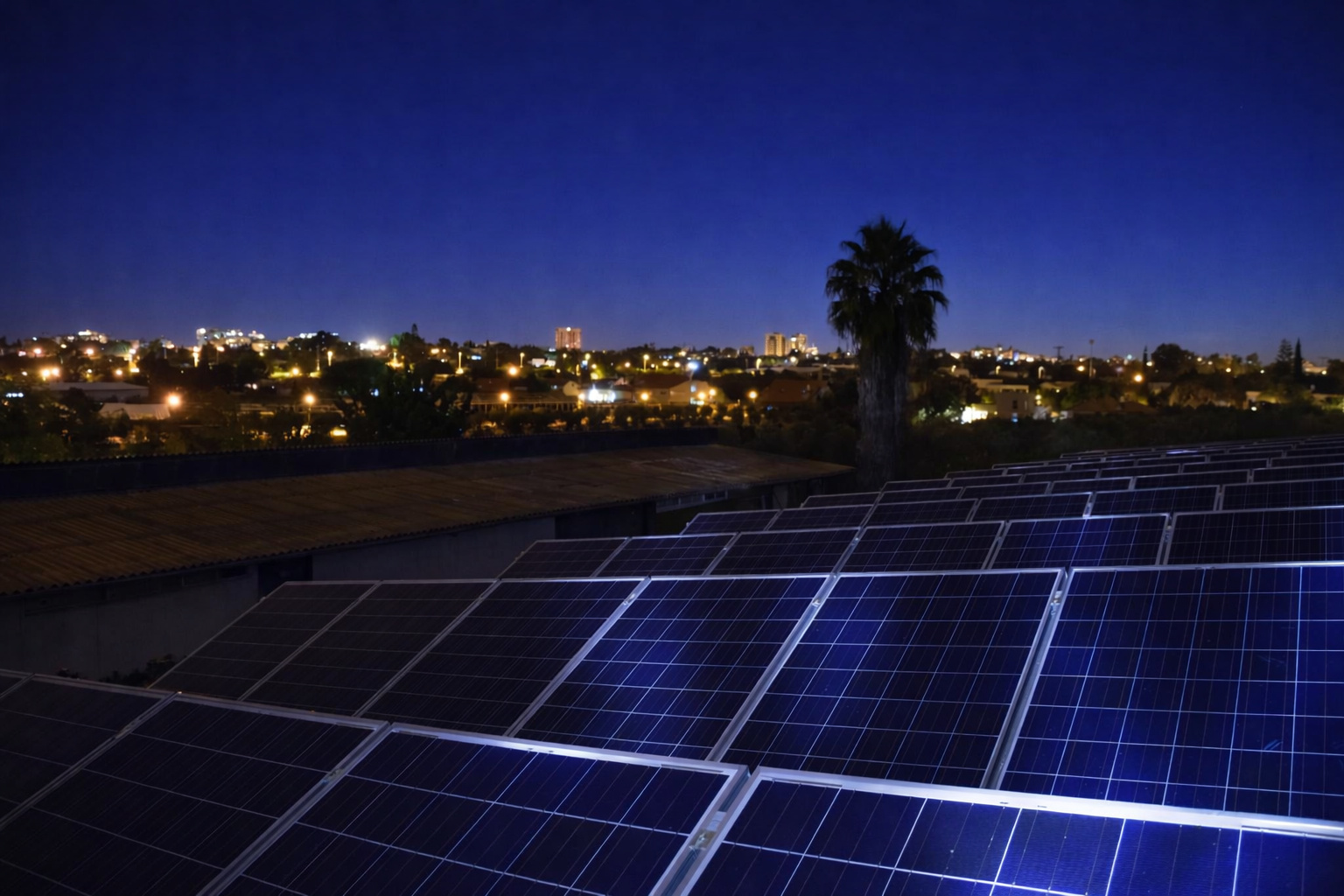
Understand How Tocantins Is Saving Public Resources by Investing in LED Lighting and Photovoltaic Energy, Reducing Costs, Modernizing Cities, and Strengthening a Sustainable Long-Term Strategy.
Over the past few decades, the debate about energy efficiency in Brazil has gained momentum, especially because electricity consumption has continuously increased. Additionally, as the public infrastructure has aged, it has become increasingly clear that modernization is necessary. In this context, Tocantins has begun to stand out, as it adopted public policies based on technological innovation and efficient management.
Thus, it can currently be clearly stated that Tocantins is saving public resources by investing in LED lighting and photovoltaic energy, achieving estimated savings of R$ 5 million.
For many years, public lighting and government buildings accounted for a large portion of electricity expenditures in Brazilian municipalities. Consequently, the use of traditional bulbs and obsolete equipment increased consumption and maintenance costs. However, with advancements in technology, public managers have come to understand that energy efficiency could simultaneously reduce expenses and improve the quality of public services.
-
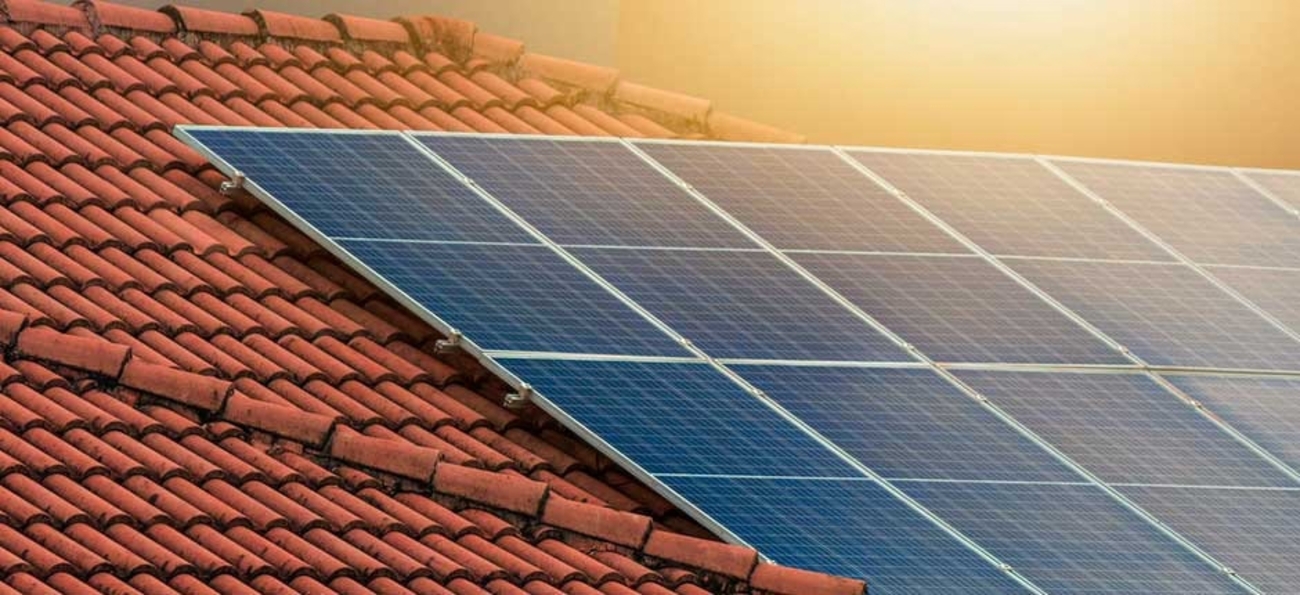
Roraima bets on the sun to escape high tariffs: Amid the energy crisis and price hikes, solar energy is growing in Roraima and transforming consumption in the North region.
-
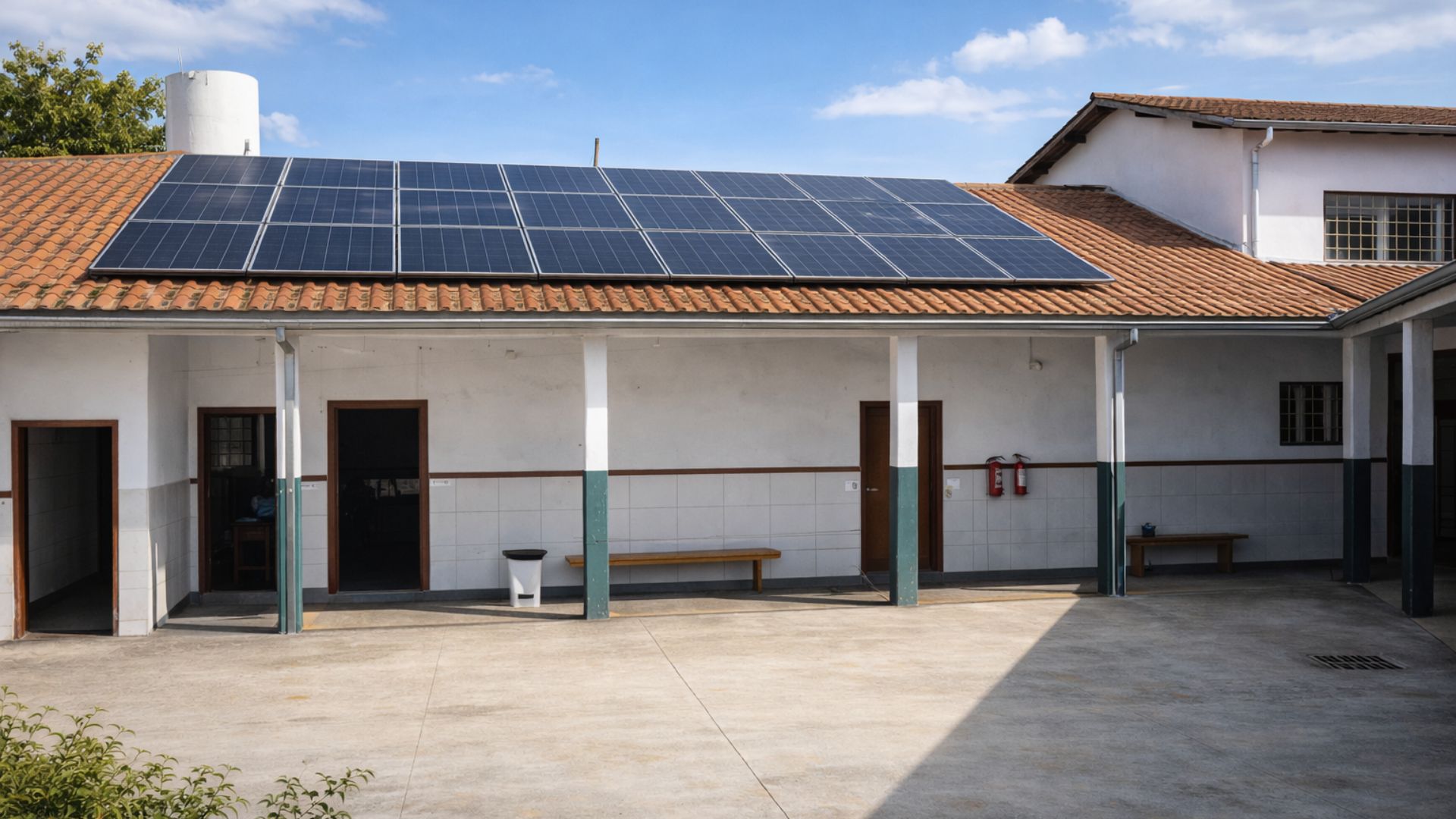
Copel boosts solar energy in Paraná and brings innovation to public schools, promoting savings on electricity bills, energy efficiency, and a direct impact on the quality of education.
-
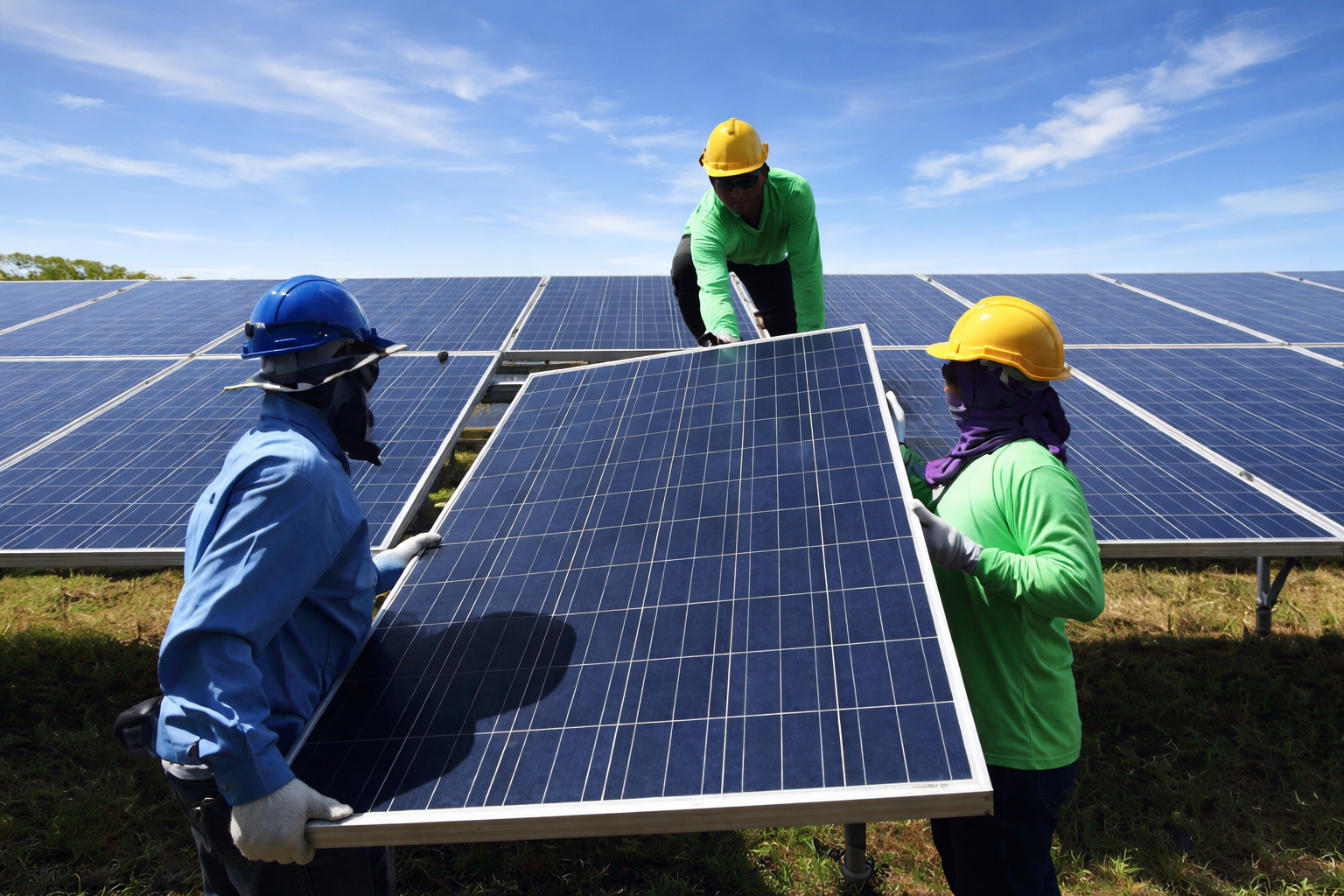
Brazil reaches historic milestone in solar energy: Sector surpasses 2 million accumulated green jobs and generates billions in the national economy even under market pressure.
-
Minas Gerais takes the lead in renewable energy: State surpasses historic mark of 14 GW in solar energy generation in MG and consolidates dominance in the Brazilian electric sector.

In light of this scenario, Tocantins decided to strategically invest in structural energy efficiency projects. Therefore, the government started to treat energy consumption not just as an inevitable expense but as an element that can be planned, controlled, and optimized. In this way, the state initiated a policy focused on continuous savings and more intelligent use of public resources.
LED Lighting and the Modernization of Urban Spaces
In this process, the replacement of old streetlights with LED models has become one of the main pillars of this transformation. This is because LED technology consumes less energy, has greater durability, and requires less maintenance. As a result, Tocantins is saving on both the electricity bill and the operational costs of public lighting.
Between 2024 and 2025, several municipalities in Tocantins advanced in the modernization of urban lighting on streets, avenues, squares, and high-traffic areas. Thus, the cities improved their efficient systems, while the population began to notice improvements in night visibility and feelings of safety. At the same time, energy consumption consistently decreased, reinforcing the economic benefits of this choice.
Moreover, LED lighting contributes directly to long-term urban planning. This is because modern systems allow for greater control of consumption and, consequently, more predictability in public spending. Hence, investing in LED ceases to be merely a technological improvement and becomes a strategic tool for financial and administrative organization.
Photovoltaic Energy and the Reduction of Consumption in Public Buildings
Alongside the modernization of lighting, Tocantins also expanded the generation of solar photovoltaic energy in public agencies. In Brazil, solar energy gained relevance from the 2010s onwards, mainly due to the abundance of solar radiation and regulatory advances. In Tocantins, however, this alternative proved to be even more advantageous, given the state’s high solar potential throughout the year.
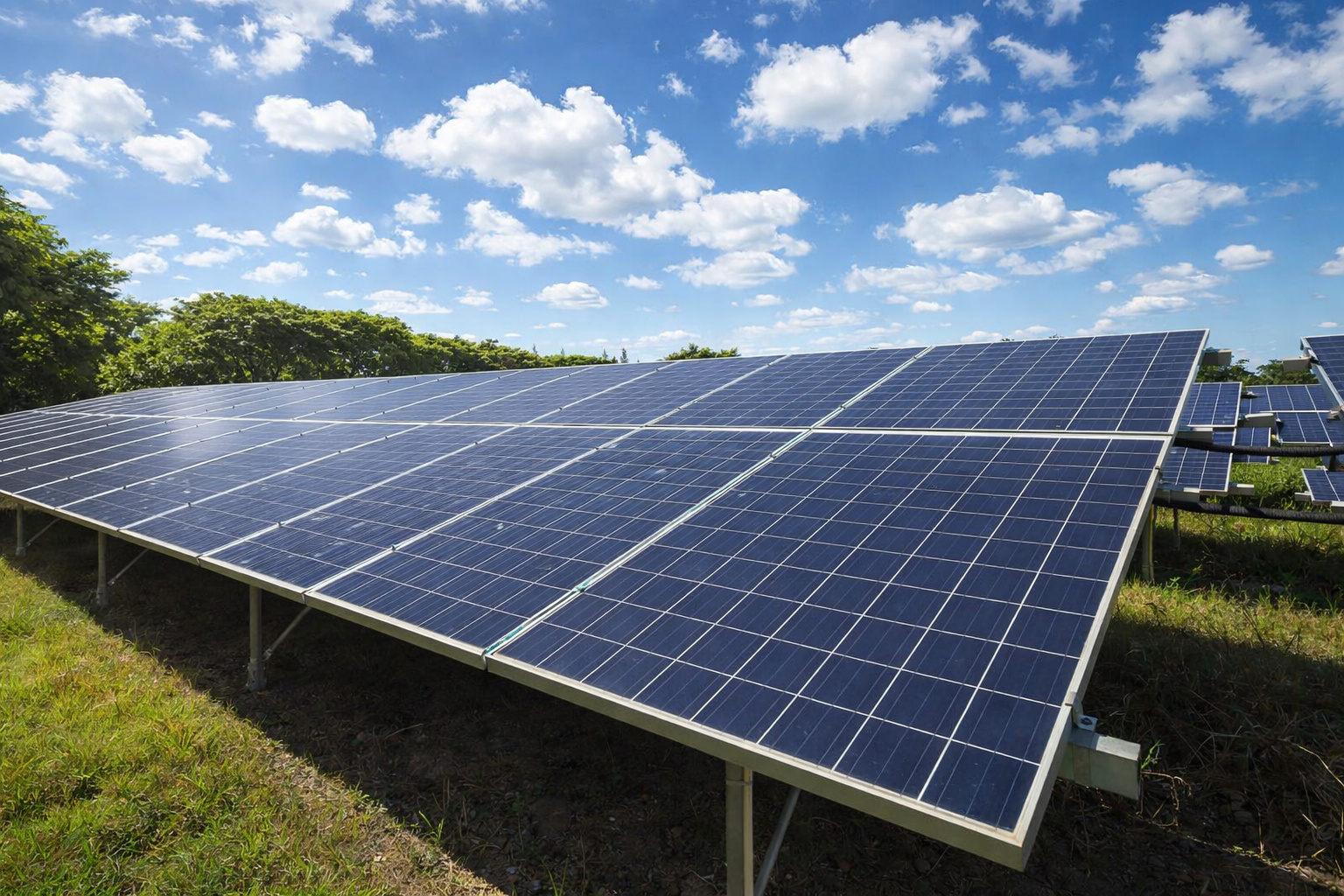
With the installation of photovoltaic systems, public buildings began to generate part or even all of the energy they consume. Therefore, Tocantins is saving resources that were previously allocated solely to paying electricity bills. Consequently, this reduction in expenses creates more room in the public budget for investments in essential areas such as health, education, and infrastructure.
In addition to immediate financial savings, self-generated energy strengthens the energy autonomy of public institutions. By reducing dependence on the conventional grid, these agencies achieve greater stability in costs and less exposure to tariff adjustments. Thus, photovoltaic energy solidifies itself as a strategic and lasting investment.
Energy Efficiency Program and Long-Term Policies
The advancement of these initiatives primarily occurs thanks to the Energy Efficiency Program, regulated by the National Electric Energy Agency (Aneel). Since its creation, the program encourages the rational use of electricity across various sectors of society. Thus, it promotes economic, social, and environmental benefits. In Tocantins, this instrument has facilitated structural projects and expanded the reach of energy efficiency actions.
Over time, energy efficiency has evolved from a secondary concern to be integrated into the planning of public administrations. While previously the main focus was solely on energy supply, public management now also prioritizes the quality of consumption, the reduction of waste, and the sustainability of decisions. Thus, this shift in mindset explains the prominence of LED-based and photovoltaic energy solutions.
Economic, Environmental, and Social Impacts of the Generated Economy
The savings of R$ 5 million achieved by Tocantins represents, therefore, more than a one-time financial result. In practice, this amount reflects the state’s capacity to plan consistent actions and transform initial investments into permanent savings. Thus, when it is stated that Tocantins is saving, it also highlights a more responsible public management that is future-oriented.
Moreover, the timeless nature of these initiatives deserves attention. Unlike emergency actions, energy efficiency projects continue to generate benefits over the years. Since LED lights and photovoltaic systems have long lifespans, savings persist over time, reinforcing the evergreen nature of these public policies.
Finally, in addition to economic gains, the environmental benefits are also significant. The reduction in electricity consumption contributes to the decrease in greenhouse gas emissions and to more conscious use of natural resources. When combined with social impacts, such as safer cities and more efficient public services, these results clearly demonstrate how energy efficiency has become a strategic ally of sustainable development in Tocantins.








Seja o primeiro a reagir!