





 Portuguese
  English
  Spanish
  3 min of reading
  0 comments


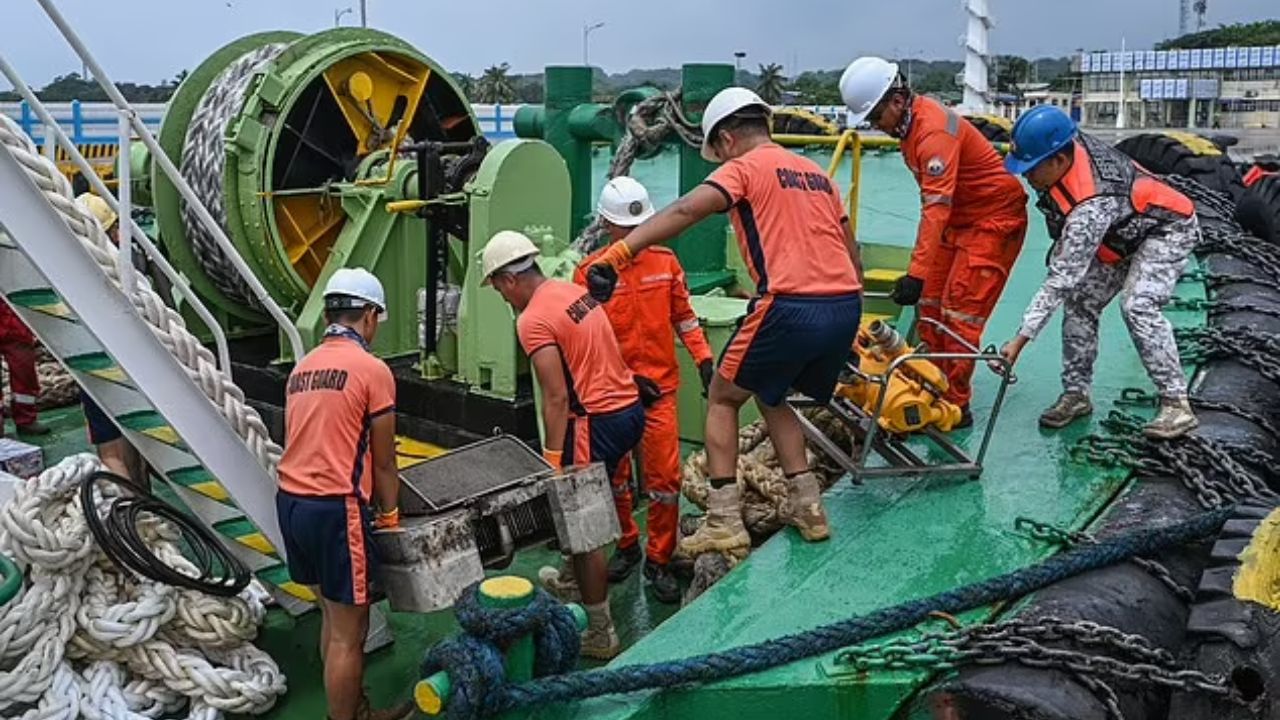
An Oil Spill in the Humber Estuary Raised Concerns About Environmental Damage. Experts Detail the Techniques Used to Contain and Clean Up the Oil, from Floating Barriers and Skimmers to Chemical Dispersants and Controlled Burning.
Oil spills pose a serious environmental threat, requiring quick and efficient responses to minimize damage. Following the recent accident in the Humber estuary, experts detailed the main techniques used to contain and remove oil from the water.
The Oil Spill in the Humber Estuary
The spill occurred after the collision between the tanker MV Stena Immaculate and the container ship MV Solong off the coast of Yorkshire. The impact caused a significant rupture in the cargo tank of the tanker, releasing aviation fuel into the sea.
With over 36 people rescued, the primary concern now is the environmental impact. Scientists and environmental agencies have begun assessing the best approach to contain the disaster, taking into account factors such as the fuel composition and weather conditions.
-
Offshore industrial demand in Macaé skyrockets with the recovery of oil and gas and could grow by up to 396% by 2026 in the Campos Basin.
-
Offshore industrial demand in Macaé surges with the recovery of oil and gas and could grow by up to 396% by 2026 in the Campos Basin.
-
Brazilian giant expands borders in the Southeast: Petrobras confirms new oil discovery in ultra-deep waters in the pre-salt of the Campos Basin.

-
Alert in the global energy market: Severe tropical cyclone hits the coast and disrupts gas production at major plants in Australia, threatening global supply.


First Actions to Contain the Spill
When an oil spill occurs, the first step is to identify its composition and behavior in the water. Crude oil spreads differently than refined fuels, such as aviation kerosene.
To prevent spreading, floating barriers are deployed in the affected area. These barriers help contain the spill in a controlled area, facilitating its removal.
Methods Used to Recover the Spilled Oil
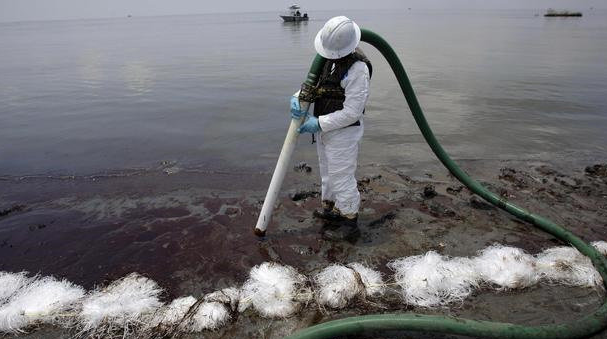
After containment, the removal of the oil begins. The main techniques include:
- Skimmers: devices that suck oil from the water’s surface like vacuum cleaners.
- Absorbents: absorbent materials that act like giant sponges, capturing oil.
- Chemical dispersants: substances that break down oil into smaller particles, accelerating its natural degradation.
These methods are combined to ensure maximum recovery and minimize harm to the environment.
Extreme Containment Methods
In more severe cases, extreme measures may be adopted. One of them is in situ burning, which involves igniting the oil to quickly eliminate large volumes of fuel.
Although effective, this technique generates air pollutants and can only be performed under specific conditions. It requires strict containment to prevent the fire from spreading to undesired areas.
What Happens When No Action Is Taken?
If the spill occurs far from sensitive areas, nature may handle part of the contamination.
Light oils, such as aviation fuel, evaporate quickly when exposed to wind and heat. Additionally, microorganisms present in the ocean begin to feed on the oil, accelerating its decomposition.
However, relying solely on natural processes can lead to lasting environmental damage, especially if the oil reaches the coast or sensitive marine habitats.










Seja o primeiro a reagir!