





 Portuguese
  English
  Spanish
  3 min of reading


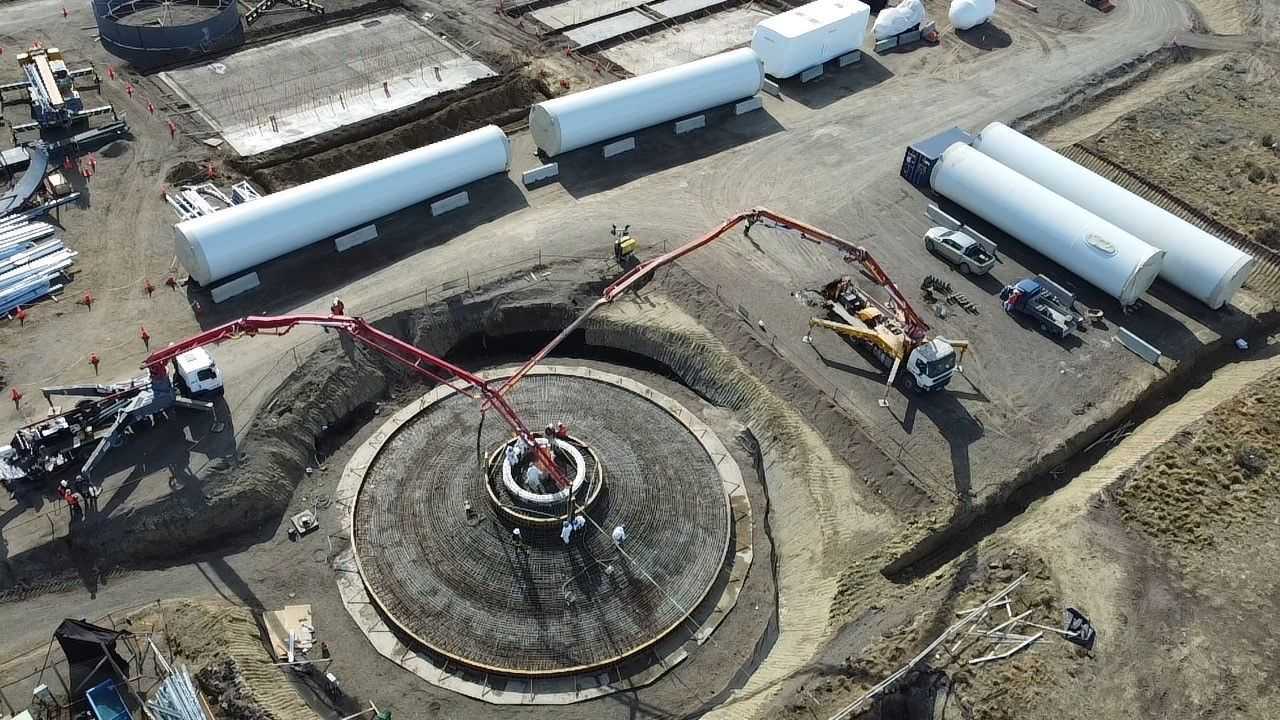
A Chilean Company Is Developing A New Fuel Called eFuel. The Product Works Like Gasoline That Is Not Derived From Oil, And Large Companies, Like Porsche, Are Already Investing In The Company
A company from Chile has developed a way to produce a new type of gasoline that is not derived from oil and promises to be more sustainable. In practice, this fuel can be used in the engines of cars, planes, and ships, without the need to change the vehicles’ structure. The new gasoline is named eFuel and is a creation of Highly Innovative Fuels (HIF). The entire production process of the new product is done without the use of oil and uses only raw materials such as water and air.
Learn How The New Fuel That Does Not Come From Oil Is Produced


For the fuel to be produced, electrolyzers are used that are responsible for splitting water into oxygen and hydrogen, through the use of wind energy. From there, the carbon dioxide captured from the atmosphere is filtered and combined with the hydrogen from water to produce synthetic methanol, which is then converted into eFuel.
Although major vehicle manufacturers are committed to creating electric cars, companies like Volkswagen, Bosch, and Audi are also focusing on creating synthetic fuels and zero-carbon fuels that are not derived from oil. Recently, Porsche and other companies invested US$ 260 million in the Chilean producer.
-
Six diseases that seem common but can prevent the renewal of the driver’s license for the elderly throughout Brazil and surprise experienced drivers — could any of them affect you without showing clear signs?

-
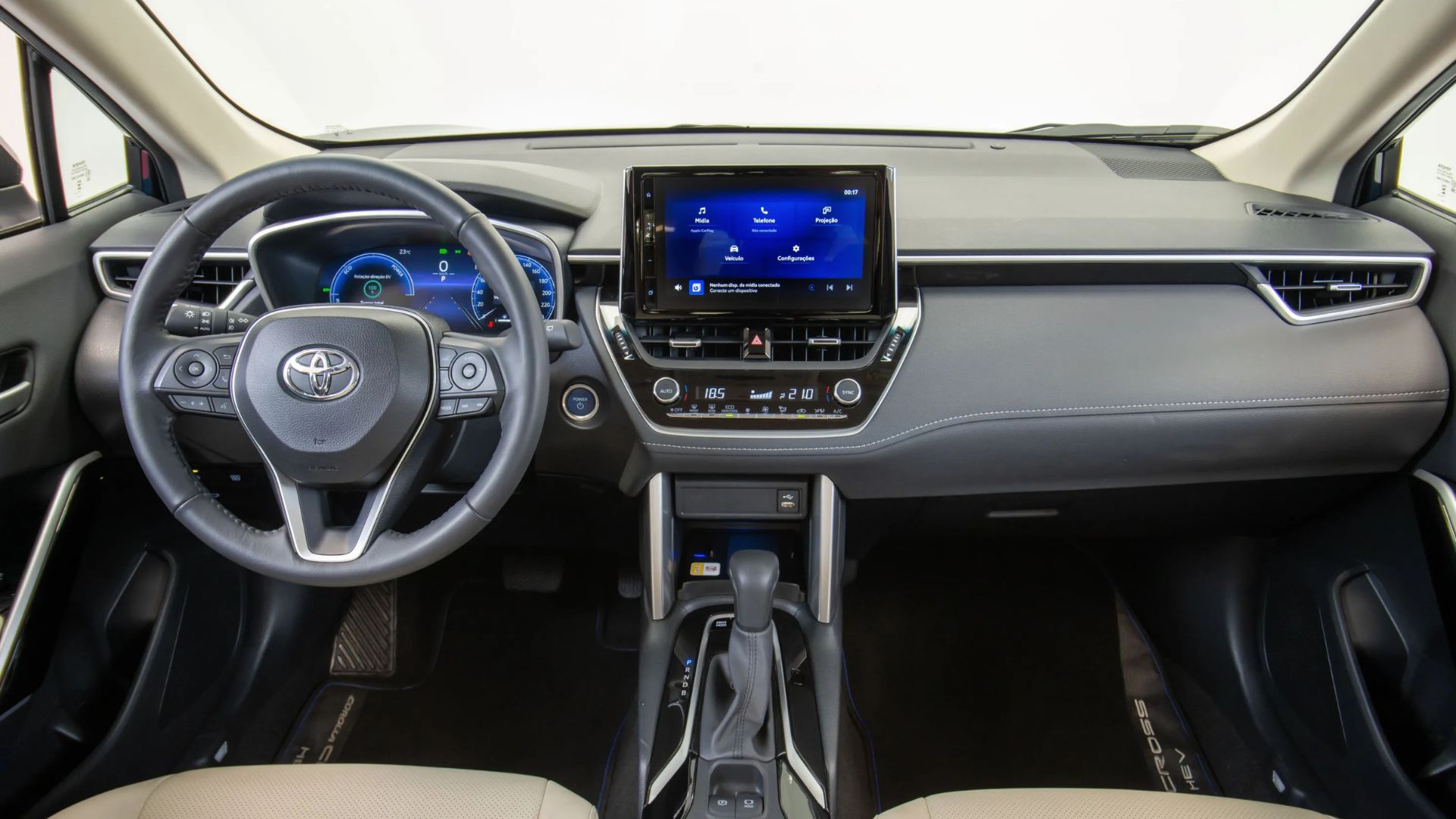
With 122 hp, fuel consumption of up to 17.7 km/l, and a trunk capacity of 440 liters, this hybrid SUV impresses even though it costs up to R$ 47,000 more than the Yaris — meet the Toyota Corolla Cross.
-
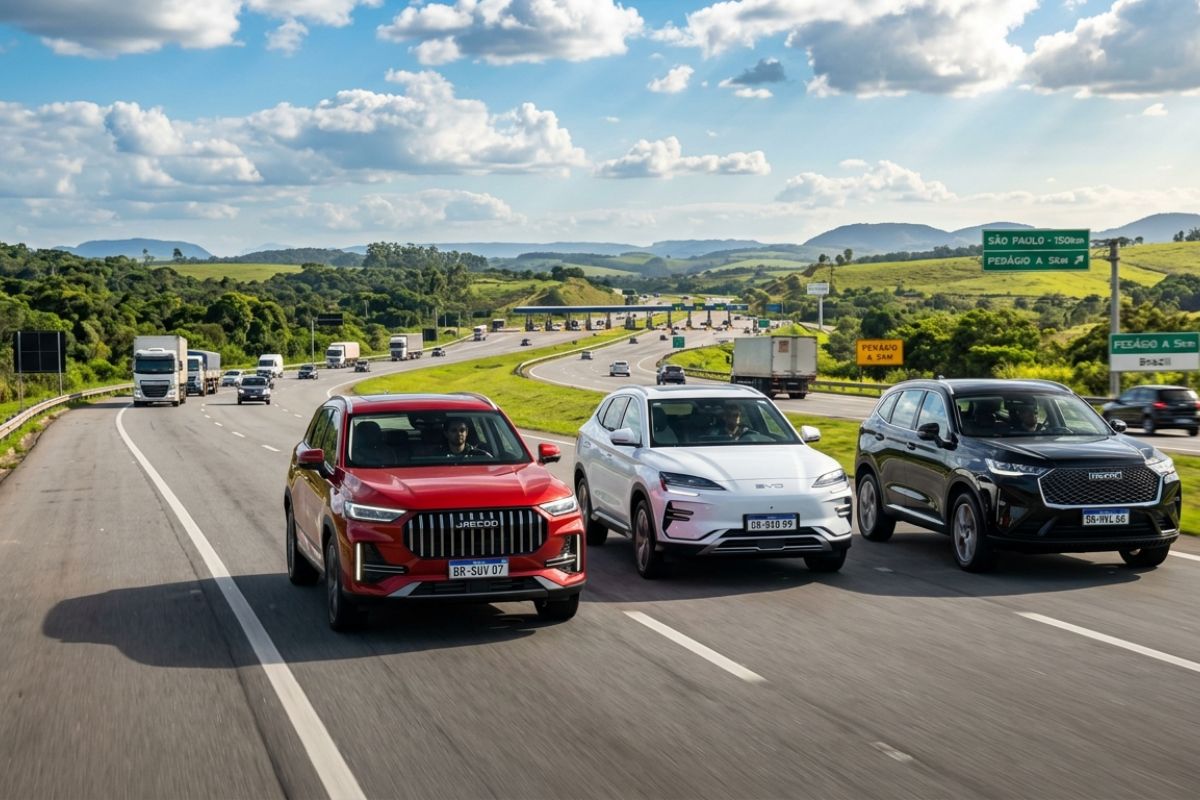
600 km with three Chinese plug-in SUVs, same mode and air conditioning on: Jaecoo 7, BYD Song Plus, and Haval H6 hit the road, and the pump reveals who was truly the most economical.
-
With a price almost R$ 100 thousand lower, the Haval H9 surpasses the SW4 for the first time in March, but Toyota still leads in the accumulated total for 2026; the Chinese SUV bets on technology and premium finishing to compete at the top.


The expectation is that the site will produce, still this year, 130,000 liters of eFuel. The company’s goal is to capture over 25 million tons of carbon dioxide per year from the atmosphere and produce 150,000 barrels per day of the new fuel.
According to the startup, conventional gas stations, that is, those derived from oil, would not need to be modified, as consumers could simply access the existing pumps and fill their tanks. Additionally, eFuel can be transported worldwide, just like other conventional fuels are today.
According to the CEO and president of HIF Global, César Norton, the company’s response to the current climate change scenario is decarbonization, which brings a global-level solution, making expansion into international markets an essential part of the company’s strategy.
Porsche Is Investing In A New Synthetic Fuel
This month, multinational Porsche announced investments of US$ 75 million in HIF Global for the development of gasoline that is not derived from oil. According to the automaker, the production of eFuel could reach commercial scale this year, as it is building a pilot plant called Haru Oni, located in the Chilean port city of Punta Arenas.
When the first phase is completed, the German company will have two expansions of the complex, one in 2024 and another in 2026, increasing production to 55 and 550 million liters of fuel without the use of oil, respectively.
In addition to Porsche, brands like Siemens Energy and ExxonMobil are also involved in the production of the new synthetic gasoline. With the current investment from the German automaker, there is the possibility that additional plants in Chile, the United States, and also in Australia will be developed.
German Multinational Will Use eFuel In Racing Vehicles
Porsche plans to initially use the new fuel in competition vehicles, that is, in race cars. However, in the future, eFuel should also be present in regular cars and factories. According to the company, the synthetic gasoline is expected to help in reducing pollutant emissions.
According to one of the members of the research and development team at Haru Oni, Michael Steiner, the expectation is that the new product will contribute to reducing pollutant gases in the atmosphere in engines that already burn fuels derived from oil.









-

Uma pessoa reagiu a isso.