





 Portuguese
  English
  Spanish
 5 min of reading
  0 comments


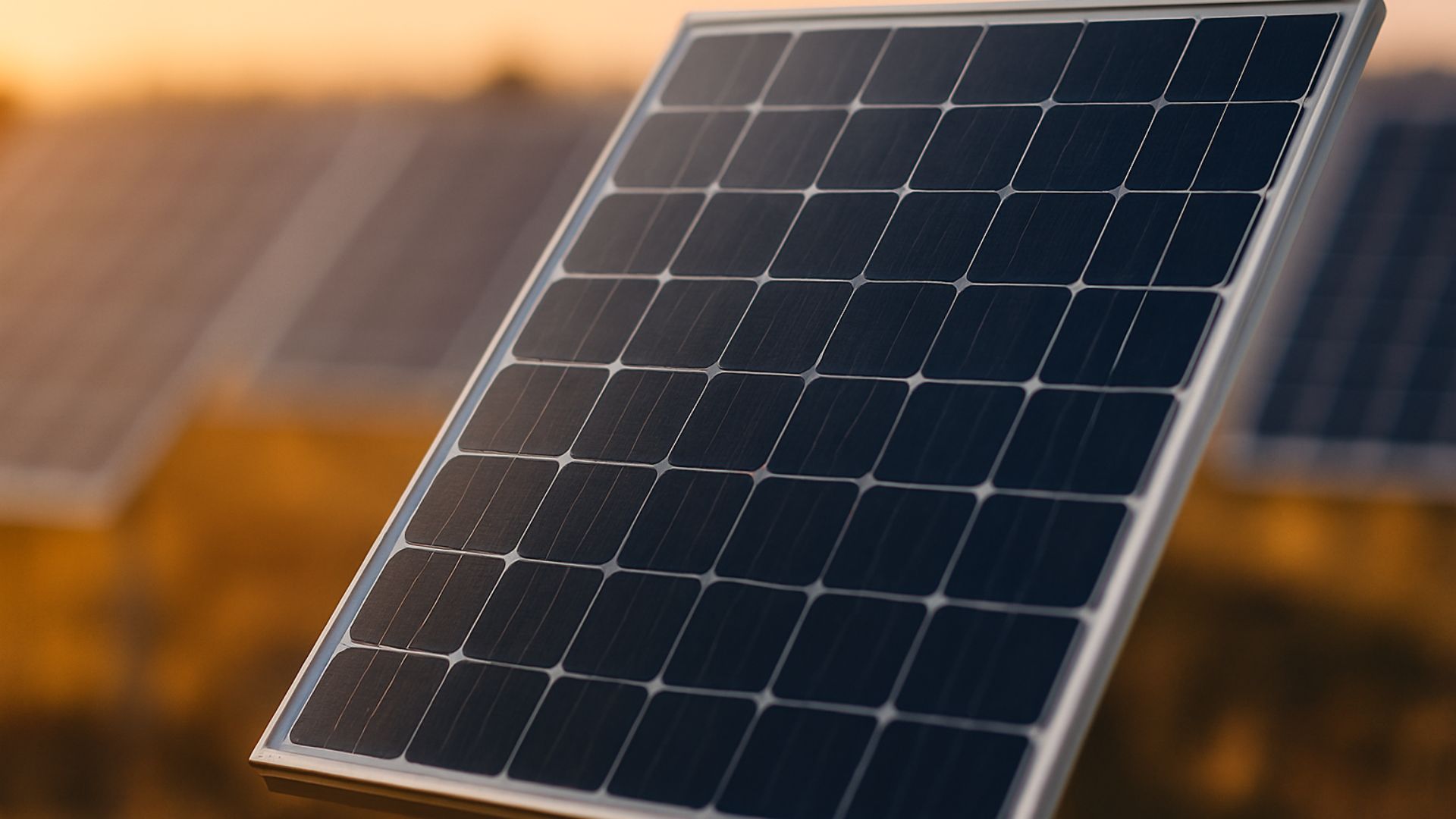
With the Inauguration of the Dunamis Photovoltaic Complex in Rio Grande do Norte, Brazil Expands Its Capacity in Renewable Energy, Boosts Investments, and Strengthens Solar Energy Production in the Country
Brazil has taken another decisive step towards energy transition with the commissioning of the Dunamis Photovoltaic Complex (RN), located in the municipality of Santana do Matos, 196 km from Natal.
According to the Gov Agency released on Monday (6), the solar power plant started operations on September 24. In this article, we will understand the importance of this inauguration and the positive impacts generated on the Brazilian energy matrix.
Infrastructure of the Dunamis Photovoltaic Complex and Connection to the Electric Grid
Composed of four plants — Dunamis I to IV — and 36 generating units, the project adds up to 117.54 megawatts (MW) of installed capacity, establishing itself as one of the largest ventures in the sector in the state of Rio Grande do Norte.
-
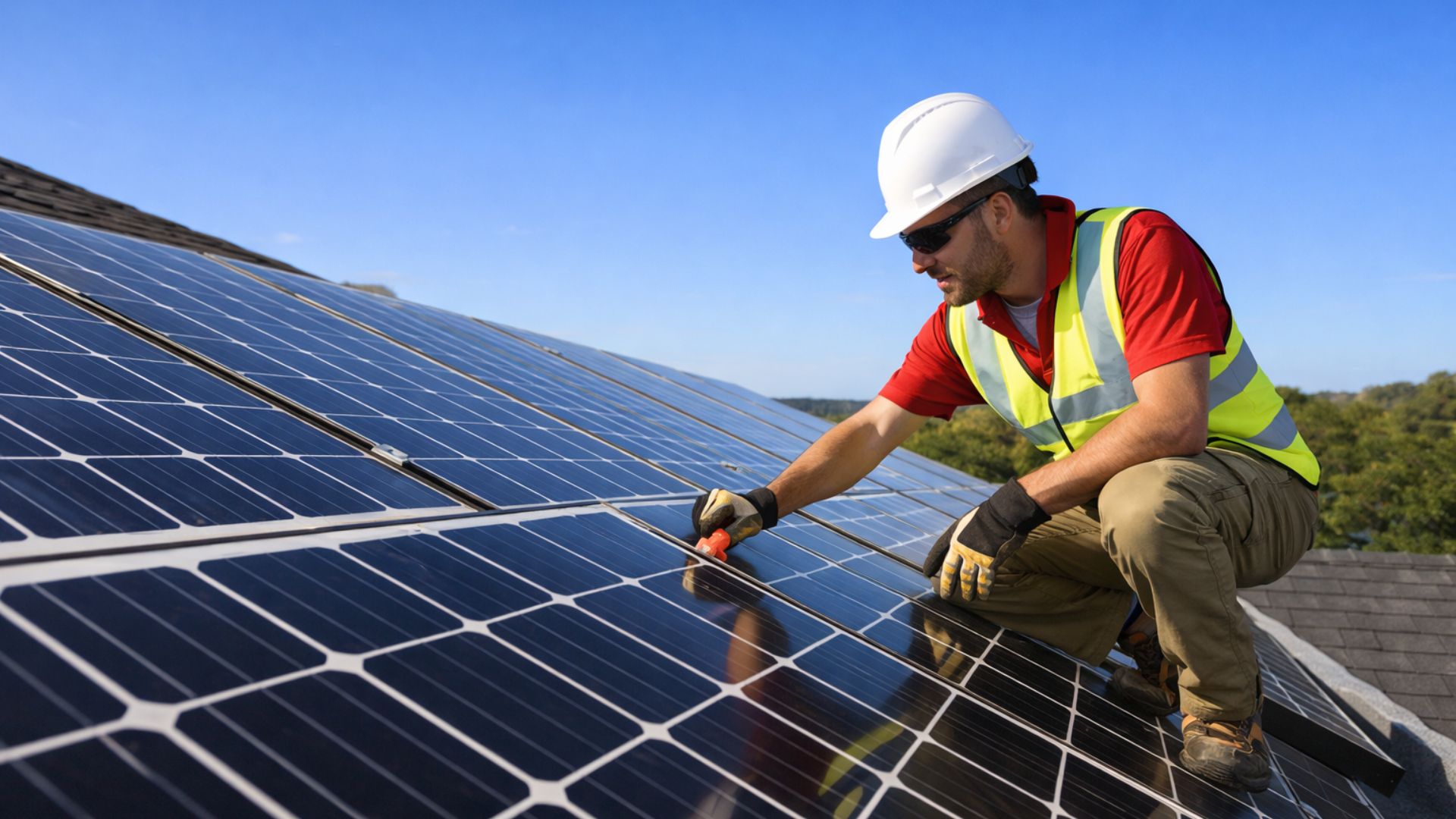
Seagri’s headquarters invests in solar energy with Neoenergia Coelba and promises to cut electricity costs, highlighting a strategic advance in sustainability and energy efficiency within state public administration.
-
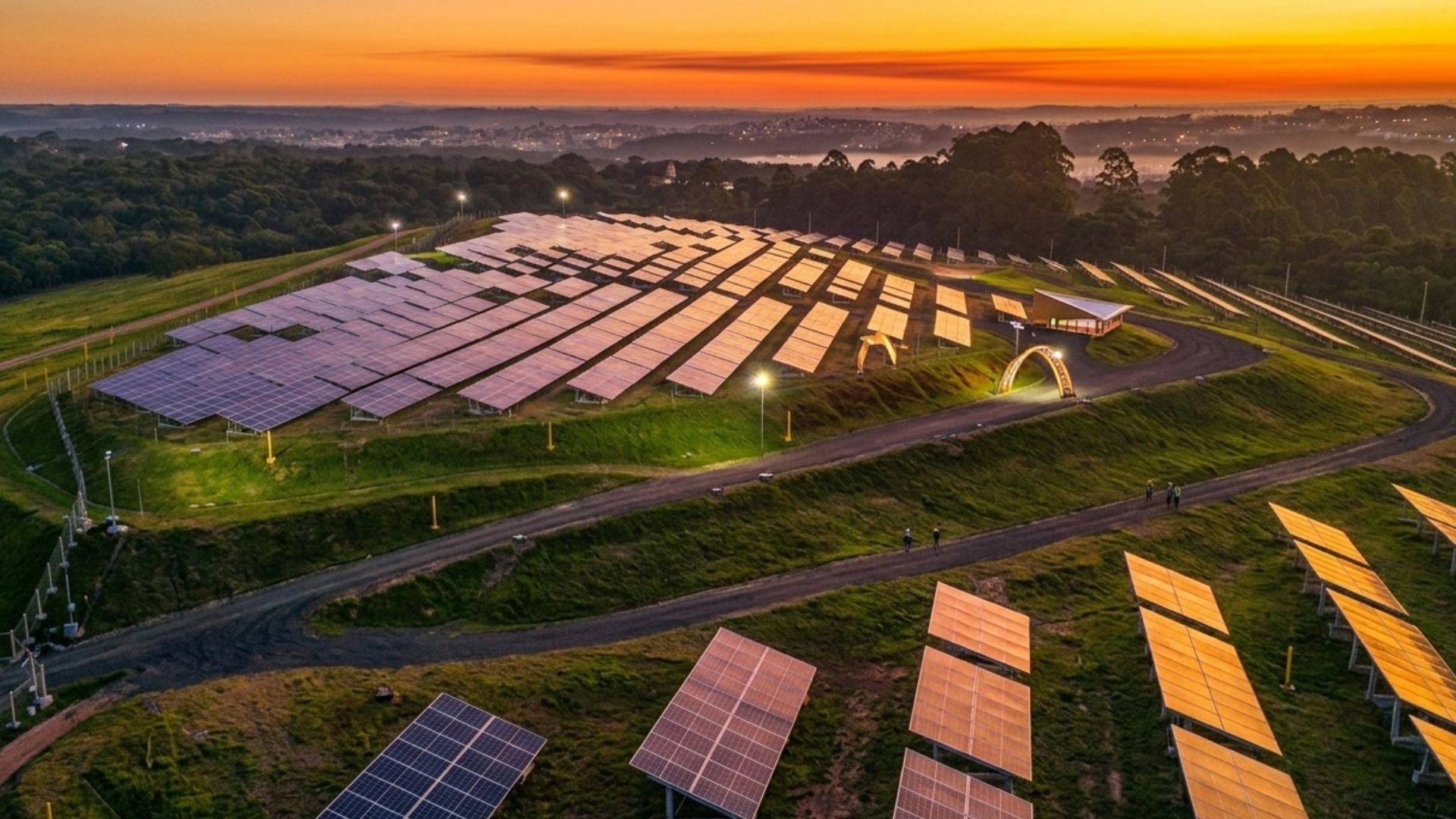
Solar Pyramid draws attention by converting solar energy into million-dollar savings and repositioning the City Hall of Curitiba as an example of innovation, sustainability, and intelligent use of public resources.
-
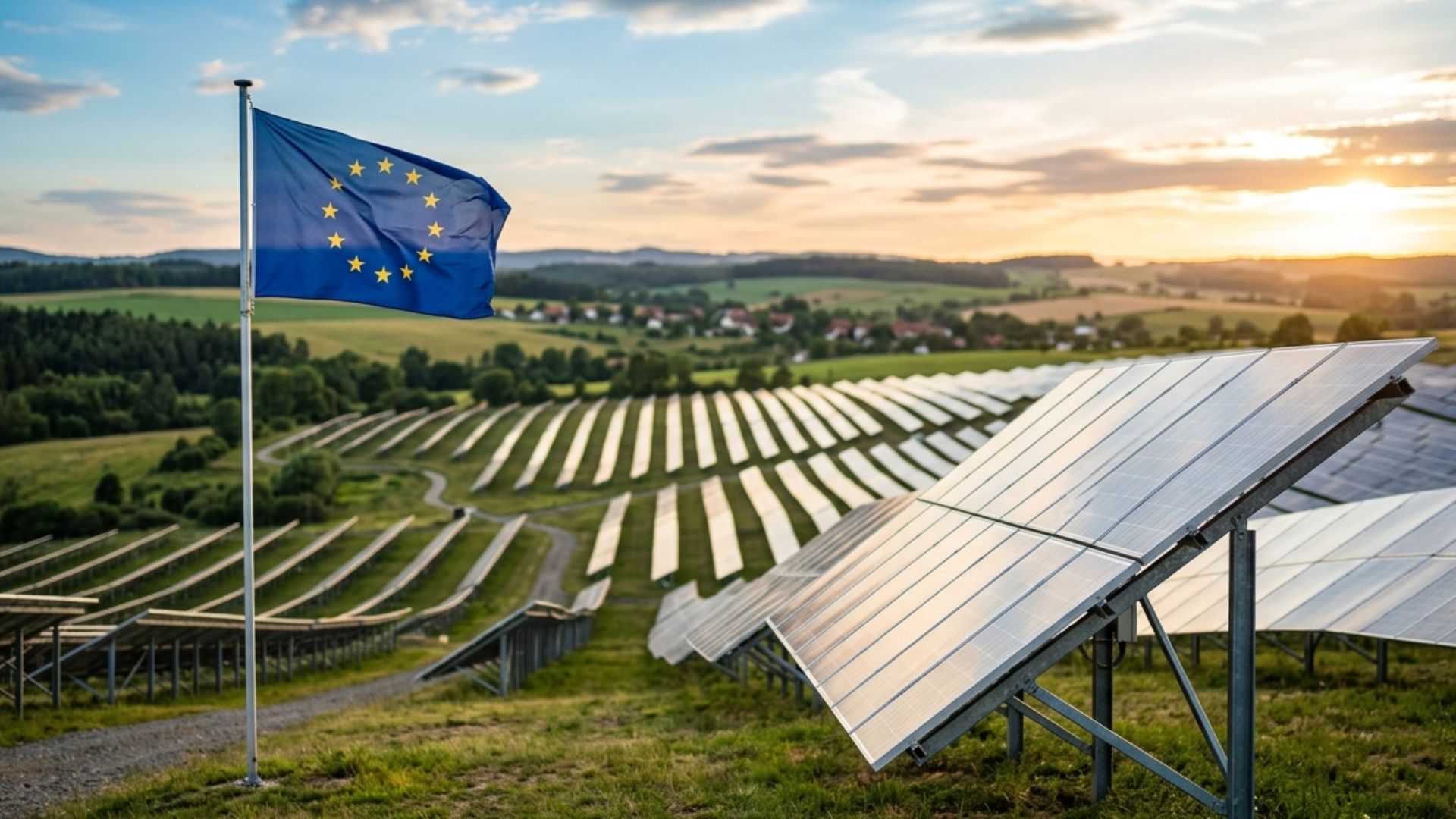
Europe records strong euro economy with solar energy in March and sparks curiosity about which country leads growth that redefines the energy market and reduces costs.
-
Piauí reaches a historic milestone in energy transition: State records nearly 160,000 households powered by solar energy and leads growth in the Northeast.

The total investment was R$ 569 million, made possible by the New Growth Acceleration Program (New PAC) of the Federal Government. In addition to strengthening the national energy matrix, the project boosts the economic and social development of the region.
The Dunamis Photovoltaic Complex (RN) was connected to the Basic Network through a step-up substation and a 230 kV transmission line, in a double circuit, approximately 100 meters long. This structure ensures efficiency in the distribution of generated energy, integrating the national system with safety and stability.
The environmental licensing was conducted by the Sustainable Development and Environment Institute of Rio Grande do Norte (IDEMA-RN), which issued the Operating Licenses (LO) for the plants and the associated transmission line.
Renewable Energy as a Vector for Development
The commissioning of the Dunamis Photovoltaic Complex (RN) represents a strategic advancement in renewable energy generation, in line with Brazil’s decarbonization and sustainability goals.
According to data from the Energy Research Company (EPE), Brazil has more than 37 GW of installed capacity in solar energy.
Rio Grande do Norte is the national leader in wind generation and is rapidly progressing in solar energy, taking advantage of its high solar incidence and vast areas available for the installation of photovoltaic plants.
Economic and Social Impacts of the Investment
The investment of R$ 569 million in the Dunamis Photovoltaic Complex (RN) not only strengthens energy infrastructure but also generates direct and indirect jobs, fosters the local production chain, and attracts new businesses to the region.
During the construction phase, hundreds of jobs were created, and the continuous operation of the plants requires skilled labor, promoting technical training and social inclusion.
Solar energy is one of the most promising sources for Brazil’s energy future, and projects like Dunamis demonstrate that it is possible to combine economic growth with environmental preservation.
Solar Energy in Brazil: Accelerated and Sustainable Growth
According to the Brazilian Association of Photovoltaic Solar Energy (ABSOLAR), Brazil surpassed 2 million solar systems installed on rooftops, facades, and land in 2025. Solar energy already represents more than 22% of the national electrical matrix, with a trend of continuous growth.
The Dunamis Photovoltaic Complex (RN) fits into this expansion context, contributing to the diversification of the matrix and reducing dependence on fossil sources.
Moreover, solar energy offers advantages such as low operational costs, scalability, and reduced environmental impact, making it ideal for regions with high solar radiation like the Northeast.
Dunamis Photovoltaic Complex: Sustainability and Environmental Commitment
The construction and operation of the Dunamis Photovoltaic Complex (RN) followed rigorous environmental criteria, with licensing approved by IDEMA-RN. The adoption of clean technologies and sustainable practices reinforces the project’s commitment to preserving local ecosystems.
Renewable energy is essential to mitigate the effects of climate change, and Brazil plays a prominent global role in this effort, with one of the cleanest energy matrices in the world.
Dunamis Photovoltaic Complex (RN) and the Role of the Private Initiative
In addition to support from the Federal Government through the New PAC, the Dunamis Photovoltaic Complex (RN) also received participation from the private initiative. Companies like Mercedes-Benz do Brasil and Raízen Power invested in the project, ensuring that 100% of the energy consumed in their factories comes from renewable sources.
The electricity generated by the complex feeds the National Interconnected System (SIN), helping to avoid the emission of up to 20,000 tons of CO₂ per year — equivalent to supplying 48,000 households. This partnership between the public and private sectors reinforces the potential of solar energy as a viable and scalable solution for large industrial consumers.
Renewable Energy as a National Strategy
Brazil has one of the cleanest energy matrices in the world, with over 83% of electricity coming from renewable sources. Solar energy, in particular, has stood out for its rapid implementation, competitiveness, and reduced environmental impact.
The Dunamis Photovoltaic Complex (RN) is an example of how the country can accelerate its energy transition, leveraging abundant natural resources and promoting economic and social inclusion.
According to the Ministry of Mines and Energy, the New PAC foresees robust investments in energy infrastructure, focusing on renewable sources, energy efficiency, and modernization of the electric grid. The goal is to ensure energy security, reduce emissions, and expand access to clean energy in all regions of the country.


Dunamis Photovoltaic Complex and the Brazilian Energy Future
The inauguration of the Dunamis Photovoltaic Complex (RN) on September 24, 2025, represents a milestone in the generation of renewable energy in Brazil, with 117.54 MW of installed capacity and an investment of R$ 569 million.
The project strengthens solar energy as a strategic pillar of the national electrical matrix, boosts regional development, and reaffirms the country’s commitment to sustainability.









Seja o primeiro a reagir!