





 Português
  Inglês
  Espanhol
  3 min de leitura
  36 comentários


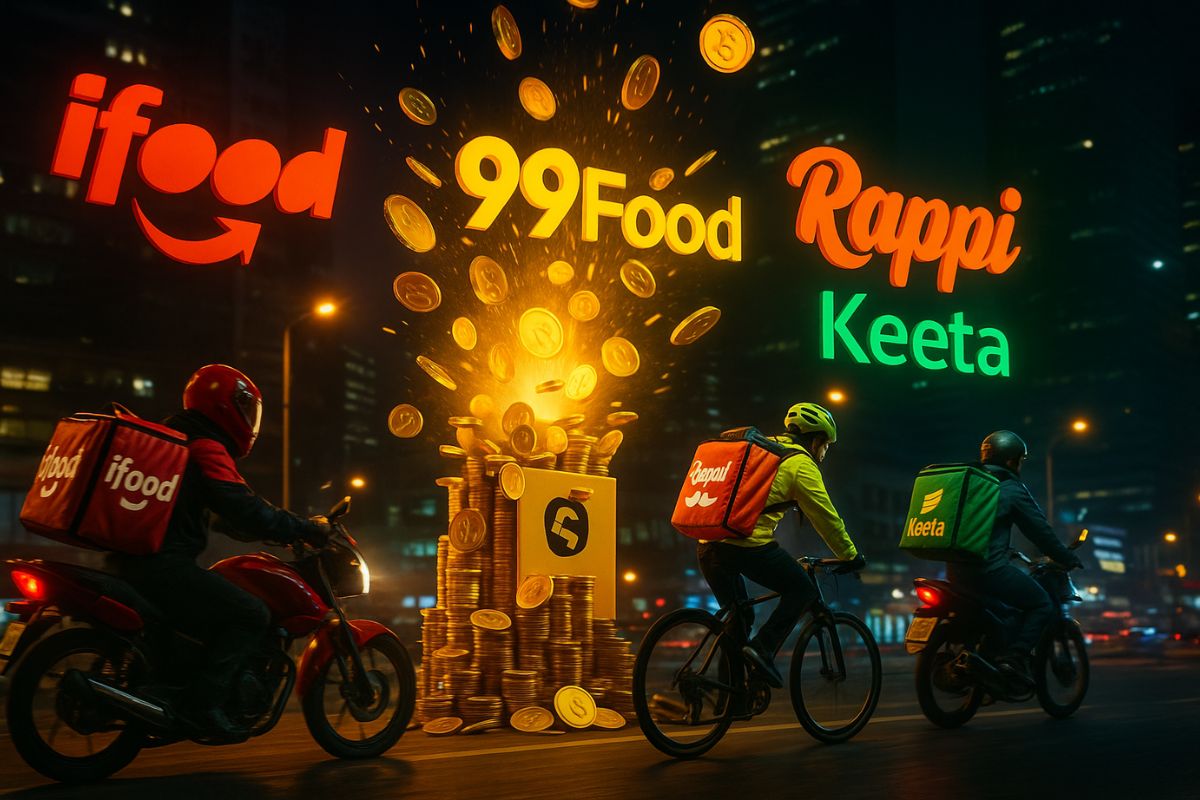


The National Strike of March 2025 Combined with the Entry of New Apps Forced Giants Like iFood, 99Food, and Rappi to Increase the Minimum Pay of Delivery People, Changing the Logic of the “Delivery War” in Brazil.
The iFood, leader of the Brazilian delivery market, and competitors like 99Food, Rappi, and the newly arrived Keeta were forced to revise their pay policies in 2025. The turning point was the national strike in March, which exposed the dissatisfaction of thousands of motorcyclists and cyclists and opened up space for historic demands of the category.
The movement coincided with the intensification of competition in the sector. New apps came into operation and increased the pressure on traditional platforms, which began to compete not only for restaurants and customers but also for the delivery people themselves — leading to increases of up to 50% in average earnings.
99Food Establishes Minimum Goals and Increases Earnings by Up to 50%
The 99Food was one of the companies that altered its strategy the most. In Goiânia, the company began to guarantee R$ 250 for 20 daily deliveries, provided that five are food-related. In São Paulo, the minimum amount reached R$ 400 for 15 deliveries, all of which were food-related.
-
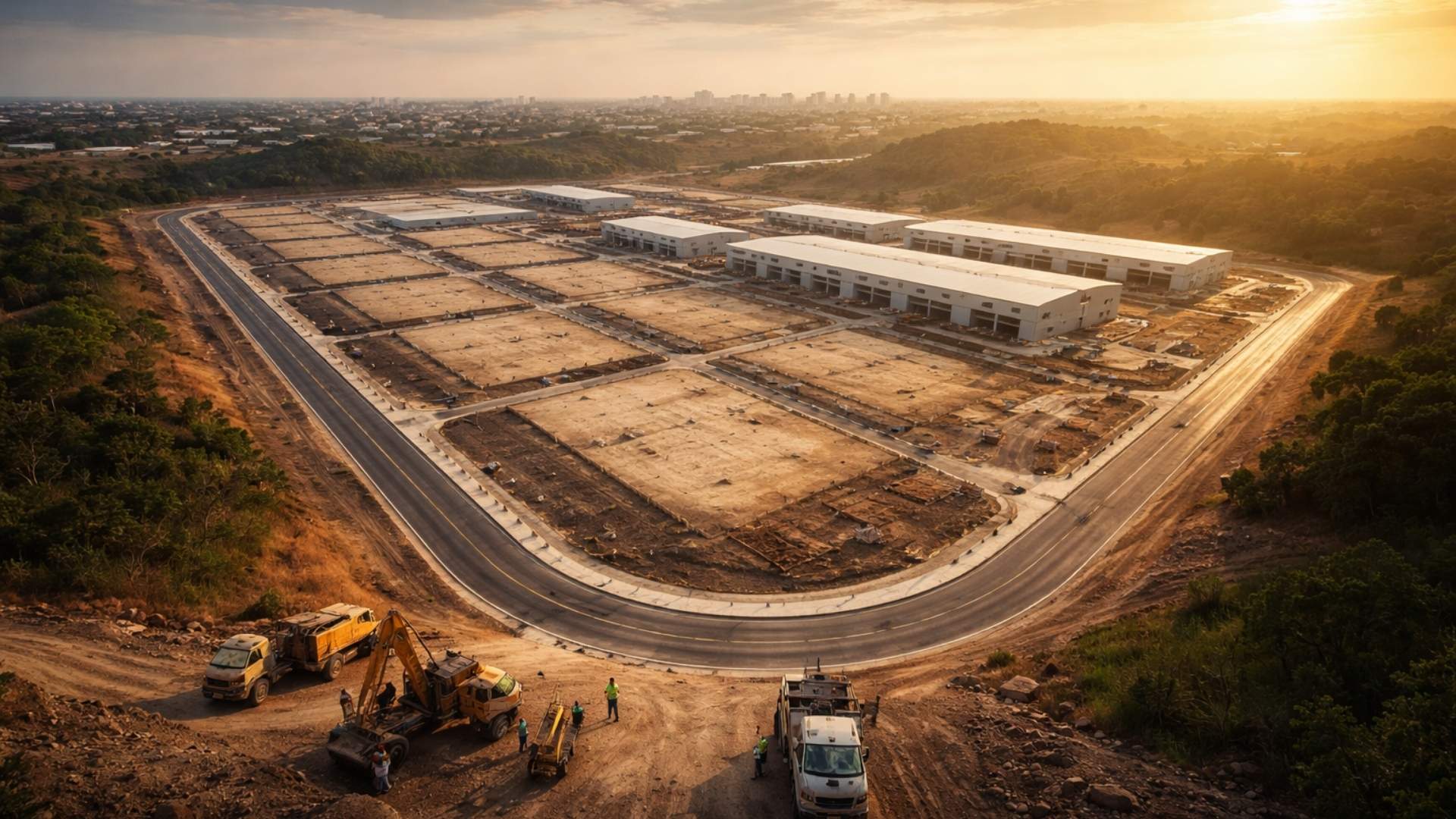
Brazilian city gains industrial hub for 85 companies that is equivalent to 55 football fields.

-
Peugeot and Citroën factory in Argentina cuts production by half and opens a layoff program for more than 2,000 employees after Brazil drastically reduced purchases of Argentine vehicles.

-
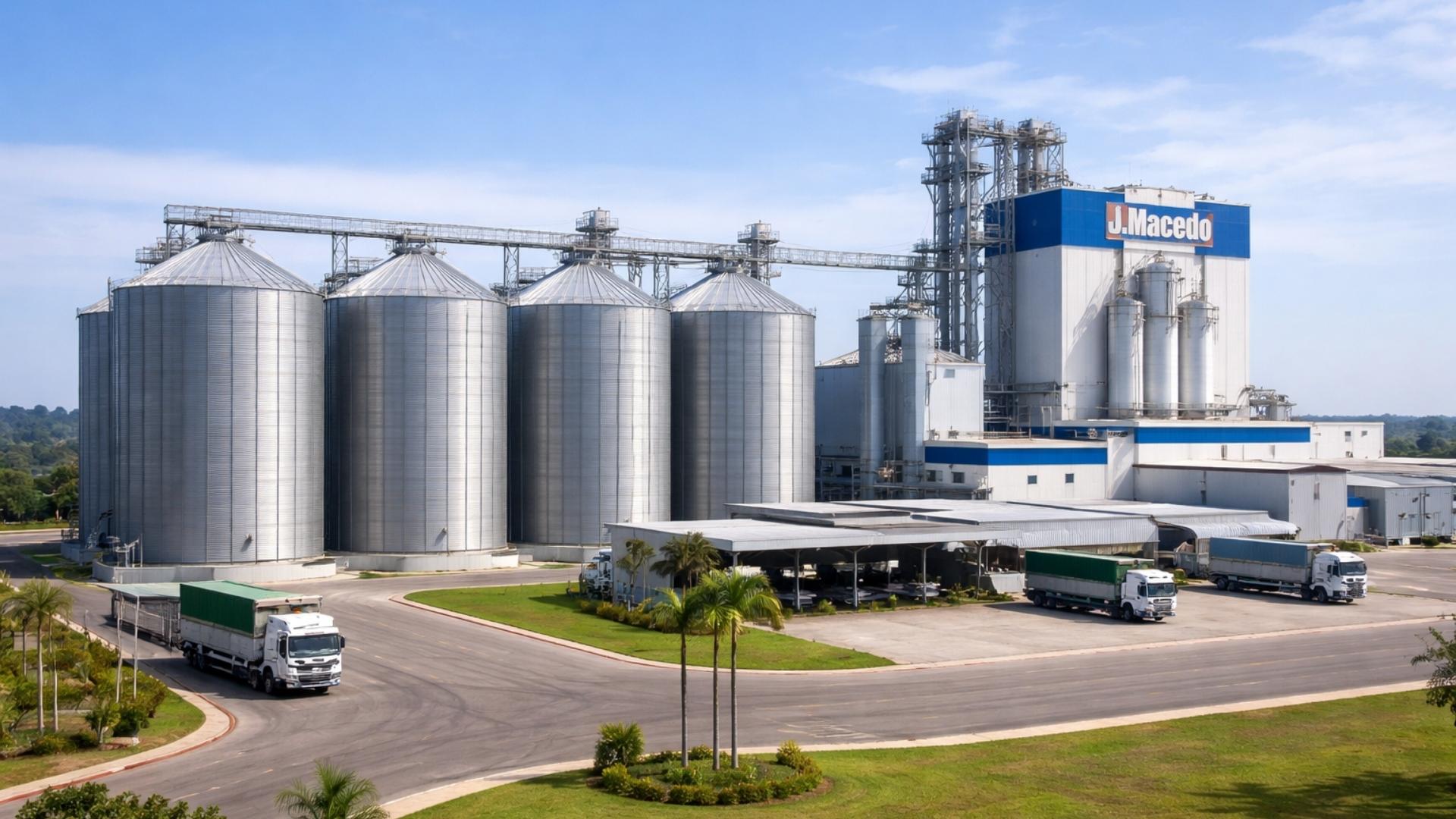
A Brazilian city gains a factory worth R$ 300 million with the capacity to process 200 thousand tons of wheat per year, a mill of 660 tons/day, silos for 42 thousand tons, and an industrial area of 276 thousand m².
-
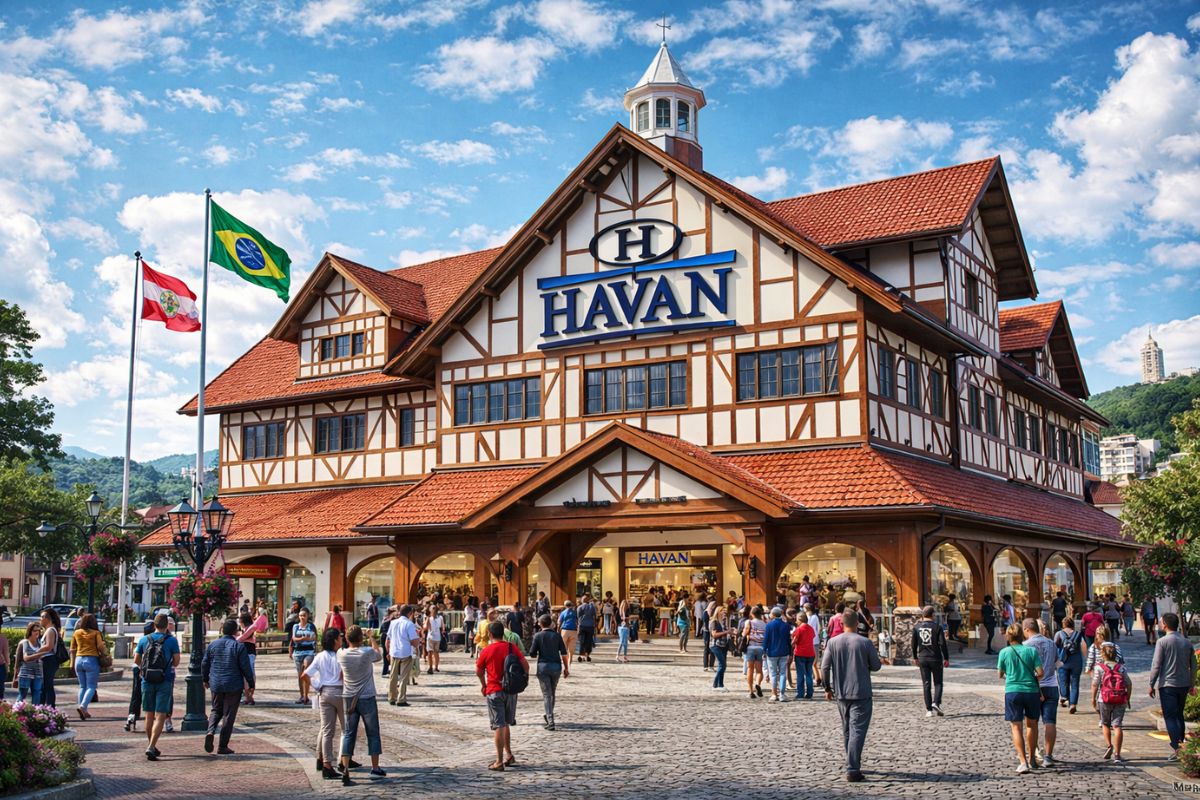
Havan will leave the shopping mall in Blumenau to inaugurate something that the chain has never done before: a megastore in half-timbered style in the Historic Center of the city, which is expected to be completed in May and change the landscape of local retail.

According to 99Food itself, these measures resulted in a 50% increase in the income of motorcyclists. Additionally, the company announced R$ 50 million in investment in support points and an incentive program that pays R$ 1,500 for each new delivery person, expanding its base of over 700,000 registered individuals.
Rappi Increases Payment Per Kilometer and Boosts Productivity
In June 2025, Rappi adjusted its minimum payment for short deliveries (up to 4 km) from R$ 7 to R$ 10, with an additional R$ 1.60 for each extra kilometer. CEO Felipe Criniti stated that the measure generated 40% more connectivity — meaning delivery people became more productive — and increased the active worker base on the platform by 30%.
This model aims to reduce turnover, one of the company’s main complaints in recent years. The adjustment strengthened Rappi’s position in major cities, where competition is fiercer.
iFood Adjusts Prices and Reinforces Benefits
With more than 450,000 active delivery people, iFood also yielded to pressure. In June, it increased the minimum payment per order from R$ 6.50 to R$ 7 for bicycles and from R$ 7.50 for motorcycles, in addition to paying R$ 1.50 per kilometer traveled and R$ 3 extra per additional delivery on the same route. The average earning per route rose to about R$ 11.
According to the platform, a delivery person working four hours a day can earn R$ 2,500 per month in gross income. iFood also enhanced its offerings of accident insurance, theft coverage, and bonuses of up to 30% in incentive programs.
Keeta Launches with Promise of Smart Routes
Keeta, expected to launch in São Paulo in 2025, enters the market with an emphasis on technology. The company already has 120,000 registered delivery people and promises to implement in Brazil a model inspired by the operations of its Chinese parent company.
According to CEO Tony Qiu, the system is capable of processing up to 2.9 billion routes per hour during peak hours, with optimization algorithms that can reduce delivery time and increase earnings. The expectation is that Keeta’s entry will put even more pressure on the sector.
The New Logic of the Delivery War
Historically, the competition among delivery apps concentrated on fees for restaurants and discounts for consumers. Now, the mobilization of the category and the entry of new players have forced a change in focus: delivery people have become the center of competition.
For the first time, the combined pressure of market and social mobilization has resulted in significant increases in minimum pay, signaling that the relationship between apps and workers may be entering a new phase in Brazil.
And you, do you believe that the adjustments made by iFood, 99Food, Rappi, and Keeta really change the lives of delivery people or are they just temporary measures? Have you noticed any differences in service since the strike? Leave your opinion in the comments — we want to hear from those who live this reality up close.









Aonde tá esses ganho de 50% conversas noix entregador dar o sangue 🩸 arrisca a vida pá ganhar ruela conversa
Olá me chamo Jeferson o ifood aumentou de 6,50 para 7,50 mas em Maringá pr não tem adicional não eo 99 em Maringá paga uma mixaria vc fais 10km para ganhar 6,00 é não tem nada de extra não tudo enganação não tem nada disso em Maringá se em outros estados e diferente não poderia ser.
Sp a rappi é muito bom nos fins de semana