





 Portuguese
  English
  Spanish
  3 min of reading
  0 comments


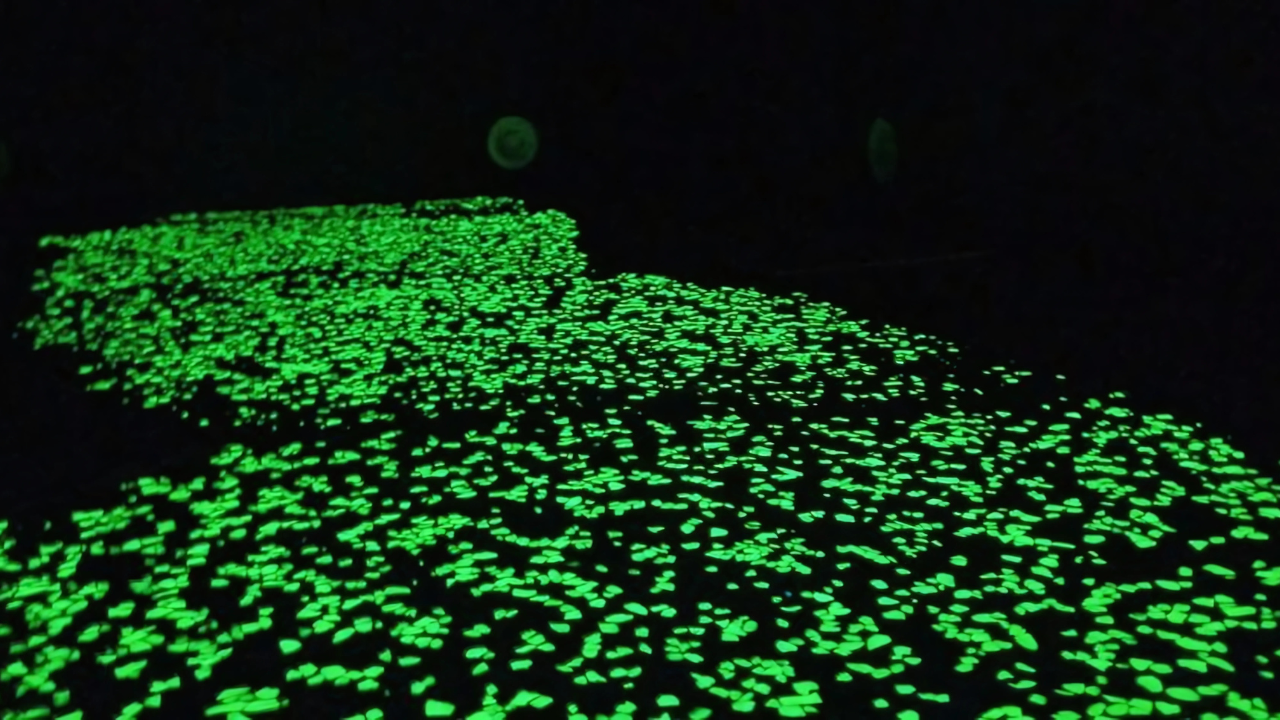
Discover How Luminescent Concrete Can Transform Cities and Offer Innovative Solutions for Public Lighting.
The construction industry is witnessing a revolution with the arrival of luminescent concrete. This innovative material, capable of absorbing light and emitting it for hours, promises to transform how we illuminate and interact with cities.
How Does Luminescent Concrete Work?
The magic behind luminescent concrete lies in special aggregates that capture light energy, whether from the sun or artificial sources.
These aggregates, made of pigments and resins, are incorporated into the concrete during the manufacturing process.
-
China accelerates global science and may surpass the United States in 2 years with increased public investment, continuous growth, and direct impact on the global technological competition.

-
Scientific studies indicate that drought may be strengthening a much greater silent threat: more resistant superbugs.

-
Man builds functional 5-meter submarine in his garage using gas cylinders, PVC pipes, and a refrigerator motor, and navigates with the vessel on a lake in Colombia.

-
Millions of people have been eating yam for centuries without knowing that this humble tuber contains a compound called diosgenin, which scientists have now discovered can improve memory and help control blood sugar levels.


By absorbing light, the material stores it and releases it gradually, providing illumination for up to 8 hours.
Endless Applications from Urban to Decorative
The possibilities for applying luminescent concrete are vast.
In urban areas, it can be used in bike lanes, crosswalks, and sidewalks, offering an efficient and practical alternative to traditional street lighting.
In addition, the material also finds its place in decorative projects, such as pool decks and gardens, creating unique and sophisticated environments.
Safety also benefits from luminescent concrete. In parking lots, highways, and pedestrian crossings, it improves visibility, especially in low-light areas.
Benefits That Go Beyond Aesthetics
The benefits of luminescent concrete extend beyond aesthetics and functionality.
It helps reduce electricity costs, decreases the carbon footprint of cities, and is highly durable, resisting weather conditions and wear over time.
Moreover, the soft and pleasant light emitted by the material provides greater visual comfort and enhances the feeling of safety, especially in poorly lit areas.
Challenges of Luminescent Concrete
Despite its advantages, luminescent concrete still faces some challenges.
Its cost is a limiting factor, but experts believe that as production increases and the material becomes popular, prices are likely to fall.
The application of luminescent concrete also requires careful planning, as the curing phase of the concrete is crucial to ensure the adhesion of luminescent aggregates and the optimal storage of light.
However, the future of concrete is promising. With the growing concern for efficiency and the search for innovative solutions, this material has the potential to transform cities, making them safer, more efficient, and beautiful.
The Revolutionary Concrete
Luminescent concrete is revolutionizing the way we think about urban lighting.
By absorbing solar or artificial light and emitting it for hours, this innovative material offers a range of benefits, such as reducing electricity consumption, improving safety in low-light areas, and creating more pleasant and efficient environments.
In addition to the aforementioned benefits, the concrete also helps to reduce light pollution, a growing problem in large cities.
The excess light emitted by street lamps can affect wildlife, disturb human sleep, and contribute to atmospheric pollution.
By using luminescent concrete, it is possible to create softer and more directed lighting, minimizing these negative impacts.
Despite the challenges, the outlook for the concrete market is promising.
The growing concern for energy efficiency and the search for innovative solutions in construction are driving the demand for materials like luminescent concrete.
In the future, we can expect to see this material used in a variety of applications, from paving streets and squares to constructing buildings and infrastructures.








-

-

-

-

5 pessoas reagiram a isso.