





 Portuguese
  English
  Spanish
  4 min of reading
  0 comments


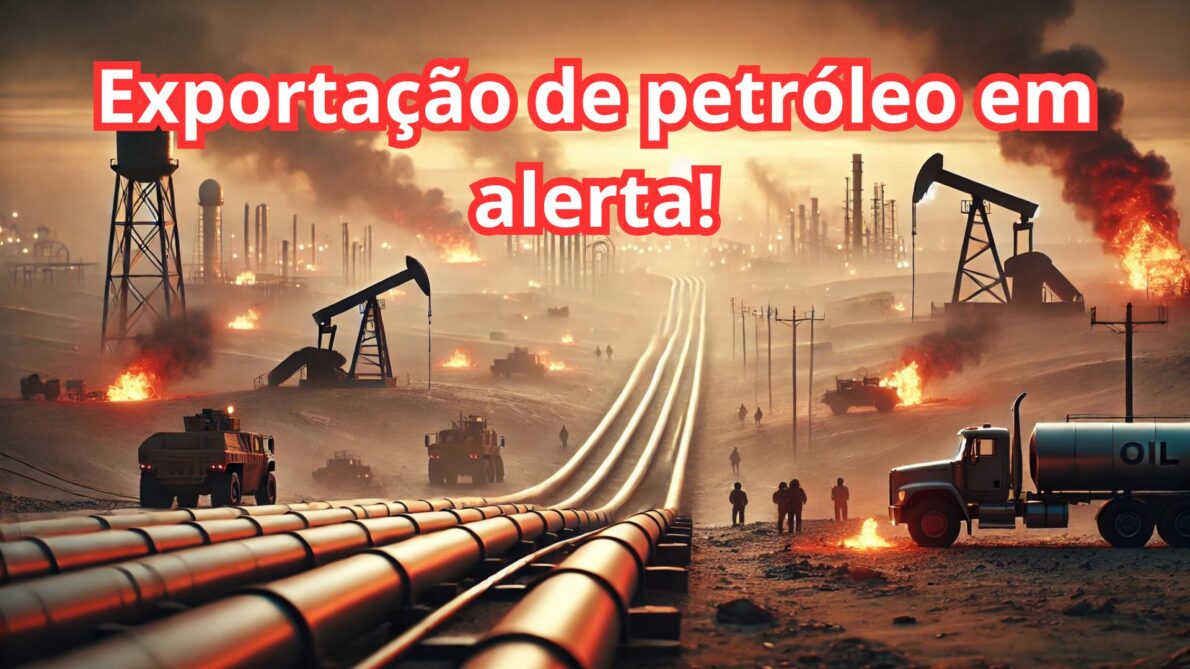
Conflicts in the Middle East Are Triggering a Sharp Rise in the Oil Market, Leading Investors to Bet on a Scenario of Record Prices. However, for Brazil, This Movement May Bring Unexpected Risks.
What Is Behind the Rise of Oil Call Options?
The conflicts in the Middle East, especially the worsening tensions between Israel and Iran, have caused intense activity in the oil market. The region, responsible for a significant share of global oil production, is known for its geopolitical instability. Now, fears of a supply disruption have put the financial market on alert, leading to an increase in what are called “call options” for oil, while the price of oil continues to rise, reflecting global uncertainties.
Why Is This Important?
The Middle East is a crucial point in the global oil supply chain. Any significant interruption in oil production or transportation from the region can trigger a global shortage, prompting investors to anticipate these crisis scenarios. Indeed, experts predict that the price of the barrel could surpass the US$ 90 mark as the conflict evolves and the oil supply is threatened.
How Does the Rise in Oil Affect Brazil?
In Brazil, this rise in the oil market brings both opportunities and risks. Although Petrobras may benefit from the appreciation of the barrel in the short term, the consequences of a global increase in oil prices may be felt by consumers and the local financial market.
-
Brazilian giant expands borders in the Southeast: Petrobras confirms new oil discovery in ultra-deep waters in the pre-salt of the Campos Basin.

-
Alert in the global energy market: Severe tropical cyclone hits the coast and disrupts gas production at major plants in Australia, threatening global supply.

-
Petrobras finds high-quality oil in the pre-salt at 113 km from RJ and reignites expectations about strategic reserves in the Campos Basin.

-
Ocyan opens registrations for startups focused on innovation in the oil and gas sector and will select projects for Innovation Day with the support of Nexio.

The Main Impacts for Brazil Are:
- Fuel Inflation: The increase in oil prices can lead to a rise in fuel prices, further pressuring inflation in Brazil. This directly impacts Brazilian consumers, as the cost of transportation, food, and services tends to rise in a chain reaction.
- Decrease in International Demand: If oil prices spike too much, countries buying Brazilian oil may reduce their purchases, seeking cheaper alternatives or adjusting their energy budgets.
- Market Volatility: With the volatility of oil prices, the financial market in Brazil is also affected. The demand for call options in the local market mirrors the same movement observed internationally, increasing uncertainties for investors.
The Role of Petrobras in This Scenario
Petrobras, the main oil producer in Brazil, is one of the major agents affected by this international volatility. While the rise in oil prices can generate more revenue in the short term, a prolonged crisis in the Middle East can bring more complex problems, such as:
- Changes in Export Contracts: Petrobras may need to adjust long-term contracts if international demand falls due to rising prices, or if other nations seek safer and more stable sources for their oil supply.
- Risks of Domestic Depreciation: With the rise in fuel prices in Brazil, the state-owned company may face pressures from the government to hold back price adjustments, which could directly impact its profit margins in the domestic market.
These are factors that make the situation especially delicate for the company, as it needs to balance the desire to profit from rising global prices with the need to maintain stability in the domestic market.
What Are Investors’ Predictions?
International investors are closely monitoring the unfolding crisis in the Middle East, and their movements reflect this. Many are betting that oil prices will continue to rise if the conflict prolongs or intensifies. In Brazil, the behavior is similar, with an increase in high call options for oil, as the expectation is for a significant rise in the coming months.
The Main Projections Indicate:
- Short-Term Increase: The price of a barrel of oil has already surpassed US$ 86, and analysts believe it could reach US$ 95 if the conflict escalates. This leads investors to acquire options contracts that benefit from this rise.
- Prolonged Volatility Scenario: Even if the situation in the Middle East stabilizes in the short term, volatility in the market is expected to remain, as geopolitical tension is unlikely to be resolved quickly.
How Will Oil Exports Be in Brazil?
With the global rise in oil prices and geopolitical volatility, the future of Brazilian oil exports is directly linked to the unfolding events in the Middle East. If the conflicts persist, Brazil may face a scenario of increased export revenues while also dealing with inflationary pressures and internal instabilities.
Possible Developments:
- Appreciation of the Real Against the Dollar: With the increase in exports and revenue growth in dollars, Brazil could see its currency appreciate, benefiting other sectors of the economy. However, this effect would be limited if domestic inflation rises in parallel.
- Need for Adjustment in the Domestic Market: Inflationary pressure caused by fuel prices may force the government to adopt measures that limit price increases. This could include subsidies or temporary price freezes, which would directly affect Petrobras’s operations.
- Increased International Competition: With high volatility, Brazil may benefit from a greater demand for oil outside the Middle East. However, this would depend on an aggressive strategy from Petrobras and contractual changes that favor new agreements with importers.
Conflicts in the Middle East are undoubtedly transforming the global oil market, and Brazil is not immune to these impacts. The increase in high call options in the oil market reflects the fear of a prolonged supply crisis, and while this may generate extra revenue for Brazil in the short term, the risks of inflation and internal instability are significant.
Petrobras is in a sensitive position, needing to balance the advantages of rising oil prices with political and economic pressures within Brazil. For investors and consumers, the coming months are expected to be marked by uncertainty, with the potential for further increases in fuel prices and volatility in financial markets.










Seja o primeiro a reagir!