





 English
  Francês
  Alemão
  Italiano
  Japonês
  Norueguês
  Portuguese
  Spanish
  3 min of reading
  0 comments



Frequent Use of Air Conditioning Systems in Cars Increases Costs, Raises Pollution, and Will Be Highlighted at Febrava 2025 in São Paulo.
The use of air conditioning in vehicles has been increasingly discussed by drivers and experts. Although many see it merely as comfort, recent studies show that it can have a direct impact on fuel consumption and pollutant emissions.
According to the National Observatory of Road Safety (ONSV), in a survey published in August 2024, the system can increase fuel consumption by up to 20%, especially in traffic jams and on hotter days. This data reinforces the need for conscious use to avoid additional costs and minimize environmental damage.
Studies Reveal Direct Impact on Vehicle Consumption
According to specialist André Eduardo Oliveira, director of Mastercool Brasil, the air conditioning can demand up to 4 HP from the engine. Thus, in vehicles without proper maintenance, this load can correspond to up to 20% of annual fuel expenses.
-
Engineers propose a fourth traffic light for intersections – the change promises to affect crossings, queues, and waiting times.

-
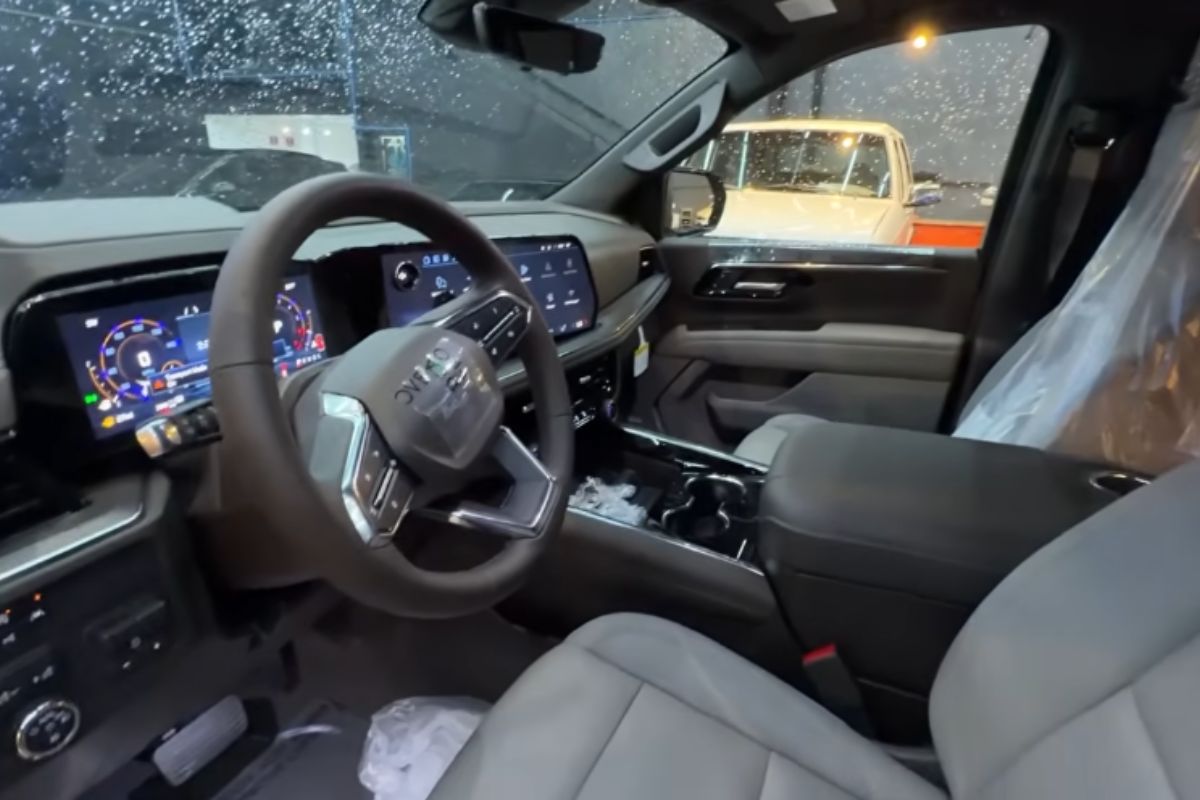
Chevrolet Suburban Z71 lands in Brazil with a V8 engine, off-road design, air suspension, seven seats, and colossal size, a rare version imported for around R$ 1.3 million with luxury and exclusivity.
-
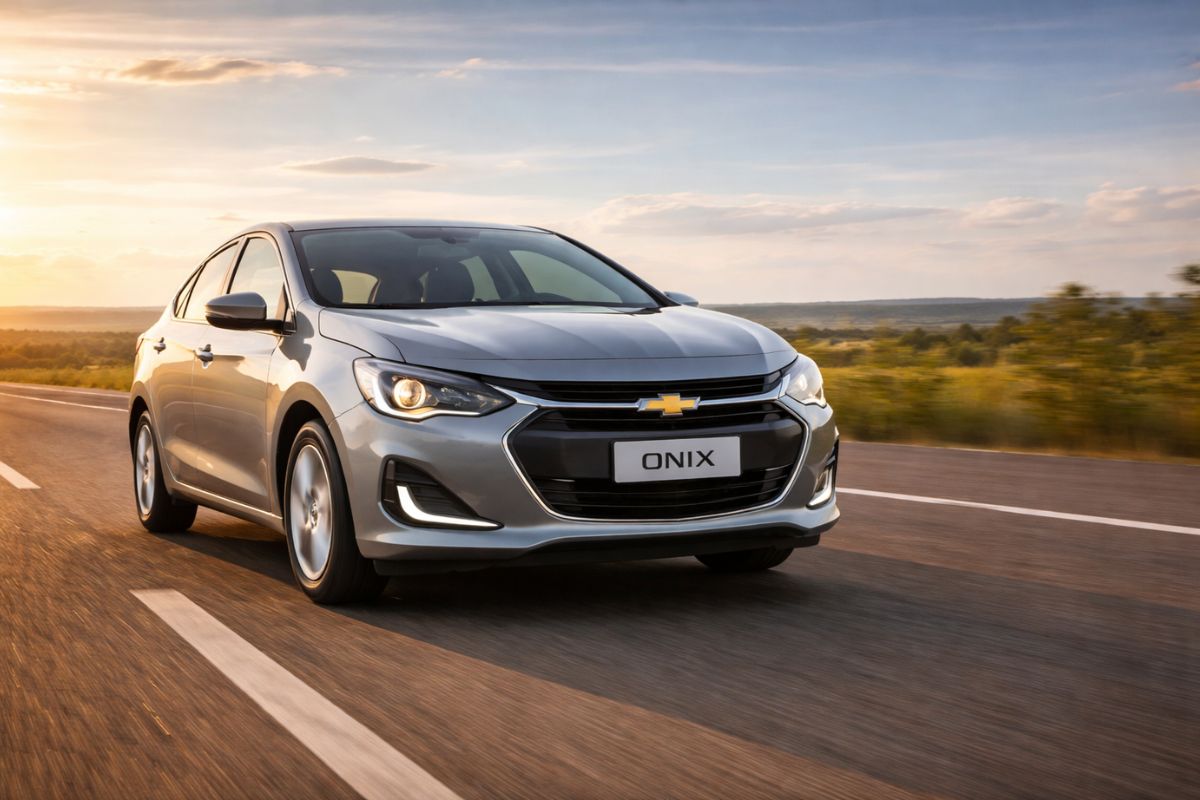
The Chevrolet Onix 1.0 turbo achieves 17.7 km per liter on the highway and ranks among the three most economical cars in Brazil in 2026, alongside two more expensive Toyota hybrids available at dealerships.
-
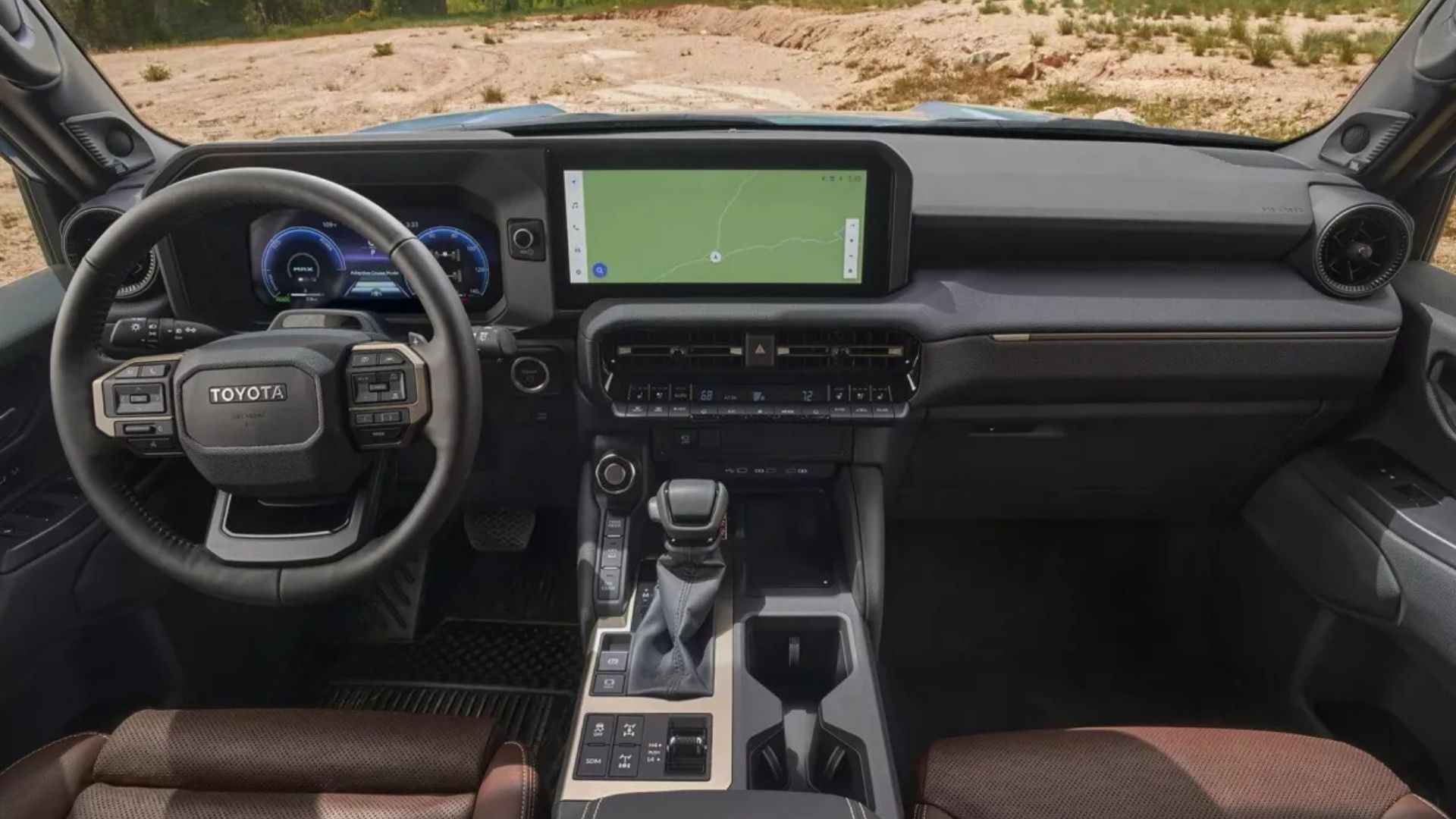
Little sister of the Hilux: Toyota launches Land Cruiser FJ with 4 radical versions, 2.7 engine with 166 hp and 4×4 traction with locking.

Moreover, system failures, such as refrigerant fluid leaks, can exacerbate pollutant emissions. Therefore, the impact goes far beyond the extra costs: there is also an environmental risk associated with improper use of the equipment.
To mitigate this scenario, Oliveira recommends simple procedures, including:
- Periodic cleaning of the evaporator
- Regular replacement of cabin filters
- Checking for possible leaks
- Proper reuse of refrigerant fluid
With these practices, it is possible to extend the lifespan of the system, save fuel and reduce emissions.
Febrava 2025 Will Dedicate Exclusive Space to Automotive Air Conditioning
The importance of the topic is such that Febrava 2025, the largest HVAC-R fair in Latin America, scheduled between September 9 and 12, 2025 at São Paulo Expo, will for the first time have a space entirely dedicated to automotive air conditioning.
The initiative, called Automotive Air Conditioning Island, will bring together manufacturers, distributors, workshops, and industry specialists. As highlighted by Tatiana Rassini, the fair manager, “the goal is to create a collaborative environment to encourage the exchange of experiences and promote the adoption of innovative solutions.”
At the event, the public will be able to attend lectures, discussion panels, and workshops focusing on best usage practices and new technologies. There will also be exhibitions of light and heavy vehicles equipped with state-of-the-art climate control systems.
Historic Fair Expected to Attract Thousands of Visitors and Companies
Febrava 2025 promises to be historic. More than 600 exhibiting brands and approximately 28,000 visitors are expected. Additionally, two new pavilions will be dedicated to complementary sectors: Water Treatment Expo (WTE) and Smart Heat Expo.
With the motto “In the Climate of Innovation”, the event will emphasize the importance of current issues such as energy efficiency, decarbonization, and ESG practices. The expectation is that this edition will become a milestone in the industry, bringing together innovation, sustainability, and the automotive market.
What Drivers Should Consider in Their Daily Lives
For those driving, the message is clear: using air conditioning efficiently does not mean sacrificing comfort. On the contrary, it involves adopting simple preventive habits, such as periodic maintenance, which ensures savings and helps preserve the system.
Thus, air conditioning can be both an ally of well-being and an enemy of the pocketbook and the environment, depending on how it is used.
In the end, it is up to the driver to decide: to use it consciously, reducing costs and emissions, or to continue on a path of waste and environmental impact.
And you, have you stopped to reflect on whether the way you use your car’s air conditioning is helping to save fuel and contribute to sustainability?









Seja o primeiro a reagir!