





 English
  Francês
  Alemão
  Italiano
  Japonês
  Norueguês
  Portuguese
  Spanish
  3 min of reading



Without Actually Knowing Whether Russia Intends to Invade Ukraine, NATO Prepares to Assist US and Russian Diplomats in Finding Solutions to Avoid a Possible Conflict That Could Impact the Global Oil and Gas Industry
The clashes between Russia and Ukraine have strong but unpredictable consequences. The fact is that when these clashes occur, the oil and gas industry is often hit hard, causing immense global concern. American and Russian diplomats traveled to Geneva, Switzerland, to try to find solutions that could prevent a new conflict between the two countries. US Deputy Secretary of State Wendy Sherman and Russian Deputy Foreign Minister Sergey Ryabkov are part of the talks to seek conflict-avoidance solutions. In Brussels, the capital of Belgium, a debate between Russia and the North Atlantic Treaty Organization (NATO) will take place this Wednesday (12), and the following day, Thursday (13), a conference will be held in Vienna, Austria, involving the United States, Russia, and other European countries.
Read Other Related News
Accusations
Ukraine has accused Russia of currently having about 100,000 soldiers on the border of the two countries, which in the view of Ukrainian authorities serves as a warning for a possible large-scale invasion of the country.
-
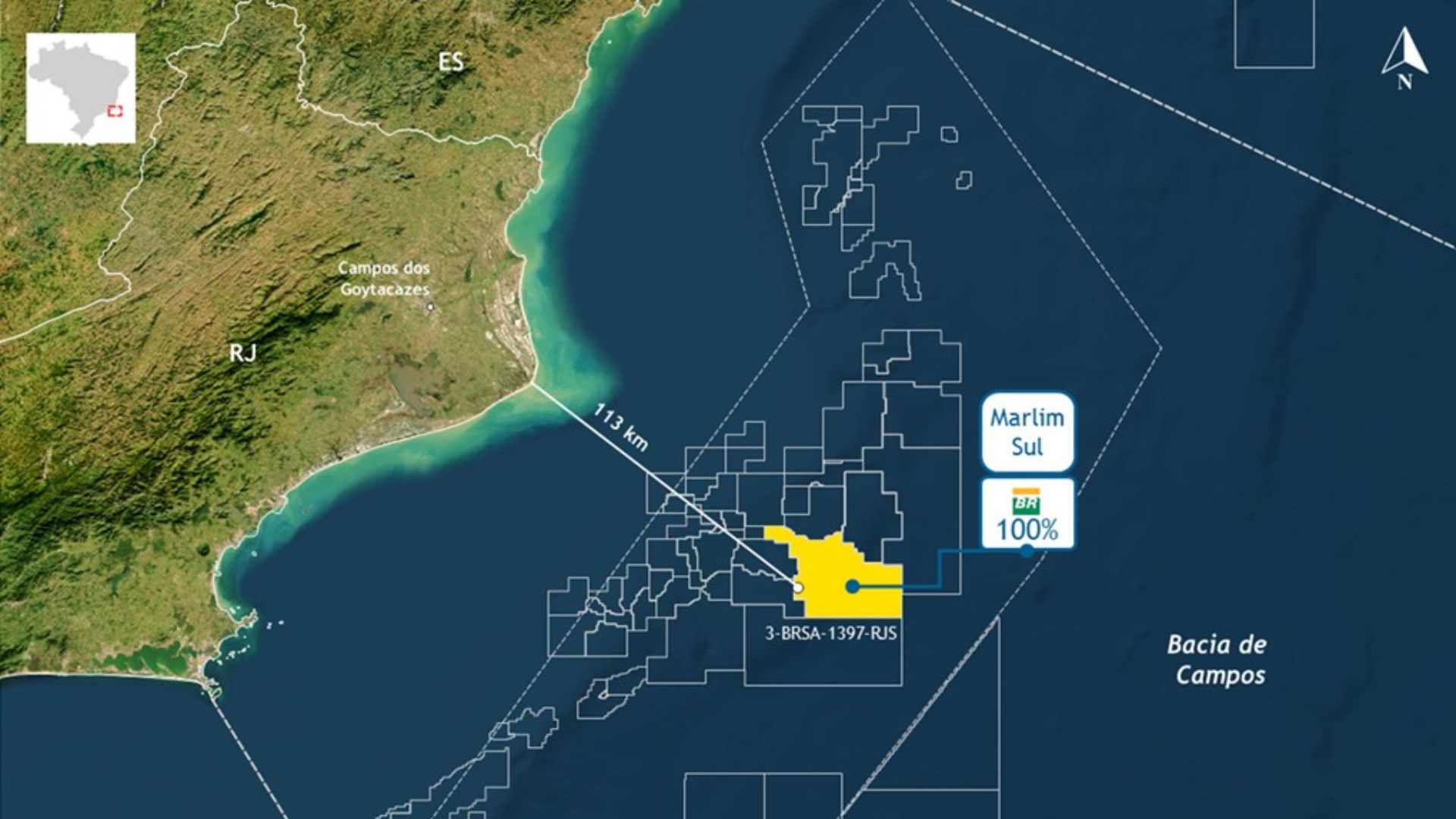
Petrobras finds high-quality oil in the pre-salt at 113 km from RJ and reignites expectations about strategic reserves in the Campos Basin.

-
Ocyan opens registrations for startups focused on innovation in the oil and gas sector and will select projects for Innovation Day with the support of Nexio.

-
Petrobras announces new oil discovery in the pre-salt of the Campos Basin and reinforces Brazil’s prominence with high-quality reserves that can increase production and energy revenues.
-
Alert in the fuel market: Analysts and a former director of ANP warn that oil prices may worsen in the coming months due to global instability.
In response, Russian authorities stated that having numerous soldiers on the border is simply to ensure the country’s security. Moreover, Russia has also made numerous demands, including to NATO itself. The Kremlin demanded that the Western military alliance withdraw from Ukraine immediately.
Risks to Both Countries
According to a warning issued by Jens Stoltenberg, NATO Secretary General, last Friday (7), the presence of over 100,000 Russian soldiers on the border with Ukraine represents a real risk of conflict, and NATO must be well-prepared in case all efforts by American and Russian diplomats to develop solutions to avoid an armed confrontation fail.
This past Monday (10), Jens Stoltenberg issued a warning to Russia, stating that an attack on Ukraine would result in a high economic and political cost, particularly in the oil and gas sector.
In Defense of Ukraine
The NATO Secretary General also advocated sending a clear letter to Russia stating that the organization is supporting Ukraine in its right to self-defense. Furthermore, NATO emphasizes that the organization will respond forcefully if Russia decides that an invasion will occur.
Since Russia invaded Ukraine and annexed the Crimean Peninsula in 2014 as a response to the ousting of pro-Russian President Viktor Yanukovich, which led to a war that left over 13,000 dead in the end, Ukraine has been trying to deal with ongoing armed confrontations internally against pro-Russian separatists in regions that are part of the eastern border.
Brazil Raises About 2 Billion Dollars in Pre-Salt Oil and Gas Auction
The consortium formed by Total, Malaysia’s Petronas, Qatar’s QP, and Petrobras, received the Sépia block, while the consortium formed by Petrobras, Shell, and Total obtained the Atapu block.
Sépia and Atapu, located in the Santos basin, off the coasts of the states of São Paulo and Rio de Janeiro, already have proven reserves in pre-sale, in the coveted exploration horizon that Brazil discovered in very deep waters of the Atlantic Ocean beneath a two-kilometer-thick layer of salt.
According to the proposal rules, the criterion for awarding the blocks was granted to the highest bid for exploration rights of the excess volumes, which was set at a minimum of 5.89% of the surplus from the Atapu field and 15.02% from the Sépia field. For Sépia, the winning group offered 37.43% of its total production to the state, while the winning consortium for Atapu proposed 31.68%, along with a fixed amount for operating licenses.








Seja o primeiro a reagir!