





 Portuguese
  English
  Spanish
  5 min of reading
  0 comments



After Voting on December 4, 2025, Congress Makes Toxicological Exam Immediate for First CNH, Expands Toxicological Exam in CNH Renewal in Categories C, D and E and Repositions Social CNH at the Center of National Traffic Rules for Professional Drivers, Driving Schools and Transport Companies
In a joint session held on Thursday, December 4, 2025, the National Congress overturned the presidential veto and reestablished the requirement for a toxicological exam for obtaining the first National Driver’s License in categories A and B, intended for motorcycles and passenger cars. The decision directly impacts new drivers and redesigns the licensing process throughout the country soon after the law is published in the Official Gazette.
At the same time, lawmakers confirmed that the toxicological exam remains mandatory for the renewal and obtaining of CNHs in categories C, D and E, targeted at cargo and passenger transport, reinforcing an additional layer of control over professional drivers. With the veto overturned, the rule takes effect immediately, without a transition period, demanding increased attention from drivers, transport companies and driver training centers.
What Changes in the First CNH for Motorcycle and Car with the Toxicological Exam
Until the veto was overturned, the toxicological exam was already a consolidated requirement for categories C, D and E, but not for the first license in classes A and B.
-
The Senate approves a bill that criminalizes misogyny, hatred, or aversion towards women, and includes the crime in the Racism Law with a penalty of up to 5 years.

-
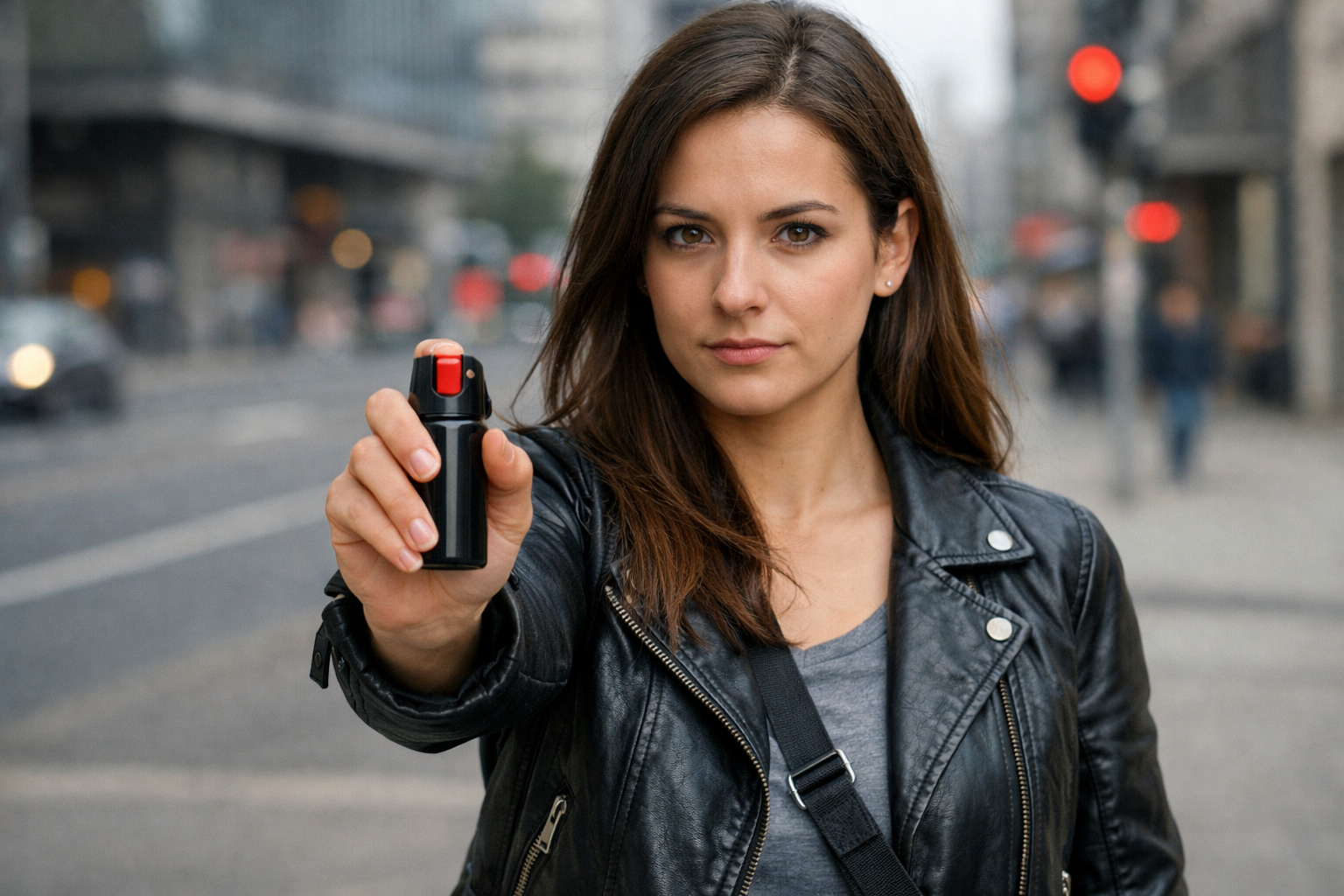
Chamber Approves Bill That Allows Pepper Spray for Women Over 16 and Imposes Strict Rules for Purchase, Possession, and Use as Self-Defense
-
Chamber Approves Law to Combat Leucaena, Fast-Growing Plant That Dominates Land and Threatens Native Species in Various Regions of the Country

-
Asset Division: Know What Cannot Be Divided in Case of Divorce

With Congress’s decision, anyone who applies for the first CNH for motorcycle or car will have to present a valid toxicological exam, following the technical criteria and deadlines that will be detailed in complementary regulation.
In practice, this means that the traditional process for obtaining the first CNH, which already includes medical and psychological exams, theoretical classes, practical lessons, and a driving test, will now also incorporate the toxicological exam as a mandatory step.
Without the toxicological exam, the candidate will not be able to complete the licensing process, reinforcing control over the use of substances that may compromise traffic safety.
Toxicological Exam Remains Mandatory in Categories C, D and E
The toxicological exam was already required for drivers in categories C, D and E, especially involving drivers of heavy vehicles, cargo transport, and passenger collective transport.
The veto’s overturn not only maintains this scenario but reaffirms it within the legal text approved by Congress.
As a result, every driver seeking to obtain or renew CNH in categories C, D or E will be required to undergo the toxicological exam at defined intervals, according to the regulations that accompany the Brazilian Traffic Code.
The declared intention of the supporters of the measure is to reduce the risk of accidents involving drivers under the influence of illicit substances or those incompatible with safe driving on long journeys.
Immediate Effect After Publication and Impact Nationwide
A sensitive point of the vote was the decision to require that the new rule take effect immediately after the publication of the law in the Official Gazette, without an additional period for adaptation.
Deputies and senators overturned not only the veto on the toxicological exam for the first CNH but also the veto that removed the immediate effect.
This means that as soon as the text is officially published, state traffic agencies, driving schools, and drivers will have to comply with the new requirement for a toxicological exam without a grace period, both for those starting the licensing process in categories A and B and for those seeking to obtain or renew CNH in categories C, D and E.
The effect is national, reaching all traffic departments and training centers in operation.
Context of Presidential Veto and Arguments About Cost and Safety
The requirement for a toxicological exam had previously been approved by Congress as part of a broader project that also addressed the creation of the so-called Social CNH.
By vetoing this portion in June, the government argued that the mandatory toxicological exam for the first license would increase costs for society and could encourage some drivers to opt to drive without a license, compromising road safety.
However, lawmakers understood that the potential gain in enforcement and accident prevention justified maintaining the toxicological exam as an additional filter, especially in a scenario of fleet growth and increased transport through apps, motorcycles, and freight vehicles.
By overturning the veto, Congress embraced the understanding that the toxicological exam is an important piece in traffic safety policy, despite concerns about the cost to the citizen.
Relationship with the Social CNH and Next Steps in Applying the Law
The discussion about the toxicological exam occurred within a legislative package that also addressed the Social CNH, a program aimed at enabling low-income individuals to access licensing with public support.
By reinstating the requirement for the toxicological exam, Congress creates an additional point of attention: how to reconcile the technical requirement with the promise of increasing access to the first CNH through social policies.
The next steps involve detailed regulation by traffic agencies, the definition of deadlines, accredited laboratories, validity criteria, and ways to communicate with drivers and candidates about the new routine.
Until these details are clarified, experts recommend that those intending to obtain or renew their CNH closely follow the guidelines from state Detrans and driving schools, already considering the toxicological exam as a fixed part of the process.
In light of the reinstatement of the requirement and immediate effect, do you think the toxicological exam enhances traffic safety or ends up being too much of a burden for those needing to obtain or renew their CNH in Brazil?










Seja o primeiro a reagir!