





 Portuguese
  English
  Spanish
 3 min of reading
  2 comments




Brazil Celebrates A New Era Of Natural Gas At The Açu Port In São João Da Barra, Rio De Janeiro! A New Direction For Brazilian Energy!
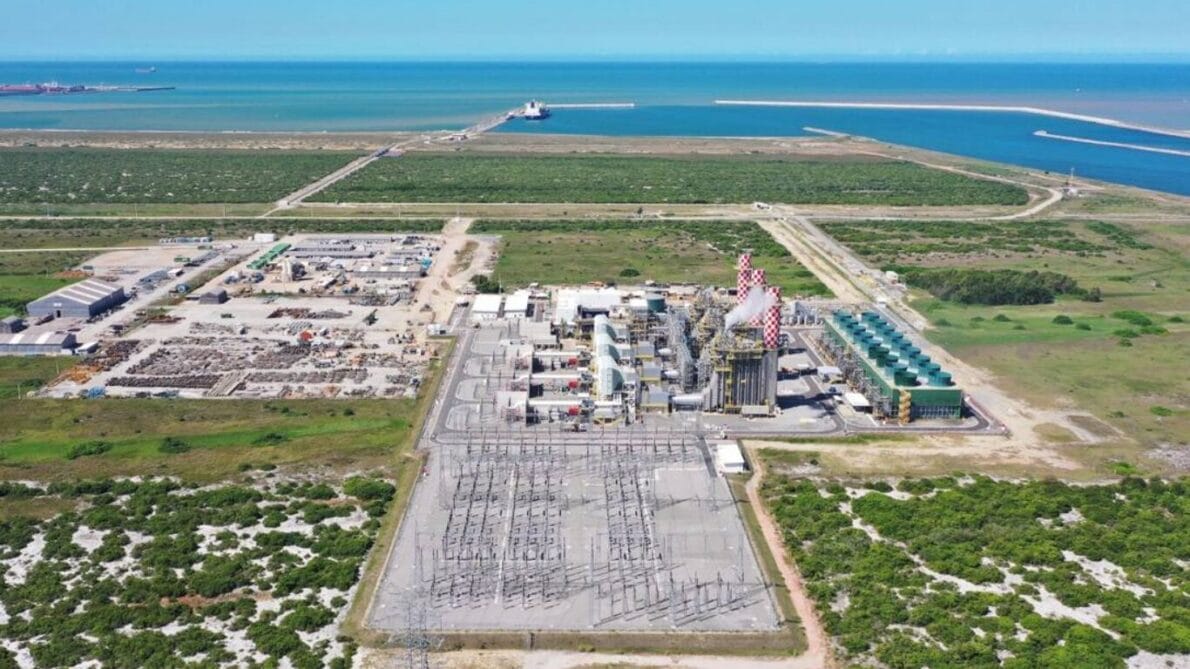
Brazil has taken a giant step in the energy scenario of Latin America with the completion of the largest project of natural gas in the region. Located at the Açu Port in São João Da Barra, in the state of Rio De Janeiro, this impressive infrastructure promises to transform the country’s energy matrix. The joint venture formed by Prumo Logística, bp, Siemens Energy, and Spic Brasil is the driving force behind this grand project known as Natural Gas Açu (GNA), according to constructiontime.
State-Of-The-Art Thermal Power Plants
The project includes two gas-fired thermal power plants, GNA 1 and GNA 2, which together have a capacity of 3 GW. These plants are designed to provide enough power for 14 million homes, equivalent to the combined residential consumption of the states of Rio De Janeiro, Minas Gerais, and Espírito Santo. In January 2021, GNA 1 received its first LNG shipment, an operation that took about five days to complete.
LNG Regasification Terminal
In addition to the plants, the project features an LNG regasification terminal with the capacity to process up to 21 million cubic meters of natural gas per day. This terminal is vital for ensuring a continuous gas supply, especially during times of water crises, such as the one Brazil is currently facing. The arrival of the BW Magna ship, coming from South Korea, capable of storing and regasifying up to 20 million cubic meters of gas per day, marks an important milestone for the infrastructure at Açu Port.
-
Brazilian giant expands borders in the Southeast: Petrobras confirms new oil discovery in ultra-deep waters in the pre-salt of the Campos Basin.

-
Alert in the global energy market: Severe tropical cyclone hits the coast and disrupts gas production at major plants in Australia, threatening global supply.

-
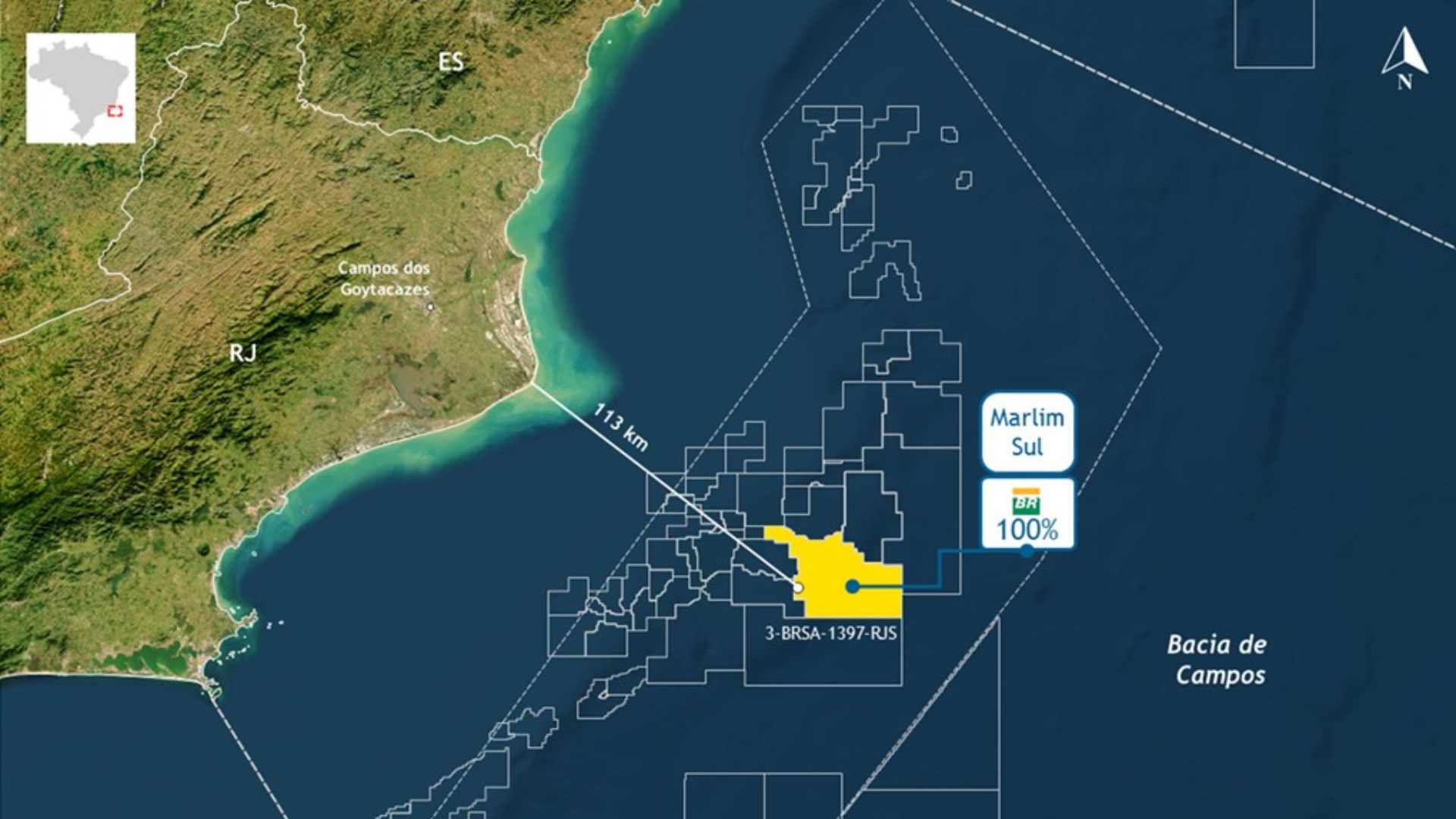
Petrobras finds high-quality oil in the pre-salt at 113 km from RJ and reignites expectations about strategic reserves in the Campos Basin.

-
Ocyan opens registrations for startups focused on innovation in the oil and gas sector and will select projects for Innovation Day with the support of Nexio.

Local Impacts And Sustainability
However, not everything is perfect. Family farmers have expressed concerns about the impacts of the natural gas project, such as the passage of transmission lines through their lands. Nevertheless, this is a sensitive point that needs to be carefully managed to ensure that energy development does not harm local agriculture and environmental sustainability.
Cutting-Edge Technology In Natural Gas Works
One of the technological highlights of the project is the most efficient gas turbine of its kind, which came directly from the port of Antwerp, Belgium. This turbine not only enhances the efficiency of the plants but also contributes to the reduction of carbon emissions, aligning with sustainability goals.
However, the construction of this robust infrastructure reflects the Brazilian government’s strategy to diversify and strengthen its energy matrix. This ensures security in electric supply and boosts regional economic development. Therefore, the largest natural gas project in Latin America at Açu Port is not only an engineering feat but also a significant milestone in Brazil’s energy advancement.






O custo da energia das termoelétricas ainda é proibitivo no Brasil, sem falar do rendimento destas plantas que não chega a 50%
Matéria super superficial