





 Portuguese
  English
  Spanish
  4 min of reading
  0 comments


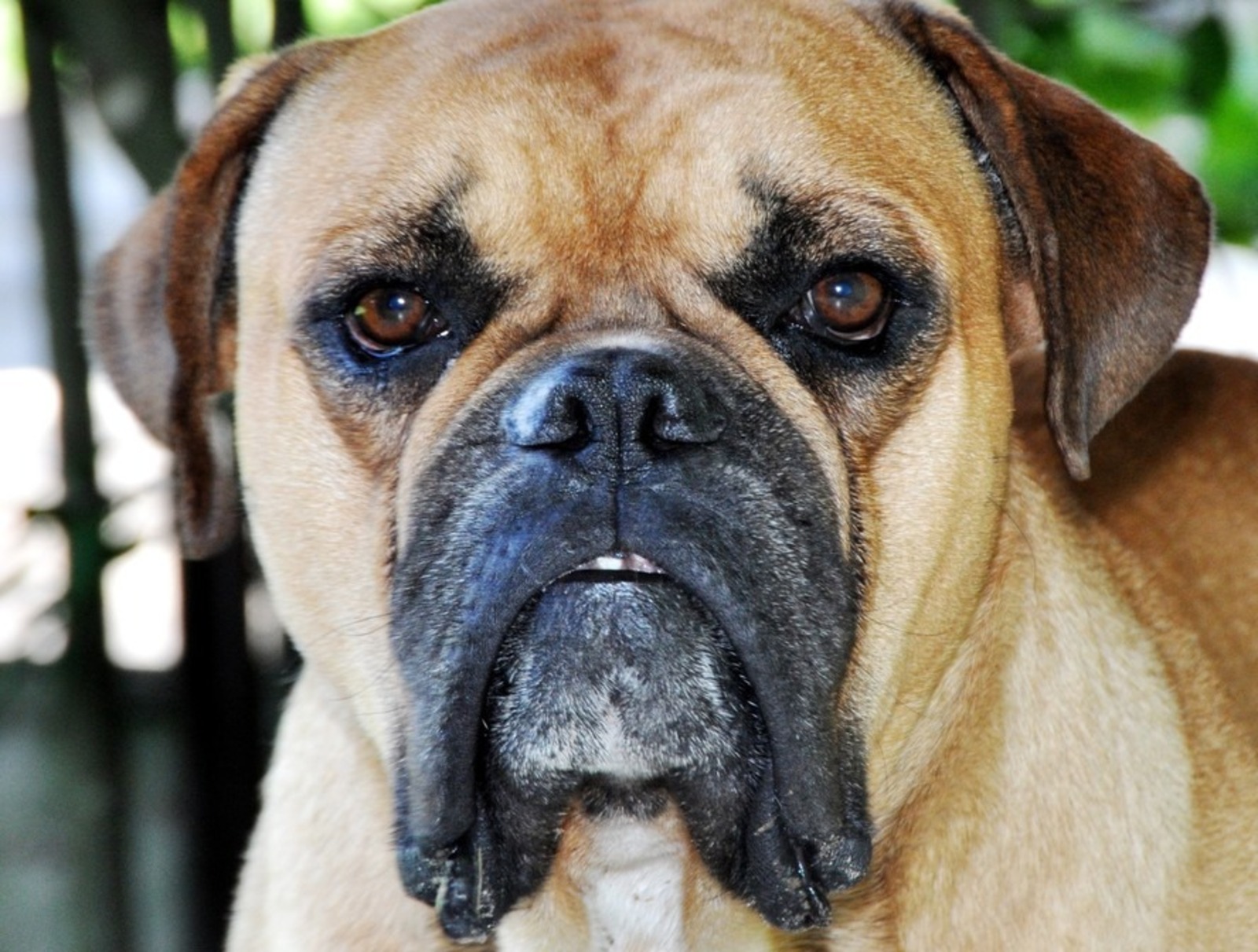
Created by Gaucho Farmers to Handle Cattle, the Campeiro Bulldog Gained Provisional Recognition from FCI and May Become the Fourth Brazilian Breed Officially Recognized in the World
Not only mixed-breed dogs inhabit the national canine love. While the “caramelos” garnered worldwide attention with the success of a Brazilian film on Netflix, purebred dogs are also starting to shine. Brazil is close to having another breed officially recognized abroad: the campeiro bulldog.
The first step was taken in 2024, when the breed received provisional recognition from the FCI (Fédération Cynologique Internationale), the entity that regulates and promotes breed standards worldwide.
If everything goes well, the campeiro bulldog will join the fila brasileiro, the Brazilian terrier (or fox paulistinha), and the Brazilian tracker as the officially recognized national breeds.
-
Friends have been building a small “town” for 30 years to grow old together, with compact houses, a common area, nature surrounding it, and a collective life project designed for friendship, coexistence, and simplicity.

-
This small town in Germany created its own currency 24 years ago, today it circulates millions per year, is accepted in over 300 stores, and the German government allowed all of this to happen under one condition.

-
Curitiba is shrinking and is expected to lose 97,000 residents by 2050, while inland cities in Paraná such as Sarandi, Araucária, and Toledo are experiencing accelerated growth that is changing the entire state’s map.

-
Tourists were poisoned on Everest in a million-dollar fraud scheme involving helicopters that diverted over $19 million and shocked international authorities.


Gaucho Root and Working Spirit
The name already reveals part of the history. The campeiro bulldog descends from English bulldogs brought by European immigrants to the south of Brazil.
Farmers in the region adapted the breed to local needs through crossbreeding. They wanted a strong, agile, and resilient dog capable of handling cattle in forested areas and muddy terrains.
These dogs also worked in old slaughterhouses, where they counted cattle. The official description by CBKC (Confederação Brasileira de Cinofilia) summarizes the ideal well: a powerful animal with a wide head, strong jaw, and a muzzle sturdy enough to hold a bull.
In the 1960s, the breed spread throughout the Midwest, following the gauchos who migrated to Mato Grosso do Sul.
However, over time, new breeds and sanitary regulations in slaughterhouses reduced the use of the campeiro bulldog.
Rescue and Recognition
Thanks to the efforts of breeders from Rio Grande do Sul, the dog was rescued and standardized. The CBKC then began to protect and promote the breed, allowing for the official registration of specimens and the start of the international recognition process.
By 2023, there were already 13,000 registered breed dogs, mostly in the south of Brazil and neighboring countries like Uruguay and Argentina. Specimens also began to be exported to other continents.
Ricardo Torre-Simões, technical director of the CBKC, explains that the main characteristic of the campeiro bulldog is its ruggedness. “It is a dog that endures work in the field and can stay for long periods without direct supervision,” he states.
According to him, the temperament is balanced: loyal, protective, and affectionate. “Even without cattle, it adapts well to life at home, gets along well with children, and protects the family.”
Strength, Proportion, and Elegance
The physical standard is detailed. The campeiro bulldog is medium-sized, with short hair, a compact and muscular body. Females tend to be a bit longer than males.
The head should be broad and powerful, but without excessive wrinkles. The ideal muzzle measures from one-third to one-fourth the length of the head. Oval eyes, dark nails, and varied coat complete the description.
These specifications may seem like minutiae, but they are fundamental to ensuring uniformity among specimens and preserving the breed’s original characteristics.
How an Official Breed Is Born
The FCI brings together confederations from 101 countries, known as “kennel clubs.” Each of them can propose the recognition of national breeds. When the proposal is accepted, the breed receives provisional status, like the campeiro bulldog.
For ten years, the federation monitors crossbreeding, genealogies, and DNA analyses. The goal is to confirm genetic stability and population diversity.
If the standard remains solid, the recognition becomes definitive. Otherwise, the process is extended until the desired consistency is achieved.
Standards That Influence the Pet Market
The standards that define breeds do not only affect breeders and exhibitors. They also shape the popular imagination of what a “beautiful dog” or “well-proportioned” dog is.
Expressions like “noble stature” and “flat and cute muzzle” arose from these criteria. Just like in fashion, where runway shows influence what arrives at the stores, breed standards guide trends in behavior and consumption in the pet world.
Biologist Donna Haraway notes that the emergence and popularization of breeds reflect human tastes and values. For her, selective breeding of dogs follows a logic similar to fashion, with cycles of popularity and transformation.
Tradition and Adaptation of the Breed
The campeiro bulldog exemplifies this balance between tradition and adaptation. Created for herding, it still serves that function on some farms in the south of the country.
But it is also a companion dog in large cities. “Even far from the field, it learns quickly what to do, because it carries in its DNA the instinct to work in a group,” says Torre-Simões.
The international recognition, therefore, is more than a technical seal. It represents the recovery of a history that blends rural culture, European heritage, and the Brazilian talent for transforming challenges into identity.
Thus, the campeiro bulldog moves forward to consolidate its place among the official breeds of the world, taking with it a piece of the gaucho countryside and the hardworking spirit that created it.
With information from Revista Galileu.









-

-

4 pessoas reagiram a isso.