





 Português
  Inglês
  Espanhol
  4 min de leitura
  0 comentários


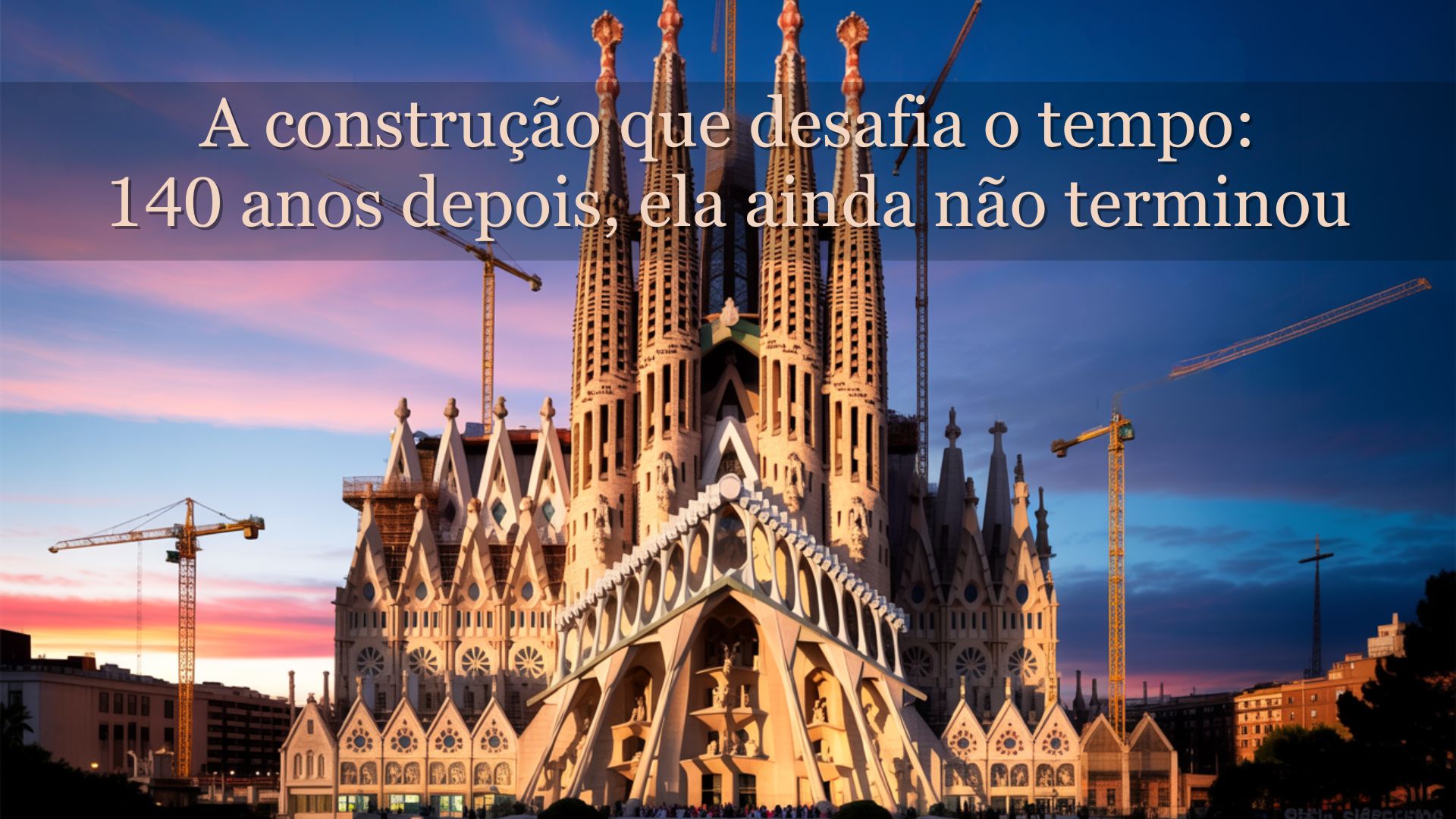
The Sagrada Família in Barcelona Is the Most Protracted Temple of Modern Engineering. After More Than 140 Years of Construction, the Historic Completion Is Expected in 2026.
In the city of Barcelona, Spain, the Catholic temple considered the most protracted in modern civil engineering is being built. This is the Sagrada Família, one of the most emblematic constructions in the world, whose work began in 1882 and continues to this day—over 140 years after the laying of the foundation stone. The latest forecast indicates that the slowest construction in the world is expected to be completed only in 2026.
The delay, however, is not the result of neglect. On the contrary, construction has never been officially interrupted for long periods, although it has faced moments of slow progress, lack of resources, and even loss of its original plans. Throughout its existence, the temple has been built based on donations, visitor tickets, and spontaneous contributions, which directly influenced the construction pace.
One of the Largest Religious Works in Europe
Designed to be a temple of expiation—or built from voluntary offerings—the Sagrada Família features monumental dimensions and unique characteristics. Its architecture mixes neo-Gothic elements with a very distinctive modernist style developed by the Catalan architect Antoni Gaudí, who took over the project in 1883, a year after its inception.
-
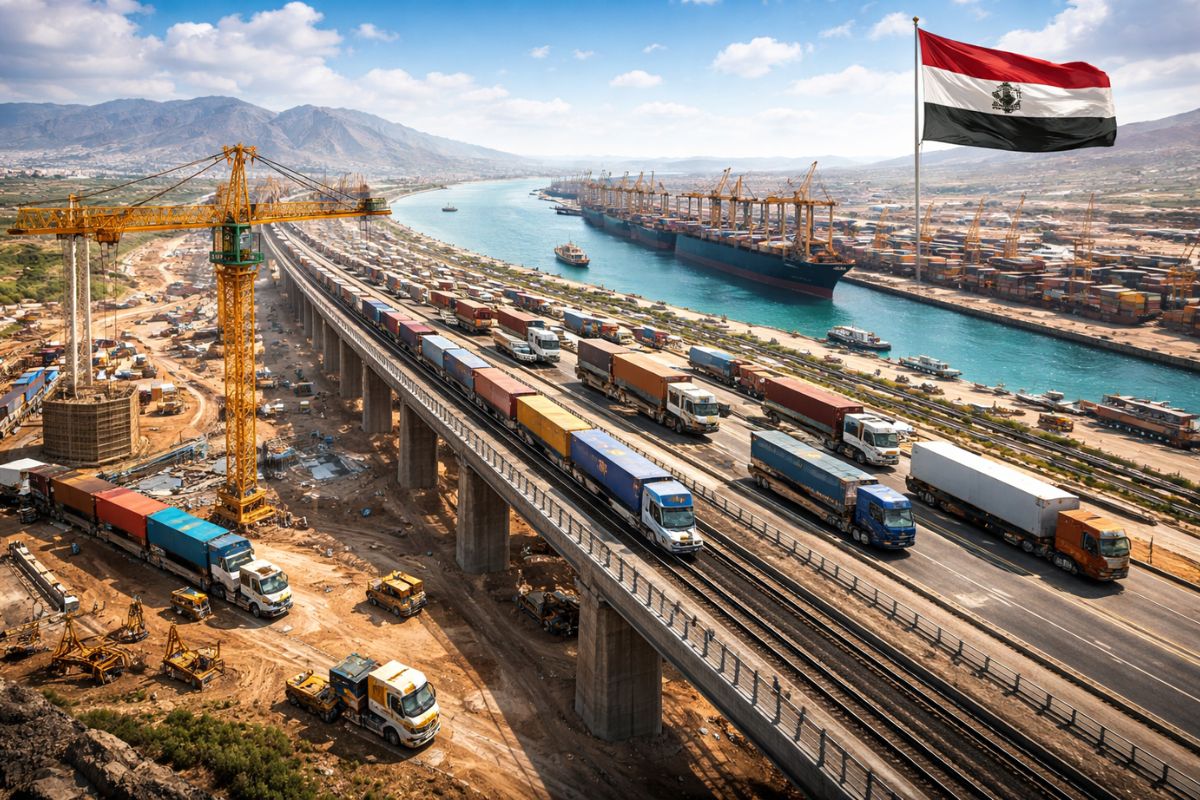
A megaproject worth R$ 89 billion is advancing in Iraq and promises to change the game in global trade by creating a new corridor between Asia and Europe, reducing traditional routes and repositioning the country as a logistics powerhouse.
-
Goodbye bedside table: floating shelves become a trend in 2026 by freeing up space in the bedroom, improving circulation, bringing visual lightness, and integrating technology without taking up floor space.

-
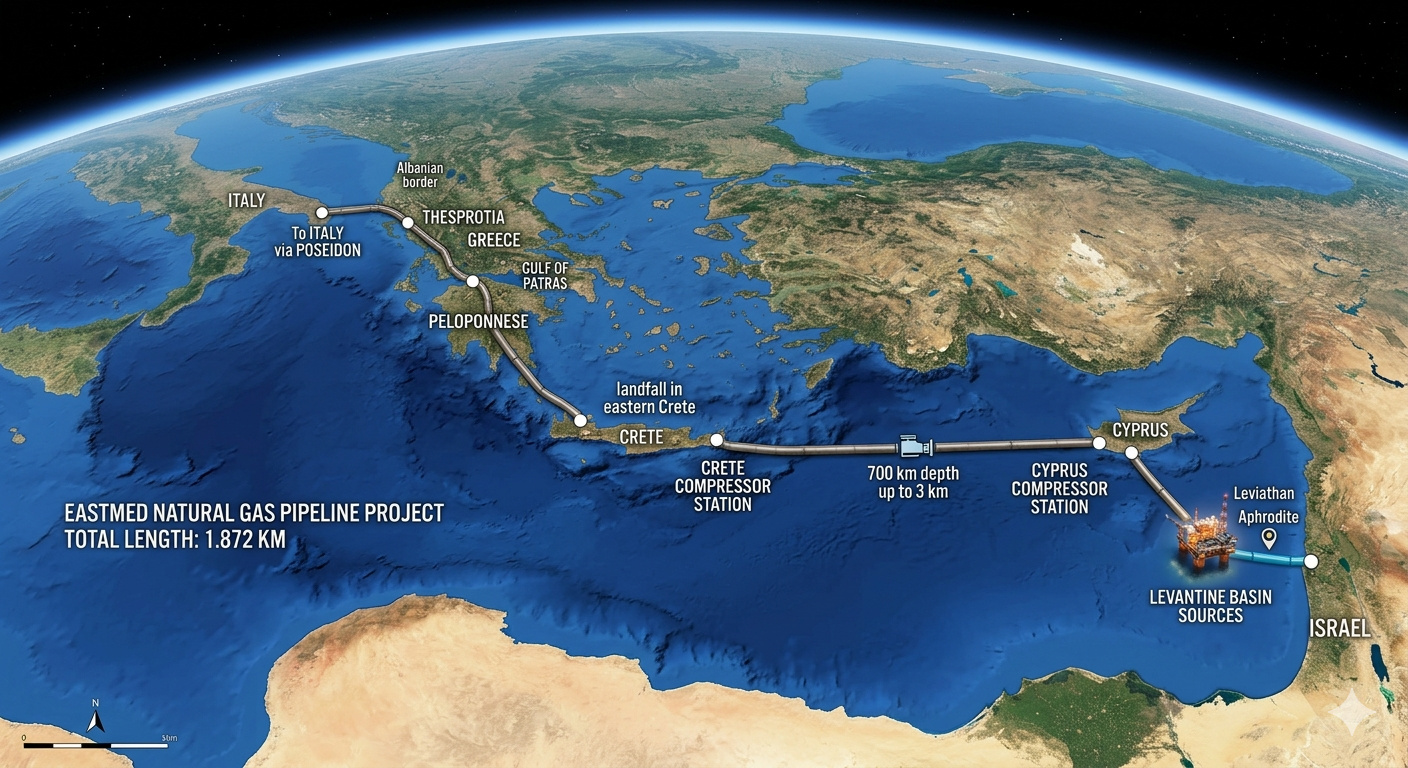
Israel, Greece, and Cyprus signed an agreement in 2020 to transport gas from the Mediterranean to Europe via a 1,872 km pipeline, but Turkey claimed sovereignty over part of the maritime route, and the project never materialized.
-
Israel, Greece, and Cyprus signed an agreement in 2020 to transport gas from the Mediterranean to Europe via a 1,872 km pipeline, but Turkey claimed sovereignty over part of the maritime route, and the project never materialized.
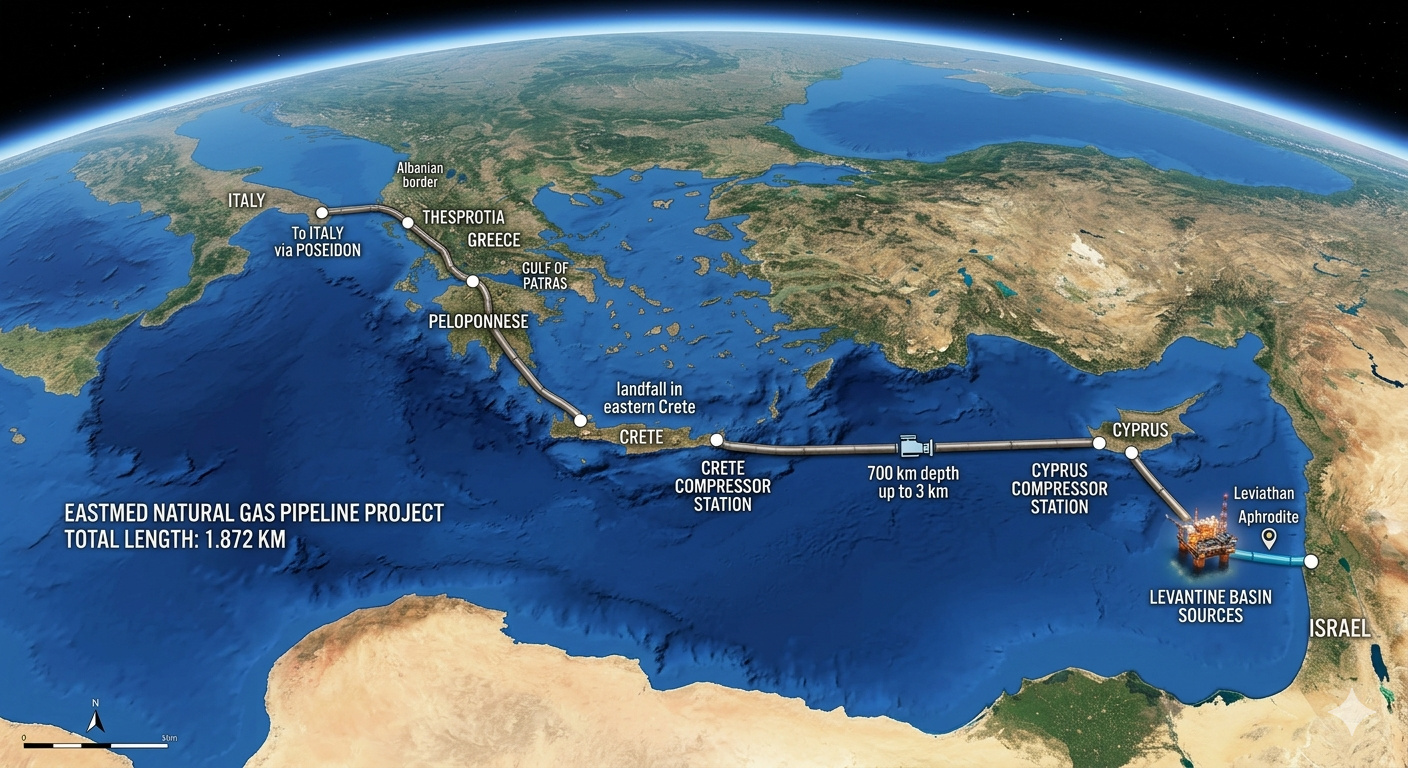

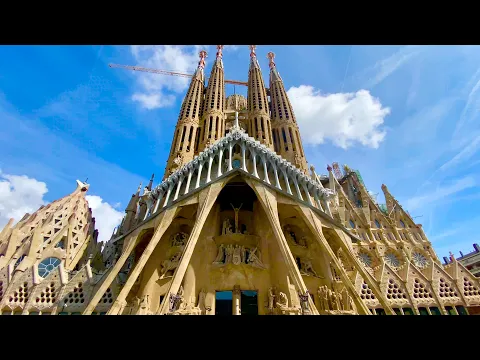

With 18 planned towers, 12 of which represent the apostles, four the evangelists, one the Virgin Mary, and one dedicated to Jesus Christ, the temple is now one of Spain’s main tourist attractions, receiving around 5 million visitors per year.
The central tower, dedicated to Christ, will stand 172.5 meters tall when completed, making the Sagrada Família the tallest religious building in Europe. Besides its height, the temple is known for its extremely detailed facades, with sculptures narrating biblical passages and complex theological concepts carved into stone.
War, Pandemic, and Resource Scarcity Delayed Construction
Part of the reason why the world’s slowest construction took so long is related to the many obstacles faced over the years. During the Spanish Civil War in the 1930s, parts of the construction were destroyed by fires and attacks, including models and original plans left by Gaudí, who had died in 1926.
With the loss of part of the documentation, later architects had to reinterpret the project’s outlines from incomplete studies and drawings. Added to this was the financial resource scarcity, as the funding model for the temple relied solely on donations and did not involve state contributions.
More recently, the COVID-19 pandemic caused a new slowdown in the construction schedule, with the suspension of visits and interruptions in the construction timetable, further delaying the final project’s completion.
Gaudí Dedicated His Life to the Project
Antoni Gaudí, the architect responsible for transforming the Sagrada Família into an icon of world architecture, devoted the last 43 years of his life to the project—15 of which were full-time. He even lived in an annex at the construction site, such was his dedication.
Gaudí passed away in 1926 after being hit by a tram in Barcelona, without seeing his project completed. Today, his remains are buried in the crypt of the Sagrada Família itself. Since then, dozens of architects, engineers, and sculptors have continued the work based on the vision of the Catalan master.
Completion Expected in 2026 and Possible Additional Works Until 2034
The current forecast is that the temple will be structurally completed by 2026, the year that will mark the centenary of Gaudí’s death. However, decorative elements, sculptures, and the construction of a large main staircase, which may affect around a thousand nearby residences and businesses, are still expected to extend for a few more years, with estimates pointing to total completion around 2034.
Even unfinished, the Sagrada Família was consecrated as a Catholic temple by Pope Benedict XVI in 2010, reinforcing its religious and symbolic value for Christian culture and global historical heritage.
World Heritage and a Symbol of Human Persistence
The world’s slowest work has become an example of perseverance, faith, and intergenerational collaboration. Recognized as a World Heritage Site by UNESCO, the Sagrada Família is both an architectural monument and a testament to the patience involved in works of great complexity and spiritual value.
Its completion, awaited for decades, will be more than the finishing of a temple: it will mark the end of a journey of over 140 years, built by generations of craftsmen, architects, and faithful who kept Gaudí’s vision alive.









-

-

3 pessoas reagiram a isso.