





 Português
  Inglês
  Espanhol
  3 min de leitura
  0 comentários


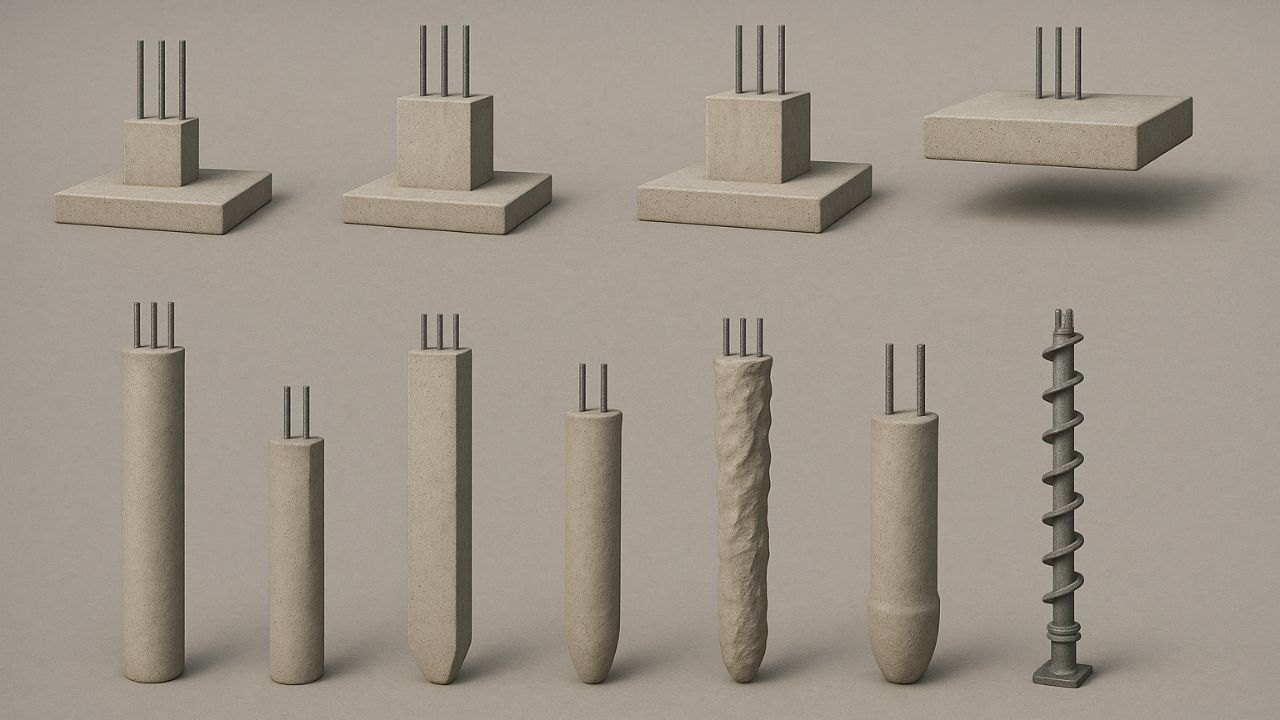
Before Raising The First Wall, The Most Critical Decision Has Already Been Made In The Basement. Understand Why The Right Foundation Is The Difference Between Success And Collapse In Civil Construction.
Foundations Are Vital Structural Elements In Any Building In Civil Construction. They Transfer The Loads From The Structure To The Ground. The Right Choice, Whether Shallow Or Deep, Directly Impacts The Stability And Cost Of The Project. Knowing The Main Types Is Essential.
Understanding Foundations In Civil Construction
In Civil Construction, The Foundation Is The Bedrock. It Ensures That The Weight Of The Building Is Supported By The Ground Safely.
What Are Foundations And Their Importance? Foundations Are Responsible For Transferring The Loads Of The Building To The Ground. They Do So Safely And Efficiently. A Well-Designed Foundation Prevents Future Problems.
-
A megaproject worth R$ 89 billion is advancing in Iraq and promises to change the game in global trade by creating a new corridor between Asia and Europe, reducing traditional routes and repositioning the country as a logistics powerhouse.

-
Goodbye bedside table: floating shelves become a trend in 2026 by freeing up space in the bedroom, improving circulation, bringing visual lightness, and integrating technology without taking up floor space.

-
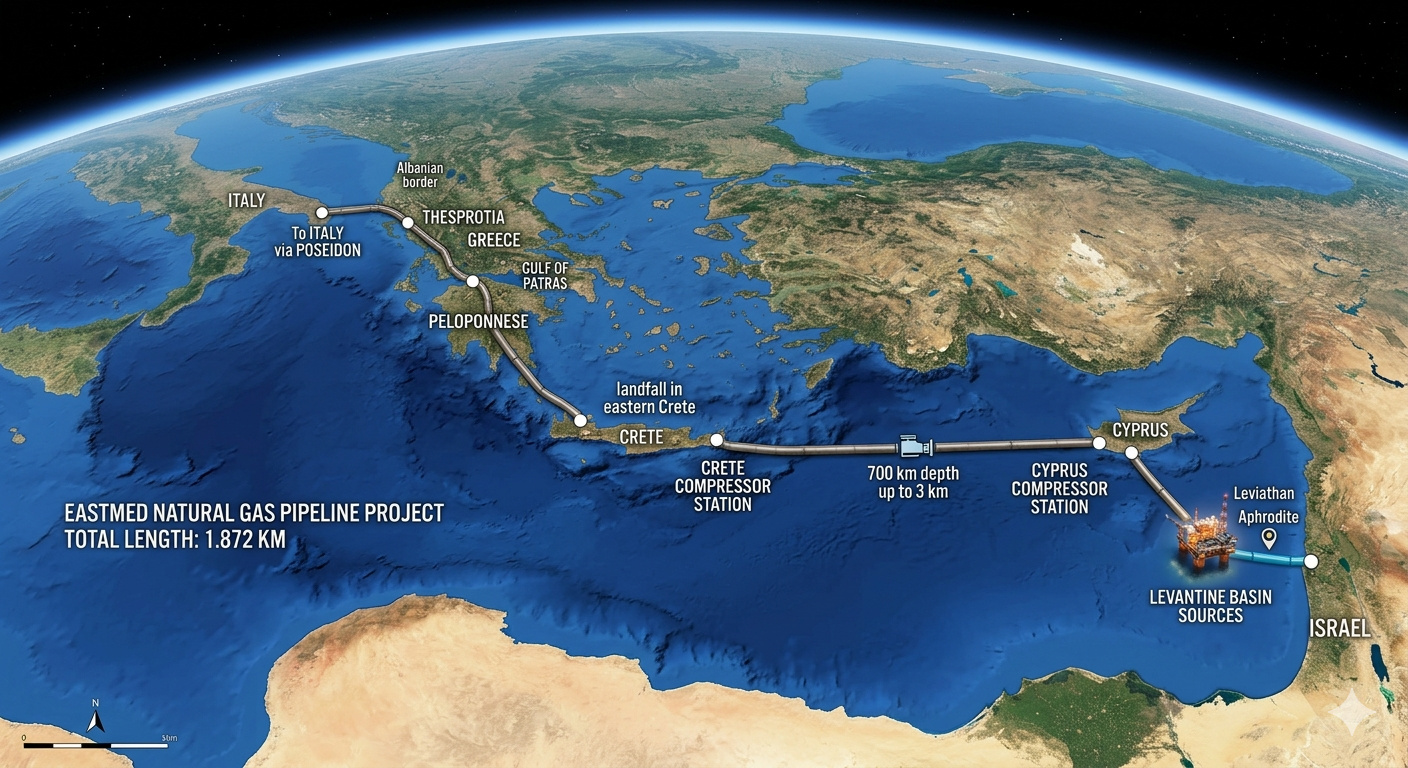
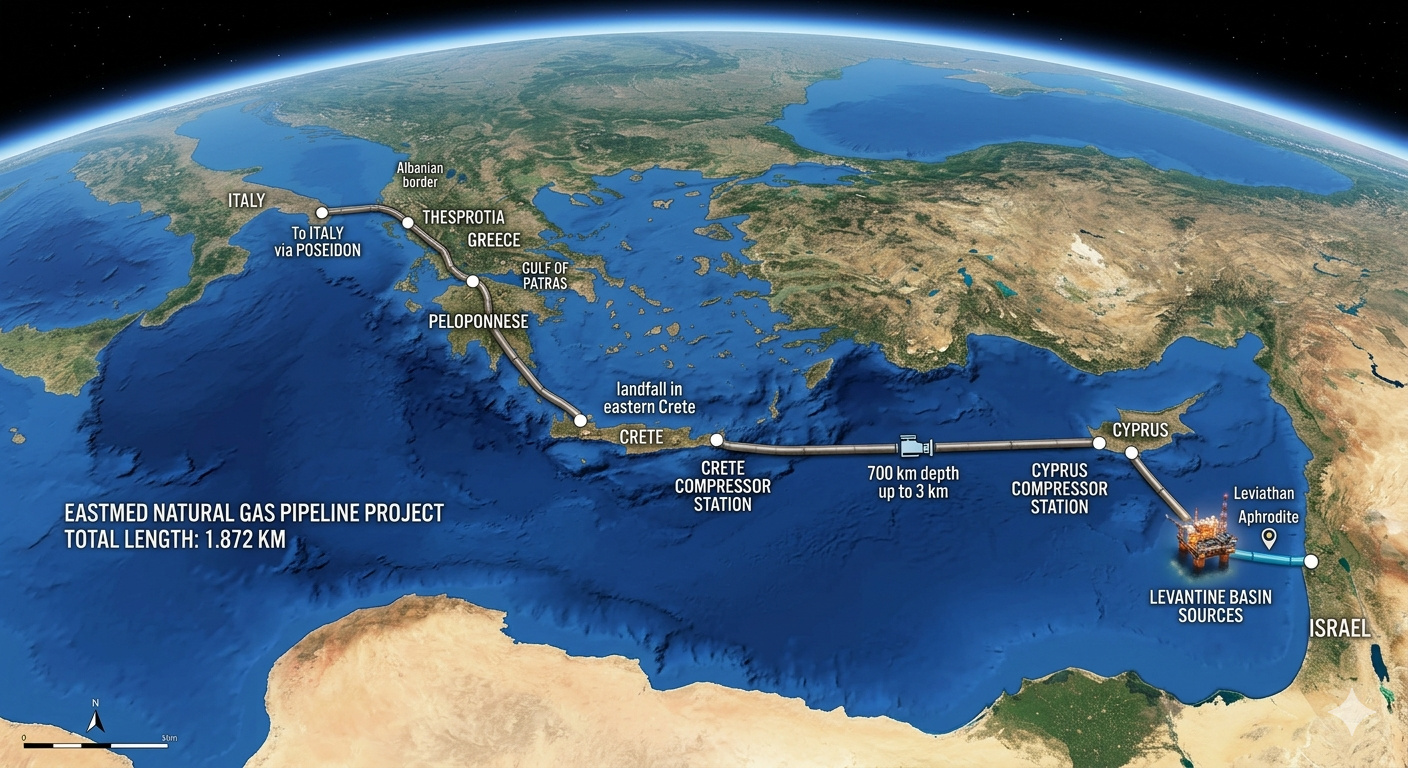
Israel, Greece, and Cyprus signed an agreement in 2020 to transport gas from the Mediterranean to Europe via a 1,872 km pipeline, but Turkey claimed sovereignty over part of the maritime route, and the project never materialized.
-
Israel, Greece, and Cyprus signed an agreement in 2020 to transport gas from the Mediterranean to Europe via a 1,872 km pipeline, but Turkey claimed sovereignty over part of the maritime route, and the project never materialized.

Criteria For Choosing The Type Of Foundation. The Appropriate Choice Depends On The Type Of Soil. The Load Of The Structure Is Also Considered. Economic Feasibility Is Another Important Factor. NBR 6122/2019 Guides The Design And Execution.
Shallow Foundations (Direct): Efficient Solutions For Stable Soils

Shallow Foundations, Or Direct Foundations, Are Executed Close To The Surface. They Are Recommended For Ground With Good Load-Bearing Capacity.
Footing: The Economic Choice. The Footing Is A Type Of Shallow Foundation In Civil Construction. It Is Economical And Easy To Execute. Ideal For Stable Soils And Moderate Loads. However, It Is Not Recommended For Weak Soils.
Strip Footing: Ideal For Walls And Linear Structures. The Strip Footing Is Good For Continuous Foundations. An Example Is Walls. It Requires More Excavation And Concrete Compared To Isolated Footings.
Foundation Block: Concentrated Support. The Foundation Block Supports Columns That Are Very Close Together. It Requires Firm Soil For Good Performance. It Is A Robust Solution For Concentrated Loads In Civil Construction.
Raft (Foundation Slab): Uniform Load Distribution. The Raft, Or Foundation Slab, Distributes Loads Uniformly. It Is Recommended For Low-Strength Soils. Its Cost May Be Higher.

Deep Foundations: Overcoming Challenges In Complex Soils
When The Surface Soil Is Not Strong, Deep Foundations Are Used. They Seek Support In More Competent Layers Of The Subsoil.

Caisson: For Large Loads. The Caisson Has High Load Capacity. It Is Used In Large Civil Construction Projects. It Requires Manual Excavation And Strict Safety Measures During Execution.
Precast Pile: Speed And Quality. The Precast Pile Allows For Rapid Execution. It Offers Good Quality Control. It Is Good For Harder Soils. Vibrations During Driving Can Damage Adjacent Structures.
Franki Pile: High Capacity In Soft Soils. The Franki Pile Has A High Load Capacity. It Is Ideal For Soft Soils. Its Execution Generates Intense Vibration And Has A High Cost.

Continuous Helical Pile: Speed Without Vibrations. The Continuous Helical Pile Has A Quick Execution. Important: It Does Not Cause Vibration. It Is Ideal For Urban Areas. It Requires Specialized Equipment For Installation.

Strauss Pile: Cost-Effective For Small Buildings. The Strauss Pile Is Economical. It Is Ideal For Small Projects. Its Execution Is Manual. It Has A Low Load Capacity.
Root Pile: Versatility In Reinforcements. The Root Pile Is Ideal For Reinforcing Foundations. It Is Also Used In Projects Close To Existing Buildings. It Generates Little Vibration. Its Cost Is Higher And Execution Is Slow.
Mega Pile (Retrofit): Specialist In Recovery. The Mega Pile, Or Retrofit Pile, Is Used In Civil Construction To Recover Existing Foundations. Its Installation Occurs Without Traditional Excavation. Its Application Is Limited To Reinforcements.
Safety And Durability In Civil Construction
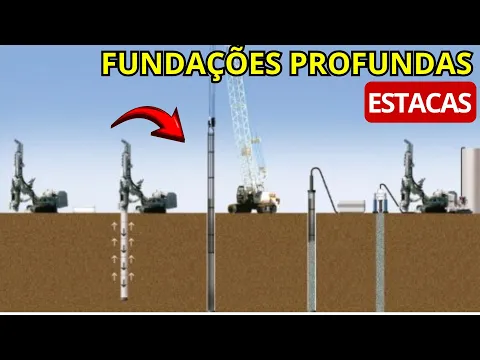

Each Type Of Foundation Has Its Particularities. The Right Choice Is Crucial. It Ensures The Safety Of The Building. It Also Ensures Economy And Durability Of The Work. Consulting A Professional Specialized In Civil Construction, Such As Civil Engineer Jonathan Marques, Who Reinforces The Importance Of This Technical Analysis, Is Essential To Make The Most Accurate Decision.









Seja o primeiro a reagir!