





 Portuguese
  English
  Spanish
  5 min of reading
  1 comment


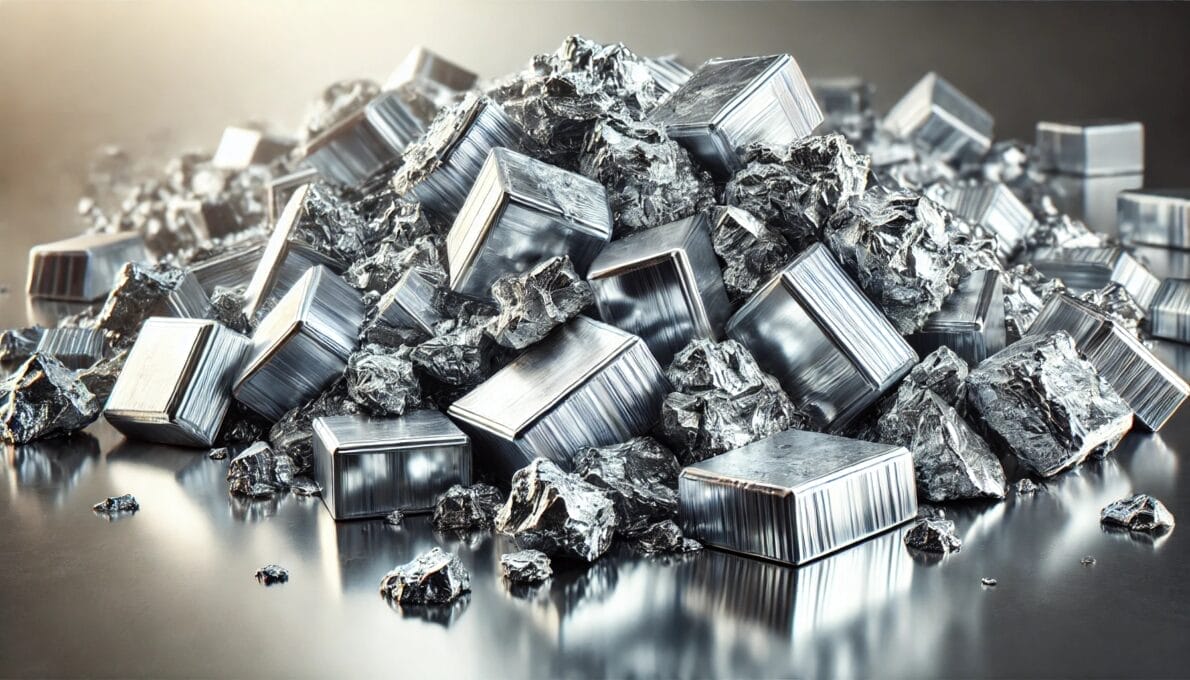

Meet Cadmium, Highly Toxic Metal Revolutionizing the Industry. Toxic Metal Used in Solar Energy, Steel, Batteries, and Even Nuclear Fission.
Let’s explore the curiosities and controversies surrounding cadmium, a super toxic metal that is widely used. You’ve probably heard about the dangers of lead and mercury, right? But what about cadmium? This metal may be more present in your life than you think. Think about the last time you ate a fresh carrot from your garden; you may have ingested a bit of this dangerous metal without knowing it. Let’s understand why cadmium is so used and how it can affect your health.
Meet One of the Most Toxic Metals in the World
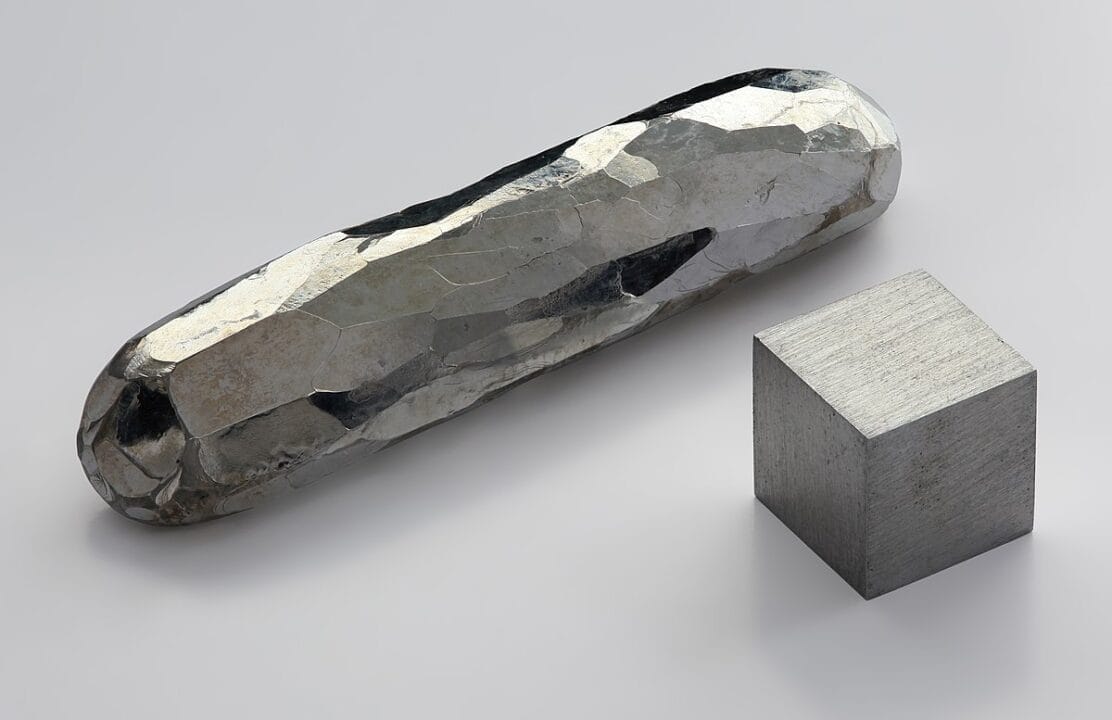
Cadmium is a natural metal, like silver or platinum, found in nature, usually in zinc ores. It is a chemical element similar to the other two stable metals in Group 12 of the periodic table, zinc and mercury. The metal is soft, silvery-white with a bluish tint, which diminishes when exposed to air or moisture.


Cadmium is considered a rare, toxic, ductile, and malleable metal, meaning you can easily shape it, in addition to being resistant to corrosion and having a lower melting point than most other transition metals.
-
Historic bankruptcy of Centauro shocks the market, and the century-old company puts more than 500,000 products, machines, and complete infrastructure up for online auction.

-
New shoe factory in Ceará is expected to create 400 jobs and strengthen the local economy.

-
No one imagined it, but a mixture of sawdust with a mineral that fights fires surprises scientists with a result that changes the course of fire-resistant construction.

-
From empty land to a high-end house, wooden construction uses a lightweight system, metal structure for the foundation, ventilated ceramic cladding, and special windows to create an efficient and comfortable living space throughout the year.


This toxic metal is found in small quantities in ores such as sphalerite, which is a zinc ore. One of the important properties of cadmium is its ability to absorb neutrons, making it useful in nuclear applications, such as in nuclear reactors and radiation control materials.
Since cadmium has a low melting point of 321 °Celsius and is resistant to corrosion, it is a popular choice for coating steel for industrial purposes as well as being an efficient electricity conductor. It is also used to stabilize pigments in paints that range from yellow to brown, steel coatings, batteries, solar energy, and barrier materials in nuclear fission reactors.
Cadmium Can Also Be Used in Solar Energy
Cadmium has gained traction in the solar industry because cadmium telluride (CdTe) solar cells have become the second most common photovoltaic technology, second only to crystalline silicon. They have a lower production cost compared to monocrystalline and polycrystalline silicon.
This is partly due to the abundance of cadmium telluride, as well as the simplified manufacturing process of this type of cell. Unlike silicon photovoltaic cells, cadmium-based solar cells perform better at high temperatures, making them an attractive choice for regions with warm and sunny climates.
It is important to note that exposure to cadmium can have several adverse effects on human health, especially when it occurs at elevated levels or chronically. It is primarily known to be a toxic metal to the kidneys.
Prolonged exposure to cadmium can lead to issues such as renal dysfunction, kidney failure, and an increased risk of kidney stones.
Why Despite Being Toxic Does Cadmium Continue to Be Used in Industry?
Cadmium continues to be widely used in industry despite its toxicity for various reasons that highlight its unique and indispensable properties in certain applications.
Firstly, cadmium possesses excellent electrochemical characteristics, making it a crucial component in rechargeable batteries, such as nickel-cadmium (NiCd) batteries. These batteries are known for their durability and ability to maintain a stable charge, being widely used in portable equipment and emergency power systems.
Additionally, cadmium is an essential material in the production of cadmium telluride (CdTe) solar cells, which are highly efficient in converting sunlight into electricity. This type of solar cell has a relatively low production cost, which contributes to lowering solar energy prices, promoting its large-scale adoption.
In the pigment industry, cadmium is valued for its vibrant colors and resistance to extreme conditions of heat and light, being used in paints, plastics, and coatings. In metallurgy, cadmium is used to coat other metals, such as steel and iron, providing effective corrosion protection and increasing the durability of components used in harsh environments, such as maritime ones.
Cadmium has applications in the semiconductor industry, where it is used in electronic components due to its specific electrical conduction properties.
Although cadmium’s toxicity is a significant concern, the economic and technological benefits it offers still make it a popular choice in the industry.
However, ongoing efforts are being made to minimize exposure and develop safer alternatives, seeking to balance industrial benefits with health and environmental safety.
Other Problems That Can Be Generated by the Toxic Metal
Both the ingestion and inhalation of cadmium vapors or dust can irritate the lungs and lead to respiratory problems, such as chronic bronchitis and emphysema. Prolonged exposure to cadmium vapors can increase the risk of more severe lung diseases.
Cadmium is considered one of the most harmful metals to human health, frequently ranked among the most toxic metals. In a ranking of the most harmful metals, cadmium would generally be positioned high, close to mercury, arsenic, and lead.
Here is a common ranking of the most toxic metals:
- Mercury: Highly toxic, it can cause severe damage to the nervous system and other organs.
- Arsenic: Extremely poisonous, it can cause cancer and damage to various body systems.
- Lead: Toxic especially to children, it can cause neurological damage and other health issues.
- Cadmium: Can cause cancer, damage to kidneys, lungs, and bones, as well as other adverse health effects.
The extremely toxic metal can accumulate in the bones over time, replacing calcium and weakening the bone structure, which may lead to problems like osteoporosis and increase the risk of fractures.
Not to mention damage to the liver, interfering with its normal metabolic functions and leading to liver problems such as hepatitis and cirrhosis. It can also affect the central nervous system, causing symptoms such as headaches, dizziness, weakness, and fatigue, and in severe cases of cadmium poisoning, permanent neurological damage may occur.










Interessante.
Nós somos envenenados sem saber