





 English
  Francês
  Alemão
  Italiano
  Japonês
  Norueguês
  Portuguese
  Spanish
  4 min of reading
  0 comments


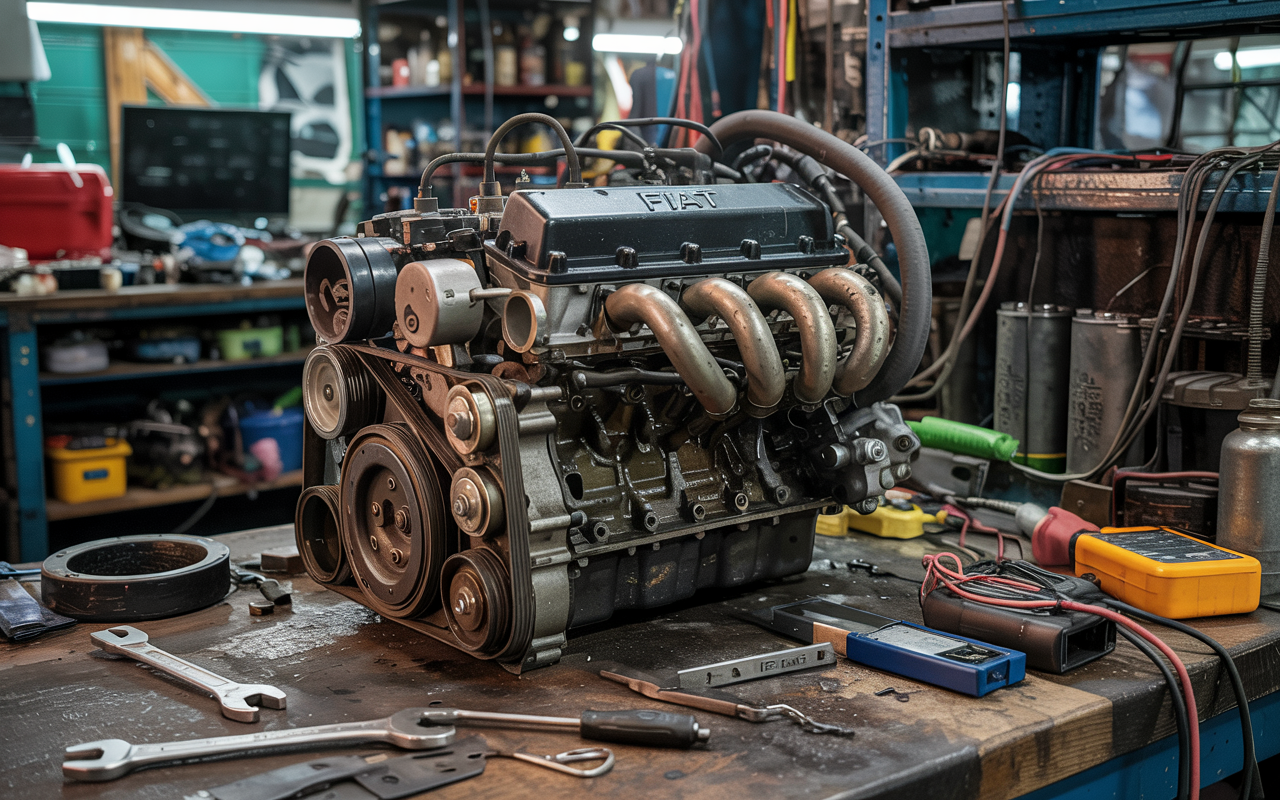
Fiat 1.8 E.TorQ Is An Engine That Was An Absolute Success, But There Is A Catch: Only In Europe. Here, It Was An Engine Hated By Many Mechanics. Understand The Reasons That Made It A Hated Engine In Brazil.
The Fiat 1.8 E.TorQ is a curious example of how the same engine can have radically different reputations in different markets. While in Europe it gained notoriety as a reliable, balanced propeller widely used by various automakers, in Brazil it was labeled as a hated engine by mechanics and criticized by owners. Today we will explore why this engine is seen as an absolute success in Europe but considered a hated engine in Brazil, with a special focus on its performance, consumption, maintenance, and technical peculiarities.
An Engine With Two Reputations: European Success And Brazilian Rejection
The Fiat 1.8 E.TorQ was developed by Fiat Powertrain Technologies (FPT) in Brazil, based on the Tritec engine, which was the result of a joint venture between Chrysler and Rover (then under BMW control). In Europe, the engine gained prominence for its robustness, versatile application, and low production cost. It was used in models such as the Fiat Bravo and the Lancia Delta.
However, upon arriving in Brazil in 2010, equipped in models such as Fiat Linea, Idea, Punto, Palio, and Strada, the story was quite different. It quickly gained a reputation as a hated engine by mechanics due to a series of technical difficulties, high maintenance costs, and below-expected performance for a 1.8-liter engine.
-
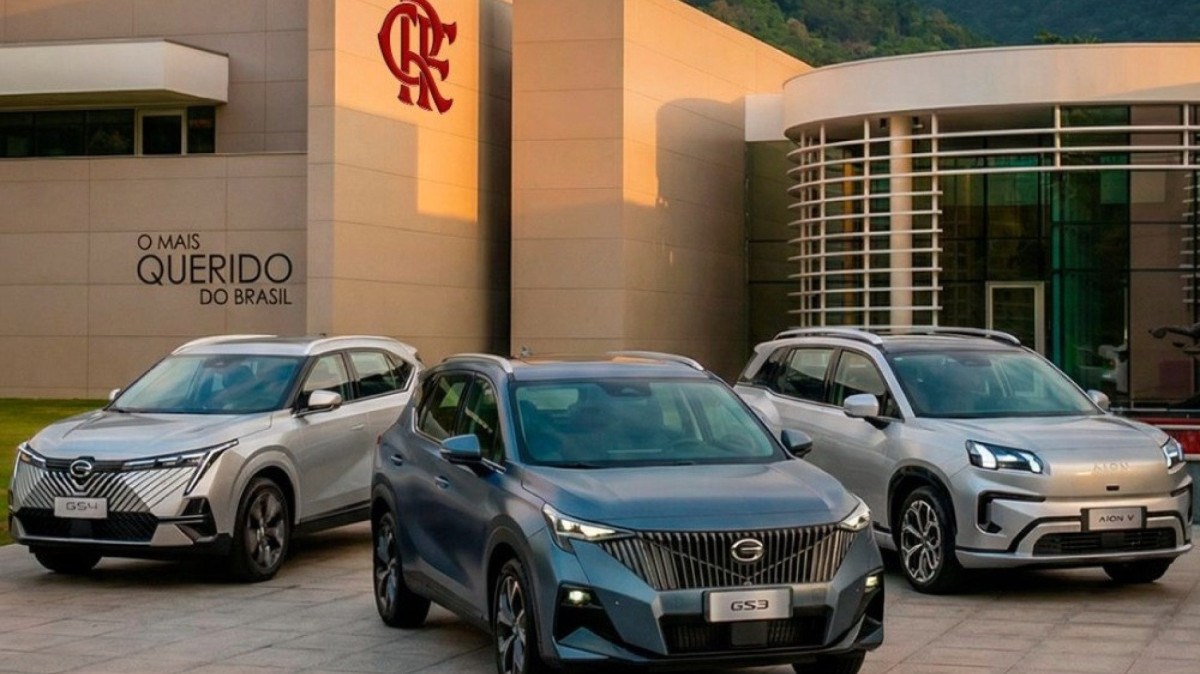
After launching the new GS3 with a 1.5 turbo engine producing 170 hp, GAC partners with Flamengo, enters the field with the largest fan base in Brazil, and accelerates an ambitious offensive to gain scale and confidence in the national market.
-
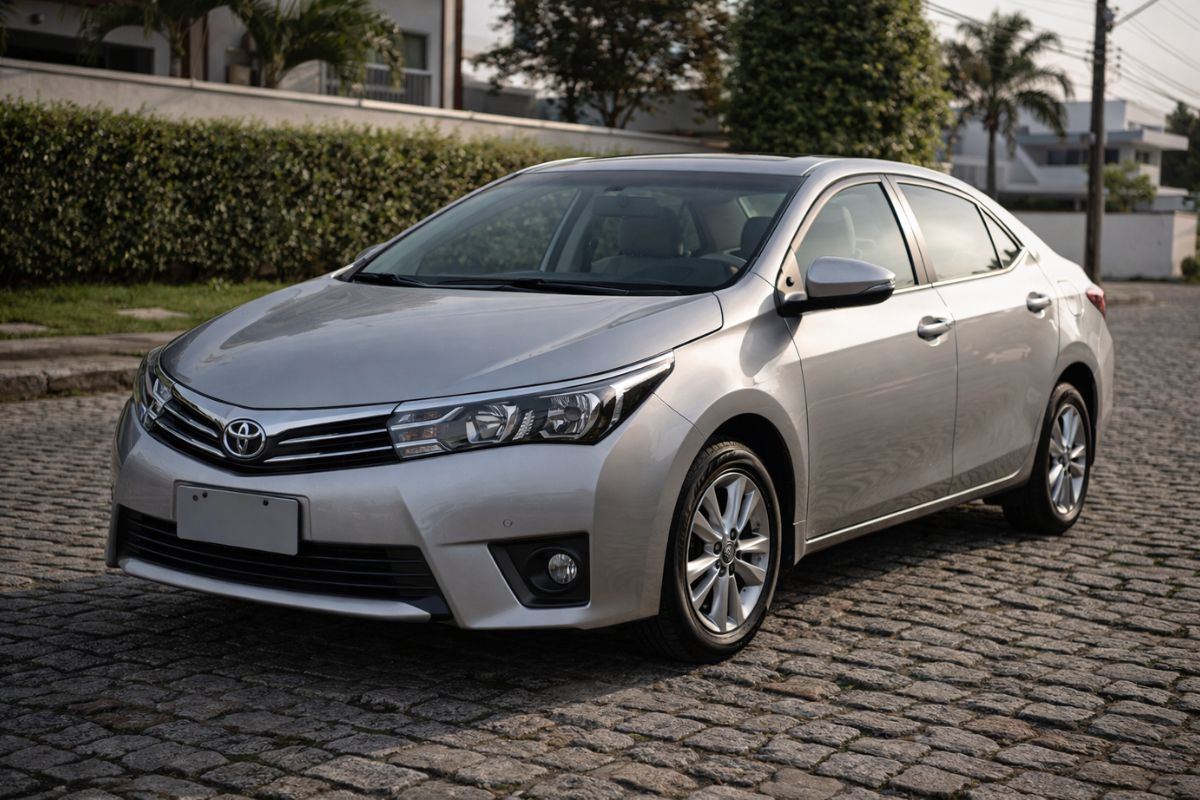
The Corolla from 2015 to 2019 depreciates so little that a 10-year-old model is still worth over 76 thousand reais, and owners treat this sedan as a safe investment thanks to its reputation for durability that no competitor has been able to match.
-
Is it worth considering a financed 2025 HB20 Comfort? A simulation with R$ 50,000 in the bank shows installments ranging from R$ 5,687 to R$ 2,365.

-
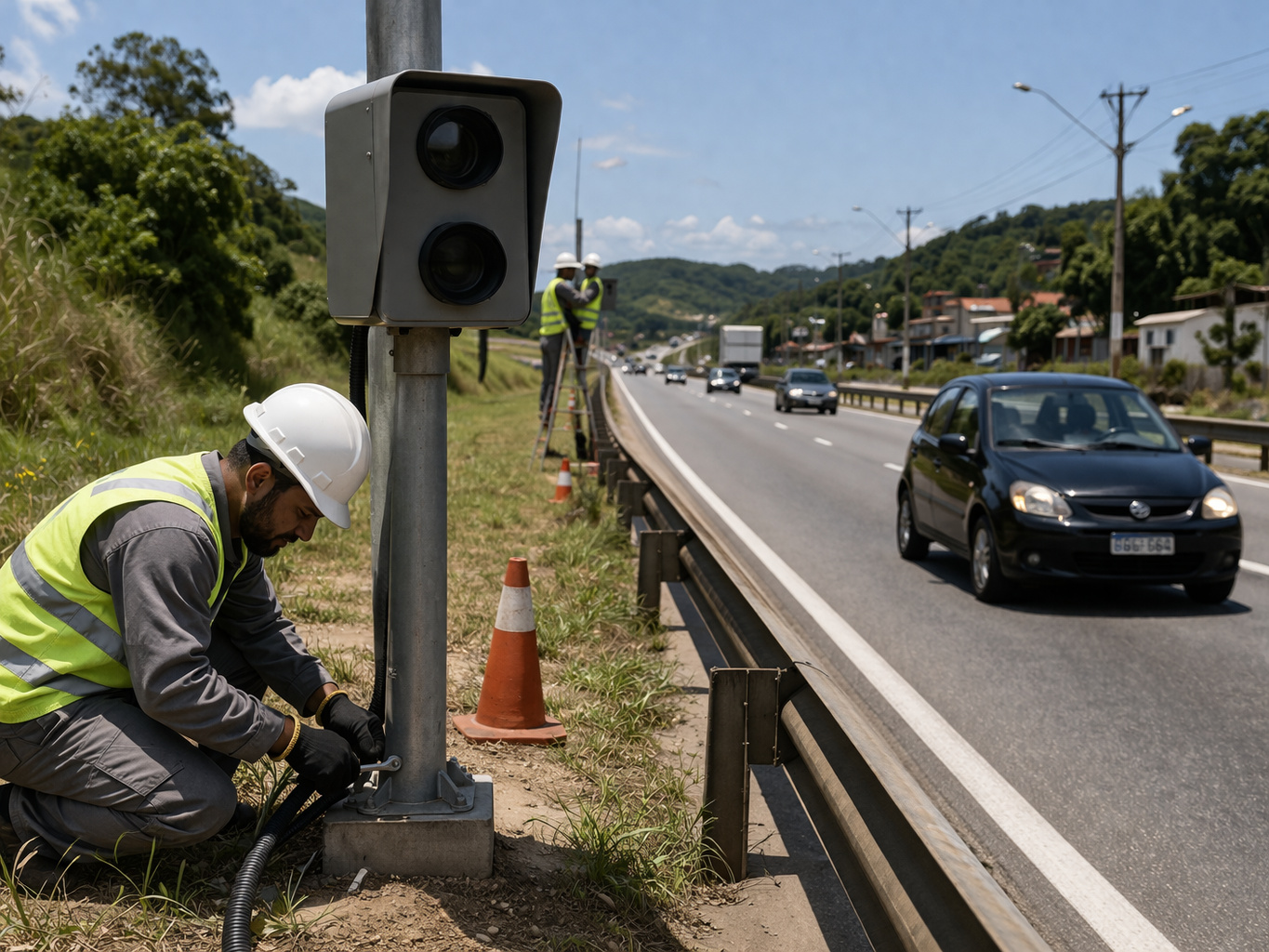
Road surveillance in Rio de Janeiro enters a new phase with the installation of more than 140 speed cameras on highways RJ-106 and RJ-104, and DER-RJ expands speed control in high-traffic areas.

Modest Performance: Numbers That Do Not Impress
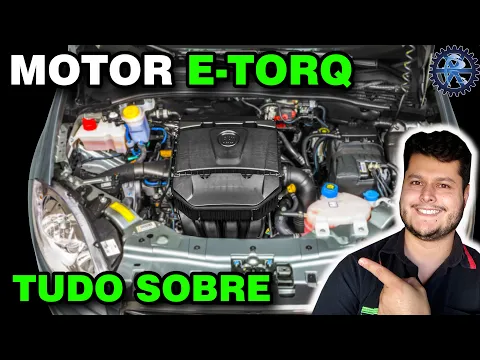

Despite the expectations created by its size (1,747 cm³), the Fiat 1.8 E.TorQ delivers about 132 hp with ethanol and 130 hp with gasoline, with a maximum torque of 18.9 kgfm at 4,500 rpm. In absolute numbers, it is far from being a weak engine. However, when compared to competitors like the 1.6 THP from PSA (165 hp), its performance is considered just adequate.
This modest performance directly reflects on the driving experience: slow acceleration, sluggish recoveries, and a little exciting driving, especially in heavier cars like the Fiat Linea or the Jeep Renegade, which used the same engine for a while.
High Consumption: A Critical Point In Brazil
Another factor that contributed to the negative reputation of the E.TorQ in Brazil was the high fuel consumption. According to published data, models like the Fiat Punto with the 1.8 E.TorQ engine have an average consumption of 6.5 km/l with ethanol in the city and 8.3 km/l on the highway. With gasoline, the numbers improve slightly: 9.5 km/l in the city and 11.8 km/l on the highway.
For an aspirated engine with these specifications, the data is considered unsatisfactory. This becomes even more problematic when we remember that fuel prices in Brazil are high and consumers are very sensitive to energy efficiency.
Maintenance Cost And Complexity
The maintenance of the Fiat 1.8 E.TorQ has also been the target of harsh criticism. One of the main issues reported by mechanics is the complicated access to the engine’s internal components. For example, replacing the auxiliary belt or spark plugs requires disassembling several items, increasing service time and labor costs.
In addition, the absence of a more advanced valve timing system (such as dual VVT in all versions) leaves the motor technologically outdated compared to competitors. In 2016, the engine underwent a slight redesign, receiving some improvements like a redesigned intake manifold and optimized injection software, but it was not enough to change its image.
Comparison With Direct Competitors
To better understand the Brazilian market’s rejection of the E.TorQ, it’s worth comparing it with engines of similar power:
- Volkswagen 1.6 MSI: delivers 117 hp with ethanol and average urban consumption of 8.1 km/l.
- Chevrolet 1.4 Turbo: 153 hp and 9.4 km/l in the city with ethanol, plus superior torque and better power-to-weight ratio.
- Toyota 1.8 Dual VVT-i (Corolla): 144 hp, quieter, more efficient, and easier maintenance.
In this scenario, the hated engine by mechanics loses in almost all areas: performance, consumption, and ease of repair.
The Future Of The E.TorQ And Its Exit From The Scene
With the evolution of turbo engines and the growing need to meet stricter environmental standards, the Fiat 1.8 E.TorQ has been gradually replaced. Models such as the Jeep Renegade and the Fiat Toro began using Stellantis’ new 1.3 Turbo Flex, which is more modern, efficient, and has greater performance.
In Europe, the E.TorQ had already been out of use for some time, replaced by more technological and compact options. Still, there, its legacy is more positive, with lower incidence of criticism and better public acceptance.
The Fiat 1.8 E.TorQ is undoubtedly an emblematic case of how market context and consumer expectations influence the perception of a product. While in Europe it was an engine that was an absolute success, in Brazil it became a hated engine by mechanics and many consumers.
Factors such as modest performance, high consumption, complex maintenance, and lack of technological innovation contributed to this negative view. On the other hand, its international legacy shows that the E.TorQ had its merits, even if it did not adapt well to the Brazilian reality.
The story of this engine serves as a warning for automakers wishing to adapt global technologies to local markets: it takes more than a good design on paper – it is essential to understand regional demands and offer appropriate solutions to them.









-

-

-

-

4 pessoas reagiram a isso.