





 Portuguese
  English
  Spanish
  3 min of reading
  0 comments



Squad Mobility Presents Solar Buggy, A Compact And Affordable Solar-Powered Microcar
The Dutch startup Squad Mobility announced its latest launch: the Solar Buggy, an electric microcar powered by solar energy that is coming to the United States to expand the options for electric vehicles in the North American market. The vehicle is designed to be compact, affordable and entirely powered by solar energy, representing a new era in sustainable mobility, according to Tudo Celular.
The Solar Buggy is designed with an integrated solar panel that allows it to recharge its batteries using sunlight. During tests conducted in Las Vegas, the vehicle demonstrated a 30 km range increase on sunny days, thanks to the successful implementation of solar technology. Additionally, the vehicle is equipped with four interchangeable portable batteries, providing a total range of 100 km.
Squad Mobility CEO Highlights U.S. Interest In Low-Speed Electric Vehicles
Robert Hoevers, CEO of Squad Mobility, commented on the growing interest in the United States for low-speed electric vehicles, particularly in markets such as golf cart communities, corporate campuses, hotels and resorts, amusement parks, and urban services. This promising receptiveness indicates significant potential for the adoption of the Solar Buggy in the U.S.
-
Engineers propose a fourth traffic light for intersections – the change promises to affect crossings, queues, and waiting times.

-
Chevrolet Suburban Z71 lands in Brazil with a V8 engine, off-road design, air suspension, seven seats, and colossal size, a rare version imported for around R$ 1.3 million with luxury and exclusivity.

-
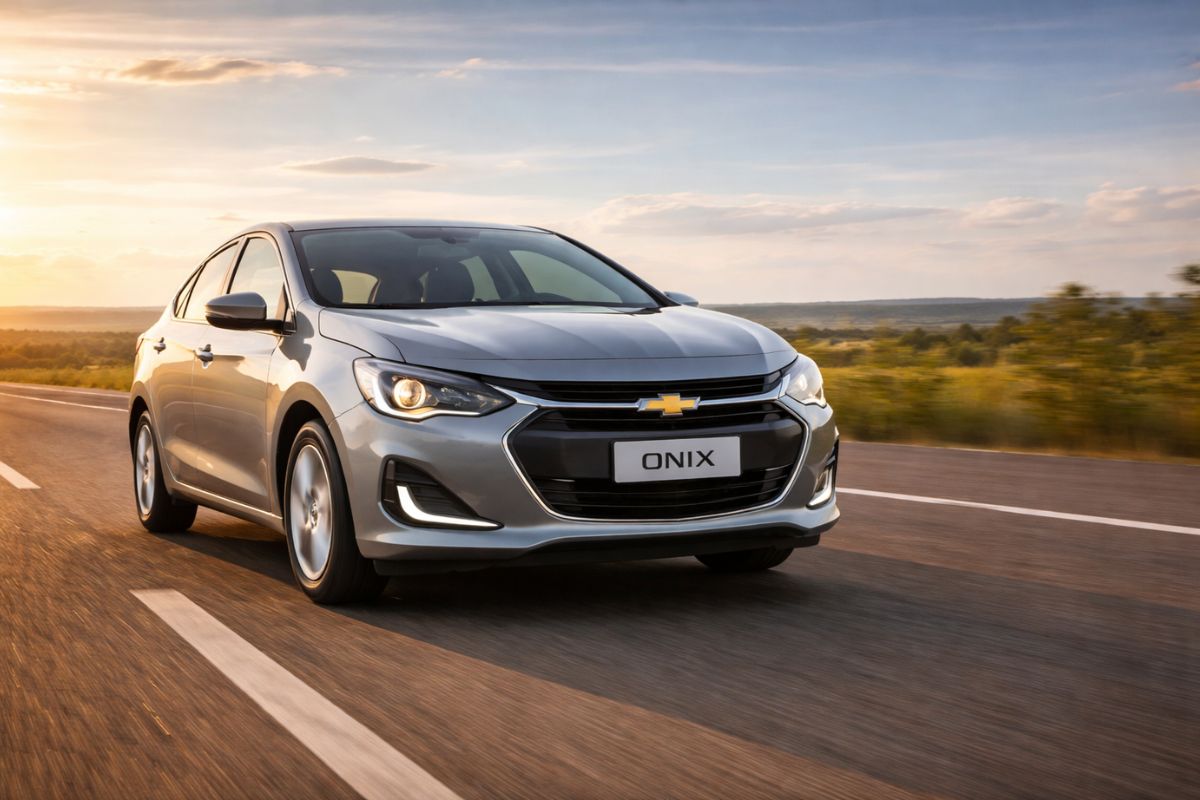
The Chevrolet Onix 1.0 turbo achieves 17.7 km per liter on the highway and ranks among the three most economical cars in Brazil in 2026, alongside two more expensive Toyota hybrids available at dealerships.
-
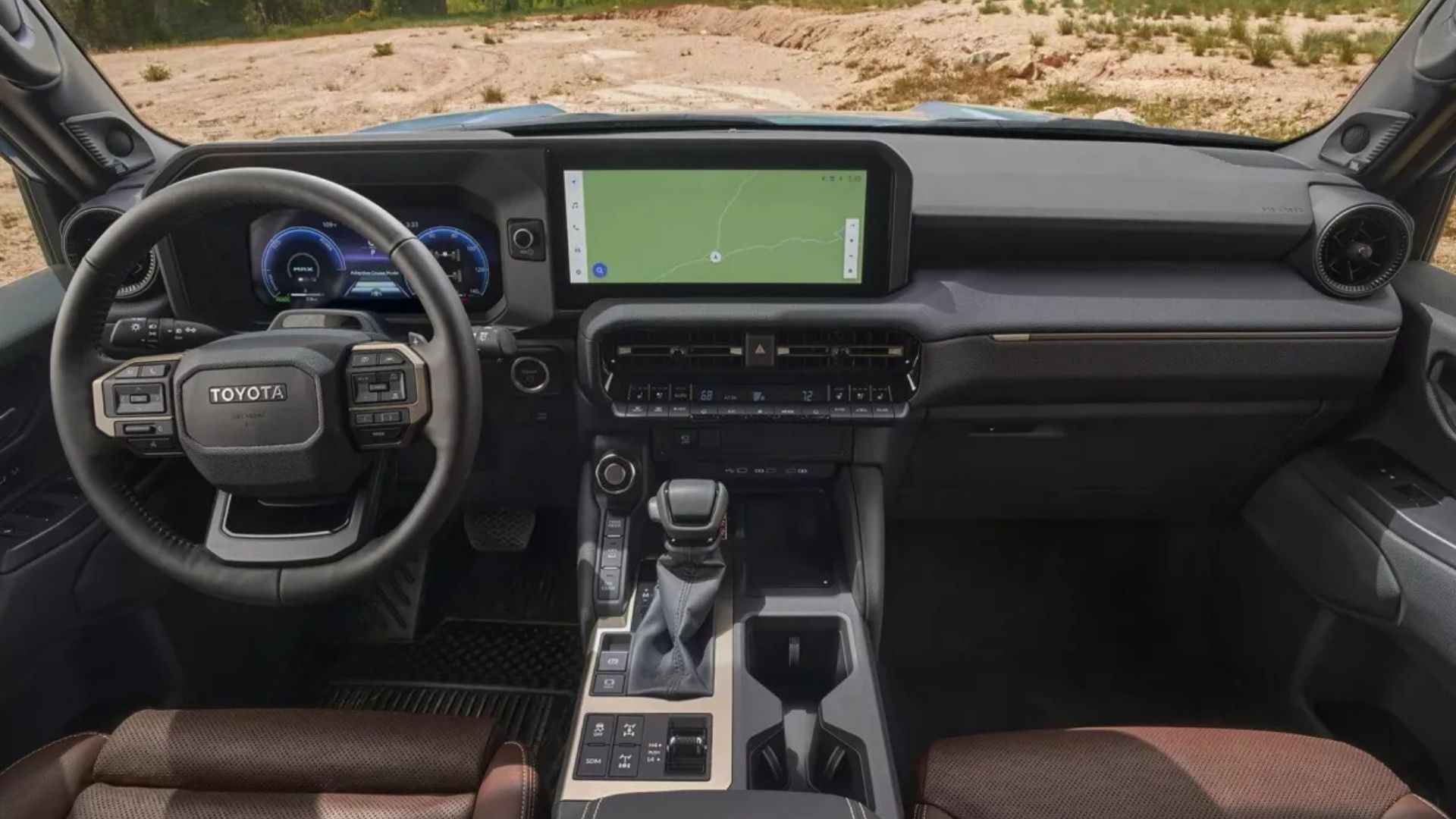
Little sister of the Hilux: Toyota launches Land Cruiser FJ with 4 radical versions, 2.7 engine with 166 hp and 4×4 traction with locking.

The European version of the Solar Buggy is offered in two variants: one with a maximum speed of 45 km/h and a more robust one with a maximum speed of 70 km/h. In the U.S., the vehicle will be classified as a low-speed vehicle, limiting its maximum speed to 40 km/h. Squad Mobility plans to make the Solar Buggy available for sale in 2025, with a starting price of US$ 6,250 (approximately R$ 30,378), and is currently in pre-sale.
How Does Charging A Solar-Powered Car Work?
Cars that charge with solar energy are electric vehicles that incorporate photovoltaic technologies to capture solar energy and convert it into electricity. These vehicles have solar panels installed on their bodywork, which collect sunlight and convert it into electrical energy to power the motor or recharge the vehicle’s batteries.
This technology allows cars to utilize a renewable and clean energy source, reducing dependence on fossil fuels and contributing to the reduction of greenhouse gas emissions and air pollutants.
Solar-powered cars are still in the early stages of development and adoption, but there are already prototypes and some commercial models available on the market. Generally, these vehicles are more suitable for urban and short-distance use due to the limited surface area available for solar panels and the amount of energy they can generate.
Furthermore, the efficiency of solar panels in cars can vary depending on weather conditions and sun exposure. On sunny days, solar panels can generate enough energy to help power the vehicle, increasing its range. However, on cloudy days or at night, the car will still need to be recharged at conventional electrical outlets or charging stations.








Seja o primeiro a reagir!