





 Português
  Inglês
  Espanhol
  4 min de leitura
  0 comentários


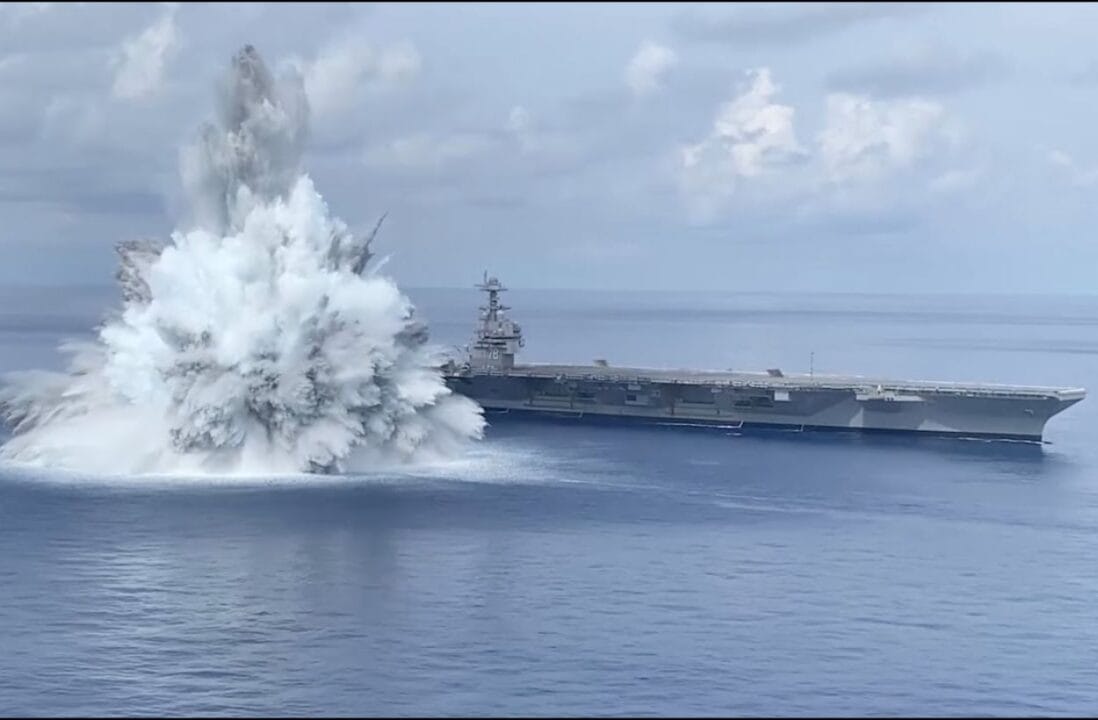
The US Highlights USS Gerald R Ford, The Largest Nuclear Aircraft Carrier In The World, Redefining Naval Power Paradigms And Reaffirming Strategic Alliances.
As the hum of conflicts echoes across the Middle East, an imposing silhouette rises on the horizon, sending a resounding message of power and alliance. The United States, in a strategic move, has positioned the USS Gerald R Ford – the largest nuclear aircraft carrier in the world and a marvel of nuclear technology – in the waters near the region.
From the first steel cut in 2005 to its delivery to the US Navy in 2017, the USS Gerald R Ford has traveled a path filled with innovation and challenges. With a final cost exceeding $12 billion, its construction marked a quantum leap in terms of design, technology, and capacity. This colossus not only replaces the venerable USS Enterprise but redefines what an aircraft carrier can be, thanks to its revolutionary systems, such as the EMALS (Electromagnetic Aircraft Launch System), which replaces the traditional steam catapult system, enabling faster and more efficient operations.
Nuclear Propulsion And Unmatched Autonomy Of The Largest Nuclear Aircraft Carrier In The World
The beating heart of the USS Gerald R Ford is its two A1B nuclear reactors, capable of producing a combined output of 700 MW – enough to power a city of 1 million residents. This energy source provides the aircraft carrier with an operational autonomy of around 25 years, practically unlimited, allowing it to position itself as a bastion of strength wherever needed, without the constraints of conventional refueling.
-
Historic bankruptcy of Centauro shocks the market, and the century-old company puts more than 500,000 products, machines, and complete infrastructure up for online auction.

-
New shoe factory in Ceará is expected to create 400 jobs and strengthen the local economy.

-
No one imagined it, but a mixture of sawdust with a mineral that fights fires surprises scientists with a result that changes the course of fire-resistant construction.

-
From empty land to a high-end house, wooden construction uses a lightweight system, metal structure for the foundation, ventilated ceramic cladding, and special windows to create an efficient and comfortable living space throughout the year.
Capable of carrying up to 90 aircraft of various types, the USS Gerald R Ford operates at the pinnacle of air superiority. From F-35C Lightning II fighters to EA-18G Growler electronic attack aircraft, along with multi-mission helicopters and unmanned aerial vehicles, its offensive and defensive capabilities are unparalleled. Comparatively, it could host almost the entirety of the Brazilian Air Force’s combat fleet, demonstrating the scale and power of this leviathan of the seas.
USS Gerald R Ford Operating At The Threshold Of History
Despite its operational youth, the USS Gerald R Ford has already made its mark with missions ranging from displays of strength to training operations with international allies. Currently, its presence in the Middle East is not only a manifestation of support but a testament to the new era of naval operations it inaugurates.
As the world watches, the strategic positioning of the USS Gerald R Ford in the waters near the Middle East transcends its military function, entering the realm of power diplomacy. This piece of engineering and military strength serves as a tangible reminder of the US commitment. In a world where the balance of power is delicate and the tensions can escalate rapidly, the presence of the largest nuclear aircraft carrier in the world speaks volumes without saying a word.
As the USS Gerald R Ford continues its vigilance in the Middle East, its presence is a testament to innovation, strength, and the unwavering commitment of the United States to global security and stability. With the expectation of four more ships of its class in the coming years, the legacy of this nuclear aircraft carrier is just beginning. The world watches, pondering the future of naval warfare and international diplomacy, as Gerald R Ford navigates the turbulent waters of contemporary history, leading by example and strength.
But How Many Nuclear Aircraft Carriers Exist In The World?
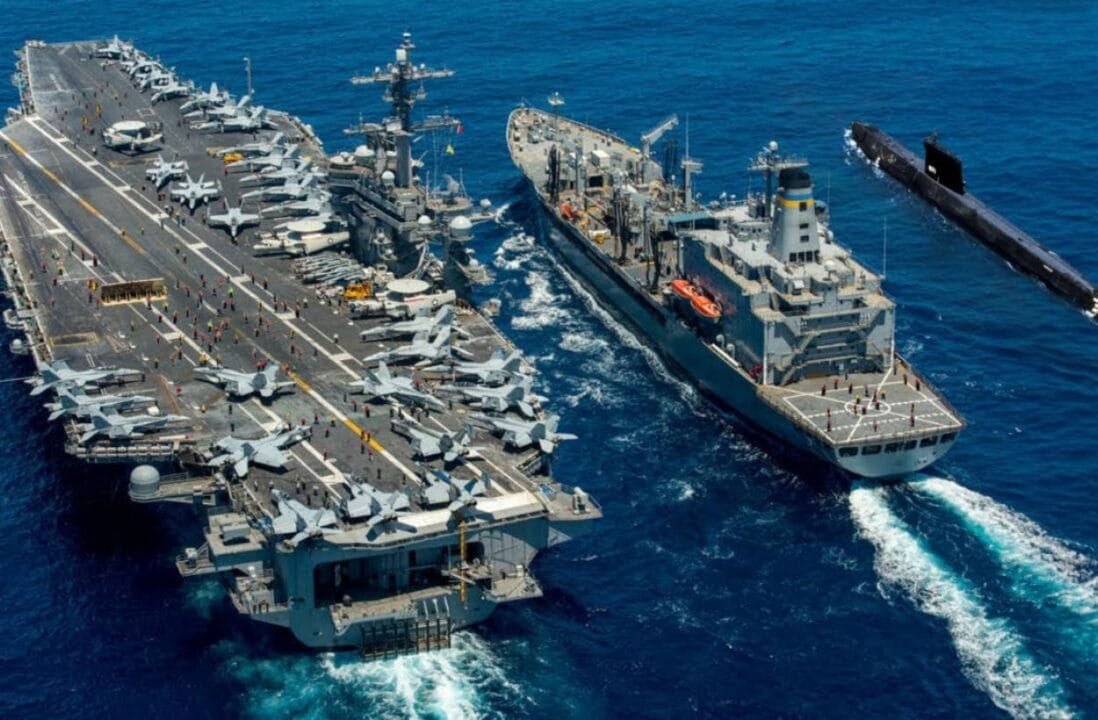
In the shadow of the USS Gerald R Ford, the largest nuclear aircraft carrier in the world, exists a pantheon of leviathans navigating the seas, each representing the pinnacle of naval power of their nations. Currently, the planet houses a total of forty-four aircraft carriers and their variants, dispersed among thirteen countries, each with its unique capabilities and missions. Among these nations, the United States, United Kingdom, France, India, and Russia stand out not only for the size of their vessels but also for their ability to project power globally.
At the heart of this global fleet, the United States holds supremacy with ten super nuclear aircraft carriers of the Nimitz class, each displacing around 100,000 tons and boasting the title of the largest warships today. In addition to these colossi, the USS Gerald R Ford begins a new class of aircraft carriers that promises to raise the standard of capability, technology, and power even higher.
These wonders of naval engineering are a testament to human skill in mastering nuclear energy for peaceful and defense purposes. Nuclear propulsion not only offers a significant advantage in terms of autonomy and operational capability but also underscores the importance of sustainability in modern warship designs, allowing these giants to patrol the seas indefinitely without the need for frequent refueling.









Seja o primeiro a reagir!