





 Portuguese
  English
  Spanish
  3 min of reading


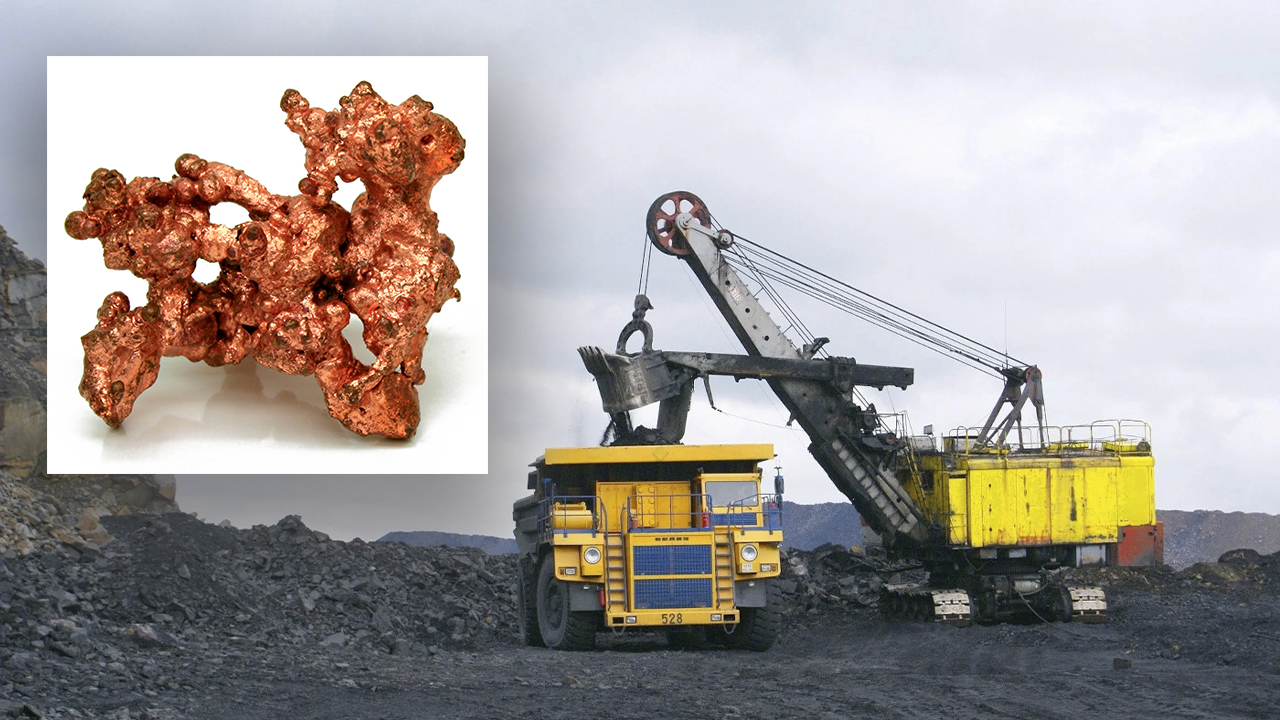
The Federal Government, through the Ministry of Mines and Energy (MME), forecasts that Brazil will be able to attract a wave of investments in copper, nickel, and lithium in the coming years. This forecast is based on the fact that Brazil has a wealth of these natural resources.
Currently, the country is the second largest producer of iron ore in the world, trailing only Australia in this regard. Now, Brazil is working to increase the amount of mineral exploration and development in the country, particularly regarding copper, nickel, and lithium, as these three minerals are seen as vital for battery manufacturing.
According to the Secretary of Geology, Mining, and Mineral Transformation, Pedro Paulo Dias Mesquita, the metals are considered crucial in the transition to clean energies, and the goal is to have more research and development projects in this sector in Brazil.
-
Brazilian city gains industrial hub for 85 companies that is equivalent to 55 football fields.
-
Peugeot and Citroën factory in Argentina cuts production by half and opens a layoff program for more than 2,000 employees after Brazil drastically harmed purchases of Argentine vehicles.
-
A Brazilian city gains a factory worth R$ 300 million with the capacity to process 200 thousand tons of wheat per year, a mill of 660 tons per day, silos for 42 thousand tons, and an industrial area of 276 thousand m².
-
Havan will leave the shopping mall in Blumenau to inaugurate something the chain has never done before: a megastore in half-timbered style in the Historic Center of the city, which is expected to be ready in May and change the landscape of local retail.
Brazil Expects to Attract Investments in Projects That Produce Metals for Use in Batteries
Copper
To begin with, it is essential to highlight that Brazil is one of the main copper producers in the world, and this production serves various sectors and markets both inside and outside Brazil. The mineral is one of the most commonly used metals in our daily lives due to its remarkable physical and chemical qualities.
Copper stands out mainly for its strong resilience as well as its adaptability. Copper is used for many things, but one of its most important functions is energy transfer. This occurs because copper is an excellent conductor.
Nickel
Nickel is the second most abundant metal on Earth, after iron. It is a shiny silver-white metal that was initially used in coinage and is now rapidly becoming an essential material in the production of batteries for electric vehicles. Due to its great resistance to oxidation, nickel is a crucial element for many industries.
Brazil still contributes little to the global nickel production. Vale is one of the world’s leading producers, however, a significant portion of its production comes from its operations in Canada. This is why the Brazilian Government is seeking new incentives for investments in nickel production.
Lithium
Due to its low density, its qualities as an excellent conductor and energy storage, lithium is used in various industrial applications, being one of the main components in battery production, including for electric vehicles.
Companies are working at full capacity to extract greater amounts of lithium to meet market demand as a result of the introduction of new products in the global market. These new products include electric cars and photovoltaic solar energy systems, which have gained popularity in recent years and will likely multiply in the coming years.
Brazilian Government Aims to Simplify the Process to Attract New Investments in Mining
The government is providing funding for a variety of different initiatives in the state of Minas Gerais. With this, it anticipates a “big change,” as Mesquita said in an interview. Additionally, he mentioned that the diversification of Brazil’s mineral resources includes copper and nickel, both with geological potential far superior to their current production.
Mesquita concluded by highlighting that other Latin American nations, such as Chile and Peru, are working to increase mining rates, while the Brazilian government is working to open new territories and remove regulatory barriers.







Seja o primeiro a reagir!