





 Portuguese
  English
  Spanish
  2 min of reading
  0 comments


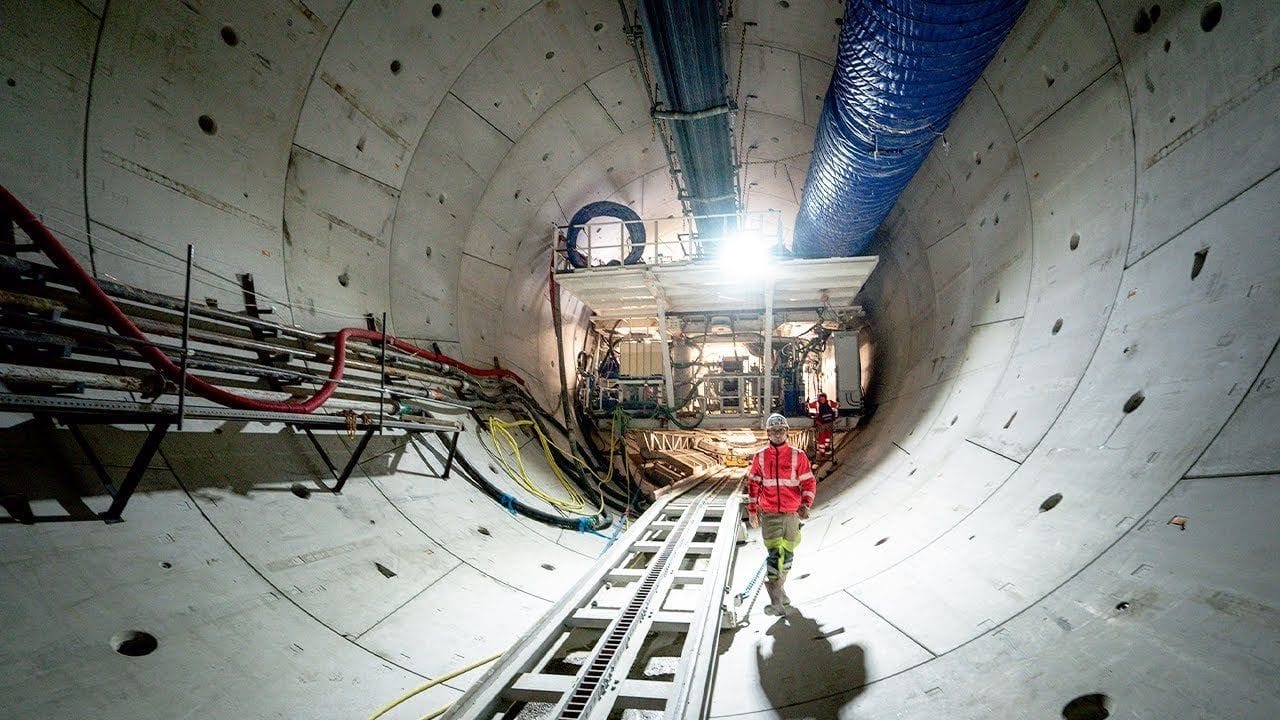
The Construction Of The Elizabeth Line Represents A Significant Chapter In The Long History Of The London Underground, The Oldest In The World. By Facing Contemporary Challenges With Innovative Solutions, This Project Symbolizes The City’s Long-Term Vision For Urban Mobility.
In A Historic Milestone For Public Transport And Construction, London Celebrates The Opening Of The Elizabeth Line, A Subway Project Valued At US$ 24 Billion. This New Addition To The London Transport System Not Only Reinforces England’s Status As A Global Leader In Innovation And Development, But Also Promises To Revolutionize The Way Residents And Visitors Move Around The Capital.
Historical Construction For A Capital In Motion

The Elizabeth Line Extends 118 Kilometers, Connecting Essex County In The East To Berkshire County In The West, With 48 Kilometers Of Underground Tunnels Designed To Cross The Heart Of London. This Colossal Project Includes 41 Stations, 10 Of Which Are Completely New, With Trains Designed To Carry Over 1,500 Passengers, Running Every 5 Minutes During Weekdays. The Expectation Is That The Line Will Serve Up To 200 Million Passengers Annually, Solidifying The City’s Commitment To An Efficient And Accessible Public Transport.
Challenges And Triumphs In Construction
The Path To Realizing The Elizabeth Line Was Filled With Technical And Bureaucratic Challenges, Starting With Its Conceptualization In The 1980s, Passing Through Periods Of Cancellation In The 1990s, Until Its Final Approval In 2008. The Need To Alleviate London’s Housing Crisis And Improve Connectivity Between Suburbs And The City Center Were Critical Drivers For The Project. The Construction Faced Significant Obstacles, Including The Discovery Of Geological Faults And The Need To Meet Strict Safety Standards Following The Grenfell Tower Tragedy.
-
Made from recycled plastic, plastic wood is gaining space in the construction industry because it does not rot, resists moisture, and reduces maintenance costs over the years.

-
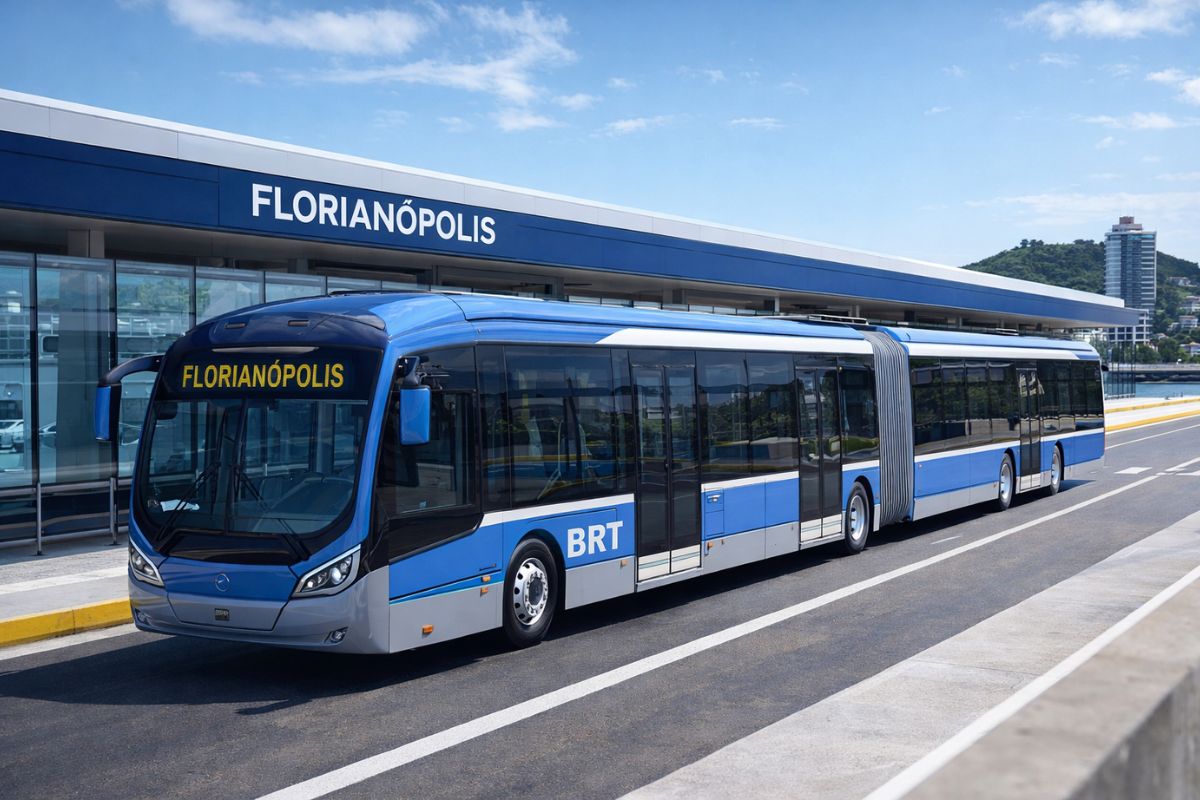
Florianópolis will receive a million-dollar BRT that will begin construction in 2026 with nearly 400 million in funding from the federal government and the Inter-American Development Bank, and the map already shows the routes for the exclusive bus corridors.
-
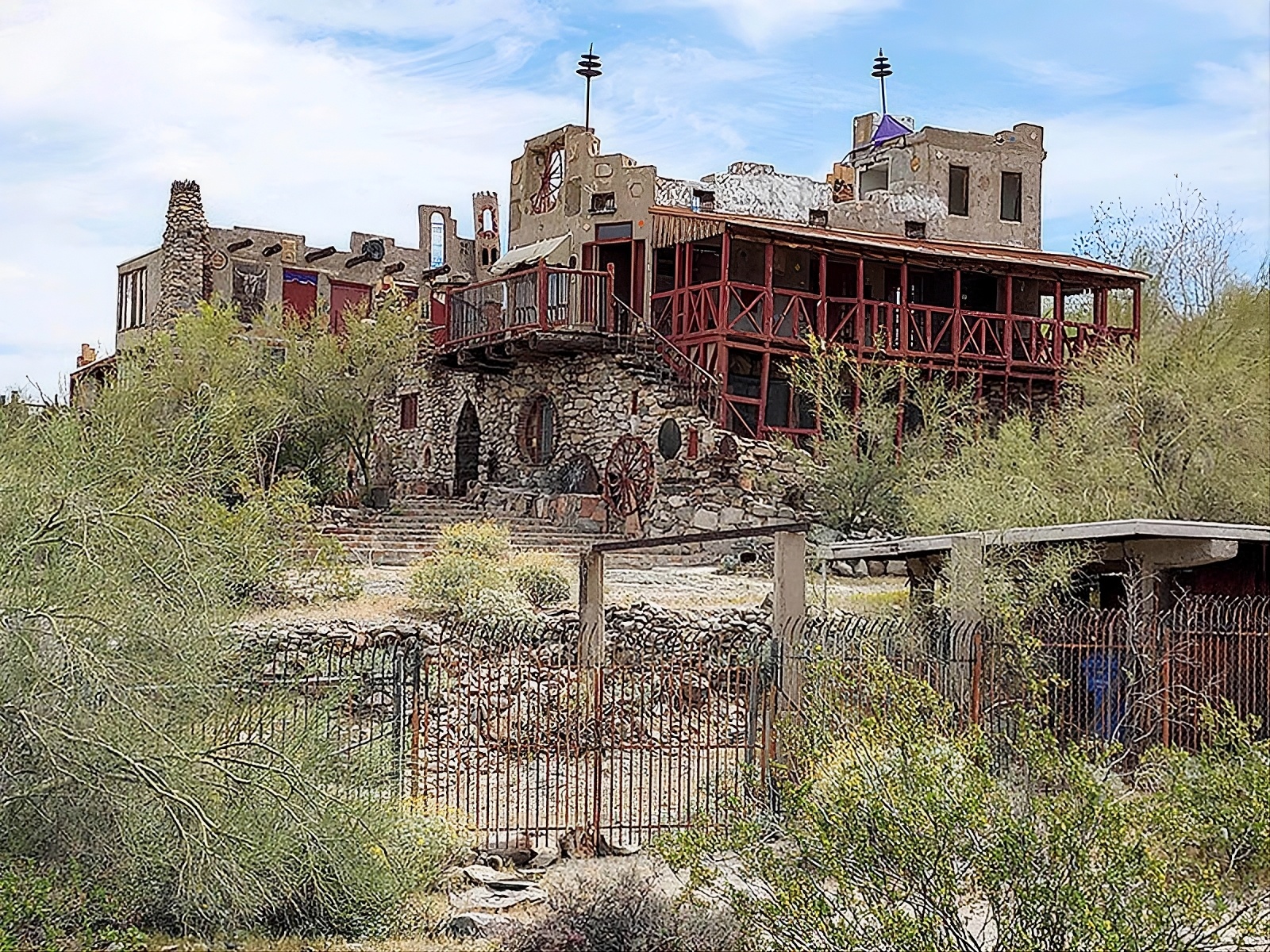
Without a blueprint, without an engineer, and using scrap from the dump, a father spends 15 years building an 18-room castle for his daughter, featuring tram tracks, 13 fireplaces, and over 700 m², which may now be demolished.
-
A megaproject worth R$ 89 billion is advancing in Iraq and promises to change the game in global trade by creating a new corridor between Asia and Europe, reducing traditional routes and repositioning the country as a logistics powerhouse.

Impact And Future Expectations
The Opening Of The Elizabeth Line, Conducted By Queen Elizabeth II, Marks Not Only An Advance In Terms Of Transport Capacity And Efficiency For London, But Also A Boost For The Local Economy And Real Estate Development. The Project Aims To Stimulate The Construction Of Approximately 200,000 New Homes And To Significantly Improve Connectivity Within The City While Simultaneously Addressing Predicted Overcrowding On Other Subway Lines.
However, The Construction Of The Elizabeth Line Is Not Without Criticism. Some Argue That It Intensifies The Disparity In Infrastructure Investment Between The South East And Other Regions Of The UK, Exacerbating The North-South Divide. Despite These Debates, The Line Is Viewed As A Catalyst For New Ventures And Opportunities Throughout Its Route, Including Less Privileged Neighborhoods.
With The Promise Of Enhanced Efficiency, Greater Capacity, And Positive Economic Impact, The Elizabeth Line Is Not Just An Engineering Achievement, But A Step Towards A More Connected And Accessible Future For London.









Seja o primeiro a reagir!