





 English
  Francês
  Alemão
  Italiano
  Japonês
  Norueguês
  Portuguese
  Spanish
  3 min of reading


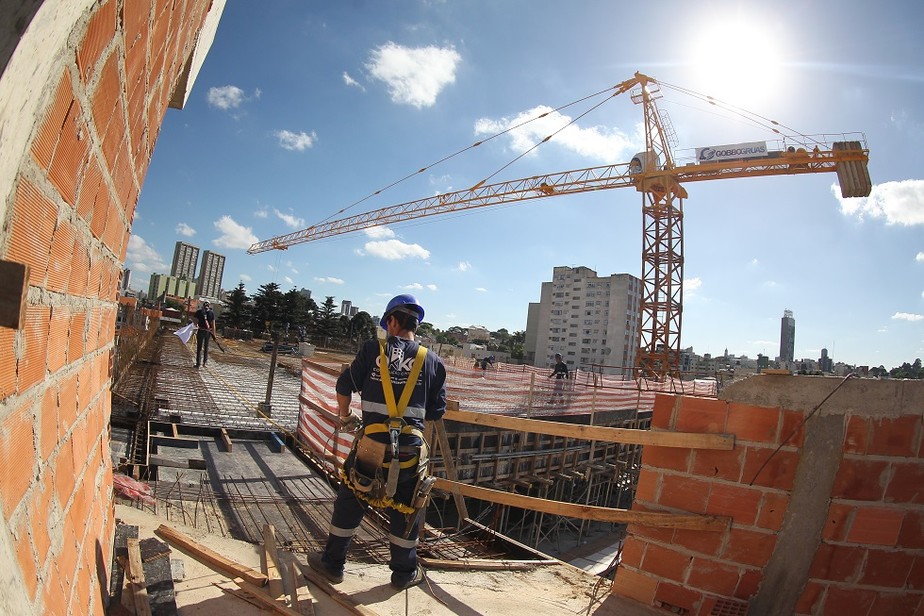
Launches and Sales Have Increased and Show Signs of Recovery in the Construction Sector, Affecting Job Creation and Income
The construction sector begins to show signs of resuming activities in Brazil and creates expectations for more jobs and income. The recovery process is expected to be boosted by the 2020 electoral process, when unfinished public works must be immediately completed. In addition, the execution of works in different areas is also awaited due to progress in infrastructure concessions. See also: Resumption of Activities at Samarco Mining Will Reopen 130 Companies and Create 5 Thousand Jobs
Confidence in the construction sector is proportional to the numbers presented by the country’s economy and the best indicators are coming from the real estate market. Launches and sales have increased due to low inflation and lower interest rates, conveying optimism to business owners and consumers, which reflects on job creation in the sector.
-
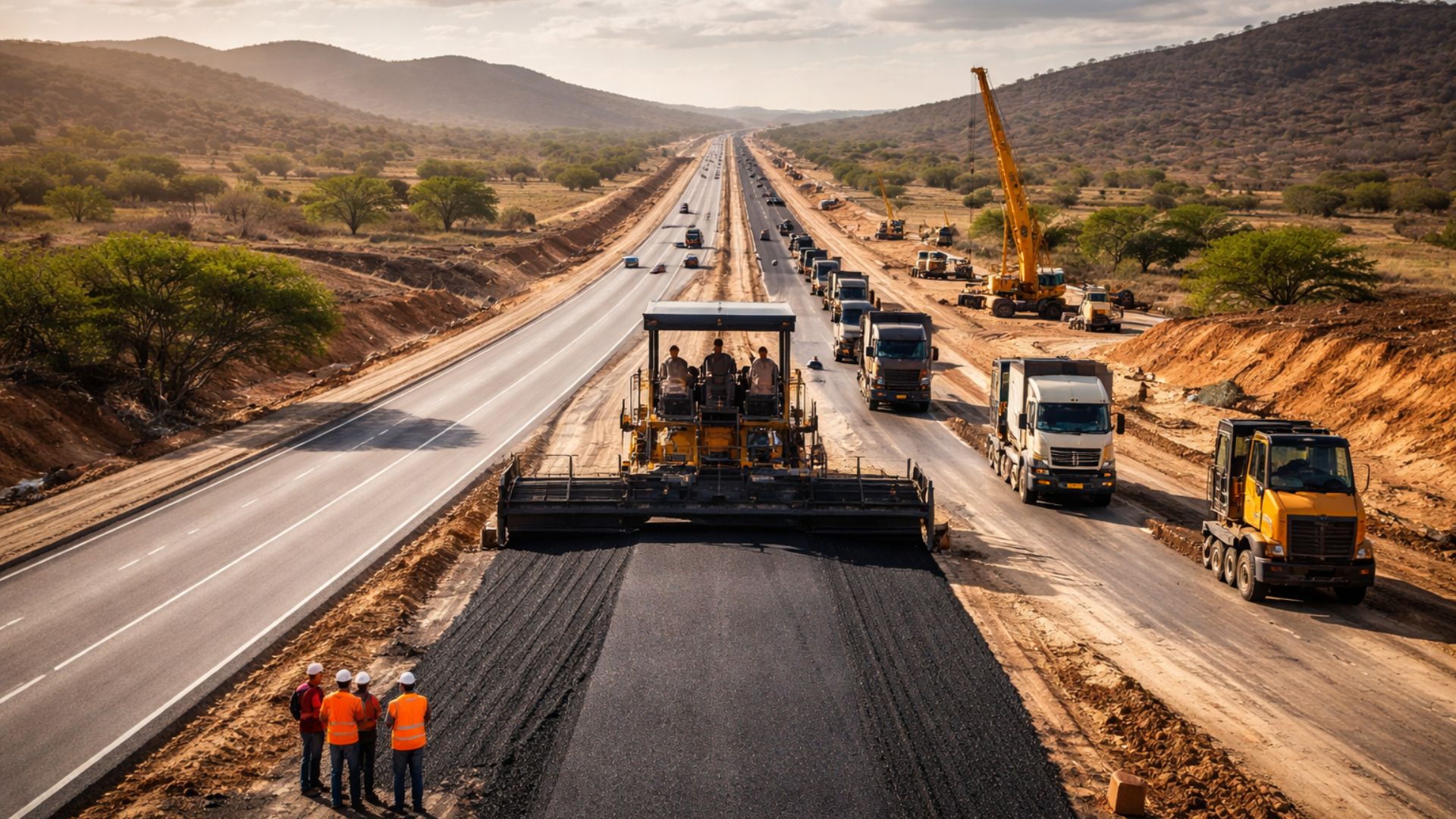
Government unlocks R$ 554 million for a highway that has been requested for decades and accelerates the duplication of BR.
-
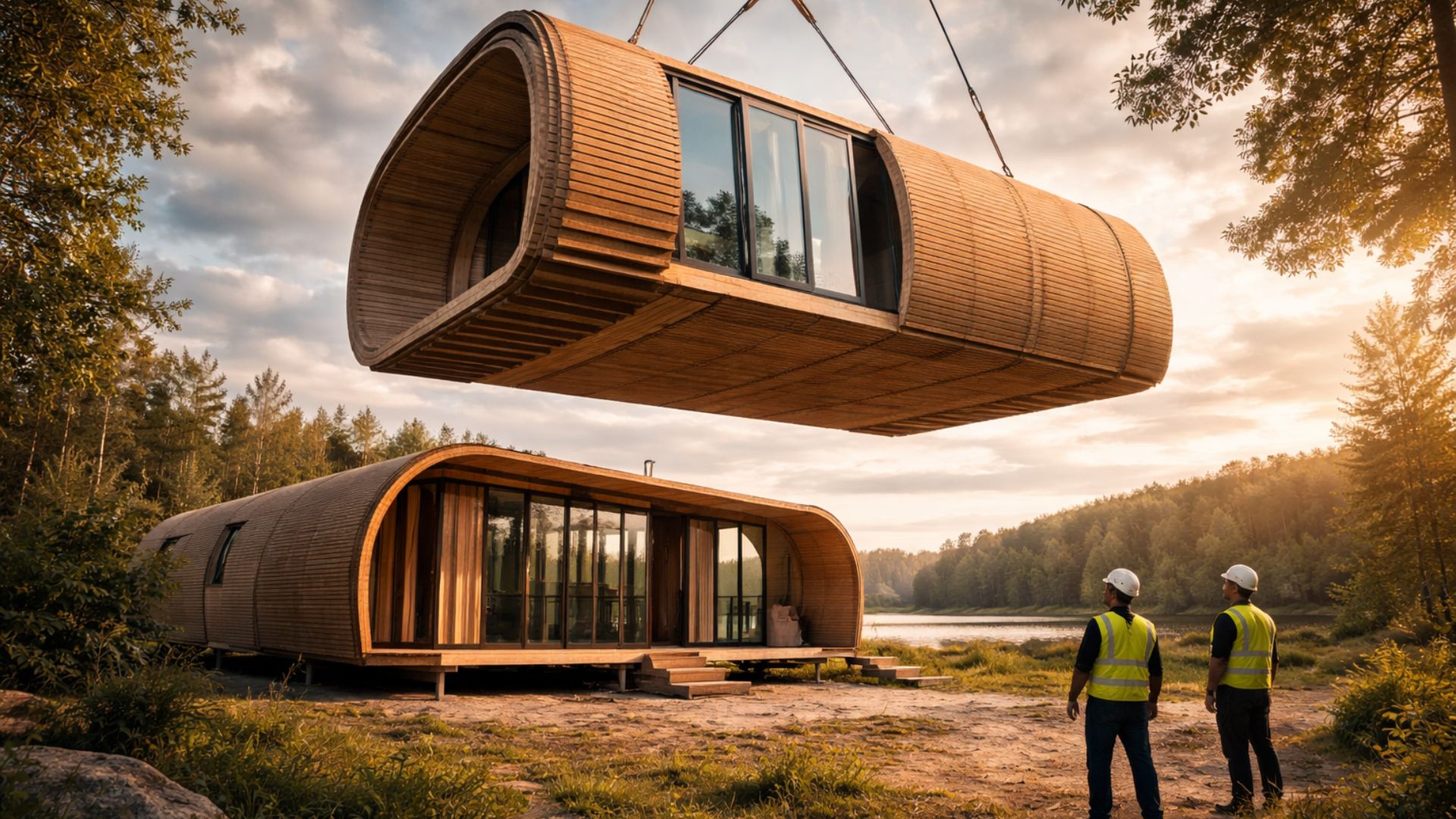
Without bricks, without cement, and without endless construction: the cardboard house that is assembled in modules and can be moved.
-
Billions of barrels on the equatorial margin could lead Amapá to double its oil production in Brazil — the state aims to enter the route of companies in the Campos Basin, attract investments, and boost jobs and businesses in the oil and gas sector.

-
Without bricks, without cement, and without endless construction: the cardboard house that is assembled in modules and can be moved.

This upward trend is already visible in Brazil’s main real estate market, that of São Paulo. According to a survey by the Union of the Construction Industry of the State of São Paulo (Sinduscon-SP), in partnership with the Getulio Vargas Foundation (FGV), 57,900 jobs were generated in the 12 months leading up to September, while in the same period last year, the result was only 13,800 jobs.
A recent survey by the Housing Union in the State (SECOVI-SP) indicated a growth of 51.4% in launches in the city of São Paulo and 46.6% in sales, comparing to the same period of the previous year. These figures are better than the national average, which showed a 15.4% increase in launches and a decrease of 2% in sales, still highlighting a disproportion in the regions of the country.
According to the Coordinator of Construction Projects at the Brazilian Institute of Economics of FGV (IBRE-FGV), Ana Maria Castelo, the recovery process in the construction sector has been gaining strength since 2017, after low indicators during the 2015-2016 period. However, the coordinator affirms that the improvement is concentrated in the state of São Paulo, highlighting the current main growth poles as the regions of the Capital, Campinas, Santos, and Belo Horizonte.
Even though moderate, there are indicators that confirm advances in the construction sector and job increases. For example, sales of construction materials saw a 2% increase in the year up to October, and cement sales increased by 3.6%, considering that in the same period last year, the gains were only 1% and 1.5%, respectively.
The outlook is promising, but the recovery is gradual. The Construction Confidence Index of IBRE-FGV marked 87.5 points in October, but is still considerably distant from the historical average of 100 points. A decisive factor is the decrease in the interest rate for financing, as data indicates that this measure puts about 30% of families in a position to take out loans in the Housing Finance System, compared to only 6% when interest is high, above 10% per year.
Expectations for the resumption of the construction sector have allowed entrepreneurs to maintain optimism regarding their activities and the launch of new ventures. There is still a long way to go for construction to return to the levels of previous years, but it is not an exaggeration to say that this year will be the best since 2013, highlighting good prospects for job creation in the sector.









Seja o primeiro a reagir!