





 Portuguese
  English
  Spanish
  3 min of reading
  18 comments


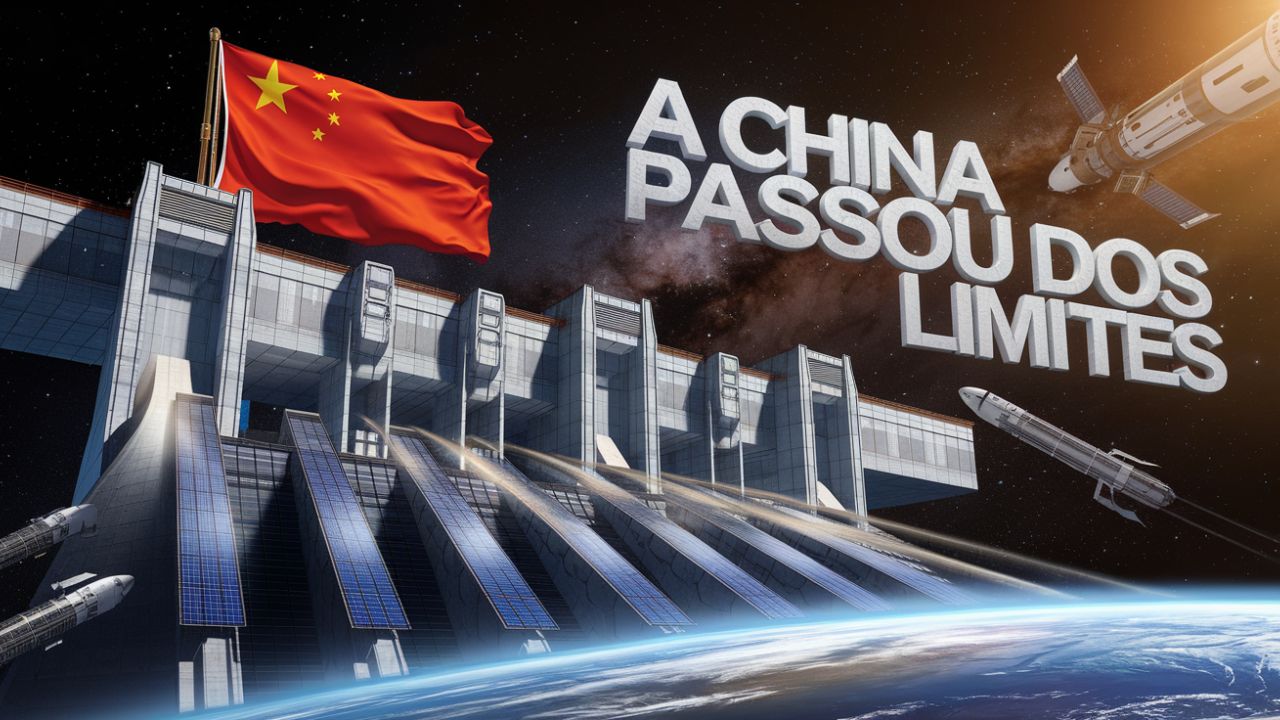


Using Super-Heavy Rockets, China’s Construction Promises to Revolutionize Solar Energy with an Orbital Plant Capable of Harvesting Energy 10 Times More Efficient Than on Earth and Transmitting It Directly to the Planet.
A gigantic solar panel floating in space, collecting energy directly from the sun and sending it back to Earth without interruptions. It sounds like something out of a science fiction movie, doesn’t it? But this is the reality of China’s latest ambitious project: the construction of a solar plant in space, comparable to the grandeur of the Three Gorges Dam, the largest hydroelectric project in the world.
This plan, described by experts as the “Manhattan Project” of the energy sector, promises to change the way we think about clean and sustainable energy.
What Is the “Three Gorges Dam in Space”?
The idea behind the construction is as impressive as the name suggests. Just as the Three Gorges Dam is a symbol of innovation and energy power in China, this “space version” aims for a similar impact, but 36,000 km above Earth.
-
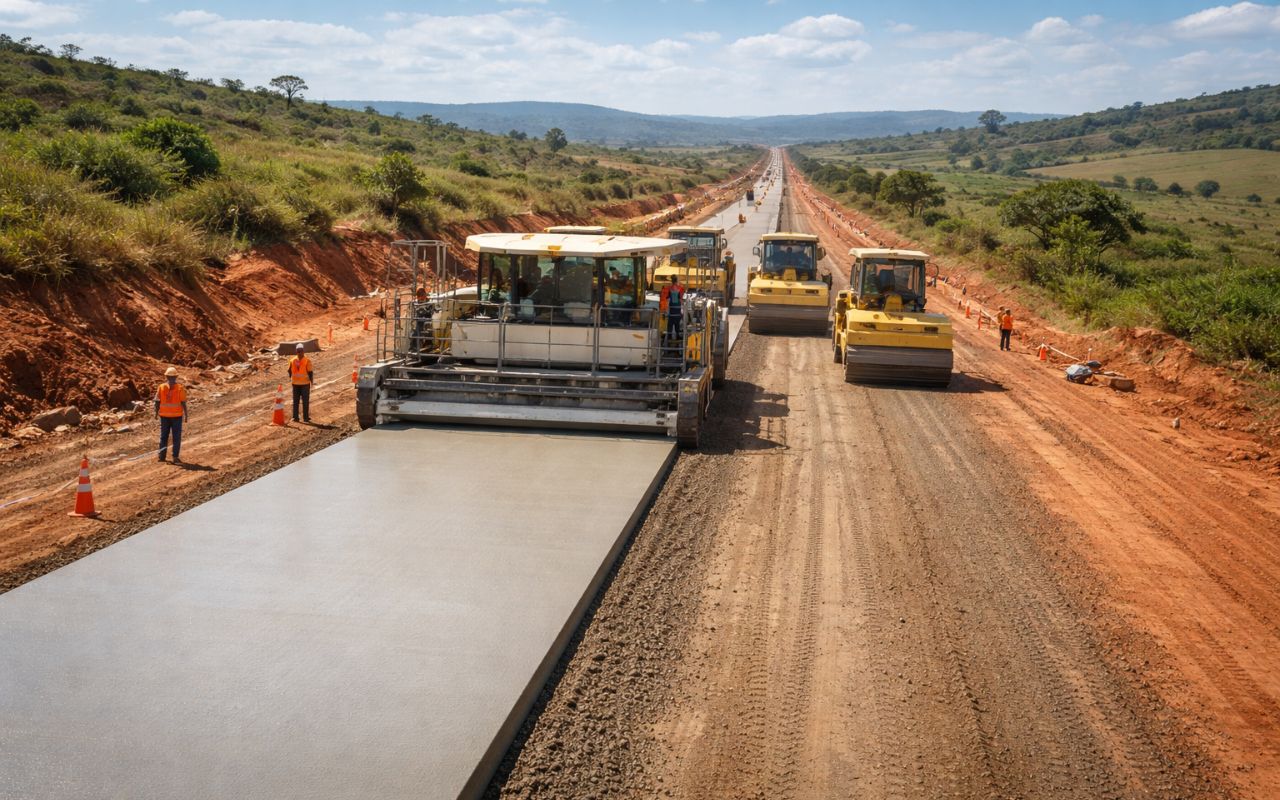
New CCR concrete paving technology promises roads up to 3x more durable, less maintenance, and cost reduction in Brazil.
-
Made from recycled plastic, plastic wood is gaining space in the construction industry because it does not rot, resists moisture, and reduces maintenance costs over the years.

-
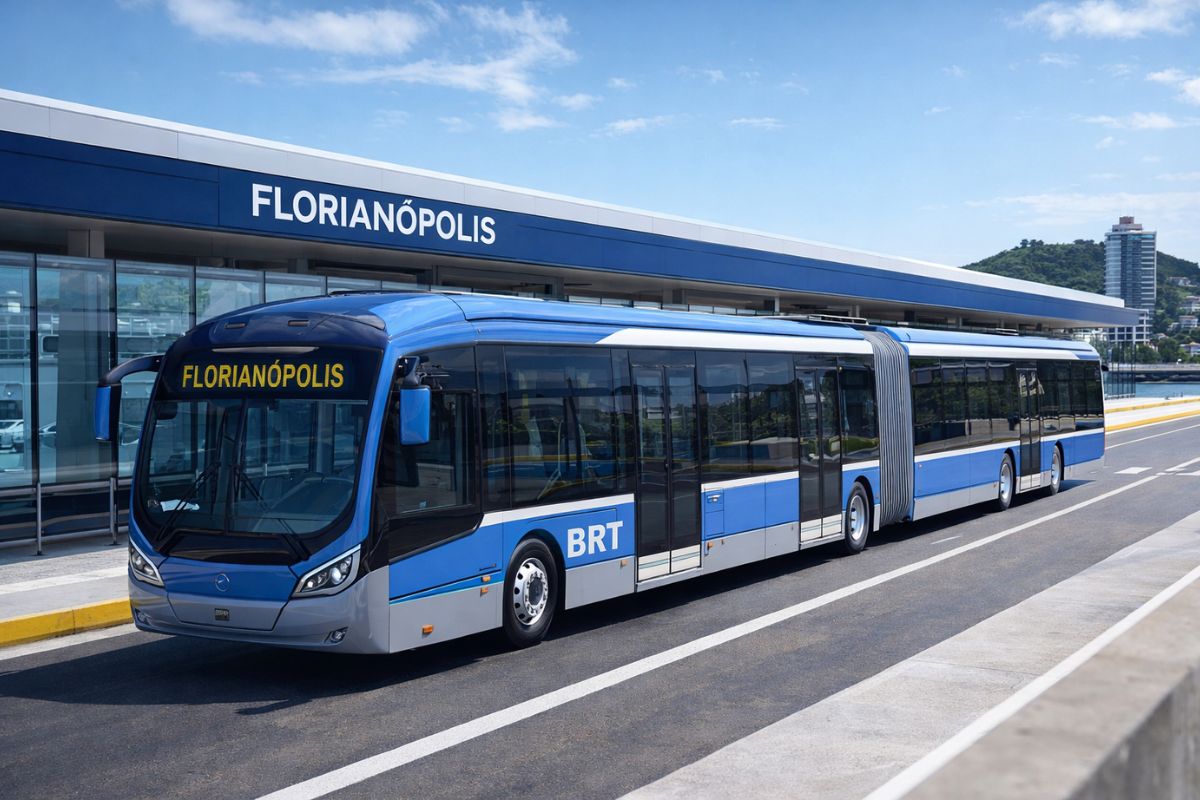
Florianópolis will receive a million-dollar BRT that will begin construction in 2026 with nearly 400 million in funding from the federal government and the Inter-American Development Bank, and the map already shows the routes for the exclusive bus corridors.
-
Without a blueprint, without an engineer, and using scrap from the dump, a father spends 15 years building an 18-room castle for his daughter, featuring tram tracks, 13 fireplaces, and over 700 m², which may now be demolished.


According to Long Lehao, senior scientist and member of the Chinese Academy of Engineering, the goal is to install solar plants in geostationary orbit, where solar energy can be harvested without interference, like clouds or the cycles of day and night. This allows for continuous and much more efficient generation.
How Do Solar Plants Work in Space?

Unlike traditional terrestrial solar panel systems, solar plants in space operate under ideal conditions. The energy density in space is about 10 times greater than on the Earth’s surface, ensuring much higher efficiency.
The concept is simple: giant solar panels capture energy from the sun, and this energy is converted into microwaves or lasers, which are transmitted to antennas on Earth. From there, it is distributed for consumption.
The Role of Super-Heavy Rockets in China’s Construction
To make this project a reality, China relies on its super-heavy rockets. These vehicles will be responsible for transporting the necessary materials to assemble the plants in geostationary orbit.
It’s like building a house in space — except instead of bricks and cement, we use highly technological solar components. This phase is critical and requires maximum precision, as any mistake could cost millions (or even billions) of dollars.
This project reaffirms China’s role as a leader in aerospace innovations, challenging the capabilities of other powers, such as the United States.
Global Impacts and Benefits of the Project
And why does this matter so much? Because the success of China’s construction in this project could open doors to a future where clean and constant energy is accessible to all.
Imagine a world where we no longer depend on fossil fuels or weather conditions to generate electricity. A world where energy crises are a thing of the past. This is the kind of transformation this project promises.
It can put China in a position of leadership in the global energy market, providing technology and know-how to other countries interested in adopting similar systems.
The Challenges of Building in Space
But not everything is simple. Building and operating solar plants in space brings enormous challenges, from the exorbitant cost to safety issues, such as collisions with space debris.
However, history shows that great innovations often face significant barriers before they become reality.









Gente, isso é mentira. Vcs não perceberam que sempre são um monte de notícias grandiosas que nunca se realizam ? Antigamente essas notícias saiam nas revistas físicas, um monte de mentiras para nos fazer clicar em cima para os anunciantes venderem seus produtos, que sentido há nessa besteira de energia vinda do espaço se aqui já temos tecnologia para termos energia elétrica solar infinita ? Já tem países que estão com excedente de energia solar. Dentro de 10 anos vc vai comprar uma placa solar enrolada num tubo no mercado livre e vai jogar no chão do seu quintal e terá energia infinita
Creio que a maior dificuldade a ser superada não será tecnológica, mas política. Se a energia poderá ser enviada à terra na forma de laser, muitos países verão isto como uma arma poderosa na mão dos chineses e irão fazer de tudo para boicotar o projeto.
Uma fração deste investimento poderia aperfeiçoar o uso de bombas térmicas para utilizar a energia calóricas dispersa na atmosfera.
Geralmente o uso de energia elétrica termina em calor.
Se podermos reorganizar o calor para gerar energia elétrica ajudaria até na diminuição do aquecimento global.
A energia elétrica partir do espaço é um passo para mais tarde.
Deveríamos focar em aperfeiçoar o aproveitamento da energia disponível no planeta no momento aperfeiçoar e controlar essa energia. Isso é o passo do gral 1 uma civilização planetária.