





 Português
  Inglês
  Espanhol
  3 min de leitura
  1 comentário


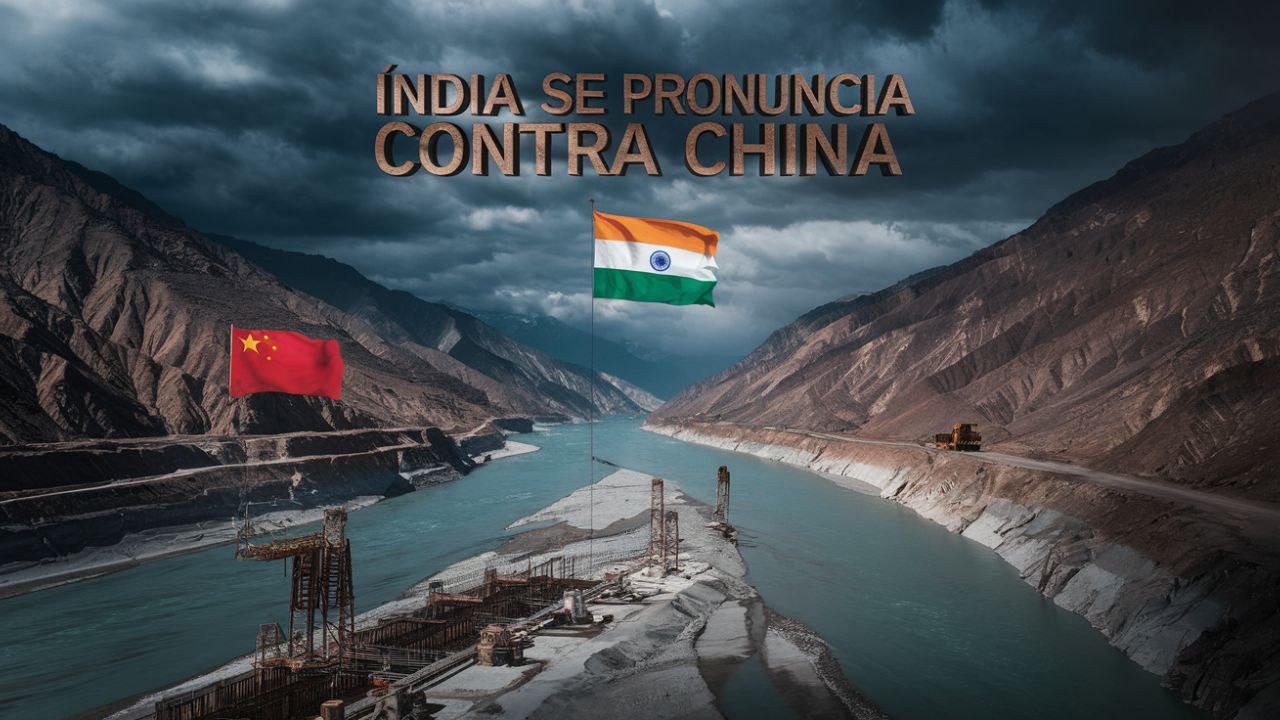


Chinese Project of USD 137 Billion on the Brahmaputra Threatens Millions of Indians with Droughts, Floods, and Geopolitical Tensions; New Delhi Promises to Protect Its Interests.
A silent giant, built to dominate the flow of one of the world’s most powerful rivers, but at the cost of altering the landscape and the fate of millions. This is exactly what China is planning with its megaproject on the Brahmaputra River, or Yarlung Tsangpo, as it is known in Tibet. As Beijing moves forward with its ambition, India responds firmly. But why is this construction so controversial? Let’s explore.
Chinese Ambition and the Megaproject of Construction on the Brahmaputra
When China announced its intention to build the world’s largest dam, the world held its breath. Capable of generating 300 billion kWh of electricity annually, this project makes the famous Three Gorges Dam look small. But unlike it, this new dam will be built in an environmentally sensitive and geopolitically delicate zone.
The location in the Tibetan Himalayas, near the Indian border, places this dam at the epicenter of several concerns. The Himalayas are not only a natural wonder; they are also one of the most seismically active regions on the planet. Any miscalculation could have catastrophic consequences.
-
A megaproject worth R$ 89 billion is advancing in Iraq and promises to change the game in global trade by creating a new corridor between Asia and Europe, reducing traditional routes and repositioning the country as a logistics powerhouse.
-
Goodbye bedside table: floating shelves become a trend in 2026 by freeing up space in the bedroom, improving circulation, bringing visual lightness, and integrating technology without taking up floor space.

-
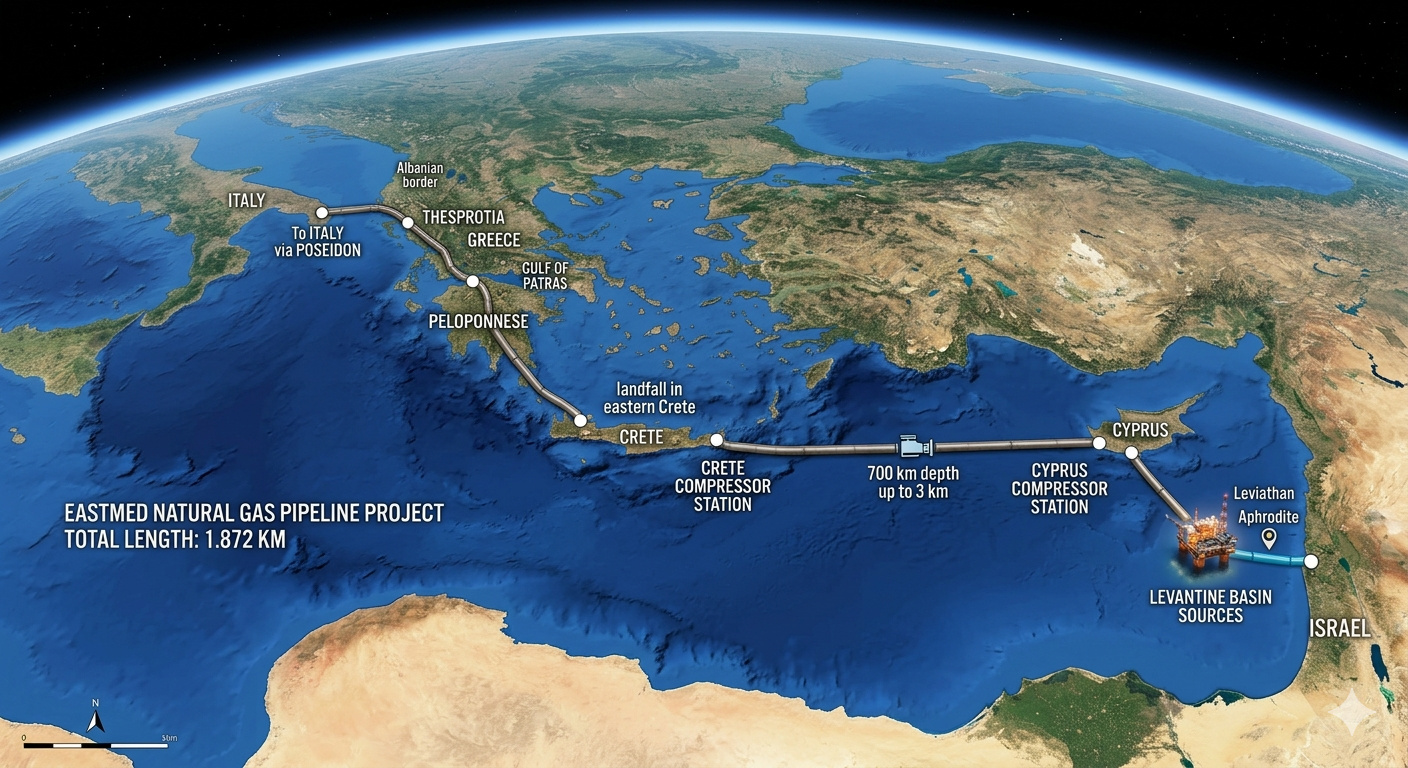
Israel, Greece, and Cyprus signed an agreement in 2020 to transport gas from the Mediterranean to Europe via a 1,872 km pipeline, but Turkey claimed sovereignty over part of the maritime route, and the project never materialized.
-
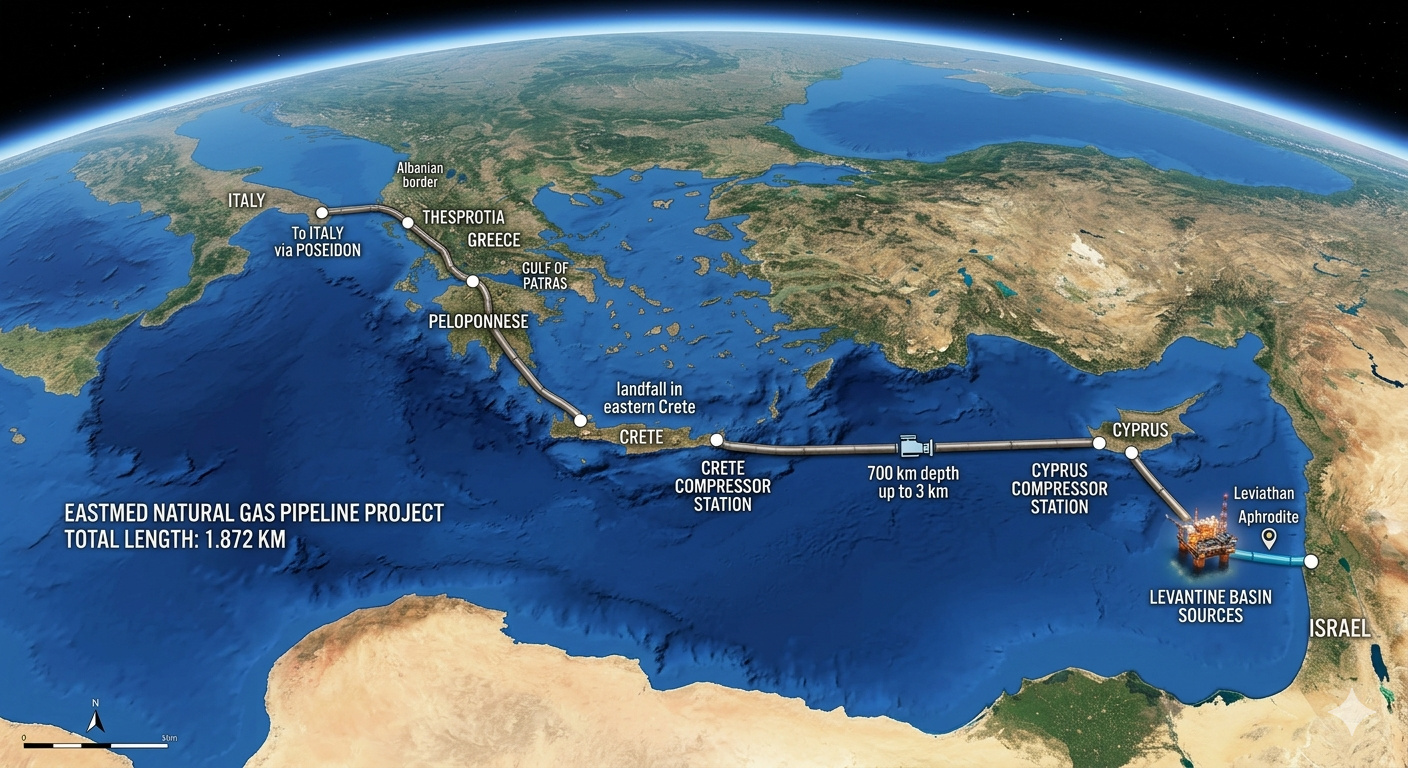
Israel, Greece, and Cyprus signed an agreement in 2020 to transport gas from the Mediterranean to Europe via a 1,872 km pipeline, but Turkey claimed sovereignty over part of the maritime route, and the project never materialized.

India’s Concerns About the Project

The Brahmaputra River is a vital lifeline for millions of Indians living downstream. Changes in flow can mean catastrophic flooding or devastating droughts. This directly affects agriculture, fishing, and even water supply.
The site chosen for the project is in a region highly prone to earthquakes. The construction of a gigantic dam here is like stacking Jenga blocks on a shaky table. The risk of natural disasters is a legitimate and imminent concern.
The Geopolitical Context of the Dispute
The announcement of the dam’s construction reignited old rivalries between the two Asian giants. New Delhi expressed its concerns through diplomatic channels and reiterated that it will protect its interests. The tensions are not just about the environment; they also reflect a struggle for power and influence in the region.
Water, a vital resource, could become the pivot of future disputes between the two countries. Genevieve Donnellon-May, a geopolitics expert, warned of the potential for “water wars.” Are we on the brink of a new type of international conflict?
Technical Aspects and Environmental Impacts of the Construction
The estimated cost of USD 137 billion makes this the largest infrastructure project in the world. Its impressive scale is accompanied by uncertainties, especially regarding the number of people who could be displaced and the impact on local fauna and flora.
Besides impacting the river’s course, the construction of the dam will alter entire ecosystems. The balance between progress and environmental preservation will be tested like never before.
How India and China Can Navigate This Challenge
The solution to this dilemma may lie in dialogue and cooperation. Transparency and consultation among riparian nations are crucial to avoid an environmental and social disaster.
This megaproject represents a milestone in human development, but also a test of our responsibility as stewards of the planet. How far are we willing to go in the name of progress? And who will pay the price?
This is a critical chapter in the relationship between India and China, where the future of millions depends on decisions made in the present. And what do you think about this?








Mais uma vez o binômio progresso/meio ambiente se defrontam em ações humanas dessa ordem. E mais uma vez se faz necessário ter-se como pilar um enfoque nem sempre considerado: SUSTENTABILIDADE! Sem este, o que certamente veremos é uma repercussão já posta em milhares de situações vistas mundo a fora quando se trata de ações que implicam algum tipo de desequilíbrio facilmente previsto. Resultados catastróficos , sequelas de toda ordem. Então é simples… sobre bases SUSTENTÁVEIS sim. Caso contrário, difícil calcular a extensão das penas a advir.