





 Português
  Inglês
  Espanhol
  3 min de leitura
  0 comentários


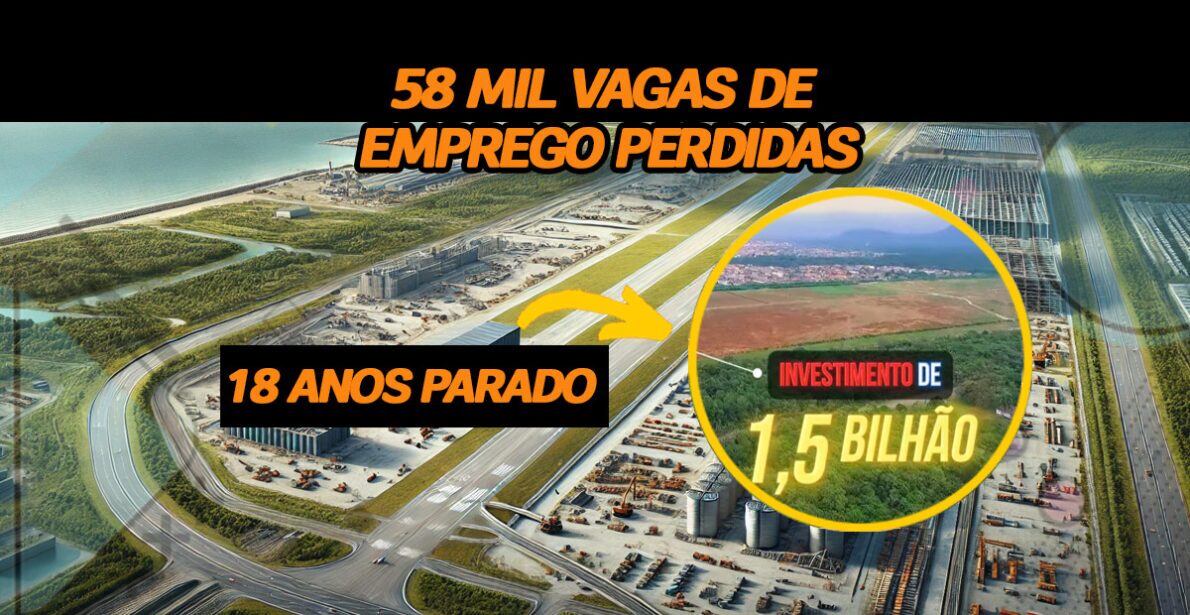
Discover Why The Construction Of The Giant Airport Costing R$ 1.5 Billion, Which Could Create Up To 58 Thousand Jobs, Has Been Stagnant For Nearly Two Decades!
In a scenario where growth and economic development opportunities are waiting, a colossal project is stalled due to a complex web of bureaucracy.
What could be a turning point for the economy of the Baixada Santista Metropolitan Region is stuck in a sea of uncertainties.
The construction of an airport planned to generate up to 58 thousand jobs and move around R$ 1.5 billion has been paralyzed for nearly two decades.
-
Brazilian city gains industrial hub for 85 companies that is equivalent to 55 football fields.

-
Peugeot and Citroën factory in Argentina cuts production by half and opens a layoff program for more than 2,000 employees after Brazil drastically reduced purchases of Argentine vehicles.

-
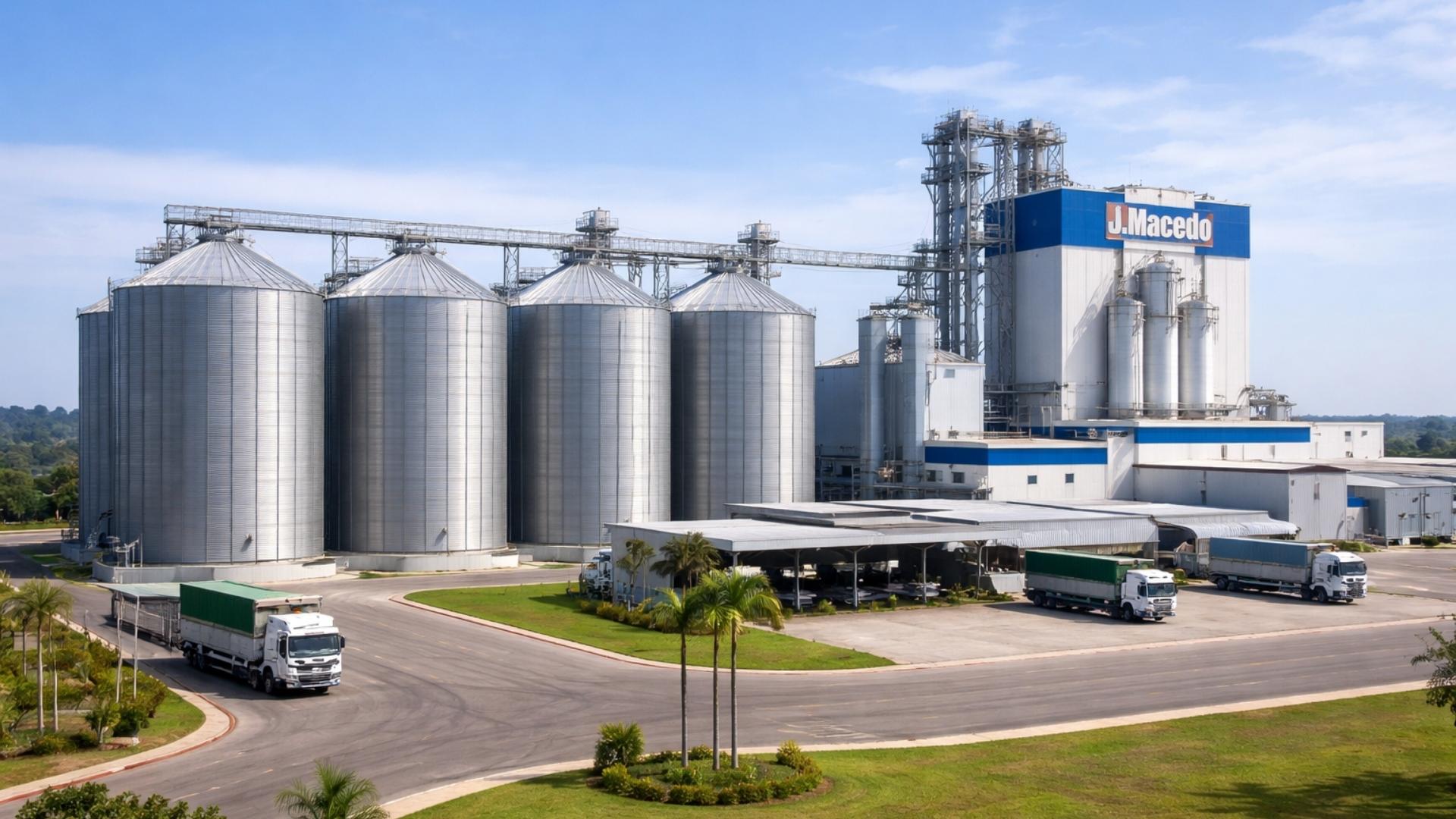
A Brazilian city gains a factory worth R$ 300 million with the capacity to process 200 thousand tons of wheat per year, a mill of 660 tons/day, silos for 42 thousand tons, and an industrial area of 276 thousand m².
-
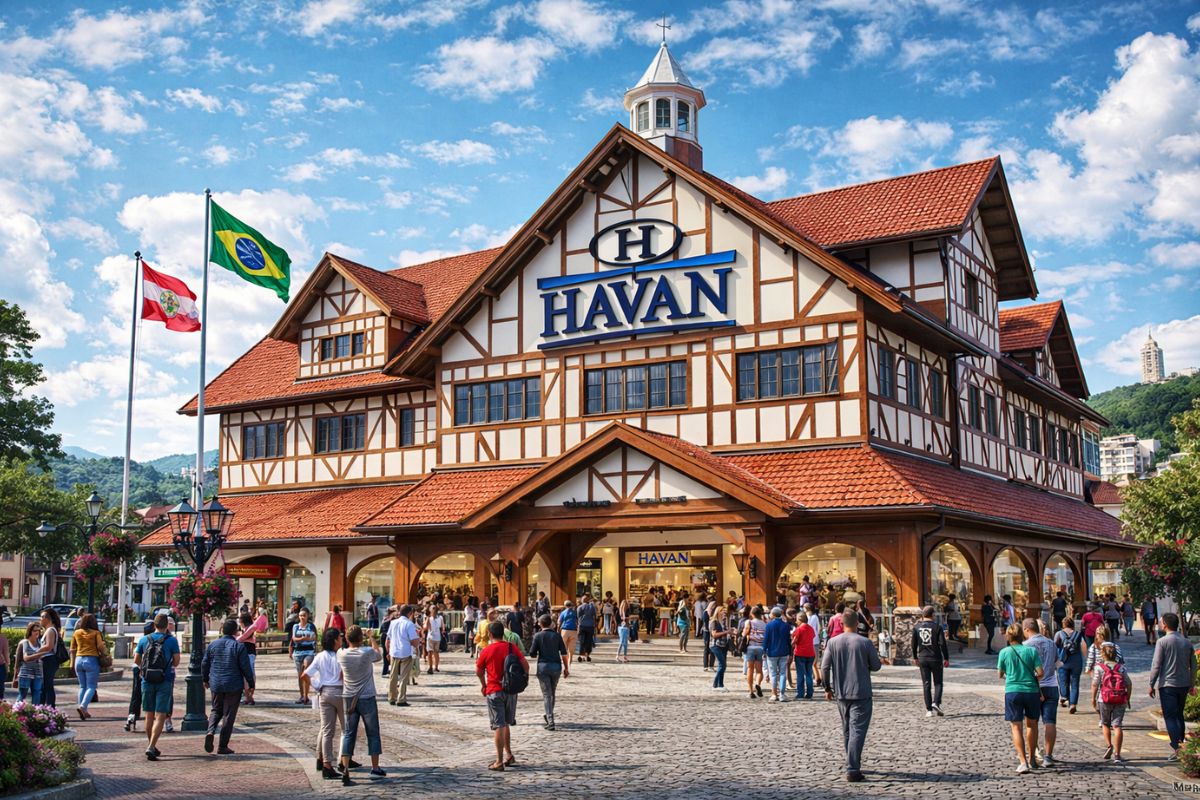
Havan will leave the shopping mall in Blumenau to inaugurate something that the chain has never done before: a megastore in half-timbered style in the Historic Center of the city, which is expected to be completed in May and change the landscape of local retail.

The reason? Bureaucracy and a series of administrative hurdles that block the advancement of a project with transformative potential.
The Fight Against Bureaucracy At The Airport
Since Cetesb, the environmental agency linked to the State Government, reversed its decision and suspended the environmental license four years ago, the airport project has faced enormous challenges.
According to Nilson Regalado from Gazeta de S. Paulo, the suspension not only stalled the progress of the work but also triggered a series of negative consequences for the development of the region.
Even after a favorable ruling from the São Paulo Court of Justice (TJ-SP) in October 2021, the licensing remains blocked.
Potential Impact On The Regional Economy
The enterprise, named Andaraguá Airport and Business Complex, promises to significantly elevate the Gross Domestic Product (GDP) of the region.
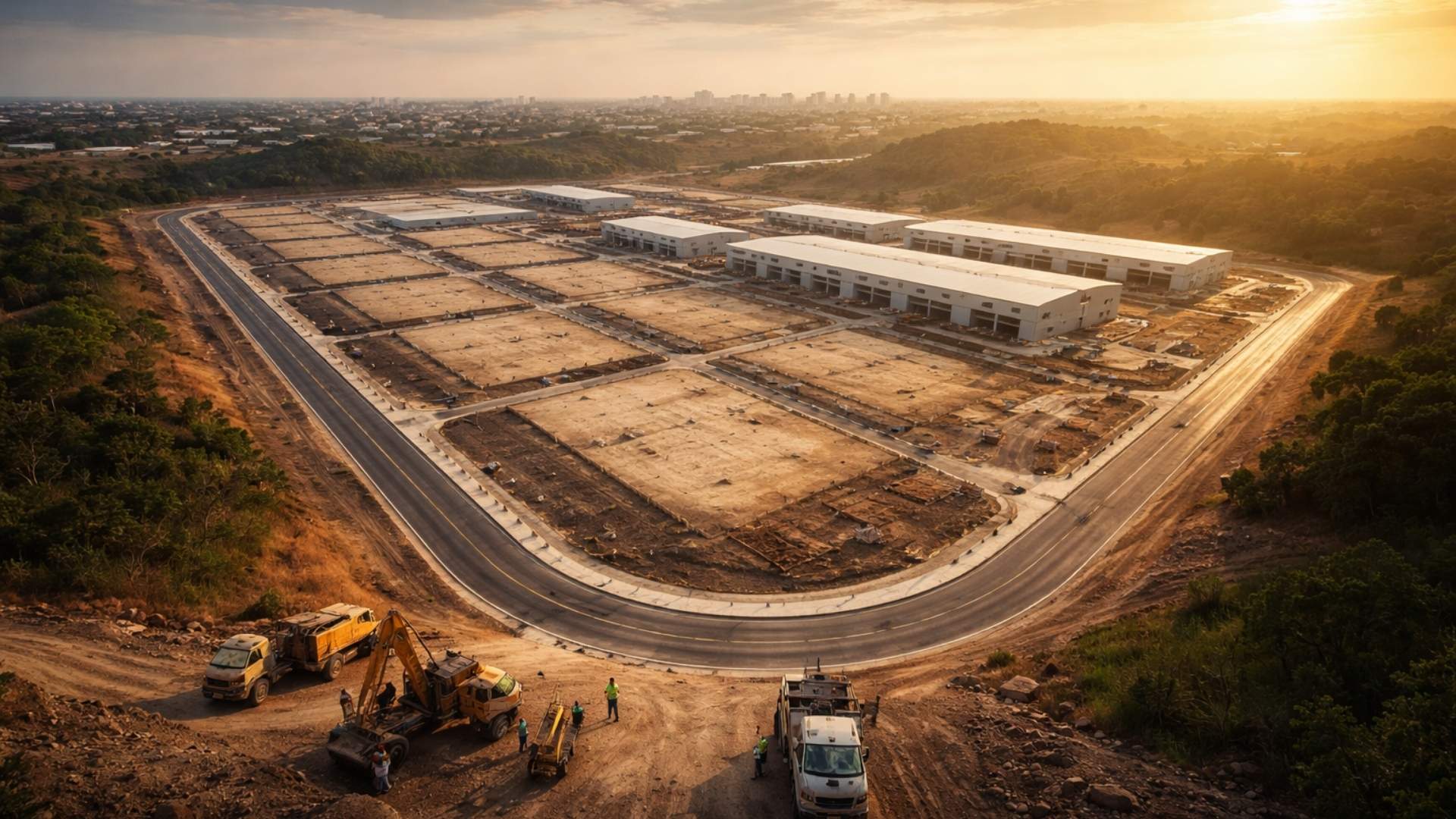
The project includes the construction of a runway twice the size of the runway at Santos Dumont Airport in Rio de Janeiro, and the installation of 847 thousand square meters of industrial warehouses similar to Export Processing Zones (EPZs).
According to studies conducted by Icipar Empreendimentos e Participações S/A, the complex could not only increase the GDP of Praia Grande and São Vicente but also promote a 20% growth in municipalities with more modest economic activity, such as Mongaguá, Itanhaém, and Peruíbe.
Administrative And Political Challenges
Businessman André Ursini, shareholder of the Andaraguá Complex, highlighted that the lack of administrative continuity at Cetesb, which has had three different governors in four years, may have contributed to the sluggishness in the licensing process.
“The weight of the State Government is crucial for projects like Andaraguá. This shouldn’t be an entrepreneur’s project; it should be a State project,” Ursini said.
He believes that the lack of an integrated solution is hindering a project that could bring great benefits to the region.
Future Perspectives And Benefits
The Andaraguá project is ambitious and aims to create a robust business environment, including not only the airport but also industries and a shopping center with 87 stores.
In addition, the area of 12 million square meters, located along the Padre Manoel da Nóbrega highway, will be partially preserved as a Private Natural Heritage Reserve (RPPN), with the creation of a foundation aimed at training the local workforce.
What Is At Stake
With the potential to generate up to 58 thousand direct and indirect jobs, the Andaraguá Complex represents an unprecedented opportunity for economic development.
“It is quality employment, with above-average salaries. And today there is no longer industry like we saw 30, 40 years ago in Cubatão, with those smokestacks. Today, industry is clean,” explains André Ursini.
As bureaucracy continues to stymie the project’s progress, the need for a quick and effective solution becomes increasingly evident.
The Andaraguá Complex is not just a large-scale project; it is a promise of economic and social change for the entire region.
The question that remains is: how much longer will the region have to wait for real progress? Do you believe that the lack of a quick solution for the Andaraguá project could affect other economic development initiatives in the region? Share your opinion in the comments!








Seja o primeiro a reagir!