





 Portuguese
  English
  Spanish
  2 min of reading
  0 comments


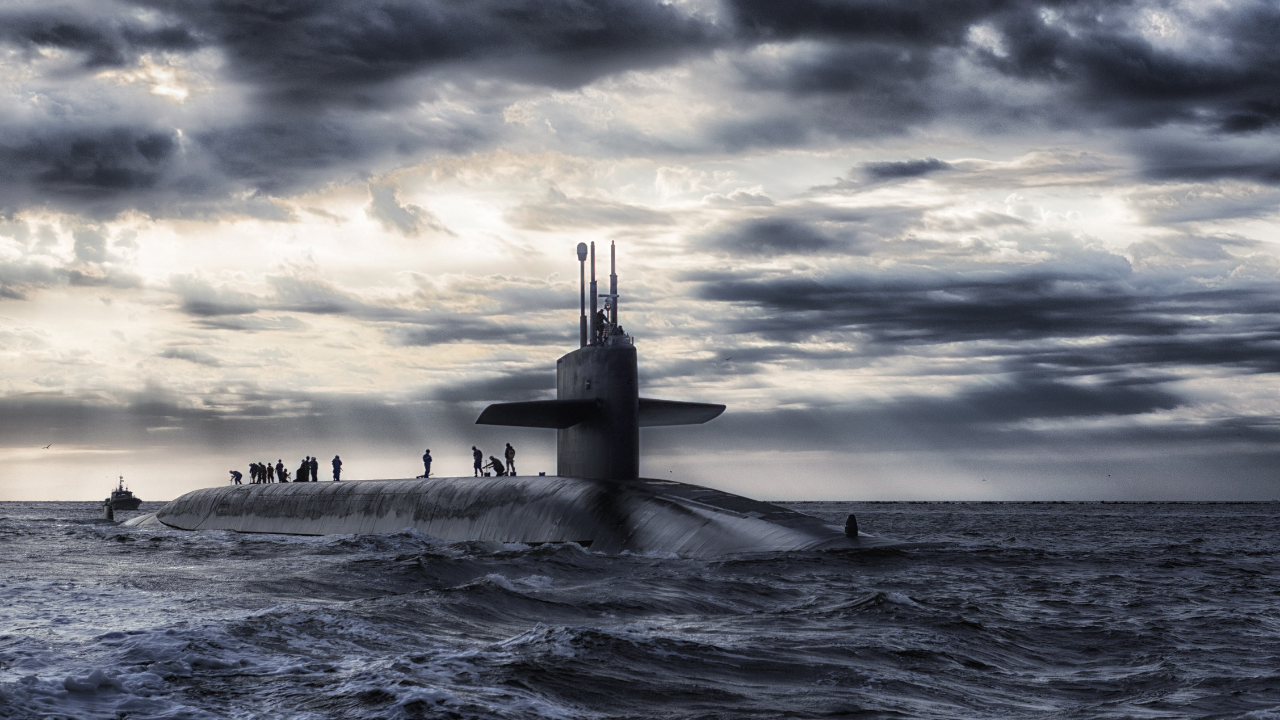
United Kingdom Announces Billion-Pound Investment in Nuclear Submarine Construction, Strengthening Its Defense Industry and Expanding Presence in AUKUS.
The UK government announced this week one of the largest investments in its defense history: over £6 billion will be allocated for the construction of submarines, boosting the country’s industrial and military sector.
The funding is part of a strategic review of defense spending led by Prime Minister Keir Starmer and will be distributed over the next four years.
The plan includes the production of the new class of nuclear attack submarines SSN-AUKUS, in collaboration with the United States and Australia, within the AUKUS alliance.
-
Europe is trying to create an ammonia-powered marine engine without auxiliary fuel, which could unlock the race for giant emission-free ships. The technology aims to eliminate one of the biggest obstacles to clean maritime propulsion.

-
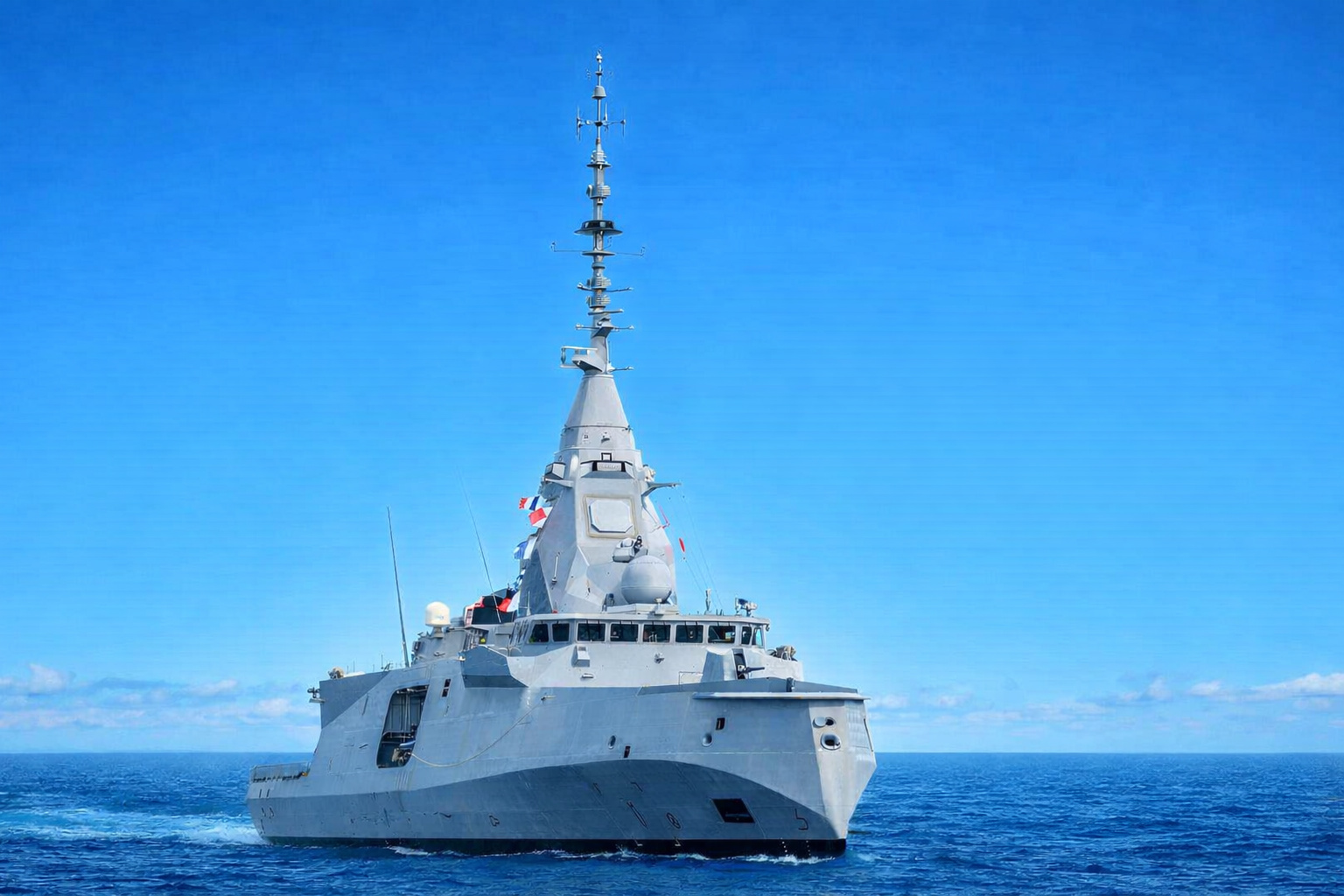
A 4,500-ton frigate with just over 100 crew members, state-of-the-art radar, and cruise missiles is being touted as the new standard of naval warfare in the 21st century.
-
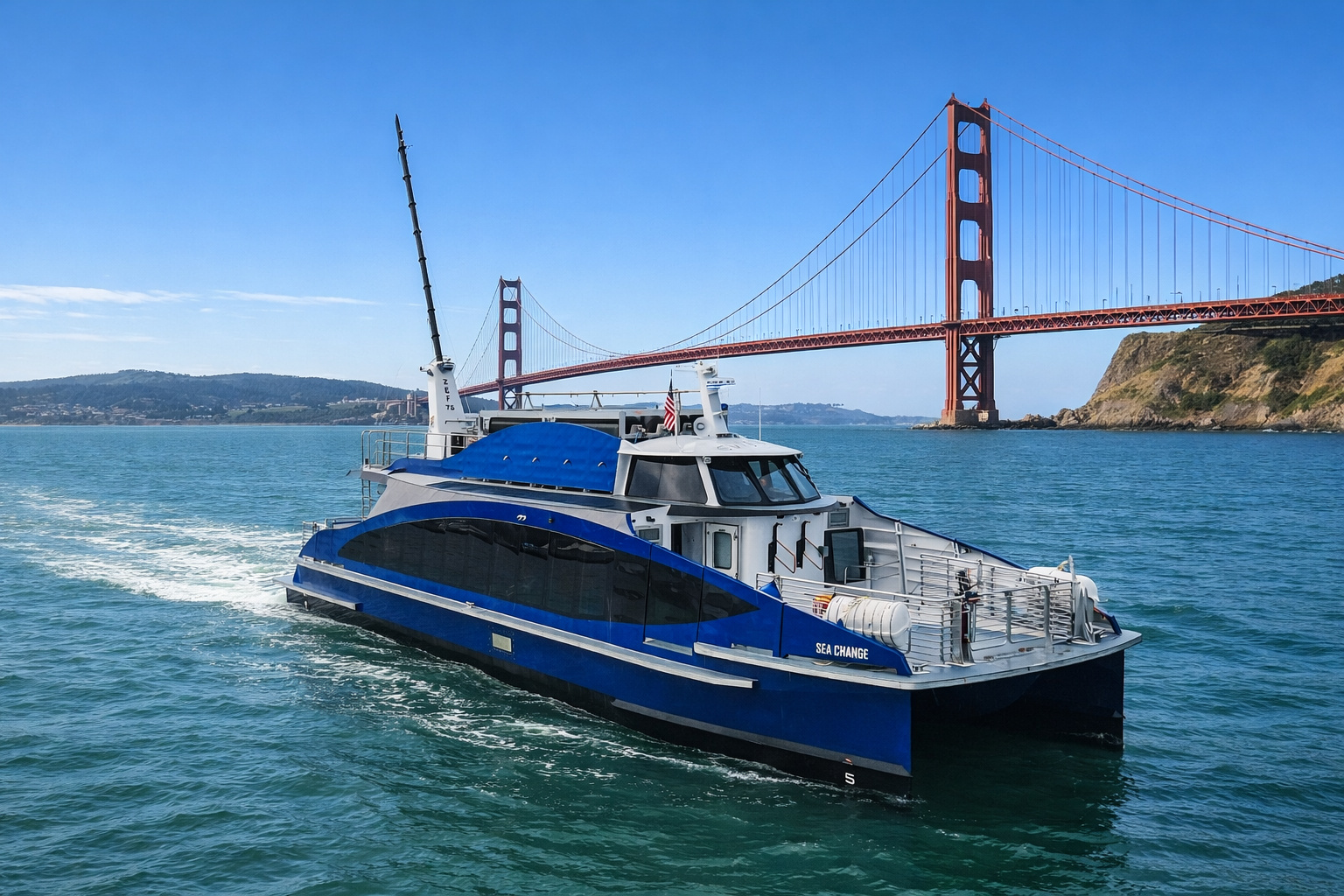
The first commercial hydrogen-powered ferry enters operation in the U.S., eliminates the use of diesel, uses fuel cells to generate clean energy on board, and transforms San Francisco Bay into a landmark of the new era of emission-free navigation.
-
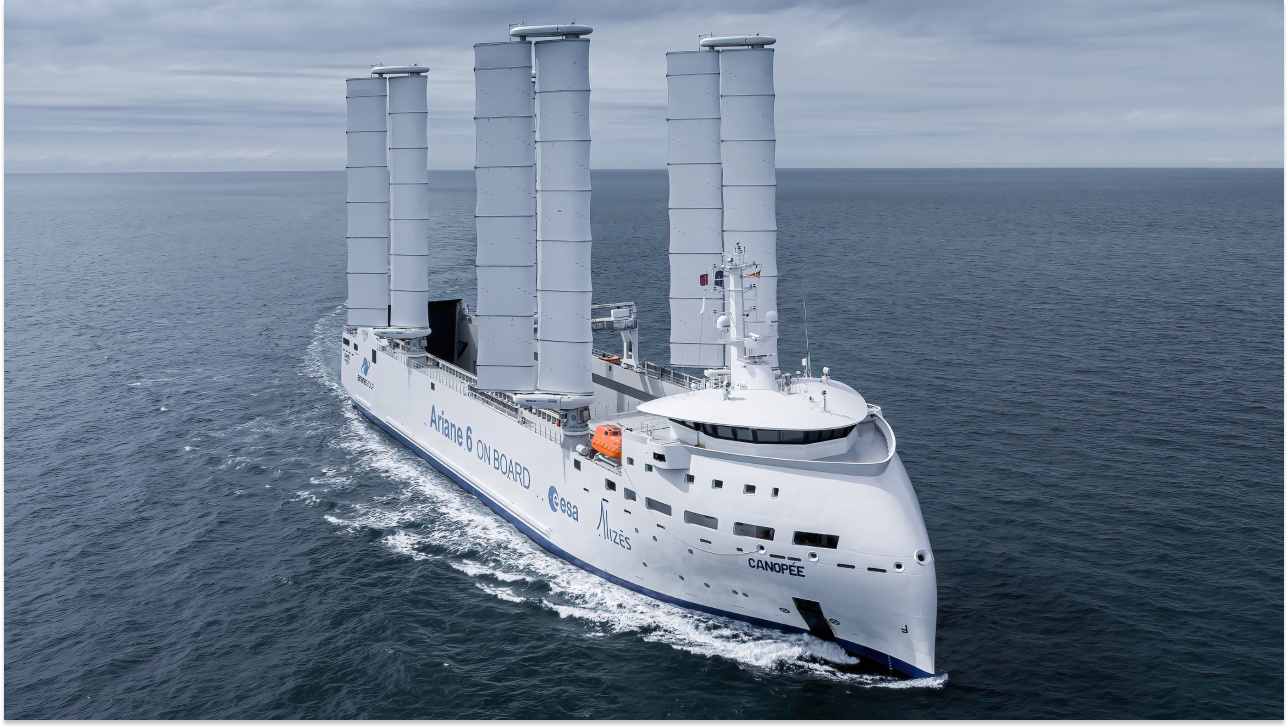
With a length of 121 meters and four rigid sails of 36 meters that automatically rotate to capture the wind, Canopée is the world’s first hybrid industrial cargo ship powered by wind, used to transport rockets and reduce fuel consumption by up to 30% on transoceanic routes.

The goal is to expand the current fleet of seven Astute-class submarines to up to 12 units by the end of the 2030s.
Key Industrial Centers Will Be Strengthened with the Investment
Giants BAE Systems in Barrow-in-Furness and Rolls-Royce Submarines in Derby will be directly benefited.
In addition, the plan provides for £4 billion in improvements to naval infrastructure, including the base in Plymouth and the base in Faslane, Scotland — home of the British nuclear fleet.
Another highlight is the support for Sheffield Forgemasters, an essential steel supplier for submarine components, ensuring that the production chain remains in British territory.
More Jobs and Technological Autonomy Boost British Economy
According to Defense Secretary John Healey, the program is expected to generate more than 30,000 direct jobs, with a focus on 17,000 positions in Barrow and 1,170 in Derby.
Submarine production is expected to double, reaching the target of one submarine every 18 months.
“These investments, combined with the dedication and skills of the professionals who build and operate our submarines, will ensure that we can meet threats and protect the country both at home and abroad,” Healey emphasized.
The SSN-AUKUS program also includes the transfer of advanced technology between the three member countries of the alliance and the construction of five submarines for Australia.
Construction of Submarines Is Part of Strategy to Increase Defense Spending by 2027
The new British military plan goes beyond submarines. It includes the construction of up to six ammunition factories, the acquisition of more than 7,000 domestically produced long-range weapons, and the modernization of the nuclear arsenal.
The goal is to increase military spending from the current 2.3% to up to 3% of GDP by 2027.
The decision reflects growing global geopolitical pressure and the need for greater European autonomy in defense, especially in light of increased naval presence from Russia and China.








Seja o primeiro a reagir!