





 Português
  Inglês
  Espanhol
  4 min de leitura
  0 comentários


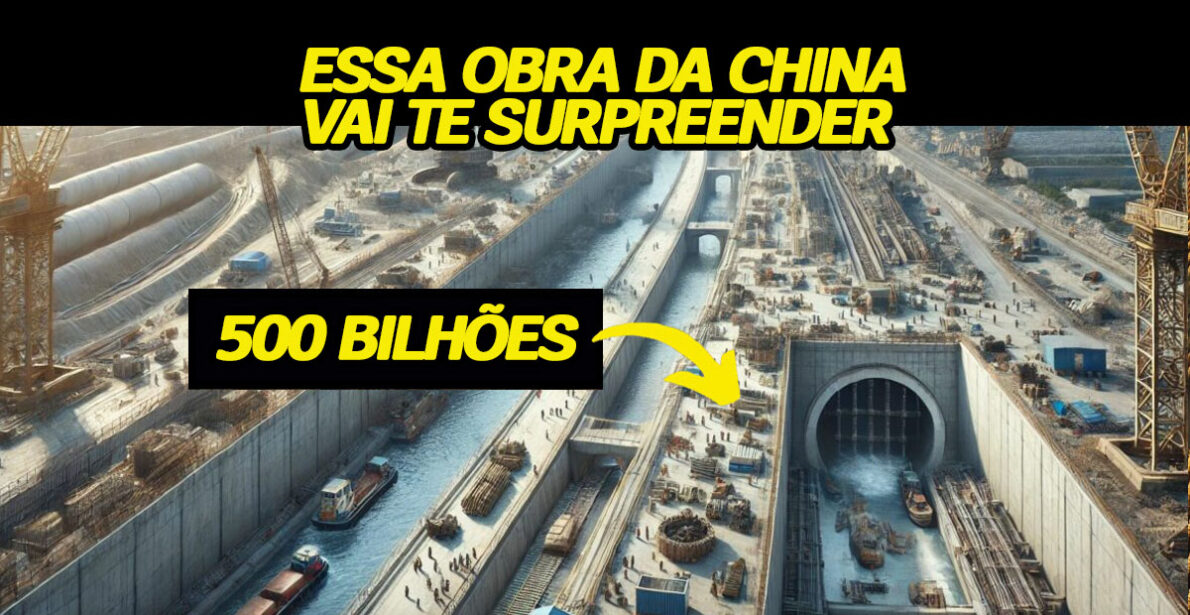
China Is Leading One of the Largest and Most Ambitious Infrastructure Projects in the World: The South-North Water Diversion Project.
This project aims to resolve the water crisis in the northern part of the country and is scheduled to be completed by 2050.
With over 70,000 workers mobilized and an impressive amount of concrete and steel used, exceeding 200,000 tons, the undertaking is a true challenge in terms of engineering and logistics.
Behind this mega-project, which has already consumed billions of dollars, there is much more than just striking numbers.
-
A megaproject worth R$ 89 billion is advancing in Iraq and promises to change the game in global trade by creating a new corridor between Asia and Europe, reducing traditional routes and repositioning the country as a logistics powerhouse.

-
Goodbye bedside table: floating shelves become a trend in 2026 by freeing up space in the bedroom, improving circulation, bringing visual lightness, and integrating technology without taking up floor space.

-
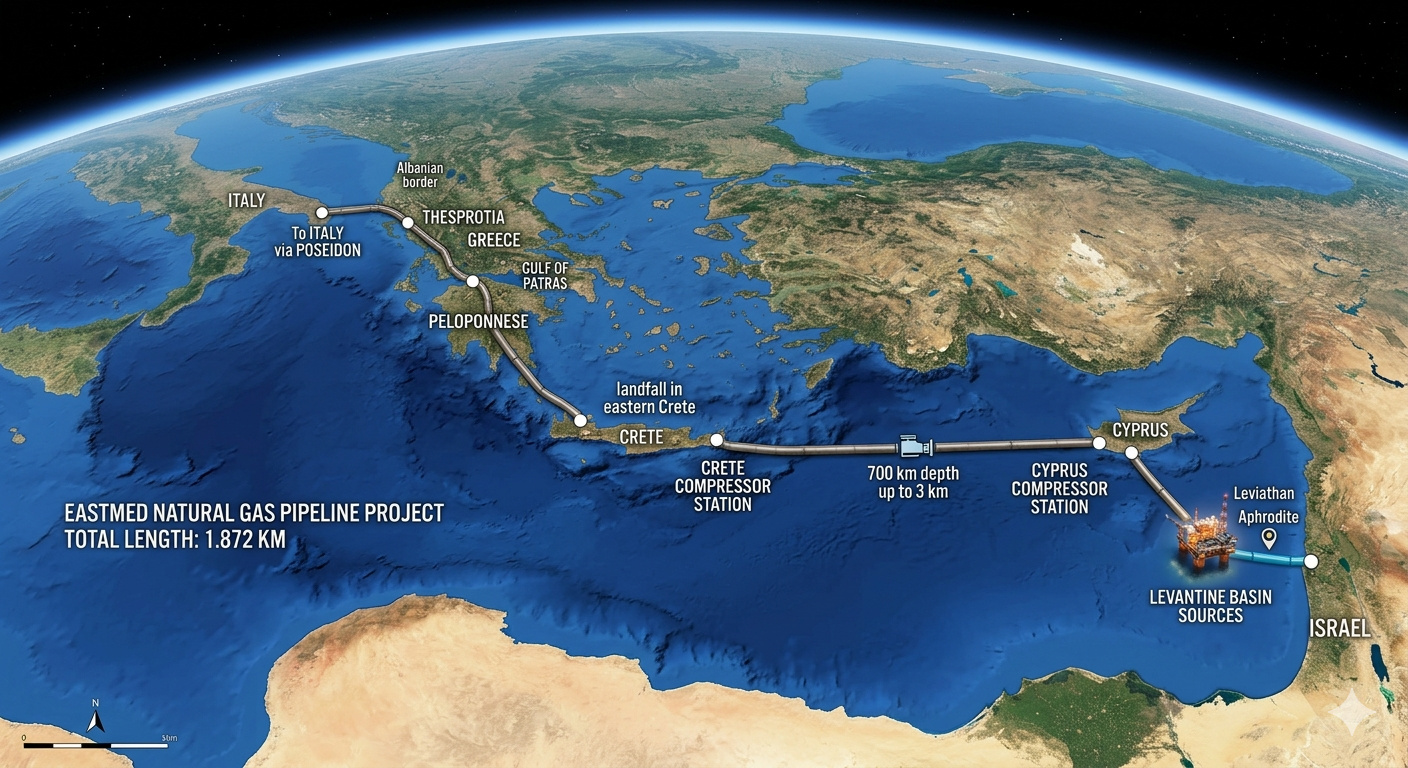
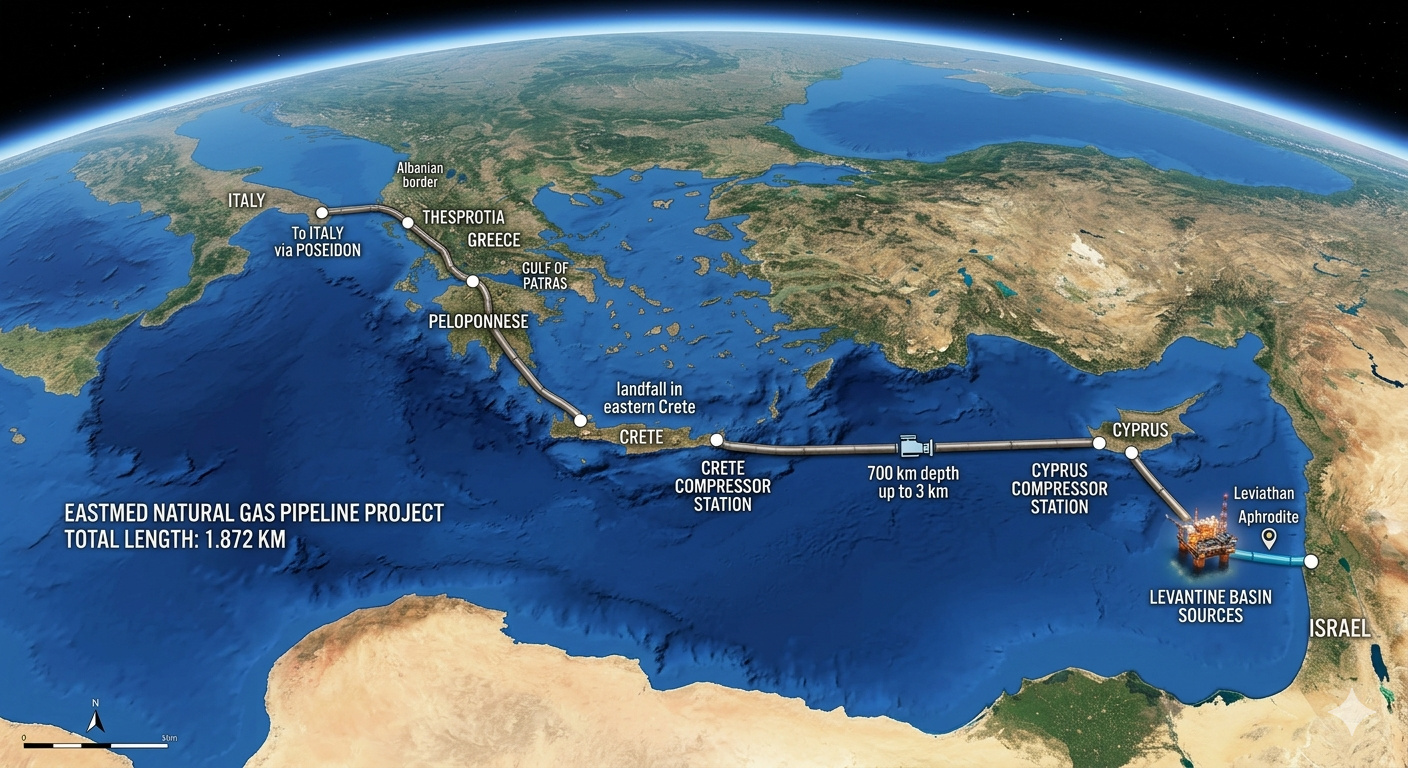
Israel, Greece, and Cyprus signed an agreement in 2020 to transport gas from the Mediterranean to Europe via a 1,872 km pipeline, but Turkey claimed sovereignty over part of the maritime route, and the project never materialized.
-
Israel, Greece, and Cyprus signed an agreement in 2020 to transport gas from the Mediterranean to Europe via a 1,872 km pipeline, but Turkey claimed sovereignty over part of the maritime route, and the project never materialized.

China, with its constant advancements in engineering, is transforming its territory in ways that could drastically alter geopolitics and the future of its population.
What is behind this billion-dollar construction? The details about this massive initiative show that it challenges not only the limits of engineering but also environmental dynamics while attempting to solve water issues impacting millions.
The Origin and Objective of the Project
The South-North Water Diversion Project began to be conceived in the mid-20th century, with official construction starting in 2002.
The goal is to take water from the wettest areas in southern China, where the famous Yangtze River is located, to the north, which faces severe droughts and increasing industrialization.
The project is divided into three major water diversion routes — eastern, central, and western — aiming to transfer about 44.8 billion cubic meters of water per year to densely populated regions crucial to the Chinese economy, such as Beijing and Tianjin.
The Water Diversion Routes in the South-North Water Diversion Project
The first route, known as eastern, is already in operation and brings water from the Yangtze River to Tianjin, crossing several provinces.
The second route, the central, is also underway and transports water from the same river to Beijing and surrounding areas.
However, the western route, which aims to connect the Yangtze River to the arid regions of Qinghai and Xinjiang, is still in the planning phase and is considered the most challenging part of the project. The complexities involve not only the terrain but also environmental and geopolitical issues.
The Economic and Logistical Impact of the South-North Water Diversion Project.
The impact of this monumental work is colossal: with an initial budget of about US$ 79 billion, the total cost of the project is expected to exceed US$ 100 billion (around R$ 500 billion) by its completion.
More than 70,000 workers are directly involved in the construction, and the amount of concrete and steel used has already surpassed 200,000 tons.
Underground tunnels have been excavated to overcome natural barriers, such as the Yellow and Yangtze Rivers, ensuring efficient water transport.
The Social and Environmental Impacts
Despite the optimism of the Chinese government regarding the benefits the project will bring to the north of the country, the work is not free from criticism.
Environmentalists point out that the water diversion could cause severe damage to local ecosystems, as well as displacing entire communities.
It is estimated that more than 300,000 people have already been relocated due to the infrastructure works.
Furthermore, there is a risk that the withdrawal of large volumes of water from the southern rivers may negatively impact the surrounding areas, putting biodiversity at risk.
Another concern is the logistical and financial challenge of the project, with cost estimates continuously rising and long-term viability still uncertain.
However, Chinese authorities maintain an optimistic view that, upon completion of the works, the regions served will have their water scarcity issues resolved, enabling sustainable economic growth and a better quality of life for millions of residents.
Comparisons with the São Francisco River Transposition
When compared to the Brazilian São Francisco River transposition project, it is evident that the scale of the Chinese project is significantly larger.
The transposition in Brazil, although ambitious, has a regional impact, while the Chinese project involves strategic areas for the global economy, as well as a much larger number of beneficiaries.
Another notable difference is the execution time: while the São Francisco transposition took about 20 years to complete, China expects the South-North Water Diversion Project to continue under construction until at least 2050, completing over a century since its planning began.
The Future of the Project and the Challenges Ahead
With a completion forecast for 2050, the biggest challenge of the project will be balancing economic and social benefits with environmental costs and logistical challenges.
The work will transform northern China, providing water to cities and industries, but it may also impact how other countries handle water crises in the future.
The scale of the construction, the involved costs, and the impact it will have on the global landscape ensure that the South-North Water Diversion Project is indeed one of the most expensive and ambitious works in human history.








Seja o primeiro a reagir!