





 Portuguese
  English
  Spanish
  3 min of reading
  0 comments


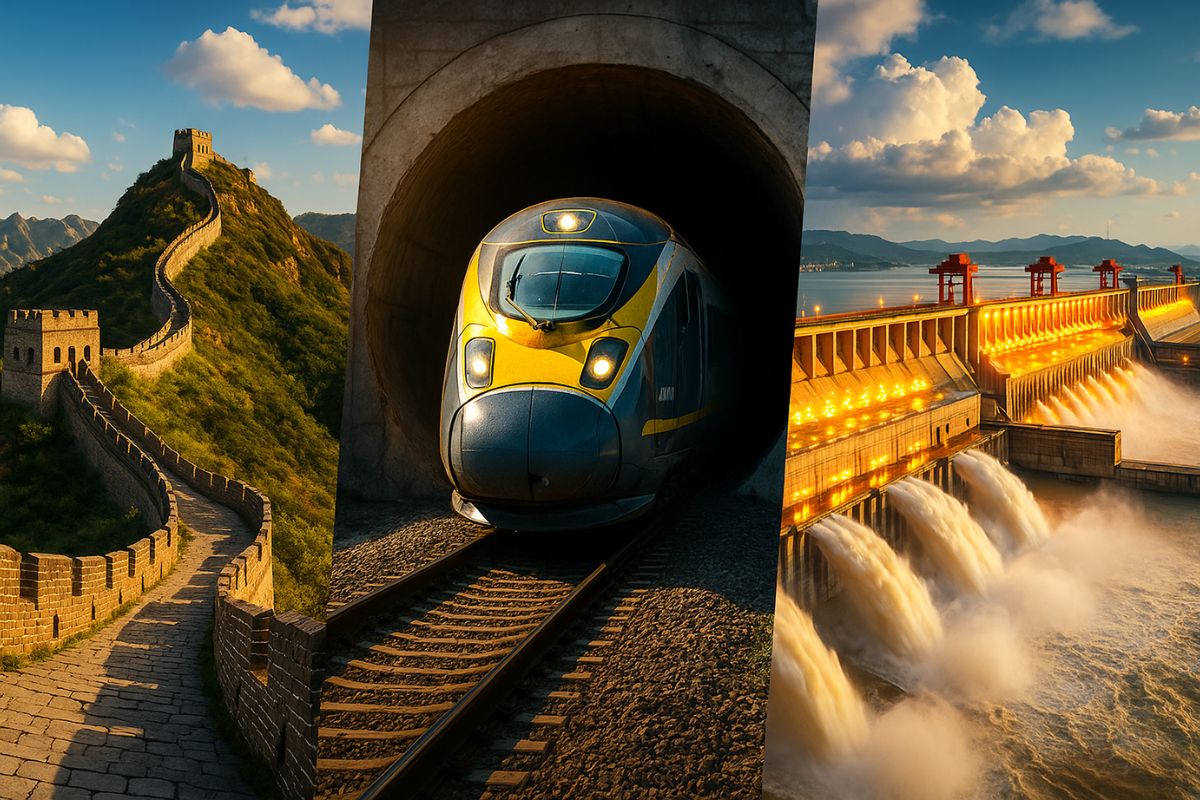
Most Expensive Constructions in History: Three Works That Impress by Cost and Impact. List Reveals the Most Expensive Constructions in History and Shows How They Shaped the Past and Present of Humanity
The most expensive constructions in history are testaments to human capacity to overcome technical and financial limits to erect structures that transformed entire societies. From the defense of empires to monumental energy generation, each of these works marked an important chapter in engineering evolution.
According to a survey based on historical and technical studies, three projects stand out as the most costly: the Great Wall of China, the Channel Tunnel, and the Three Gorges Dam. In addition to the billion-dollar amounts involved, each of these undertakings carries a weight of social, political, and economic impact that spans centuries.
The Great Wall of China: Symbol of Power and Sacrifice
The Great Wall of China is one of the most expensive constructions in history and certainly the most iconic. With over 20,000 kilometers in length, crossing mountains, deserts, and plains, the wall began to be built in the 7th century BC, but it was during the Ming dynasty (14th to 17th centuries) that it took its current form.
-
A megaproject worth R$ 89 billion is advancing in Iraq and promises to change the game in global trade by creating a new corridor between Asia and Europe, reducing traditional routes and repositioning the country as a logistics powerhouse.
-
Goodbye bedside table: floating shelves become a trend in 2026 by freeing up space in the bedroom, improving circulation, bringing visual lightness, and integrating technology without taking up floor space.

-
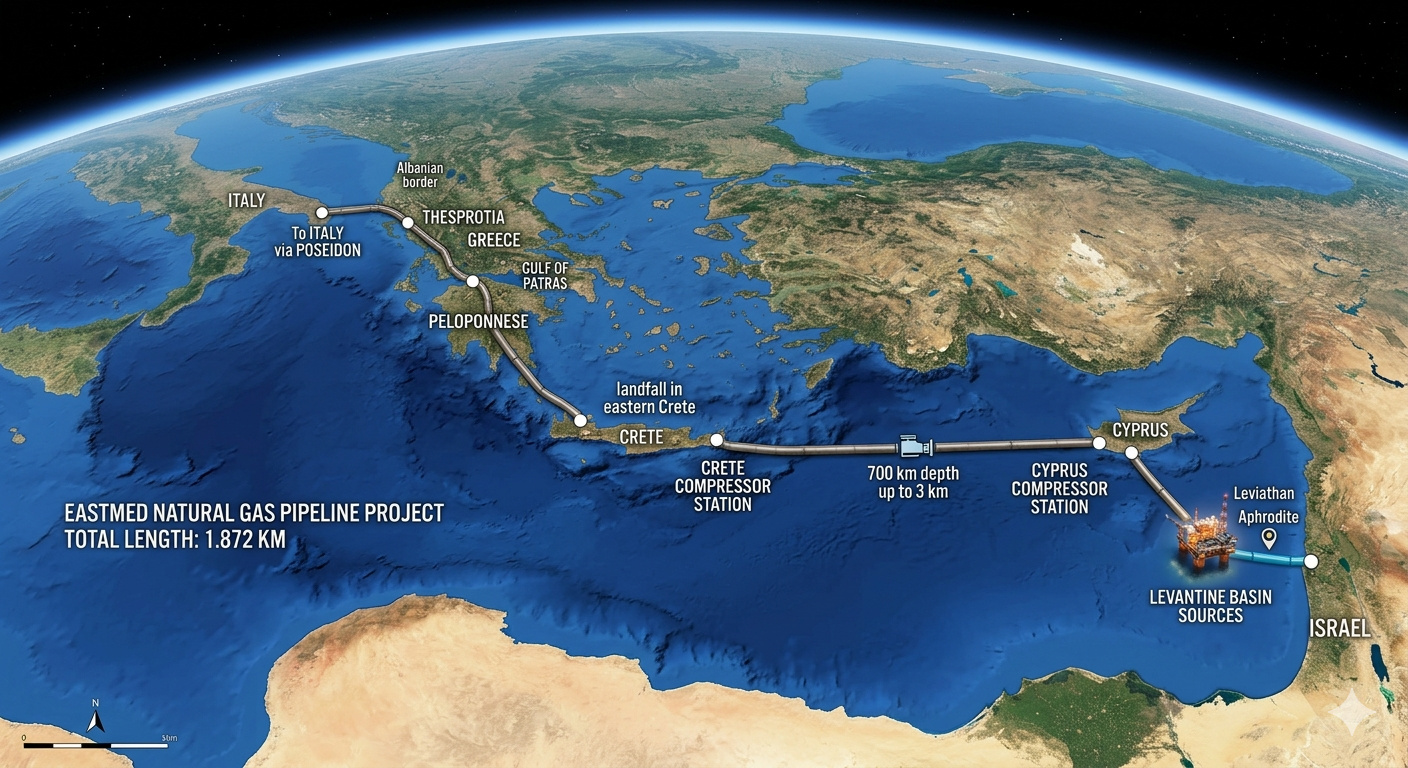
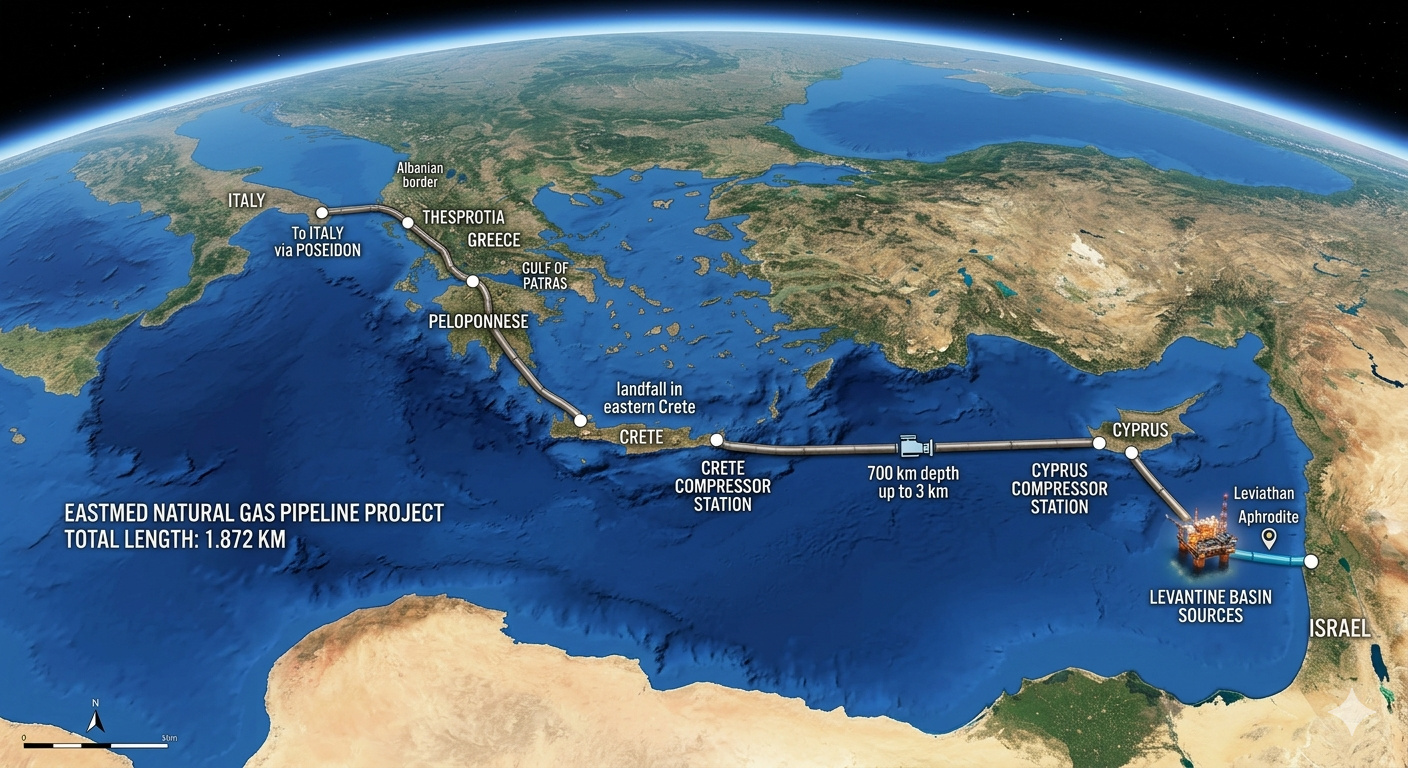
Israel, Greece, and Cyprus signed an agreement in 2020 to transport gas from the Mediterranean to Europe via a 1,872 km pipeline, but Turkey claimed sovereignty over part of the maritime route, and the project never materialized.
-
Israel, Greece, and Cyprus signed an agreement in 2020 to transport gas from the Mediterranean to Europe via a 1,872 km pipeline, but Turkey claimed sovereignty over part of the maritime route, and the project never materialized.

In addition to its military function, aimed at protection against invasions, the Wall also represented cultural isolation and the strength of Chinese dynasties. Millions of workers participated in the construction, including soldiers, peasants, and prisoners. Many lost their lives under extreme conditions, making the Wall also one of the largest cemeteries in the world.
In current values, experts estimate that its construction would cost around 42 billion dollars, considering materials and labor. This calculation illustrates the financial weight of a work that still impresses both in grandeur and human cost.
Channel Tunnel: The Feat That United Nations
Another of the most expensive constructions in history is the Channel Tunnel, also known as the Eurotunnel. With a length of 50.45 kilometers, it is the third longest continuous rail tunnel in the world and connects the United Kingdom to France beneath the waters of the English Channel.
Started in 1988 and completed in 1994, the project took six years to finalize and overcame enormous geological and safety challenges. The total cost exceeded 21 billion dollars, almost double the initial budget. Despite the high expenditure, the project established itself as one of the largest examples of international cooperation and a strategic route for passengers and goods between the two countries.
Three Gorges Dam: Energy on a Colossal Scale
In China, the Three Gorges Dam is one of the largest engineering undertakings ever carried out. Located on the Yangtze River, it is not only the largest hydropower plant in the world in installed capacity but also ranks among the most expensive constructions in history.
Inaugurated in 2003 and officially completed in 2012, the dam cost around 28 billion dollars. Its benefits include massive renewable energy generation, flood control, and improved river navigation. However, the project also brought negative consequences, such as the displacement of millions of people and severe environmental impacts, including changes to local ecosystems.
The Legacy of the Most Expensive Constructions in History
These three works demonstrate how great civilizations and modern governments have been willing to invest colossal sums in projects capable of altering the fate of entire nations. The Great Wall represented defense and power, the Channel Tunnel brought international integration, and the Three Gorges Dam symbolizes the pursuit of energy and modernization.
Despite the criticisms, the human cost, and the environmental challenges, the impacts of these constructions are still felt on a global scale. They reinforce how the price of architectural innovation and engineering can be high, but the results often transform generations.
And for you: were these billion-dollar investments worth it? Do you believe the impact of these works justifies the high cost? Leave your opinion in the comments and join the debate.








-

-

2 pessoas reagiram a isso.