





 Portuguese
  English
  Spanish
  3 min of reading
  0 comments


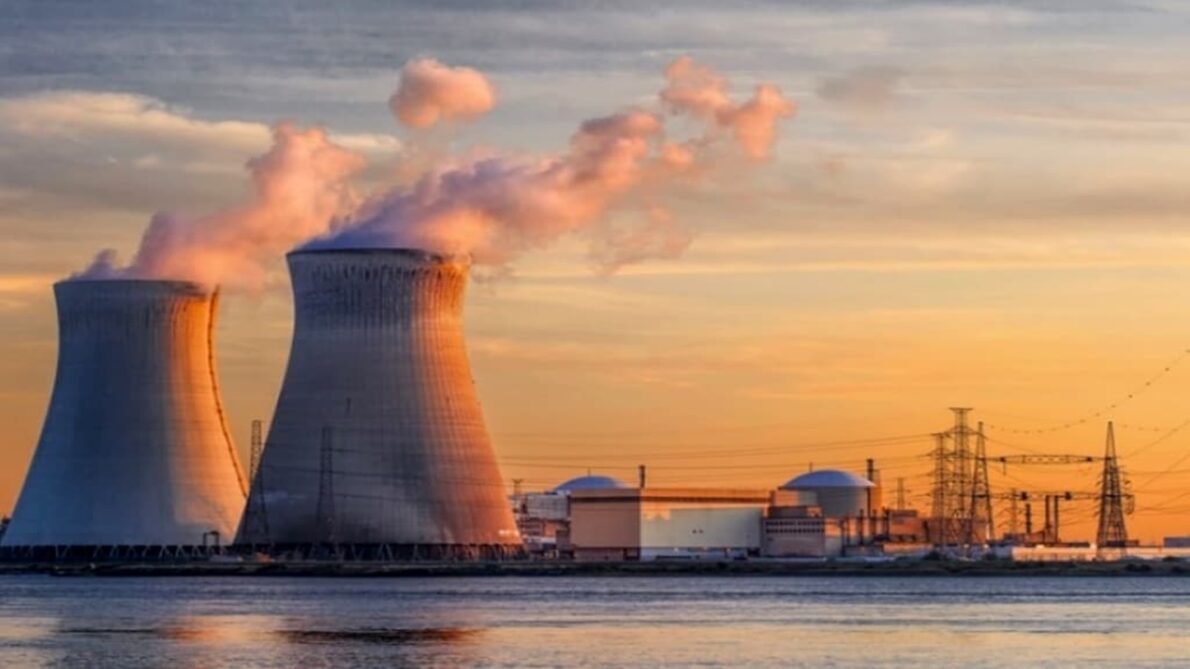
United States Bets on Nuclear Power Plants to Meet Energy Demand of AI Data Centers. Sustainable and Efficient Solution!
It seems that the administration led by Joe Biden is in a hurry. According to Axios, the government has decided to urgently engage with technology companies involved in the artificial intelligence (AI) industry due to the enormous electrical consumption demanded by their data centers. Jennifer Granholm, the Energy Secretary, confirmed that the growing energy demand of these facilities is a problem that needs to be addressed.
“Artificial intelligence is not a problem in itself, as it can be used to solve the challenge we are discussing”, Granholm pointed out. The U.S. Department of Energy is seriously considering the possibility of companies with large data centers dedicated to training AI models installing small nuclear plants nearby to meet their energy needs.


The Potential Unlocking of SMR Reactors in the U.S.
In 2023, 18.6% of the electricity generated in the U.S. came from nuclear power plants across the country, according to data from the EIA (U.S. Energy Information Administration). If the Department of Energy considers nuclear options as the ideal solution to meet the electrical needs of large data centers for AI, the total contribution of this energy form to the mix will need to be much greater. And this plan, logically, requires significant investment.
-
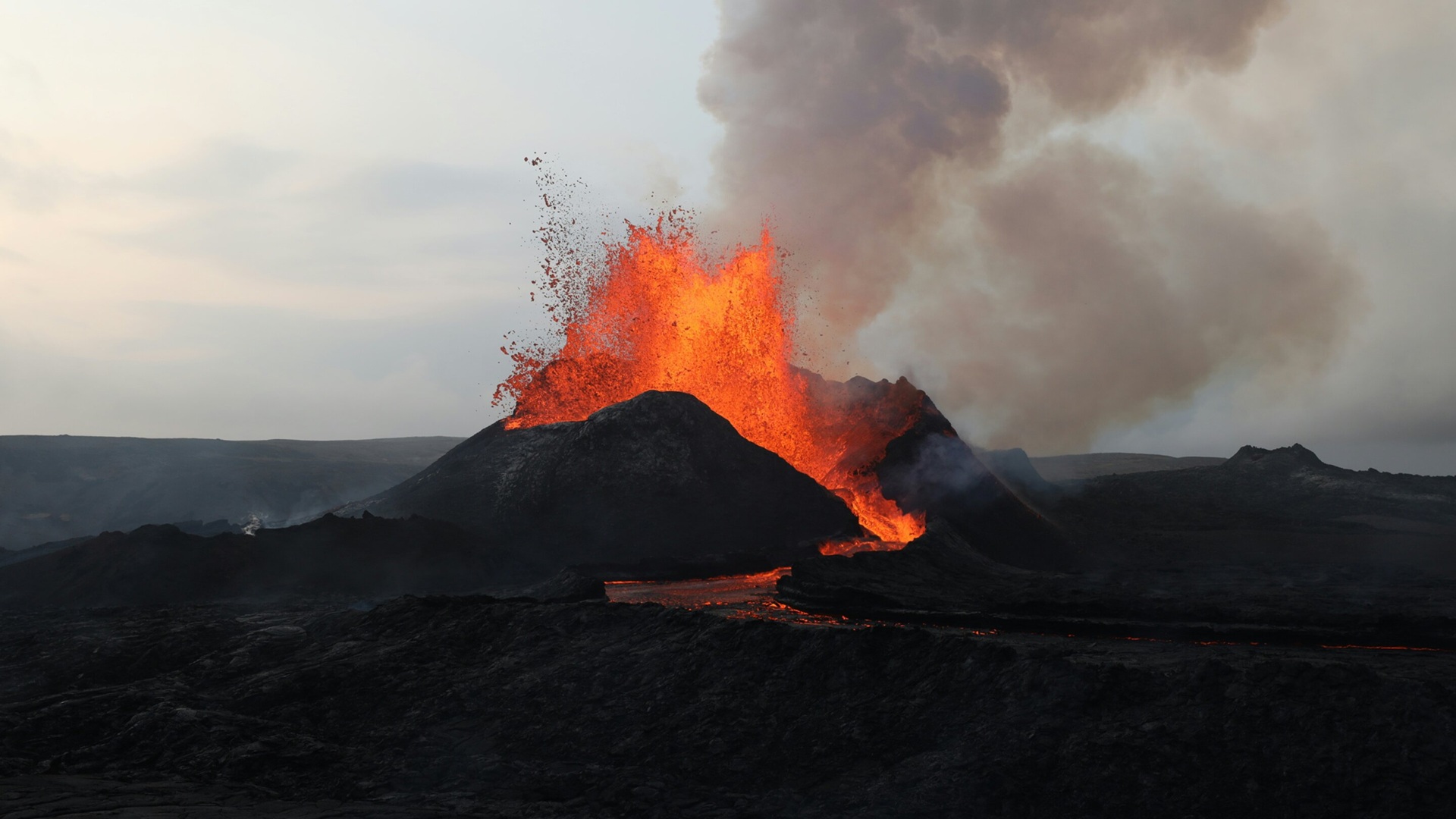
What can really trigger large volcanic eruptions? Research suggests that gas returning to the magma may be more dangerous than gas escaping from it.
-
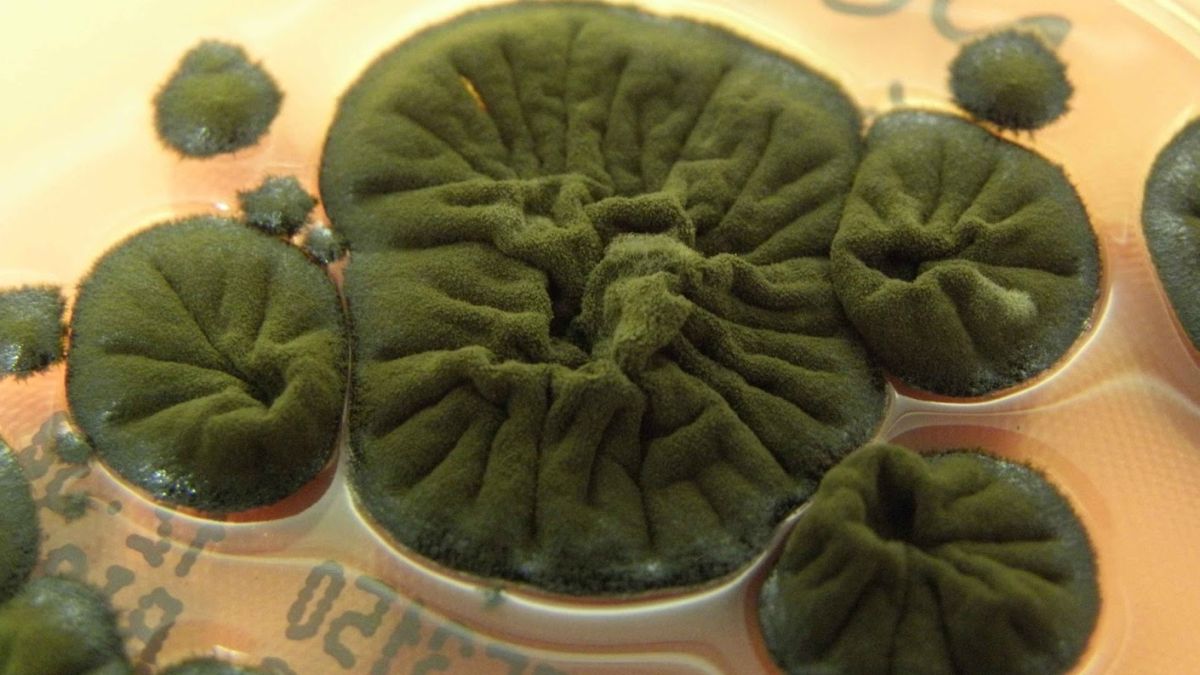
Found in one of the most radioactive places on Earth, this Chernobyl fungus may be doing something with radiation that no one has been able to explain to this day.
-
A bright yellow mushroom imported from Asia escaped from a cultivation farm in the United States in 2010 and is now aggressively spreading across 25 states, destroying entire communities of native fungi in American forests.

-
Buried under China, a colossal machine weighing 20,000 tons began operating as the largest neutrino detector on the planet and, in just 59 days, surpassed results that science took half a century to achieve.


This strategy would also reinforce the U.S. commitment to energy sources that do not emit greenhouse gases. What is still unclear is what investment technology companies will take on when preparing the new nuclear facilities and what subsidies the government will provide. Currently, some major tech companies have already invested in nuclear energy, although not necessarily in fission. Microsoft, for example, has an agreement with Helion Energy to obtain power from its future nuclear fusion reactors.
Nuclear Fusion: A Bet for the Future
Nuclear fusion is interesting as a future bet, but it is not a viable solution in the short or medium term, as commercial nuclear fusion reactors are still distant (according to EUROfusion, they will come in the 60s). The more solid option currently, both from a technical and economic standpoint, is compact modular reactors, known as SMR (Small Modular Reactors) in English.
These fission reactors have been in development for just over two decades, and some of them are being designed according to the principles and requirements established for next-generation nuclear fission equipment. In fact, they are being conceived to avoid the deficiencies introduced by previous generations. Above all, these fission machines need to meet three requirements that make them much more attractive than the reactors used in currently operating nuclear power plants.
Requirements for Fission Reactors
They need to be sustainable, require the least economic investment possible, and, in addition, their safety and reliability must be sufficiently high to minimize the probability of damage to the reactor core in case of an accident. To meet the first condition, it is essential to extract the maximum energy possible from the fuel and minimize radioactive waste.
In terms of cost, the deployment and maintenance of the nuclear power plant must be comparable to the expenses required by other energy sources. And regarding safety, it is essential that if an accident occurs, no emergency measures beyond the facilities of the nuclear power plant itself are necessary. There is no doubt that this generation of reactors is much more attractive than the second-generation designs that proliferated since the 70s.
Image: Nuclear Forum
Source: Axios







Seja o primeiro a reagir!