





 Portuguese
  English
  Spanish
  4 min of reading
  0 comments


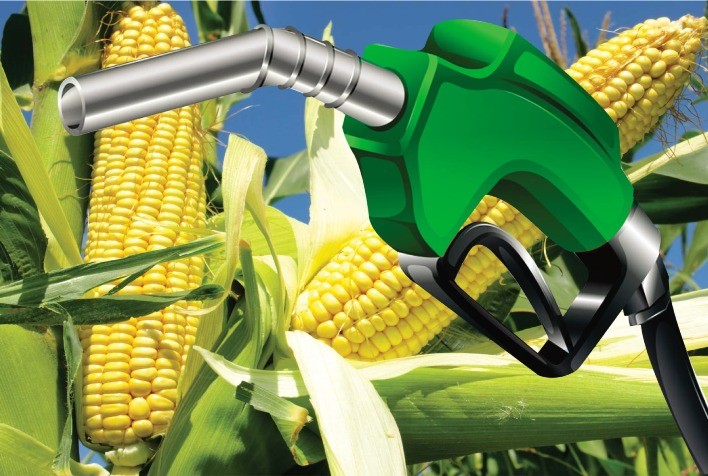
The Production of Ethanol from Corn in Brazil Reached a Historic Record in February 2025. According to Data from the Sugar-Ethanol Sector, Mills Used 1.7 Million Tons of Corn to Produce the Biofuel, Registering the Highest Volume for the Month.
This number demonstrates an impressive growth of 41% compared to January 2024 and an increase of 76% compared to the average of recent years.
Additionally, corn ethanol has established itself as a sustainable and efficient alternative within the Brazilian biofuel market. As a result, the accelerated growth of production reinforces the importance of the sector for the national economy and its relevance within the strategies of energy diversification.
The Accelerated Growth of Corn Ethanol Production in Brazil
In recent years, corn ethanol production has gained prominence in Brazil, especially in the Central-West and South regions, where the cultivation of the grain has intensified.
-
The Economist states that Brazil has a “secret weapon” against expensive oil and highlights how the country can reduce economic impacts even in international scenarios of high volatility.

-
Brazil accelerates decarbonization in the South: International forum in Foz do Iguaçu gathers leaders to discuss the advancement of biomethane in the energy matrix and the potential of “caipira pre-salt.”

-
As diesel prices soar due to conflicts in the Middle East, a Brazilian city decides to test a little-known biofuel that promises to completely replace fossil fuel without adaptation and could change the future of energy in the country.

-
Innovation with biofuel engines transforms agribusiness by replacing diesel without the need for major adaptations, ensuring energy efficiency and helping to reduce dependence on oil.
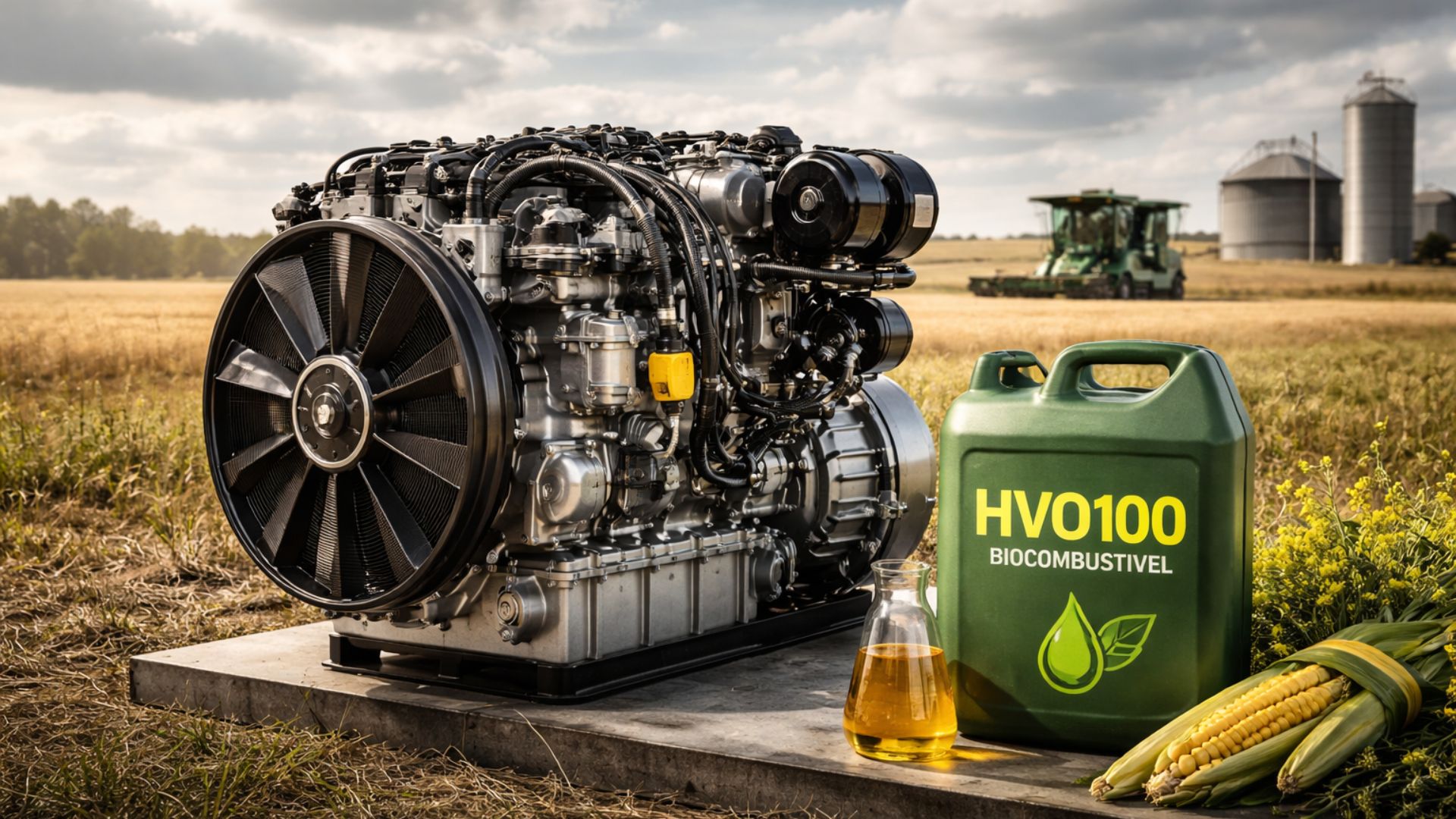

Moreover, the installed capacity of the mills has grown significantly, allowing for an accelerated expansion of production. Thus, the corn ethanol market has become essential to ensure domestic supply, reduce dependence on sugarcane, and provide more stability to the sector.
According to the website Portal do Agronegócio, in 2020, Brazil was still producing a large part of its ethanol from sugarcane. However, the share of corn was already increasing.
In 2022, the production of corn ethanol reached 5 billion liters, driven by investments in new mills and government incentives.
By 2023, the processed volume exceeded 15 million tons of corn, consolidating the biofuel as one of the main products of agribusiness.
For the commercial year starting in February 2025, the forecast indicates a consumption of 21.76 million tons of corn for ethanol production. Consequently, this volume represents a growth of 21.8% compared to the previous cycle, which recorded 17.87 million tons processed.
Thus, the strong increase in demand for the biofuel confirms the growing interest of mills in corn as a raw material.
The Benefits of Corn Ethanol for the Economy and Environment
The biofuels sector drives the national economy, generating jobs, valuing agricultural production, and reducing greenhouse gas emissions. Thus, corn ethanol has become a viable solution to meet the growing demand for renewable fuels, aligning with sustainability policies and energy transition.
In addition to ethanol, the production of this biofuel generates important by-products, such as DDG (Dried Distillers Grains), a highly nutritious co-product used in animal feed.
According to the website Portal do Agronegócio, in 2021, the production of DDG already exceeded 2 million tons in Brazil, particularly supplying the livestock and poultry sectors.
In February 2025, mills produced 572 thousand tons of DDG, marking a growth of 41% compared to the same period last year.
Furthermore, in the accumulated harvest of 2024/25, the production of DDG reached 5.64 million tons, with an increase of 31% compared to the previous cycle.
The environmental benefits of corn ethanol stand out. After all, the substitution of fossil fuels with biofuels significantly reduces carbon dioxide emissions in the atmosphere, contributing to combating climate change.
Perspectives for the Future of This Production in Brazil
The growing demand for biofuels in Brazil and worldwide stimulates investments in new technologies and in the expansion of productive capacity of mills. Thus, corn will continue to play an essential role in diversifying the energy matrix, ensuring greater security in domestic supply and more competitiveness in the global market.
According to the website Portal do Agronegócio, since 2018, Brazil has recorded an annual average growth of 30% in corn ethanol production.
Experts project continuous growth for the sector in the coming years. Consequently, this consolidates corn ethanol as a fundamental component of the low-carbon economy.
Moreover, the advancement of this production reaffirms Brazil as one of the main players in the global biofuels market. The country stands out both in ethanol production and in the supply of essential by-products for the production chain.
To ensure this sustainable growth, the sector faces challenges such as the need for improvements in infrastructure, greater logistical efficiency, and constant investments in research and innovation.
However, the trend points to increasingly significant production. As a result, corn ethanol is consolidating as a strategically important and economically viable energy solution.
In conclusion, with production records and optimistic projections, the consumption of corn for ethanol will continue to rise, strengthening Brazil’s position as a reference in the sustainable production of biofuels.










-

Uma pessoa reagiu a isso.